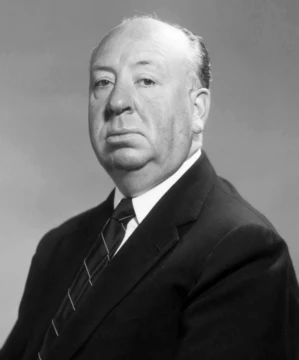
Sam Peckinpah
American filmmaker known for violent, revisionist Westerns.

via Wikipedia: Sam Peckinpah · see source
David Samuel Peckinpah (February 21, 1925 – December 28, 1984) was an American filmmaker and actor. He reworked the Western genre with a fresh perspective, using bold, clear visuals and graphic violence. His 1969 film *The Wild Bunch* earned two Academy Award nominations and landed at number 80 on the American Film Institute's Top 100 list. He also worked on the TV series *The Rifleman* (1958–63) and *The Westerner* (1960).
Peckinpah’s family came from the Frisian Islands in northwestern Europe. Both sides traveled west by covered wagon in the mid-1800s. He and some relatives claimed Native American ancestry, but living family members deny this. His great-grandfather, Rice Peckinpaugh, moved from Indiana to Humboldt County, California, in the 1850s, worked in logging, and changed the family name to Peckinpah. Peckinpah Meadow and Peckinpah Creek—where the family ran a lumber mill in the High Sierra east of North Fork, California—appear on U.S. maps. His maternal grandfather, Denver S. Church, was a cattle rancher, Superior Court judge, and U.S. Congressman for a California district that included Fresno County. Peckinpah’s nephew, David Peckinpah, became a television producer, director, and screenwriter. He was also a cousin of former New York Yankees shortstop Roger Peckinpaugh.
Peckinpah was born in Fresno, California, on February 21, 1925, to David Edward and Fern Louise Peckinpah. He had an older brother, Denver Charles. He often skipped school with his brother to work on their grandfather’s ranch, doing things like trapping, branding, and shooting. In the 1930s and 1940s, Coarsegold and Bass Lake were still home to descendants of 19th-century miners and ranchers, many of whom worked on Church’s ranch. The area was changing rapidly, and this exposure likely shaped his later Western films. He played junior varsity football at Fresno High School, but frequent fights and discipline problems led his parents to send him to San Rafael Military Academy for his senior year.
In 1943, he joined the U.S. Marine Corps. Within two years, his battalion was sent to China to disarm Japanese soldiers and repatriate them after World War II. He didn’t see combat, but he said he witnessed acts of war between Chinese and Japanese troops, including torture and the murder of a laborer by sniper fire. The Marines were not allowed to intervene. He also claimed he was shot during an attack by Communist forces. In his final weeks as a Marine, he applied for discharge in Beijing to marry a local woman, but was denied. His time in China reportedly affected him deeply and may have influenced the violence in his films.
After discharge in Los Angeles, he studied history at California State University, Fresno. There he met and married his first wife, Marie Selland, in 1947. She was a drama major and introduced him to the theater department, sparking his interest in directing. As a senior, he adapted and directed a one-hour version of Tennessee Williams’ *The Glass Menagerie*. After graduating in 1948, he pursued graduate studies in drama at the University of Southern California. He spent two seasons as director in residence at Huntington Park Civic Theatre near Los Angeles before earning his master’s degree. He was asked to stay another year, but he took a job as a stagehand at KLAC-TV, believing TV experience would lead to film work. Even then, he showed a combative streak: he was reportedly kicked off *The Liberace Show* for not wearing a tie, and he refused to cue a car salesman during a live feed because of the salesman’s attitude toward stagehands.
In 1954, he was hired as a dialogue coach for *Riot in Cell Block 11*, assisting director Don Siegel. The film was shot on location at Folsom Prison. The warden was reluctant to let the filmmakers in until he met Peckinpah, whose influential family from Fresno he knew, and he became cooperative. Siegel’s location work and use of actual prisoners as extras left a lasting impression on Peckinpah. He worked as a dialogue coach on four more Siegel films.
- born
- February 21, 1925, Fresno, California
- died
- December 28, 1984, Inglewood, California
- field
- Filmmaker, actor
- nationality
- American
- known_for
- Revisionist Westerns, explicit violence, The Wild Bunch
Verified Timeline
Lore & Background
Peckinpah was born in Fresno, California, to David Edward and Fern Louise Peckinpah. He spent much time skipping classes with his brother to engage in cowboy activities on their grandfather Denver Church's ranch, including trapping, branding, and shooting. This exposure is believed to have affected his Western films later in life. He joined the United States Marine Corps in 1943, and his battalion was sent to China to disarm Japanese soldiers. While his duty did not include combat, he claimed to have witnessed acts of war, including several acts of torture and the murder of a laborer by sniper fire. His experiences in China reportedly deeply affected him and may have influenced his depictions of violence in his films. After being discharged, he attended California State University, Fresno, studying history. While a student, he met and married his first wife, Marie Selland, in 1947. A drama major, Selland introduced him to the theater department and he became interested in directing. After graduation in 1948, he enrolled in graduate studies in drama at University of Southern California. In 1954, he was hired as a dialogue coach for the film Riot in Cell Block 11, working as an assistant for director Don Siegel. He worked as a dialogue coach on four additional Siegel films, including Invasion of the Body Snatchers (1956), in which he appeared as Charlie the meter reader. Peckinpah claimed to have done an extensive rewrite on that film's screenplay, a statement which remains controversial.
Reader's Guide
Peckinpah's films deal with the conflict between values and ideals, as well as the corruption and violence in human society. His characters are often loners or losers who desire to be honorable but are forced to compromise in order to survive in a world of nihilism and brutality. He was given the nickname 'Bloody Sam' owing to the violence in his films. His combative personality, along with years of alcohol and drug abuse, affected his professional legacy. The production of many of his films included battles with producers and crew members, damaging his reputation and career during his lifetime. His notable films included Ride the High Country (1962), Major Dundee (1965), The Ballad of Cable Hogue (1970), Straw Dogs (1971), The Getaway (1972), Pat Garrett and Billy the Kid (1973), Bring Me the Head of Alfredo Garcia (1974), Cross of Iron (1977), and Convoy (1978). After divorcing Selland in 1960, he married Mexican actress Begoña Palacios in 1964. A stormy relationship developed, and over the years they married on three separate occasions. He spent a great deal of his life in Mexico after his marriage, eventually buying property there. From 1979 until his death, Peckinpah lived at the Murray Hotel in Livingston, Montana. He died of heart failure at age 59 on December 28, 1984, in Inglewood, California.
Did You Know?
- Peckinpah's great-grandfather changed the spelling of the family name from Peckinpaugh to Peckinpah.
- Peckinpah Meadow and Peckinpah Creek, where his family ran a lumber mill, have been officially named on U.S. geographical maps.
- He was a cousin of former New York Yankees shortstop Roger Peckinpaugh.
- Peckinpah claimed he was shot during an attack by Communist forces while serving as a Marine in China.
- He was reportedly kicked off the set of The Liberace Show for not wearing a tie.
Frequently Asked Questions
Who is Sam Peckinpah?
Sam Peckinpah (1925–1984) was an American filmmaker and actor born in Fresno, California, who became one of the most visually daring voices in 1960s and 70s cinema. He is best remembered for reshaping the Western genre with a gritty, unflinching sensibility.
What is Sam Peckinpah known for?
He is celebrated for reimagining the Western with morally ambiguous characters, extended choreographed gunfights, and an explicit, almost visceral depiction of violence. His revisionist approach treated the Old West as a brutal, decaying era rather than a romantic frontier.
What is Sam Peckinpah's most famous film?
The Wild Bunch (1969) is widely regarded as his signature achievement, following a band of aging outlaws through a spectacularly violent final showdown. The film earned two Academy Award nominations and was later ranked No. 80 on the AFI's Top 100 list.
How did Peckinpah's Westerns differ from traditional ones?
Instead of celebrating clean-cut heroes and moral certainty, his films presented flawed, often desperate men in a world where violence was prolonged, messy, and frequently senseless. This revisionist lens stripped away the mythologized glamour of classic Hollywood frontier stories.
When and where did Sam Peckinpah die?
He passed away on December 28, 1984, in Inglewood, California, at the age of 59. His death came just a few years after the commercial and critical struggles that marked the later stretch of his career.
More in Auteur Film Directors 1-17
Spotted an error? Know more?
This is a living reference — every entry is fact-audited, and reader corrections feed straight into our audit queue. Suggest an edit · See this site's audit record