David R. Watson
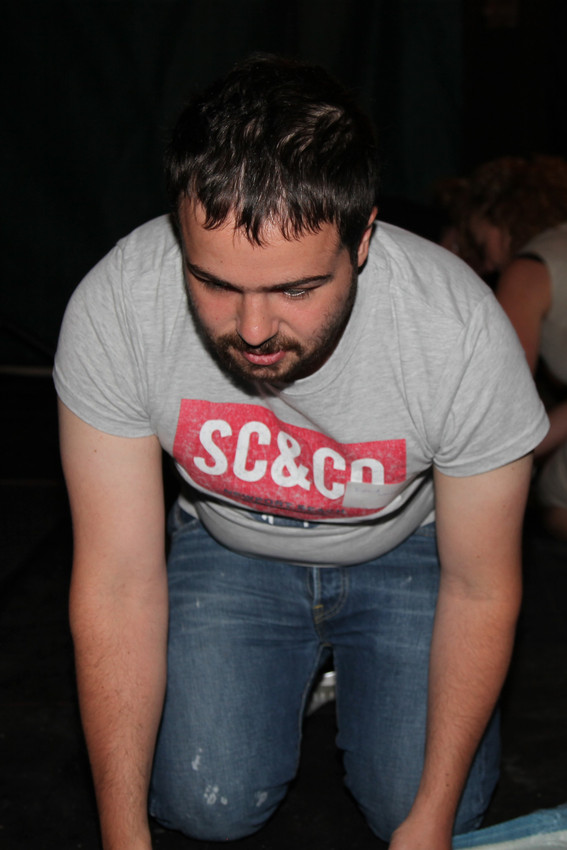
Bowyer, composer, and Ultima alter ego Iolo.

Dickens, Charles, 1812-1870 · Public domain
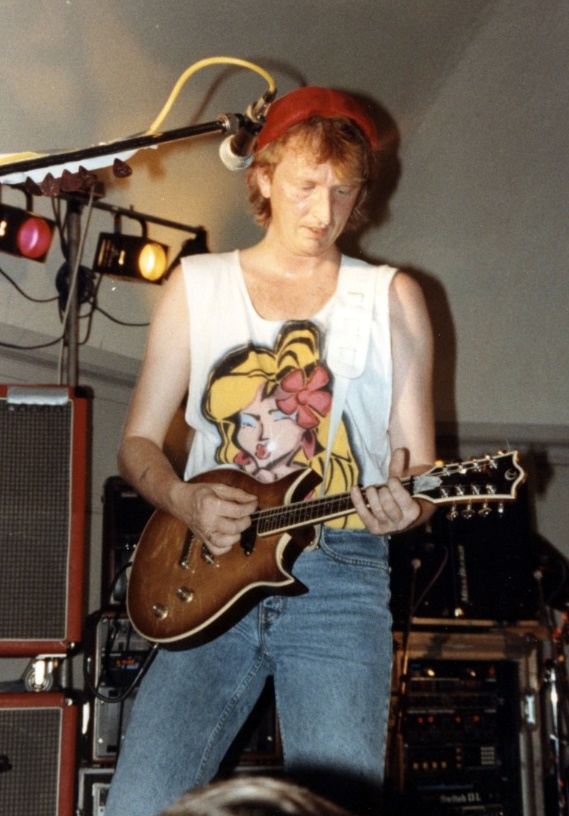
David R. Watson (born 1948) is a bowyer, composer, fencing master, and musician based in Austin, Texas. He is known for his varied career in video game development, including composing music for the Ultima series, serving as a level designer for X-COM: Apocalypse, and acting as lead mission analyst for Grand Theft Auto: San Andreas. Watson is also recognized by his Ultima alter ego, Iolo.
- Born
- 1948
- Residence
- Austin, Texas
- Occupations
- bowyer, composer, fencing master, musician, level designer, lead mission analyst
- Notable works
- Ultima series (composer), X-COM: Apocalypse (level designer), Grand Theft Auto: San Andreas (lead mission analyst)
- Alter ego
- Iolo
- Spouse
- Kathleen Jones (deceased; also known as Gwenno in Ultima)
Lore & Background
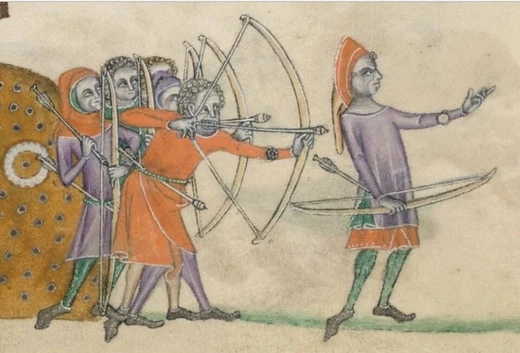
David R. Watson's career spans multiple disciplines. As a bowyer, he authored Iolo's First Book of Crossbows and is associated with the New World Arbalest. His musical composition 'Stones' first appeared in Ultima V: Warriors of Destiny (1988) and became a signature piece. Watson contributed to numerous Ultima titles, including Ultima VI, Ultima VII, and its expansions, as well as games such as Stonekeep and the You Don't Know Jack series. His work in video games also includes level design for X-COM: Apocalypse and mission analysis for Grand Theft Auto: San Andreas. Watson's late wife, Kathleen Jones, was portrayed as Gwenno, Iolo's in-game wife in the Ultima series.
Reader's Guide
David R. Watson's significance lies in his multifaceted contributions to both archery and video game history. As a bowyer, his practical expertise is documented in Iolo's First Book of Crossbows, and his bows, such as the New World Arbalest, are preserved through archival records. In gaming, his composition 'Stones' became an enduring emblem of the Ultima series, appearing across multiple titles. His roles as level designer for X-COM: Apocalypse and lead mission analyst for Grand Theft Auto: San Andreas demonstrate a breadth of technical skill beyond music. The integration of his personal life into the Ultima narrative—through his alter ego Iolo and his wife's character Gwenno—adds a unique layer of biographical authenticity to the game world. Watson's legacy is that of a craftsman and artist whose work bridges traditional bowyering and interactive digital entertainment.
Did You Know?
- David R. Watson composed the song 'Stones' for Ultima V: Warriors of Destiny.
- His late wife, Kathleen Jones, was the inspiration for the Ultima character Gwenno.
- Watson authored a book titled Iolo's First Book of Crossbows.
Formative Years and Personal Struggles
Jeremy Brett entered the world as Peter Jeremy William Huggins on 3 November 1933 at Berkswell Grange in Warwickshire, the youngest son of a decorated Army officer and a woman from the famous Cadbury confectionery family. He grew up with three older brothers and would later become the uncle of actor Martin Clunes. His schooling at Eton College, however, proved deeply frustrating; he described himself as an "academic disaster" and attributed his difficulties to dyslexia. What he did excel at was singing, joining the college choir, and he also participated in the Woodmen of Arden, an archery club dating back to 1785 that his father and brothers also belonged to. Brett was born with rhotacism, a condition that made the "R" sound nearly impossible to produce. He underwent corrective surgery as a teenager and then devoted years to drilling his pronunciation until his diction became precisely honed. He trained under Elsie Fogerty at the Central School of Speech and Drama, graduating in 1954, but his father insisted he abandon the Huggins name for family honour. Brett took his stage surname from the label on his first suit: "Brett & Co."
A Versatile Career Across Stage and Screen
Brett launched his professional career in 1954 with a repertory engagement at Manchester's Library Theatre, and by 1956 he was on the London stage with the Old Vic in Troilus and Cressida. That same year he appeared in the major film War and Peace alongside Audrey Hepburn and took the Duke of Aumerle role on Broadway in Richard II. His range expanded into musical theatre when he sang the romantic lead in the West End production of Marigold in 1959. He tackled Hamlet that year too, though he later expressed deep self-doubt, calling himself too young intellectually and philosophically. Over his career he accumulated roughly a dozen Shakespearean roles at the Old Vic, in New York, and four more during his 1967-to-1970 stint with the National Theatre Company. On screen, he played d'Artagnan in a 1966 Three Musketeers adaptation and landed his highest-profile film role as Freddy Eynsford-Hill in the 1964 My Fair Lady, though his singing was dubbed by Bill Shirley. He was even offered the James Bond part but declined, fearing it would damage his career. He joked that casting directors rarely let him step into the twentieth century, yet he guested in contemporary series and starred opposite Joanna David in the 1979 Rebecca adaptation.
The Sherlock Holmes Years
Brett is most widely remembered for his portrayal of Sherlock Holmes in Granada Television's series of films, produced between 1984 and 1994. The 41 episodes were adapted by John Hawkesworth and other writers from Sir Arthur Conan Doyle's original stories, with David Burke and later Edward Hardwicke playing Doctor Watson. Despite reportedly fearing he would become typecast, Brett committed to every single episode. He described Holmes as the most demanding role of his entire career, saying it was harder than Hamlet or Macbeth. After taking on the part, he made few other acting commitments, dedicating himself fully to the detective. The collaboration extended beyond television: Brett and Hardwicke performed together on stage in The Secret of Sherlock Holmes in 1988 and 1989, directed by Patrick Garland. The series also spawned two additional television films. For a decade, Brett's face became synonymous with the world's most famous fictional detective, and the Granada productions remain a benchmark for television adaptations of Conan Doyle's work.
Personal Loss and Lasting Legacy
Brett's life was marked by a devastating personal tragedy in 1959, when his mother Elizabeth was killed in a car crash in the Welsh mountains. His son was only three months old at the time, and Brett spoke of the savage loss with undimmed anger years later. He felt his mother had been cheated and channeled that rage directly into his 1961 performance of Hamlet. His career spanned roughly four decades across stage, television, and film, encompassing Shakespeare, musical theatre, and a wide variety of character work. He died on 12 September 1995. His final screen appearance came posthumously: an uncredited bit part as the artist's father in the 1996 Hollywood film Moll Flanders, starring Robin Wright Penn, released nearly a year after his death. His family connections extended into entertainment through his nephew, actor Martin Clunes. The story of his name change from Huggins to Brett, taken from the label of his first suit, remains a charming footnote, as does his teenage battle with a speech impediment that he overcame through surgery and relentless practice. His legacy endures not only through the Holmes series but through the sheer breadth of a career that touched every major form of acting.
Gallery
Frequently Asked Questions
Who is David R. Watson?
He is a bowyer, composer, and musician born in 1948 who lives in Austin, Texas. Archery fans know him as a bow craftsman, while gaming fans recognize him for his work on titles like the Ultima series and Grand Theft Auto: San Andreas.
What is David R. Watson's role in the archery and bowmaking world?
Watson is a bowyer, meaning he designs and hand-builds bows as his craft. This identity as a maker of archery equipment is central to how he is recognized in the bowmaking community, separate from his more publicly visible video game and music careers.
Which video games did David R. Watson contribute to?
He composed the music for the Ultima franchise, handled level design on X-COM: Apocalypse, and led mission analysis for Grand Theft Auto: San Andreas. These three credits span different genres and decades of game development.
What is Iolo and how does it connect to David R. Watson?
Iolo is the bard character in the Ultima series who functions as Watson's fictional alter ego within the game world. The persona reflects his real-life identity as a musician, storyteller, and creative craftsman.
What other skills does David R. Watson practice outside of archery and gaming?
He is an active fencing master and a practicing musician in addition to his bowmaking work. His late spouse, Kathleen Jones, is remembered in Ultima lore under the name Gwenno.
More in Archery, Part 3 1-15
Spotted an error? Know more?
Reader corrections go straight into our review queue. Suggest an edit · How this site is sourced