Aquatic plant management
Science and methods to control aquatic plants in waterways.

Managing aquatic plants means using science and practical methods to keep both invasive and non-invasive species in check within waterways. Common approaches include applying herbicides, introducing biological controls, physically removing plants, and altering habitats. The best strategy is to stop invasive species from getting introduced in the first place.
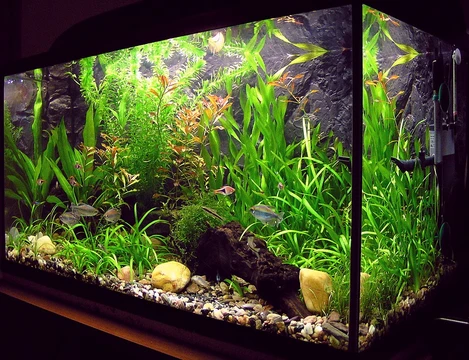
Aquaculture has led to the spread of exotic, invasive species—for example, the fish *Oreochromis niloticus*. Plants dumped from home aquariums have also caused problems.
The biggest economic headaches from aquatic weeds happen where people and water intersect. These weeds can reduce the efficiency of hydroelectric power generation, and they interfere with supplies of drinking, industrial, and agricultural water. They also spoil recreational activities like boating. Some weeds actually increase water loss by boosting evaporation from the surface. Certain aquatic weeds and insects have a close relationship, making the plants a breeding ground for pest insects.
In Florida, the Fish and Wildlife Conservation Commission runs an aquatic plant management section. Washington State has its own Aquatic Plant Management Program. The U.S.-based Aquatic Plant Management Society publishes the *Journal of Aquatic Plant Management*. The city of Winter Park, Florida, operates a herbicide program.
Notable invasive aquatic species include: *Eichhornia crassipes* (water hyacinth), which is invasive outside its native Amazon Basin; *Hydrilla*, invasive in North America; *Limnobium laevigatum*, invasive in the U.S.; *Myriophyllum spicatum* and *Myriophyllum verticillatum*, both invasive in North America; *Monochoria vaginalis*, invasive outside its native Asia and Pacific range; *Pistia*; and *Salvinia molesta*.
Harvesting means people deliberately remove aquatic plants from the water. This is often done to clear waterways for navigation and recreation, or to get rid of invasive species. But harvesting can also harm the environment—it may damage non-target plants and animals, stir up sediment, and spread invasive plants through fragments. The method chosen depends on the reason for removal, the plant’s habitat, nearby animals, plant density, access, and the species involved. Options include hand-pulling, mechanical cutting, cut-and-grind, suction harvesting, rototilling, and hydro-raking.
- Invasive species listed
- Eichhornia crassipes, Hydrilla, Limnobium laevigatum, Myriophyllum spicatum, Myriophyllum verticillatum, Monochoria vaginalis, Pistia, Salvinia molesta
- Organizations mentioned
- Florida Fish and Wildlife Conservation Commission (FWC), State of Washington Aquatic Plant Management Program, Aquatic Plant Management Society, City of Winter Park, Florida
- Harvesting methods
- pulling by hand, mechanical cutting, cut and grind, suction harvesting, rototilling, hydro-raking
- Most common harvesting method
- mechanical cutting
Lore & Background
Aquatic plant management addresses both invasive and non-invasive species. Invasive species such as Eichhornia crassipes (water hyacinth), Hydrilla, and Salvinia molesta have spread outside their native habitats. Aquaculture has been a source of exotic introductions, as have aquatic plants released from home fish tanks. Water weeds reduce capacity for hydroelectric generation, drinking water supply, industrial and agricultural water supply, and recreational use. Some weeds increase evaporation loss at the surface. Particular weeds and aquatic insects have a special relationship that makes the plants a source of insect pests.
Reader's Guide
Harvesting refers to anthropogenic removal of aquatic plants, often to clear waters for navigation and recreation or to rid the environment of invasive species. However, harvesting can harm non-target plants and animals, increase turbidity, and potentially spread invasive plants via fragmentation. Mechanical cutting is the most common method, efficient for large areas but nonselective and expensive, often damaging non-target species and removing macroinvertebrates, semi-aquatic vertebrates, and fish. Cut and grind is highly efficient with disposal included but leaves plant material in the water. Rotovating and hydro-raking uproot plants including roots, offering intermediate to long-term effects but requiring expensive equipment and risking sediment suspension. Hand pulling and suction harvesting are highly selective, long-term methods but slow and inefficient. The choice of method depends on purpose, habitat, surrounding animals, plant density, access point, and species.
Did You Know?
- Preventing the introduction of invasive species is ideal in aquatic plant management.
- Mechanical cutting is the most common method of aquatic plant harvesting.
- Some aquatic weeds increase evaporation loss at the water surface.
More in Aquarium and Aquatic Plants 1-24
Spotted an error? Know more?
Reader corrections go straight into our review queue. Suggest an edit · How this site is sourced