Nuphar japonica
East Asian yellow water-lily, an aquatic ornamental with yellow to red flowers.

Nuphar japonica, commonly called the East Asian yellow water-lily, is a perennial aquatic herb with rhizomes, belonging to the Nymphaeaceae family. It is native to Japan, Korea, and Russia. In Japan’s Hiroshima Prefecture, it is one of three Nuphar species that occur in the Saijo Basin.
The plant has rhizomes 1–3 cm thick. Its leaves can be submerged, floating, or emerged, with blades 12–35 cm long and 6–18 cm wide. The round petiole is 3–10(–14) mm wide. Flowers are solitary, 4–5 cm wide, and range from yellow to red, with a long, cylindrical peduncle. Each flower has five sepals and 10–18 petals, and the gynoecium is made up of 15–16 carpels. The fruit is green, urn-shaped, long-necked, 2–3.5 cm long and 1.6–2.3 cm wide, containing ovoid seeds. The chromosome number is 2n = 34.
The species was first published by Augustin Pyramus de Candolle in 1821 and is placed in section Nuphar sect. Nuphar. A natural hybrid, Nuphar × saijoensis, occurs between N. japonica and Nuphar pumila. The specific epithet japonica means "of Japan."
Chemically, N. japonica contains alkaloids such as nupharidin, 1-desoxynupharidin, nupharamine, and its methyl and ethyl esters. The fruits also contain the alkaloids nupharine, beta-nupharidin, and desoxynupharidin (0.06%). The rhizomes contain the steroid sitosterol, alkaloid acids, higher fatty acids (palmitic and oleic acid), and the ellagitannins nupharin A, B, C, D, E, and F.
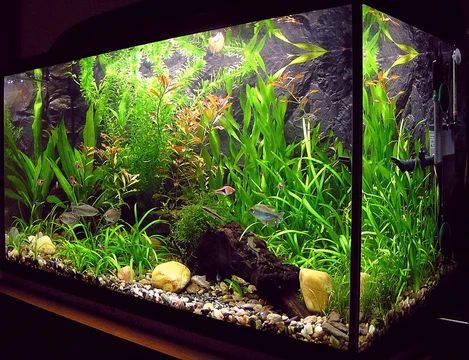
It grows in lakes, ponds, and streams, and is cultivated as an ornamental in aquaria and ponds.
Quick Facts
- Genus
- Nuphar
- Parent
- Nuphar sect. Nuphar
- Species
- japonica
Facts from the source article.
Lore & Background
Nuphar japonica was published by Augustin Pyramus de Candolle in 1821, with the specific epithet japonica meaning 'of Japan'. It is placed in the section Nuphar sect. Nuphar. The plant is one of three Nuphar species that occur in the same geographical location of the Saijo Basin in Hiroshima Prefecture, Japan. A natural hybrid, Nuphar × saijoensis, exists between Nuphar japonica and Nuphar pumila.
Vegetatively, it has 1–3 cm thick rhizomes and leaves that can be submerged, floating, or emerged. The leaf blade measures 12–35 cm long and 6–18 cm wide, with a terete petiole 3–10(–14) mm wide. The flowers are solitary, 4–5 cm wide, yellow to red, with five sepals and 10–18 petals, and a gynoecium of 15–16 carpels. The fruit is urceolate, green, long-necked, 2–3.5 cm long and 1.6–2.3 cm wide, bearing ovoid seeds.
Phytochemically, the plant contains various alkaloids including nupharidin, 1-desoxynupharidin, nupharamine, and its methyl and ethyl esters. The fruits contain nupharine, beta-nupharidin, and desoxynupharidin. The rhizomes contain the steroid sitosterol, alkaloids, fatty acids (palmitic and oleic acid), and the ellagitannins nupharin A through F.
Reader's Guide
Nuphar japonica is significant as an ornamental plant for both aquaria and ponds, valued for its yellow to red flowers and versatile leaf forms (submerged, floating, or emerged). Its natural occurrence in the Saijo Basin of Hiroshima Prefecture, alongside two other Nuphar species, highlights a unique ecological concentration. The species also contributes to the hybrid Nuphar × saijoensis, formed with Nuphar pumila. Its phytochemical profile, including a range of alkaloids and ellagitannins, adds scientific interest, though the article does not discuss medicinal or other uses. The plant is listed in the context of freshwater aquarium plant species and appears in the Red Data Book of Russia, indicating conservation relevance. Its publication by Augustin Pyramus de Candolle in 1821 places it within early 19th-century botanical taxonomy. The chromosome count of 2n = 34 is a standard cytological fact. Overall, its role as a cultivated aquatic ornamental and its restricted native distribution make it a notable species in both horticulture and regional biodiversity.
Did You Know?
- Nuphar japonica is one of three Nuphar species found in the Saijo Basin of Hiroshima Prefecture, Japan.
- It forms a natural hybrid, Nuphar × saijoensis, with Nuphar pumila.
More in Aquarium and Aquatic Plants, Part 2 1-24
Spotted an error? Know more?
Reader corrections go straight into our review queue. Suggest an edit · How this site is sourced