Hygrophila polysperma
Fast-growing aquarium plant that can become a nuisance.

Hygrophila polysperma, also called dwarf hygrophila, dwarf hygro, Miramar weed, Indian swampweed, or Indian waterweed, is an aquatic species belonging to the Acanthaceae family. Its native range includes Bangladesh, India, China, and Malaysia, and it has been introduced to Florida, Texas, and possibly Virginia in the United States. In the US, it is listed on the Federal Noxious Weed List and is illegal to import or sell in several states, including Kansas and South Carolina.
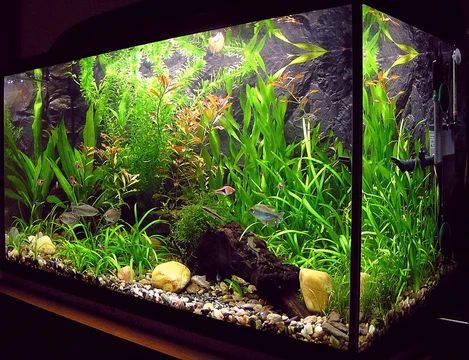
This plant entered the aquarium trade in 1945 under the name "oriental ludwigia." It is simple to cultivate, which has made it a popular choice for tropical aquariums. Growth accelerates with strong light, nutrient-rich water or substrate, and added CO2, and regular pruning may be necessary. It propagates from cuttings, and even a single leaf can take root. Because it thrives under a wide range of water conditions, it is widely available in the trade. In aquascaping, it is typically placed in the background as a dense cluster of stems. However, some aquarists avoid it because it can quickly overgrow a tank, depriving other plants of light and nutrients. Leaves near the light source often turn pink or orange. Many find that the plant produces excessive new shoots, eventually becoming a nuisance. Despite this, it is useful for rapidly filling a planted aquarium, as new shoots can generate new plants within days.
Quick Facts
- Genus
- Hygrophila (plant)
- Species
- polysperma
Facts from the source article.
Lore & Background
Indian waterweed first appeared in the aquarium trade in 1945 under the name 'oriental ludwigia'. It is easy to grow and as such a popular plant for the tropical aquarium. It will grow even faster in good light, a nutrient rich water/substrate and it benefits from additional CO2. May need to be pruned regularly. Propagated from cuttings; an isolated leaf will often root itself.
Hygrophila polysperma is readily available in the aquarium trade thanks to its ease of growth and reproduction. It will accept most water parameters. When used in aquascaping it is often placed towards the back of the aquarium, as a large group of stems. Some people prefer not to introduce it into their tanks as it can rapidly grow out of control, taking light and nutrients away from more other plants. The leaves turn a shade of pink or orange as they grow closer to the light source. Many people find that this plant produces too many new shoots and eventually becomes a nuisance. It is a good plant for quickly filling a planted aquarium, using its new shoots to propagate new plants in a matter of days.
Reader's Guide
Hygrophila polysperma holds a dual significance in the aquarium world: it is both a beginner-friendly filler plant and a species that can become problematic. Its introduction to the trade in 1945 under the name 'oriental ludwigia' marked the start of its widespread use. The plant's ability to thrive in most water parameters and propagate from cuttings or even isolated leaves makes it exceptionally easy to cultivate. However, this same vigor leads to rapid overgrowth, requiring regular pruning to prevent it from outcompeting other plants for light and nutrients. Its legal status as a Federal Noxious Weed in the US, with bans on import and sale in states like Kansas and South Carolina, reflects its invasive potential outside of aquariums. In aquascaping, it is typically placed in the background as a dense stem group, valued for quickly establishing a lush look. The pink or orange tint that leaves develop near the light source adds aesthetic appeal, but many hobbyists ultimately find it a nuisance due to its relentless shoot production. The plant's legacy is thus one of utility tempered by caution: a fast-growing workhorse that demands careful management.
Did You Know?
- An isolated leaf of Hygrophila polysperma will often root itself.
- It is listed on the Federal Noxious Weed List in the US and is illegal to import and sell in Kansas and South Carolina.
Frequently Asked Questions
Who is Hygrophila polysperma?
Hygrophila polysperma is a fast-growing aquatic plant from the Acanthaceae family, widely recognized by nicknames such as dwarf hygro, Miramar weed, or Indian swampweed. It is native to South and Southeast Asia, with populations in Bangladesh, India, China, and Malaysia.
What are Hygrophila polysperma's powers and role in the tank?
In a planted aquarium it serves as an incredibly easy, rapid-growing background filler that tolerates a wide range of conditions, which is why it became a staple starter plant. That same vigorous growth, however, is precisely what makes it a menace in open waterways, where it can smother native vegetation and disrupt ecosystems.
Why is Hygrophila polysperma important to aquarium history?
It entered the hobby trade in 1945 under the misidentified name 'oriental ludwigia,' a label that stuck for years despite the plant having no real connection to the Ludwigia genus. Its arrival gave early hobbyists one of the most forgiving and fast-growing options available, shaping how many people first experienced a planted tank.
What aliases does Hygrophila polysperma go by among fans and in the trade?
You will see it listed as dwarf hygrophila, dwarf hygro, Miramar weed, Indian swampweed, Indian waterweed, and—dating back to its 1945 debut—oriental ludwigia. The tangle of common names reflects both its broad regional popularity and the early taxonomic confusion that preceded its proper identification in the Acanthaceae family.
More in Aquarium and Aquatic Plants, Part 2 1-24
Spotted an error? Know more?
Reader corrections go straight into our review queue. Suggest an edit · How this site is sourced