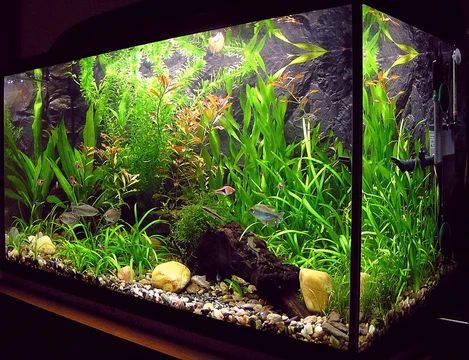
Hottonia palustris
An aquatic plant with feathery leaves and hermaphrodite flowers.

Hottonia palustris, commonly called water violet or featherfoil, belongs to the primrose family, Primulaceae. Its stem can grow up to 80 centimetres tall. While its basal roots anchor in the muddy bottom, other silvery, shiny roots hang loose in the water. The leaves are cut deeply all the way to the central vein, resembling a double comb, and normally stay underwater—though they may reach the surface if the water level drops sharply. These leaves are arranged alternately or in roughly regular whorls along the stem. The plant produces hermaphrodite flowers from May to June, which are pollinated by insects or through self-fertilization (cleistogamy), and it is self-fertile.
Featherfoil is native to Europe and northern Asia. Its species name, *palustris*, is Latin for "of the marsh," reflecting its typical habitat.
In cultivation, it naturally grows in bogs or marshes. Most commercially available specimens are grown emersed and must be gradually submerged in an aquarium to encourage them to develop submerged leaves. It can be kept in either a cool or tropical aquarium, and benefits from a good substrate, adequate light, and, if possible, added CO₂. The plant also thrives in or around ponds, where it is valued as an oxygenator. Its bushy foliage offers shelter for fish and fry. It can grow floating or exposed to full sun.
Quick Facts
- Genus
- Hottonia
- Species
- palustris
Facts from the source article.
Lore & Background
The plant has a stem reaching up to 80 centimetres in height. Its basal roots are buried in the underlying mud, while other silvery, shiny roots dangle freely in the water. The leaves are deeply divided as far as the central vein, like the teeth of a double comb, and are completely submerged, but can surface after a drastic fall in water level. The leaves are alternate or connected to the stem in more or less regular whorls. The flowers are hermaphrodite and pollinated by insects and cleistogamy; they appear from May to June. The plant is self-fertile. Featherfoil is found in Europe and northern Asia. The species epithet palustris is Latin for 'of the marsh' and indicates its common habitat.
Reader's Guide
Naturally a bog or marsh plant, most specimens sold have been grown emersed and must be submerged in stages in the aquarium to encourage them to adapt and form submerse leaves. Featherfoil can be kept in a cool or tropical aquarium. A good substrate, light and, if possible, additional CO2 are beneficial. It can be grown in or around ponds, for which it is considered a good oxygenator. Its bushy leaves provide protection for fish and fry. It can grow floating as well, or exposed to sun. The plant's adaptability to different water levels and its role as a shelter for aquatic life contribute to its significance in both ornamental and ecological contexts.
Classification and Aquatic Habitat
Featherfoil, known botanically as Hottonia palustris, occupies a specific niche within the world of water gardening as a member of the submerged plant category. In aquatic horticulture, garden plants are broadly divided into three groups—submerged, marginal, and floating—and Featherfoil belongs firmly to the first. Submerged species spend their lives almost entirely beneath the water's surface, though some, like water lilies, may send leaves or blossoms up to break the surface. Featherfoil is typically positioned in a pond or container at a depth of roughly one to two feet (0.30 to 0.61 m) below the water line. It shares this submerged tier with a diverse company of aquatic flora, including hornwort, lotus, Eurasian water milfoil, shining pondweed, and bladderwort. Together, these species form the underwater backbone of a balanced water garden, each contributing to the layered structure that defines a healthy aquatic planting scheme.
Ecological Function and Oxygenation
One of the most significant contributions that submerged aquatic plants like Featherfoil can make to a water garden is their potential role as oxygenators. Within a well-balanced aquatic ecosystem, the interplay between flora and fauna sustains water quality and clarity over time. Submerged species, including Featherfoil, are among the plants capable of generating dissolved oxygen, a vital resource for any fish, invertebrates, or other animals sharing the pond. This oxygen-producing capacity helps maintain the chemical equilibrium that keeps an aquatic habitat livable. In a healthy water garden, the submerged layer works in concert with marginal and floating plants to create a multi-tiered system where each group fulfills a distinct ecological role. The result is a self-sustaining micro-environment in which water remains clear, nutrients are cycled, and the animals that depend on the pond have the dissolved gases they need to survive. Featherfoil's placement in the submerged category situates it squarely within this oxygen-supporting guild.
A Thread in the History of Water Gardens
Featherfoil's presence in a water garden connects it to a tradition stretching back to ancient Persian and Chinese garden cultures, where water features were integral to landscape design from the earliest recorded periods. Water features have appeared in virtually every era and every culture that has incorporated gardens into its architectural and environmental vocabulary. For centuries before the industrial age introduced modern water pumps, water in these gardens was not recirculated but instead diverted from nearby rivers and springs, flowing through the garden and out into agricultural fields or natural watercourses. In those earlier settings, aquatic plantings served dual purposes: producing food and providing ornamental beauty. Featherfoil, as a species adapted to the shallow margins of lakes, rivers, and ponds, fits naturally within this long lineage of cultivated aquatic flora. Whether in a modest private pond or a grand public display, its submerged growth habit echoes the same principles that guided gardeners thousands of years ago.
Cultivation and Depth Sensitivity
Growing Featherfoil successfully in a water garden requires attention to one of the most important factors in aquatic horticulture: depth sensitivity. Most aquatic plants, including submerged species like Featherfoil, demand a specific water depth to thrive, and getting this wrong can stunt or kill the plant. Water gardens are often small and relatively shallow, sometimes measuring less than twenty inches (51 cm) in depth, which makes precise placement critical. One practical solution is to plant the submerged species in baskets raised off the pond bottom, allowing the grower to fine-tune the depth at which the plant sits in the water column. Featherfoil, positioned typically one to two feet below the surface, benefits from this kind of controlled placement. Additionally, a water garden may incorporate a bog garden section for plants that prefer waterlogged soil, creating a gradient of moisture conditions. The overall design goal is to match each species' depth requirements while integrating the planting harmoniously with the surrounding landscape and local environment.
Frequently Asked Questions
Who is Hottonia palustris?
Hottonia palustris, often called water violet or featherfoil, is a submerged aquatic herb native to bogs and marshes across Europe and northern Asia. It belongs to the primrose family (Primulaceae) and is recognizable by its deeply lobed, comb-like leaves and silvery free-floating roots.
What are Hottonia palustris's powers/role?
Its most striking trait is its leaf structure: each blade is cut all the way to the midrib, giving it a double-comb or feathered appearance that maximizes surface area underwater. The plant also produces hermaphrodite blooms and can self-pollinate through cleistogamy, meaning it doesn't depend entirely on insect visitors to set seed.
Why is Hottonia palustris important?
As a bog and marsh specialist, it provides habitat and forage for small aquatic invertebrates and adds structural complexity to still-water ecosystems. Its dual pollination strategy—using insects when available but falling back on cleistogamous selfing—makes it a useful model for studying reproductive flexibility in wetland flora.
Where does Hottonia palustris live?
You'll find it rooted in the muddy substrate of slow-moving or standing freshwater bodies throughout temperate Europe and northern Asia. It prefers boggy, marshy conditions and typically keeps its foliage fully submerged, only surfacing if water levels drop dramatically.
More in Aquarium and Aquatic Plants, Part 2 1-24
Spotted an error? Know more?
Reader corrections go straight into our review queue. Suggest an edit · How this site is sourced