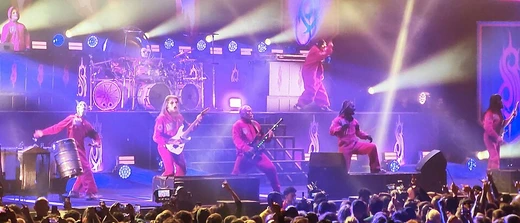
Chimaira
American heavy metal band from Cleveland, Ohio.

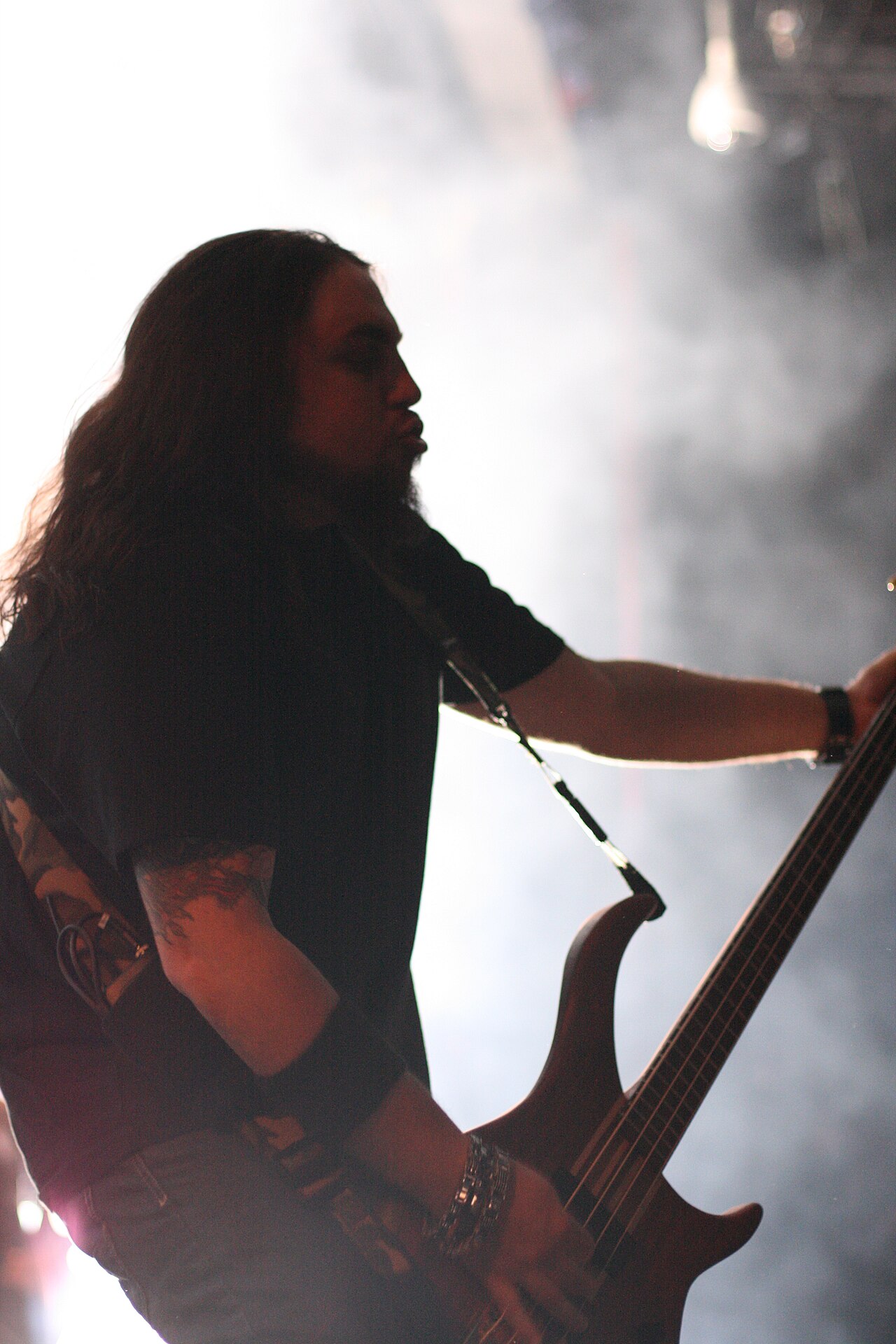
Bill Shouldis · CC BY 2.0
Chimaira (ky-MEER-ə) was an American heavy metal band from Cleveland, Ohio, founded in August 1998. The group took its name from the Chimera, a monster from Greek mythology. Over its career, the band went through many lineup changes, with vocalist Mark Hunter being the sole member to remain throughout. The group broke up in 2014, but they announced a reunion in 2017 and returned in 2023, with most of the long-term members back in the fold.
Before Chimaira, Hunter and bassist Jim LaMarca played in the hardcore band Skipline from 1996 to 1998. That group ended shortly before its first show in Rhode Island when their van was carjacked with all their equipment inside, forcing the four members to find their way back to Ohio. Soon after, guitarist Jason Hager of the Cleveland metalcore band Ascension contacted Hunter about forming a new group. Hunter agreed, and they brought in drummer Jason Genaro and bassist Andrew Ermlick, both friends and former bandmates. Chimaira was officially formed in August 1998.
After a few practices, the band wanted a thicker sound. Ermlick suggested recruiting Rob Arnold, a former bandmate from Common Thread, whose band Sanctum had just split. Arnold joined as lead guitarist in 1999, moving Hager to rhythm guitar. The band recorded its first demo in January 1999. During that session, Arnold recommended replacing Genaro with his former Sanctum drummer, Andols Herrick. After hearing a cassette of Herrick’s drumming, the band agreed, and Herrick recorded the drums for the demo the next day. The group spent most of 1999 touring the United States. That year, Ermlick left to focus on college, and Rob Lesniak replaced him. A second demo was recorded and received heavy airplay on local college radio stations.
In 2000, the band released its debut EP, *This Present Darkness*, on the independent label East Coast Empire. It did not chart in any known top 10 at Metal Radio. Around this time, Chimaira connected with manager and A&R scout Thom Hazaert, a friend of sampler Chris Spicuzza. The band continued touring with acts like Hatebreed and God Forbid, and recorded demos of new tracks, including “Severed,” “Taste My …,” “Dead Inside,” and a cover of The Cure’s “Fascination Street.” They also contributed a cover of Accept’s “Balls to the Wall” to the *ECW Wrestling* album *ECW: Anarchy Rocks*. In September 2000, the band performed “Dead Inside”
Quick Facts
- Landscape
- Yes
- Genre
- Groove metal / metalcore / nu metal
- Origin
- Cleveland, Ohio, U.S.
- Years Active
- 1998–2014, 2017 (one-off reunion), 2023–present
- Label
- East Coast Empire, Roadrunner, Ferret, Nuclear Blast, eOne
- Current Members
- Mark Hunter / Rob Arnold / Chris Spicuzza / Jim LaMarca / Matt DeVries / Austin D'Amond
- Past Members
- Jason Hager / Andrew Ermlick / Jason Genaro / Andols Herrick / Emil Werstler / Richard Evensand / Kevin Talley / Matt Szlachta / Jeremy Creamer / Sean Zatorsky
Facts from the source article.
Lore & Background
Chimaira was formed in August 1998 after vocalist Mark Hunter and bassist Jim LaMarca's previous hardcore band Skipline ended following a carjacking. Guitarist Jason Hager contacted Hunter to form a new group, and they recruited Jason Genaro on drums and Andrew Ermlick on bass. Soon after, Rob Arnold joined as lead guitarist, and Andols Herrick replaced Genaro on drums. The band recorded its first demo in January 1999 and spent much of 1999 touring the United States.
The band released its debut EP This Present Darkness in 2000, which did not chart in any known top 10 at Metal Radio. They signed to Roadrunner Records and released their debut album Pass Out of Existence in 2001, a nu metal album featuring a guest appearance from Deftones guitarist Stephen Carpenter on the track 'Sp Lit'.
Reader's Guide
Chimaira's significance lies in their role as a prominent act in the early 2000s heavy metal scene, particularly within the nu metal and groove metal subgenres. Despite numerous line-up changes, vocalist Mark Hunter remained the constant creative force. The band's early work on Roadrunner Records, though commercially disappointing due to poor label support, helped them build a dedicated fanbase through relentless touring with acts like Slayer, Machine Head, and Fear Factory. Their shift from a more polished nu metal sound on Pass Out of Existence to a rawer groove metal style on The Impossibility of Reason demonstrated their adaptability and helped define their later identity. The band's legacy includes influencing later metalcore and groove metal bands, and their reunion in 2023 after a period of dissolution underscores their enduring appeal among fans of early 2000s heavy metal.
Did You Know?
- The band's name is derived from Chimera, a monstrous creature in Greek mythology.
- Chimaira's debut album Pass Out of Existence featured a guest appearance from Deftones' guitarist Stephen Carpenter on the track 'Rizzo'.
- Songs from the album The Impossibility of Reason were featured on the TV show MythBusters for the episode 'Talking to Plants'.
From a Stolen Van to a Mythical Name
Chimaira's story begins in the Cleveland, Ohio hardcore scene of the late 1990s. Vocalist Mark Hunter and bassist Jim LaMarca had been playing in a band called Skipline from 1996 to 1998, but the group's brief run ended dramatically when their van—and all the gear inside it—was carjacked just before a show in Rhode Island, stranding the four-piece band trying to make it back to Ohio. Shortly after that ordeal, Hunter received a call from guitarist Jason Hager, a member of a local metalcore outfit called Ascension, proposing they start something new. Hunter jumped at the chance. Together they pulled in drummer Jason Genaro and bassist Andrew Ermlick, and the band was officially founded in August 1998. The name, drawn from the monstrous Chimera of Greek mythology, stuck. By early 1999 the group had recorded its first demo, and a second guitarist, Rob Arnold, was added to thicken the sound. The lineup continued to shift—Genaro was swapped for drummer Andols Herrick, and Ermlick departed for college—but the core creative engine of Hunter and Hager remained intact.
The Roadrunner Gamble and Its Cost
Chimaira's early momentum built on the 2000 EP This Present Darkness, released through the small Connecticut-based label East Coast Empire and charting in Metal Radio's top ten. Manager and A&R scout Thom Hazaert helped the band shop demo tracks like 'Dead Inside' to major labels, and a performance on USA Network's short-lived Farmclub.com show in September 2000 led directly to a signing with Roadrunner Records. The resulting debut album, Pass Out of Existence, dropped in October 2001 as a 14-track, over-one-hour nu-metal record produced by Mudrock, with a guest guitar appearance from Deftones' Stephen Carpenter on the track 'Rizzo.' The band toured heavily, opening for Slayer on a North American run and sharing bills with Machine Head, Fear Factory, and others. Yet Roadrunner invested minimal promotional effort, and sales stalled at roughly 44,000 copies two years out. Some fans resented the cleaner production compared to the raw EP, and Hunter later recalled shows with painfully low attendance. Guitarist Jason Hager departed to become a father, replaced by Matt DeVries, another former Ascension member. The band itself described this stretch as one of the most difficult of their career.
Reinventing the Sound Under Pressure
Coming off the commercial disappointment of Pass Out of Existence, Chimaira treated its third album, The Impossibility of Reason, as a do-or-die second chance. Pressure mounted from Roadrunner and the band's own expectations, and the group made a deliberate decision to overhaul their sonic identity: they abandoned 7-string guitars and dialed back the electronic effects that had defined the nu-metal debut, steering instead toward a rawer, groove-metal-oriented sound. The entire writing and recording process was captured on camera and later released as the band's debut DVD, The Dehumanizing Process, which also served as a candid look at the tensions of that era. After the album's release and the tours that followed, drummer Andols Herrick stepped away, citing a lack of enthusiasm for constant touring and a desire to return home and pursue a music degree in college. His replacement was Ricky Evensand, a Swedish drummer who had briefly been part of Soilwork. Evensand's tenure in the band was relatively short, and the group's search for a permanent drummer continued, with advice from a Slayer guitarist reportedly factoring into the decision-making.
One Voice, Two Decades, and a Comeback
Few bands in the metal world can claim a twenty-plus-year arc shaped by constant personnel turnover yet sustained by a single unbroken thread. Throughout Chimaira's entire history, from the August 1998 founding in Cleveland through the band's dissolution in 2014, Mark Hunter stood as the sole member to never leave. Every other position—guitar, bass, drums, electronics—cycled through different musicians, from the early Skipline and Ascension connections to the Swedish drummer Ricky Evensand and the electronics work of Chris Spicuzza. The band's final chapter saw them part ways in 2014, but the story did not end there. In 2017, Chimaira announced a reunion, signaling that the creative bond forged in that Cleveland garage still held. By 2023, the group returned to active status with most of its longtime members back in the lineup, a remarkable reassembly given the number of changes the band had weathered over more than two decades. For fans who followed from the East Coast Empire days through the Roadrunner years, that reunion represented a full circle back to the Cleveland metalcore scene where it all began.
Gallery
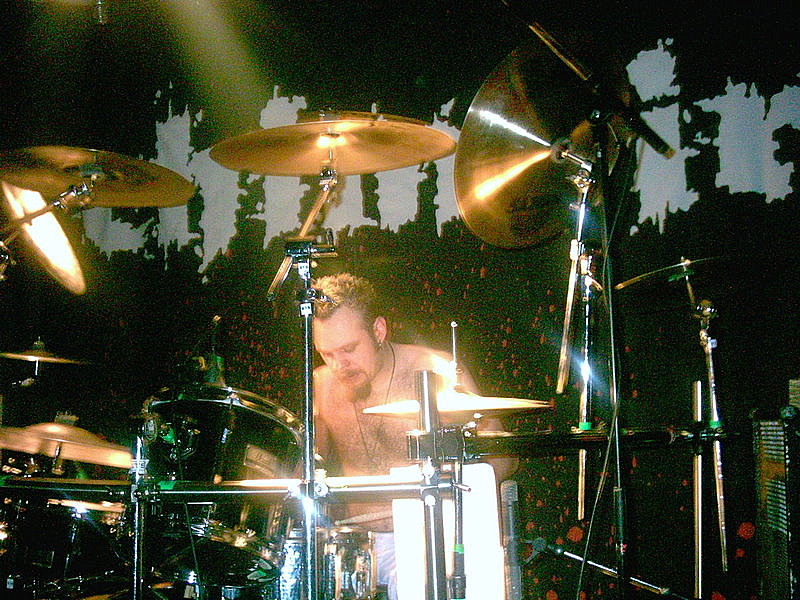
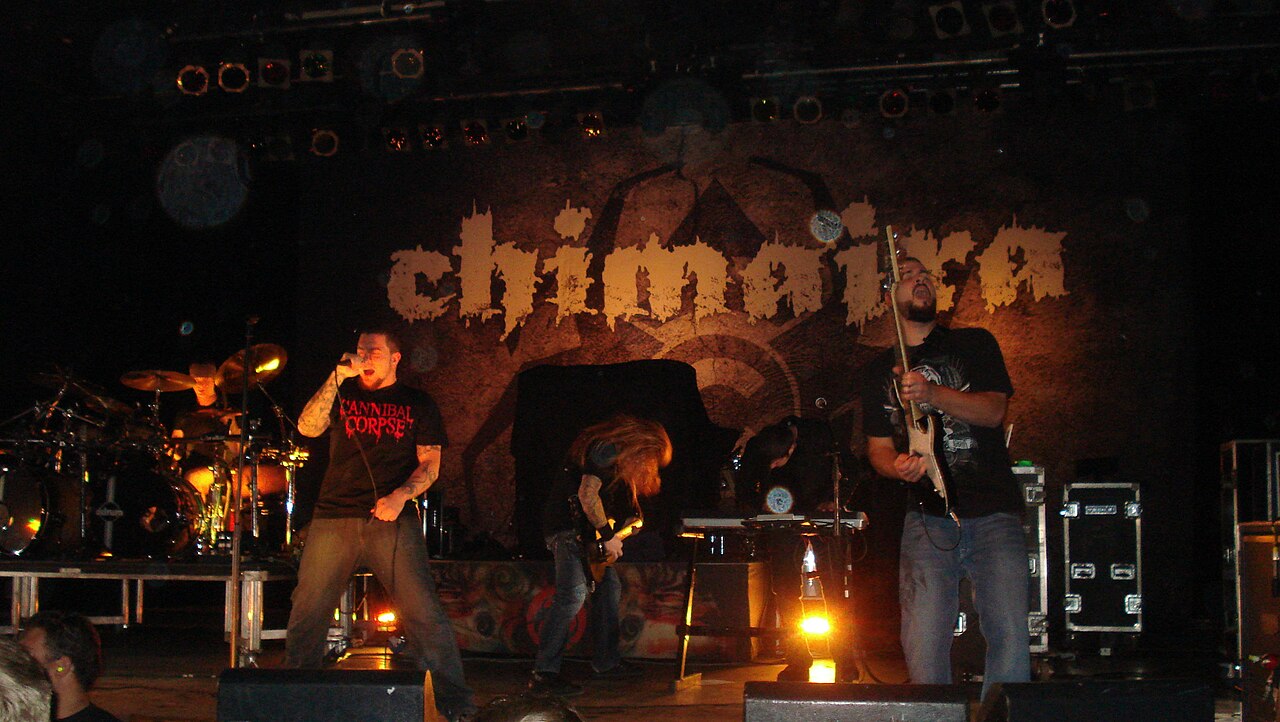


Frequently Asked Questions
Who is Chimaira?
Chimaira is an American heavy metal band that formed in Cleveland, Ohio, in August 1998. They are widely recognized for fusing groove metal with nu metal elements across their catalog.
Who is the only member that stayed in Chimaira the whole time?
Vocalist Mark Hunter is the sole original member who remained in the group through every lineup change from 1998 onward. All other positions cycled through multiple musicians over the band's history.
Where does the name Chimaira come from?
The band borrowed its name from the Chimera, a hybrid monster in Greek mythology. They stylize the spelling with an 'a' rather than the traditional 'e'.
Did Chimaira reunite after their 2014 breakup?
Yes, the group announced a reunion in 2017 and returned to active performance in 2023 with most of their long-standing members back in the fold. Their active years are listed as 1998–2014, a brief 2017 stint, and their 2023 return.
What record labels has Chimaira been signed to?
Throughout their career the band released music through Roadrunner Records, Ferret Records, and Nuclear Blast. Those labels spanned different eras of their output, from their early-2000s peak through later records.
More in American groove metal musical groups 1-24
Spotted an error? Know more?
Reader corrections go straight into our review queue. Suggest an edit · How this site is sourced