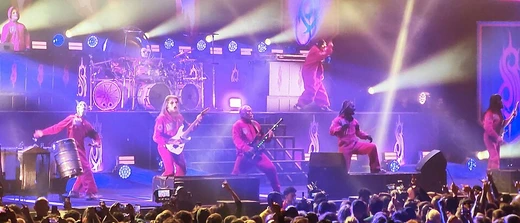
Byzantine (band)
American progressive groove/thrash metal band from West Virginia.

Unknown artist · Public domain
Byzantine is a progressive groove/thrash metal band from Charleston, West Virginia. Formed in 2000, the group is recognized for a modern, forward-thinking approach to metal, often shifting between different song structures and musical territories. As of June 2025, the lineup includes frontman and co-founder Chris "OJ" Ojeda (vocals), guitarists Brian Henderson and Tony Rohrbough, drummer Matt Bowles, and bassist Ryan Postlethwait. Over the years, the band has put out seven studio albums: four on Prosthetic Records (The Fundamental Component, ...And They Shall Take Up Serpents, Oblivion Beckons, and The Cicada Tree), one independently (the 2013 self-titled album), and two on Metal Blade Records (Harbingers of Noon and The Cicada Tree).
Quick Facts
- Origin
- Charleston, West Virginia, U.S.
- Genre
- Groove metal, thrash metal, progressive metal
- Years Active
- 2000–2008, 2010–present
- Label
- Prosthetic, Metal Blade
- Current Members
- Chris "OJ" Ojeda / Brian Henderson / Ryan Postlethwait / Matt Bowles / Tony Rohrbough
- Past Members
- Chris "Cid" Adams / Michael "Skip" Cromer / Matt Wolfe / Jeremy Freeman / Sean Sydnor / James Stewart
Facts from the source article.
Lore & Background
Byzantine was formed in spring 2000 by bassist Chris 'Cid' Adams, lead guitarist Tony Rohrbough, drummer Jeremy Freeman, and vocalist/rhythm guitarist Chris 'OJ' Ojeda after their previous bands disbanded. They self-released demos in 2001 and 2003, the latter gaining interest from Lamb of God drummer Chris Adler, leading to a short East Coast tour and a deal with Prosthetic Records. Their debut album, The Fundamental Component, was released in February 2004, followed by tours with Lamb of God and Shadows Fall. After bassist Adams was fired in late 2004, the band recorded their second album, ...And They Shall Take Up Serpents, with Rohrbough handling bass in the studio. The band split on January 26, 2008, one day after releasing their third album, Oblivion Beckons, but reunited in March 2010. Founding guitarist Rohrbough left in August 2010, returned in January 2012, and the band self-released a self-titled album in 2013. After further lineup changes, they signed with Metal Blade Records in March 2016 and released The Cicada Tree in 2017. Their seventh album, Harbingers, was released on June 13, 2025, with Rohrbough rejoining alongside guitarist Brian Henderson.
Reader's Guide
Byzantine's significance lies in their distinctive blend of progressive thrash metal, combining technical Bay Area thrash with power grooves reminiscent of Meshuggah and Lamb of God, and occasional clean vocals. Their music has been described as simultaneously melodic and aggressive, with scrupulous time-shifts, infectious grooves, and ceaseless experimentation. Growing up in West Virginia, isolated from major metal scenes, helped the band develop a unique, self-directed sound. Their legacy includes seven studio albums, a dedicated fan base, and recognition from peers like Lamb of God. Despite a breakup in 2008 and multiple lineup changes, the band has persisted, continuing to release music and tour, most recently supporting Sacred Reich in 2017. Their 2025 album Harbingers marks a continued evolution, with frontman Ojeda shifting to exclusive vocal duties in live settings.
Did You Know?
- The band's 2003 demo, The Broadmoor Demo, gained the interest of Lamb of God drummer Chris Adler.
- Original guitarist Tony Rohrbough left the band in August 2010 but rejoined in January 2012 and again in February 2025.
- Byzantine's seventh album, Harbingers, was released on June 13, 2025, through Metal Blade Records.
Origins and the West Virginia Crucible
Byzantine emerged in the spring of 2000 in Charleston, West Virginia, when Chris "OJ" Ojeda, Tony Rohrbough, Chris "Cid" Adams, and drummer Jeremy Freeman pooled their musical ambitions after their previous projects, New Family and Temper, dissolved. The group rapidly wrote eleven songs and self-released the 2000–2001 Demos, embedding themselves firmly in the local heavy metal community. A pivotal moment arrived in 2003 when Matt Wolfe joined on drums and the band recorded ten tracks at Broadmoor Studios in Huntington. That tape caught the ear of Chris Adler, drummer of Lamb of God, who invited Byzantine to share an East Coast bill. The exposure proved transformative: it expanded their fanbase and led directly to a recording deal with Prosthetic Records. Their debut, The Fundamental Component, landed in February 2004 and immediately established the band's signature blend of technical aggression and melodic structure, setting the creative template for everything that followed.
A Sound Forged in Isolation
Byzantine's musical identity is inseparable from their geographic and cultural position. Ojeda has noted that growing up in West Virginia left the group "quite alienated from any big scene," meaning they developed their creative instincts largely independent of prevailing trends. The result is a progressive thrash style that Decibel Magazine likened to Testament and Megadeth, with power grooves echoing Meshuggah or Lamb of God, and occasional clean vocal passages. Prosthetic Records itself drew parallels to Pantera. The band weaves in instrumental passages, spoken-word sections, acoustic guitar, and tribal drum patterns, while Rohrbough's solos span shredding, progressive, and jazz-influenced territory. Ojeda describes their approach as striking "a good balance of chaos and melody." Critics have called the music simultaneously melodic and aggressive, and the band has been labeled "forward-thinking" for exploring unconventional song structures. This deliberate eclecticism, born of isolation rather than imitation, sets them apart from both Bay Area thrash traditions and modern metal conventions.
Fracture, Reassembly, and the Road to Metal Blade
The band's trajectory has been defined by repeated cycles of dissolution and reconstruction. On January 26, 2008—one day after their third album Oblivion Beckons hit shelves—Byzantine announced their split. They regrouped in March 2010 for local West Virginia shows, but original guitarist Tony Rohrbough departed in August of that year, prompting Brian Henderson's return to lead guitar. A January 2012 announcement confirmed Rohrbough's comeback and plans for a self-funded record, which became the self-titled album released in February 2013. Bassist Michael "Skip" Cromer subsequently exited over personal reasons. The band pressed forward, recording To Release Is to Resolve in 2014 with new members Sean Sydnor and Henderson, releasing it independently in April 2015. This era of self-reliance culminated in March 2016, when Metal Blade Records offered a four-album worldwide deal, anchoring Byzantine to a major label for the first time in years.
The Cicada Tree Era and the Harbingers Chapter
Following their Metal Blade signing, Byzantine entered a period of expanded reach. The Cicada Tree, recorded with producer Jay Hannon at Byzantine Studios and 7 over 8 Studios, saw its release date slip from spring to July 28, 2017. The band then embarked on their first true North American tour, supporting thrash veterans Sacred Reich from mid-September through October 2017. They also pioneered a new level of fan engagement through a PledgeMusic tier that let one supporter select seventy-five percent of a show's set list. Their seventh full-length, Harbingers, arrived on June 13, 2025, via Metal Blade. Notably, Rohrbough rejoined in February 2025 alongside Henderson, appearing in the music video for the lead single "Floating Chrysanthema." Since that video's release, Ojeda has transitioned to exclusively vocal duties in live performances, marking a natural evolution in the band's on-stage dynamic after more than two decades of shared guitar and vocal responsibilities.
Gallery



Frequently Asked Questions
Who is Byzantine (band)?
Byzantine is a progressive groove/thrash metal band hailing from Charleston, West Virginia, that has been active since 2000. They are known for a forward-thinking take on heavy metal that frequently shifts between varied song structures and musical territories.
What labels has Byzantine released music on?
The band has recorded for both Prosthetic Records and Metal Blade Records. Four of their seven studio albums came out on Prosthetic, including titles like The Fundamental Component and ...And They Shall Take Up Serpents.
Why did Byzantine take a break between 2008 and 2010?
The group was active from 2000 through 2008, then paused before resuming in 2010 and continuing to the present day. The exact reasons for that two-year hiatus are not detailed in their public discography, but they returned to recording and performing after the break.
Who are the current members of Byzantine?
As of mid-2025, the lineup features co-founder and vocalist Chris "OJ" Ojeda, guitarists Brian Henderson and Tony Rohrbough, drummer Matt Bowles, and bassist Ryan Postlethwait.
How does Byzantine fit within the broader American metal scene?
The band is often grouped alongside acts like Lamb of God, Shadows Fall, and Sacred Reich, placing them in the vein of American groove and thrash metal. Their progressive edge and structural variety set them apart from more straightforward groove-metal peers.
More in American groove metal musical groups 1-24
Spotted an error? Know more?
Reader corrections go straight into our review queue. Suggest an edit · How this site is sourced