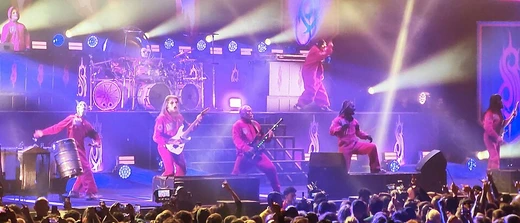
Brujeria (band)
American extreme metal band with Spanish lyrics and Mexican imagery.

Pattylandia · CC0
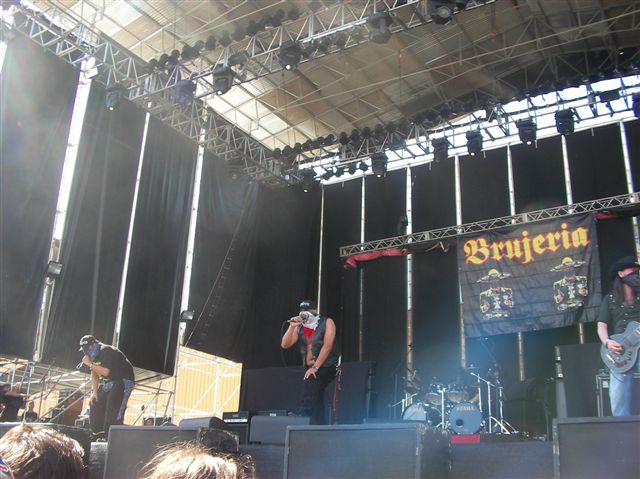
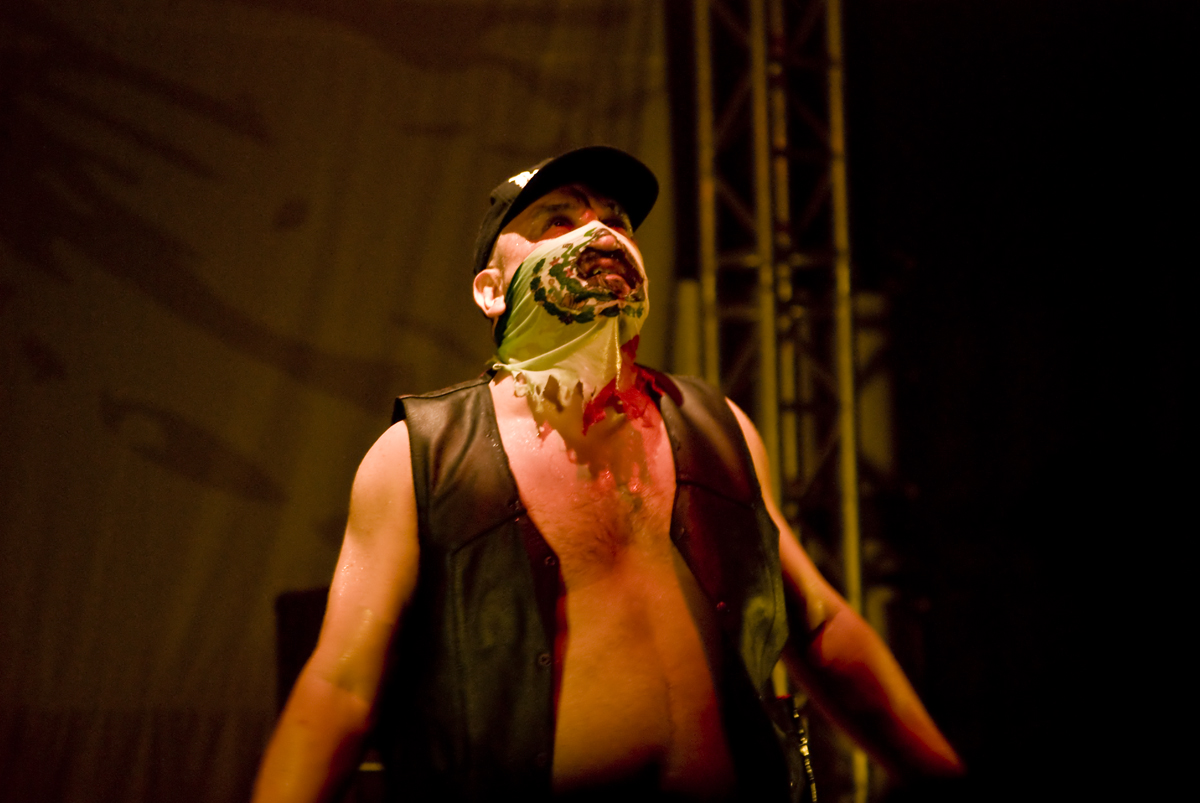
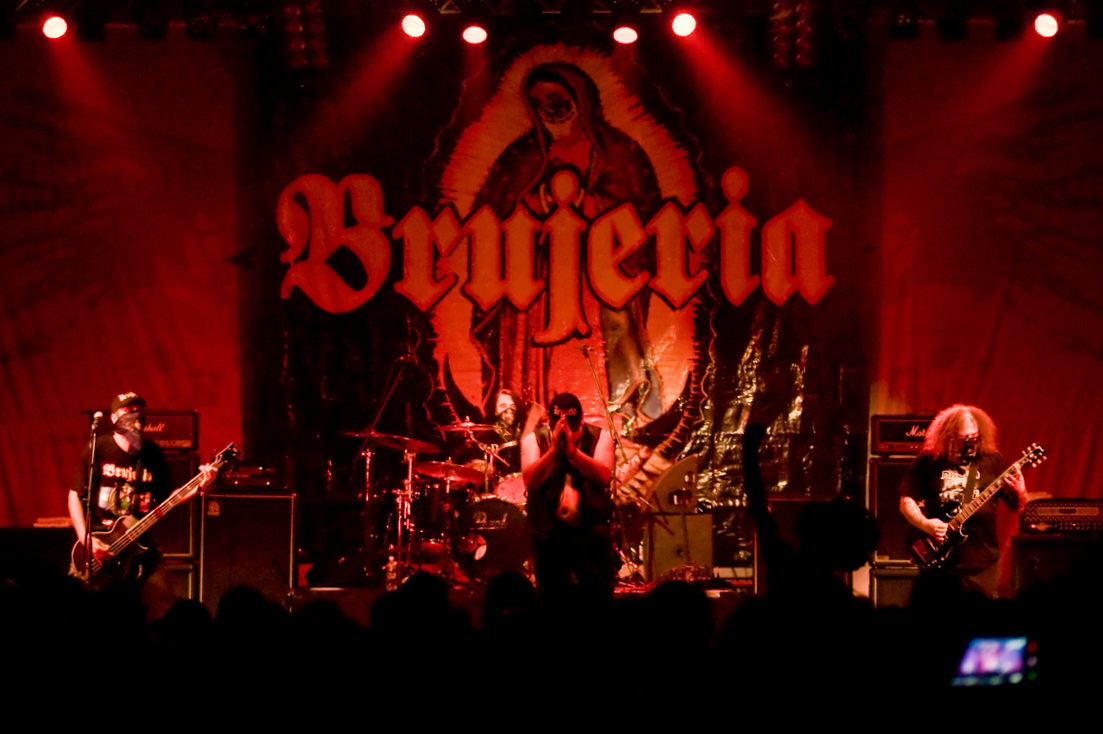
Brujeria is an American extreme metal band formed in Los Angeles, California in 1989. The band performs with Spanish lyrics addressing immigration, narcotics smuggling, and politics, and portrays Mexican imagery, with several members being Hispanic and Latino Americans. Their name derives from brujería, Spanish for 'witchcraft.' Members perform under pseudonyms and portray themselves as a Latino band of drug lords, concealing their identities due to being wanted by the FBI; in videos and photographs they wear bandanas, balaclavas, serapes, and often wield machetes.
Quick Facts
- Origin
- Los Angeles, California, U.S.
- Genre
- Death metal / grindcore / groove metal
- Years Active
- 1989–present
- Label
- Alternative Tentacles / Koolarrow / Roadrunner / Nuclear Blast
- Current Members
- Fantasma / Hongo / El Sangrón / El Criminal / La Bruja Encabronada · Zangano / El Sativo
Facts from the source article.
Lore & Background
Brujeria was formed at a party in 1989 to create a grindcore and death metal band representative of the Latino/Chicano community. Their first single, '¡Demoniaco!', was released in 1990, followed by 'Machetazos' in 1992, which saw the first line-up change: Pinche Peach joined as additional vocalist, and Raymond Herrera took over drums. Both 'Machetazos' and 'El Patrón' (1994) were produced and distributed through Jello Biafra's label Alternative Tentacles, though Biafra himself never performed on any Brujeria release. The band faced criticism from its inception for lyrics about drugs, sex, and Satanism, inspired by the actions of Adolfo Constanzo, a Cuban-American-born Mexican drug smuggler, practitioner of Palo Mayombe, and serial killer.
Controversy erupted with the cover of their first album Matando Güeros (1993), featuring a severed head held by a hand; the image became the band's mascot, El Coco Loco. The severed head was from a photo of a drug dealer taken from a Mexican publication. The album added Shane Embury on bass. Their second full-length, Raza Odiada (1995), featured the single 'La Ley De Plomo,' whose music video aired late at night on MTV heavy metal shows. The band remained anonymous and declined most concert offers. In 2000, Brujerizmo was released, featuring Jesse Pintado on guitar and Gaby Dominguez as female vocalist 'Pititis.' After a hiatus due to altercations between Cazares and Herrera related to the temporary breakup of Fear Factory, the band reformed in 2007 and resumed touring.
Reader's Guide
Brujeria's significance lies in its fusion of extreme metal with Latino/Chicano identity and political commentary, using Spanish lyrics to address immigration, drug smuggling, and corruption. The band's deliberate anonymity and portrayal as wanted drug lords created a mystique that set them apart in the metal scene. Their early refusal to perform live, followed by eventual tours including the Mexecutioner Tour and appearances at festivals like Vive Latino and Viña Rock, built a cult following. The band's imagery—bandanas, balaclavas, serapes, and machetes—and mascot El Coco Loco became iconic. Despite internal conflicts and member departures, Brujeria maintained a consistent thematic focus, influencing later Latin American metal acts. Their legacy includes a discography spanning from Matando Güeros to Brujerizmo, and compilations like Mextremist! Greatest Hits, which preserved rare tracks and remixes. The band's use of pseudonyms and refusal to fully reveal identities contributed to their enduring underground reputation.
Did You Know?
- Brujeria's name derives from the Spanish word 'brujería,' meaning 'witchcraft.'
- The severed head on the cover of Matando Güeros (1993) was taken from a Mexican publication and became the band's mascot, El Coco Loco.
- The band's first official concert was on June 11, 1997, at the Whisky a Go Go in Hollywood, later included on the EP Marijuana.
- Brujeria's music video for 'La Ley De Plomo' aired on MTV late at night on heavy metal shows.
Founding Vision & Theatrical Identity
Brujeria was born in 1989 at a party in Los Angeles, conceived as a grindcore and death metal outlet for the Latino and Chicano community. From the very start, the group operated under a carefully constructed persona: members performed behind pseudonyms, presenting themselves as a crew of drug lords supposedly wanted by the FBI. This theatrical anonymity allowed musicians who were simultaneously active in other well-known bands—guitarist Dino Cazares, vocalist Jello Biafra, bassist Billy Gould, and drummer Pat Hoed—to participate without exposing their real identities. The band's name itself, drawn from the Spanish word brujería meaning witchcraft, anchored their aesthetic in Mexican cultural imagery. In photographs and promotional materials, members appeared wrapped in bandanas, balaclavas, and serapes, frequently brandishing machetes. This visual vocabulary, combined with Spanish-language lyrics addressing immigration, narcotics trafficking, and politics, created a distinct identity that set them apart from the broader extreme metal scene.
Sonic Evolution Across the Discography
Their catalog traces a clear arc from raw early experiments to more refined compositions. The 1990 single ¡Demoniaco! and the 1992 release Machetazos established the foundational sound, both produced and distributed through Jello Biafra's Alternative Tentacles label. A significant shift arrived with the 1993 debut album Matando Güeros, which added Shane Embury on guitar and bass and introduced the band's iconic severed-head mascot, El Coco Loco. By 1995's Raza Odiada, many listeners and critics recognized a marked evolution in the music's structure and intensity, with the single "La Ley De Plomo" earning late-night airplay on MTV's heavy metal programming. The 1999 compilation Spanglish 101, a Kool Arrow Records project protesting English-language dominance, showcased the group's willingness to experiment, including a techno-dance cover of Magazine 60's "Don Quixote." Five years after their last full-length, 2000's Brujerizmo brought new members Nick Barker on second drums, Jesse Pintado on guitar, and vocalist Gaby Dominguez as "Pititis," a female demon character, signaling yet another chapter in their sonic identity.
Controversy, Iconography & Cultural Provocation
From the moment they emerged, Brujeria attracted criticism for lyrical content centered on narcotics, sexuality, and Satanic imagery. These themes, while common in death metal broadly, were specifically inspired by the real-life actions of Adolfo Constanzo, a Cuban-American-born Mexican drug smuggler, Palo Mayombe practitioner, and serial killer. The 1993 album Matando Güeros intensified the controversy with its cover art depicting a severed head held aloft by a hand—a photograph originally sourced from a Mexican publication showing a drug dealer. That image evolved into the band's enduring mascot, El Coco Loco, a term from Mexican slang meaning a mad or crazy bogeyman, and became a staple across album artwork and merchandise. The group's deliberate refusal to appear publicly or perform live for years deepened the mystique, frustrating fans desperate to see them in concert. Their 1999 participation in Spanglish 101, a compilation explicitly challenging the dominance of English in music, further cemented their role as cultural provocateurs operating at the intersection of extreme metal and Latino identity.
Breaking the Anonymity & Later Ventures
Despite growing popularity, Brujeria famously declined concert offers for most of their career, maintaining their anonymous drug-lord persona. Their first known live appearance came on June 11, 1997, at the Whisky a Go Go in Hollywood—a brief set later included as a bonus side on the EP Marijuana, which also featured a cover-parody of "The Macarena." Their first official concert followed on October 2, 2003, in Chicago, launching The Mexecutioner Tour that concluded in Guadalajara, Mexico, on January 24, 2004. This marked a turning point: with Nick Barker behind the drums, the band embraced interviews and touring for the first time, followed by a second outing dubbed "Tour II." However, 2002 had already seen internal friction between Cazares and Herrera over the temporary breakup of Fear Factory, leading to Herrera's departure. The group pivoted toward side projects, including Asesino featuring Tony Campos and Emilio Marquez, and Corridos de Muerte. A homemade DVD titled "Permission of Satan," produced by Juan Brujo and Henry, documented the Asesino recording sessions and early tour footage, including appearances by Wee Man Jason Acuña and Satanico Army Band.
Gallery
Frequently Asked Questions
Who is Brujeria?
Brujeria is an American extreme metal band that formed in Los Angeles, California in 1989. They perform with Spanish-language lyrics and heavy Mexican cultural imagery, and several members identify as Hispanic or Latino American.
What does the name Brujeria mean?
The name comes from the Spanish word brujería, which translates to witchcraft. It suits the band's theatrical persona as a group of masked, machete-wielding Latino drug lords.
Why do Brujeria members wear balaclavas and bandanas?
The group's backstory claims its members are wanted by the FBI, so they hide their real faces behind masks, bandanas, serapes, and balaclavas. This disguise is a central part of their visual identity in photos and music videos.
What topics do Brujeria's lyrics cover?
Their Spanish-language songs deal with immigration, narcotics smuggling, and political issues, all framed through a Mexican cultural lens. These themes reinforce the band's fictional drug-lord narrative.
Who are some notable members of Brujeria?
Musicians who have been part of the band include Dino Cazares, Juan Brujo, Raymond Herrera, Shane Embury, Jeff Walker, Tony Campos, and Jesse Pintado. All members perform under pseudonyms rather than their real names as part of the group's fictional lore.
More in American groove metal musical groups 1-24
Spotted an error? Know more?
Reader corrections go straight into our review queue. Suggest an edit · How this site is sourced