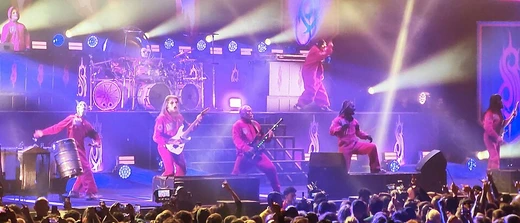
Anthrax (American band)
American thrash metal band, part of the 'Big Four'.

© Markus Felix ( talk to me ) · CC BY-SA 3.0
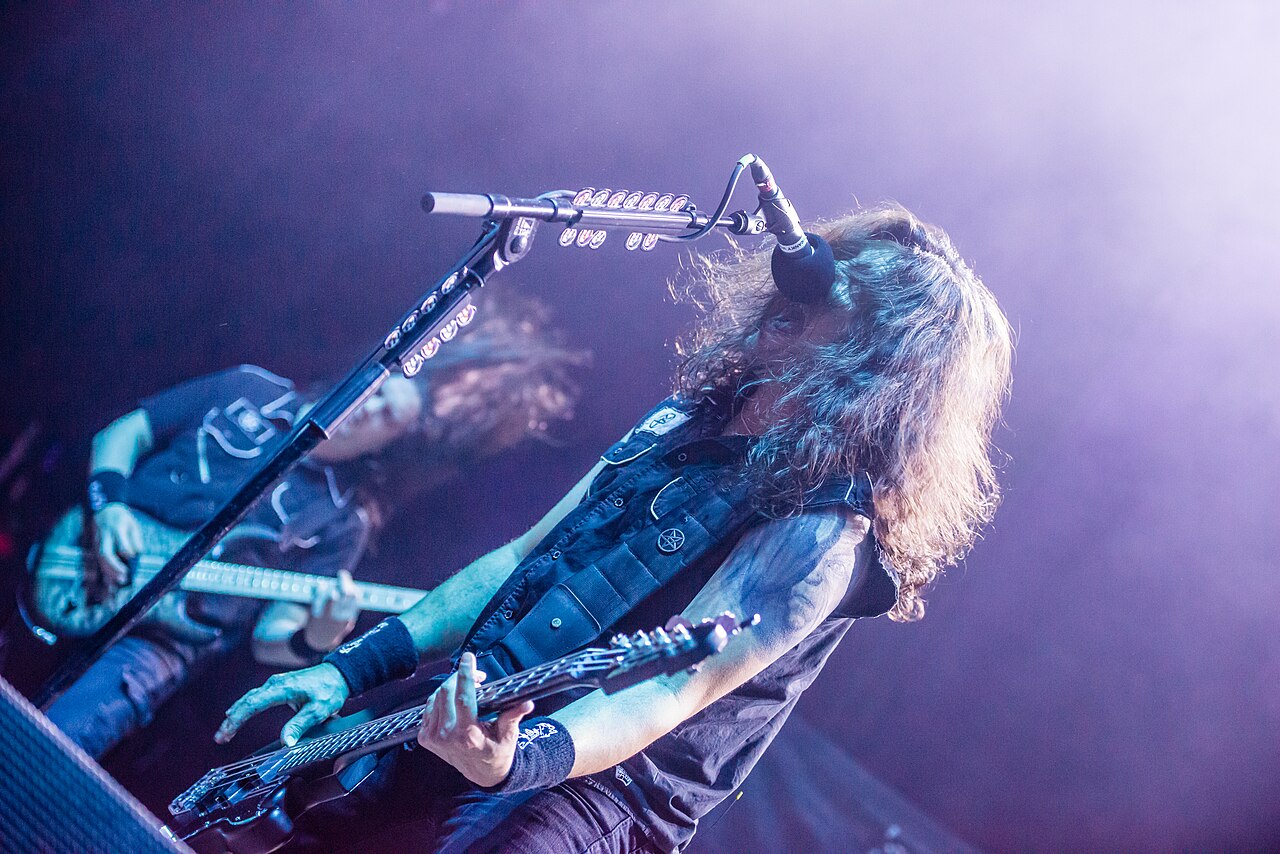
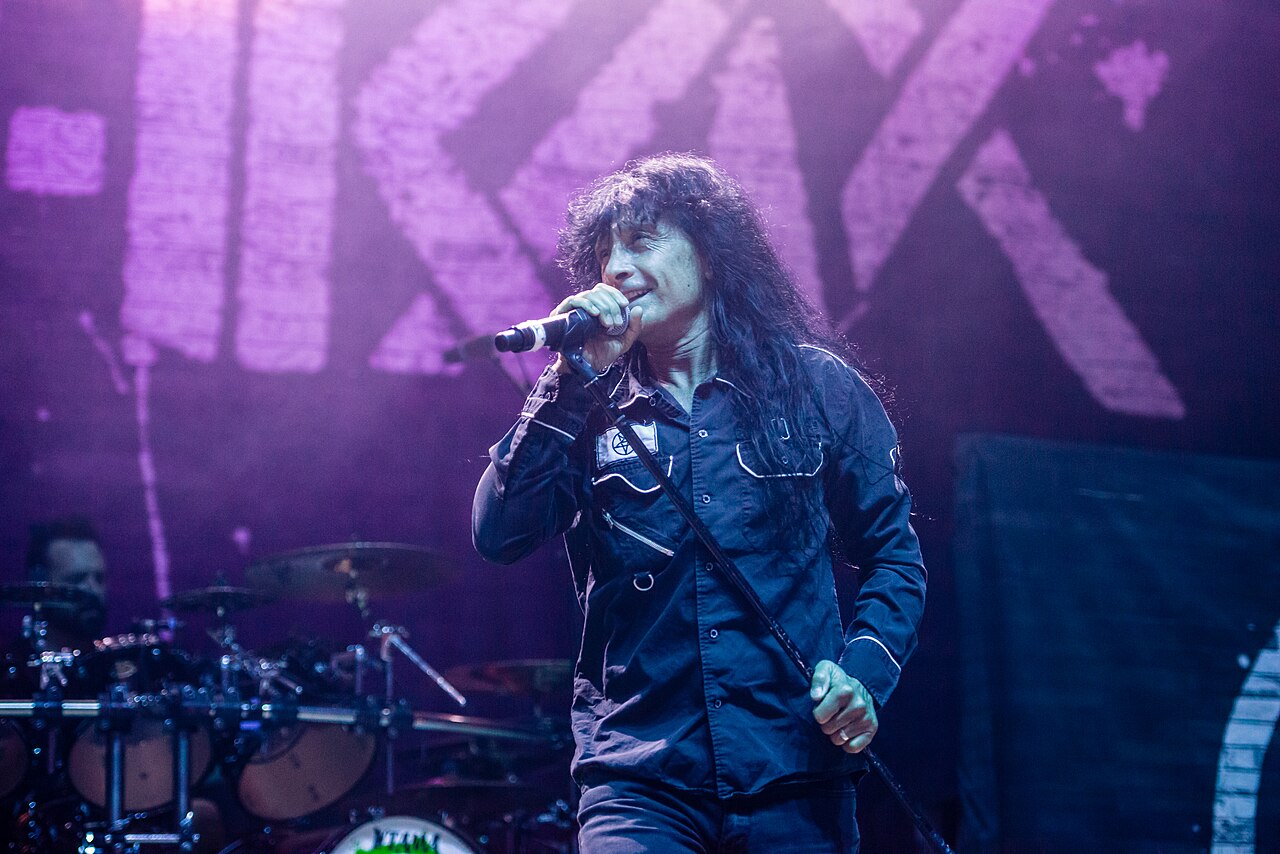
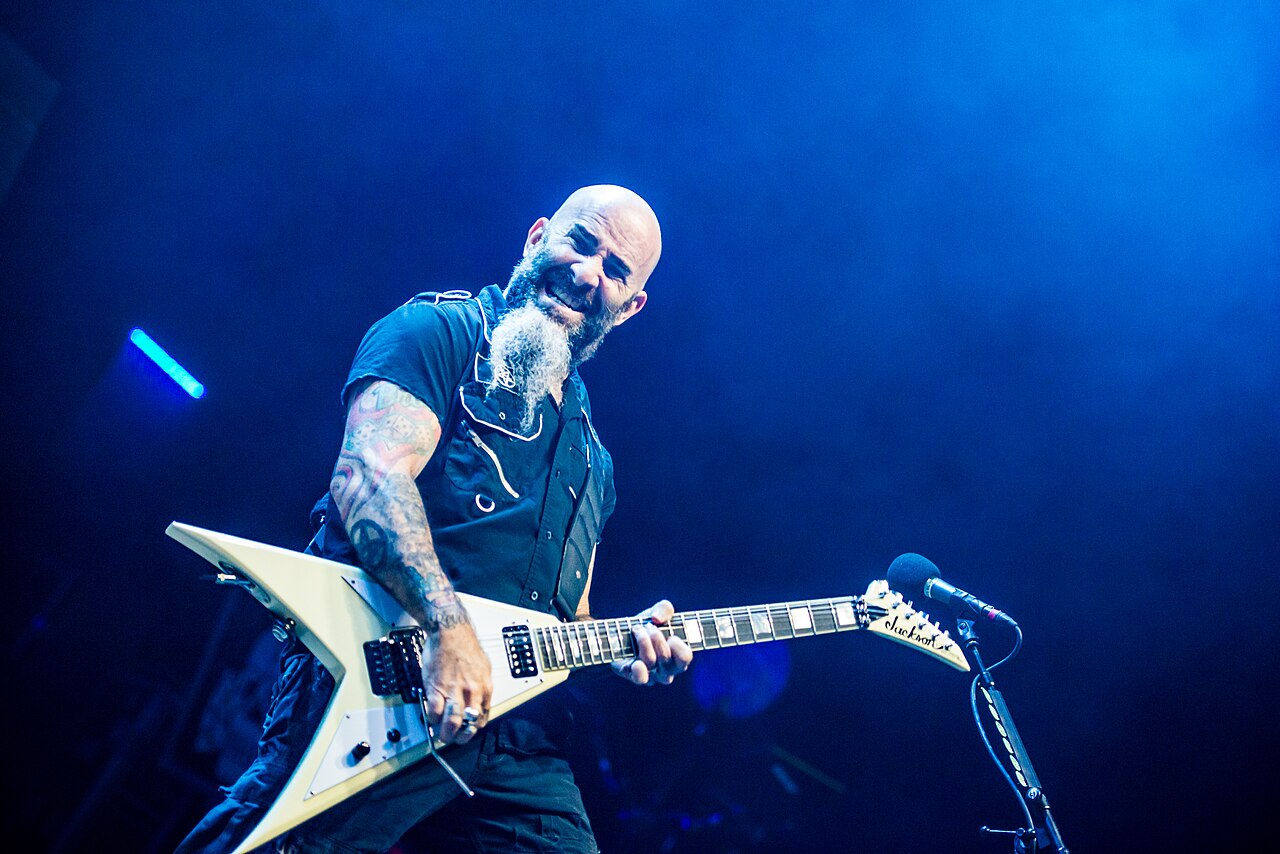
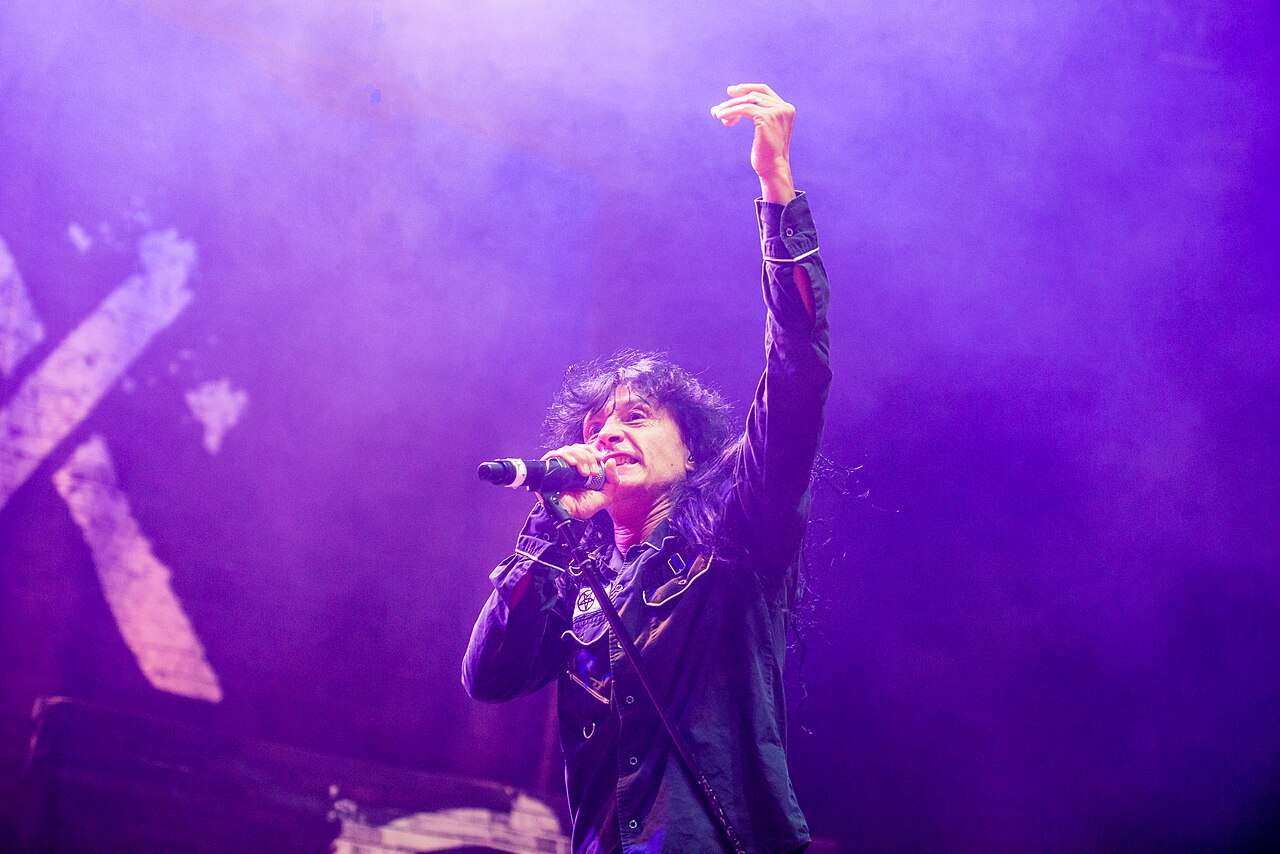
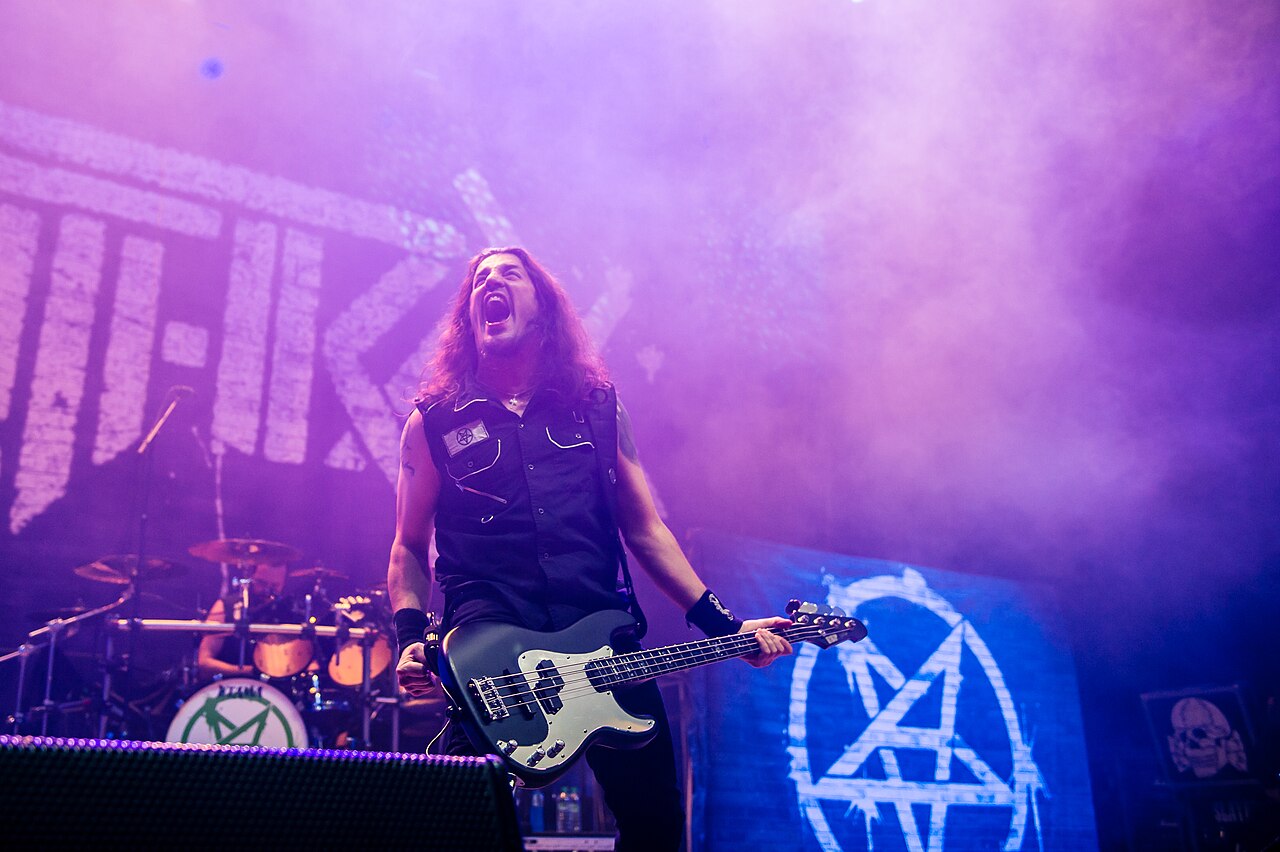
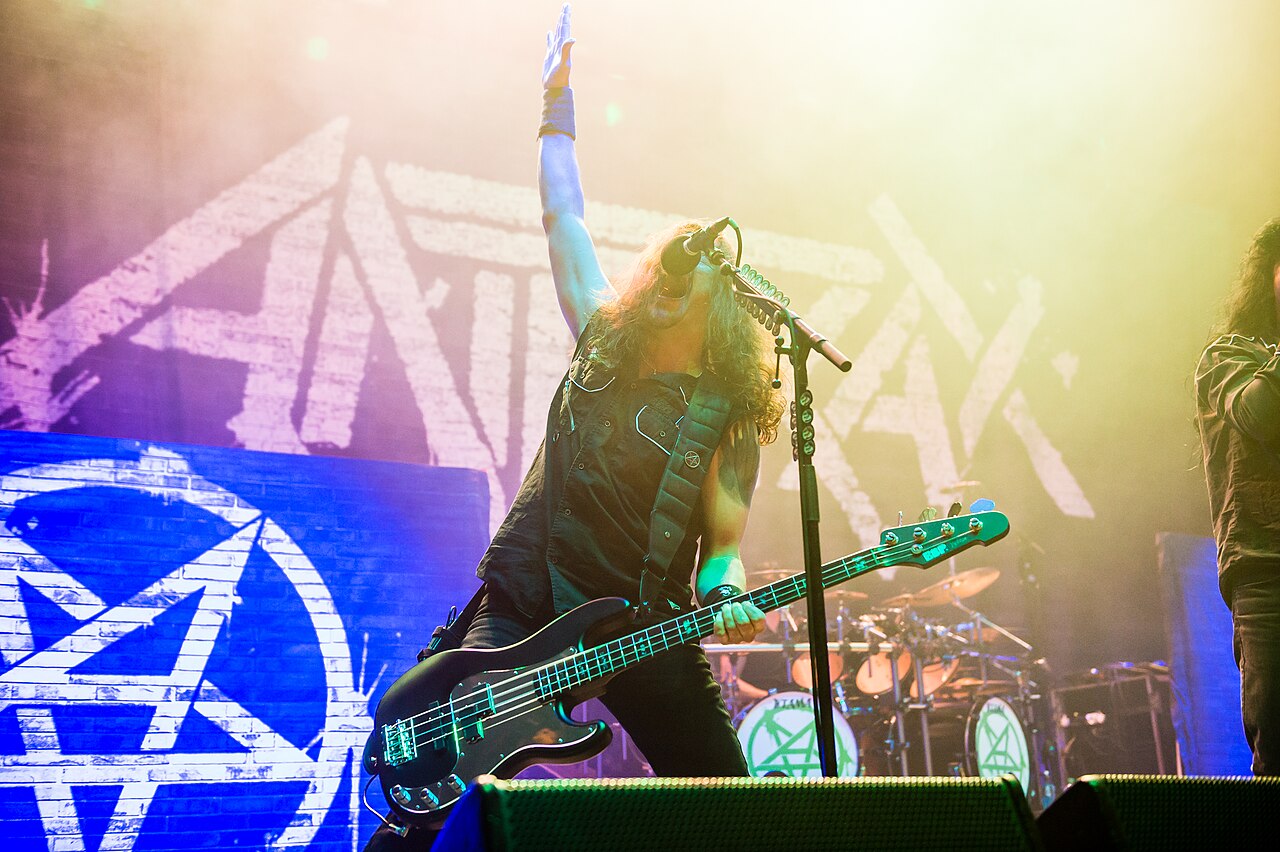
Anthrax is a thrash metal band that started in New York City in 1981, founded by rhythm guitarist Scott Ian and bassist Dan Lilker. Alongside Metallica, Megadeth, and Slayer, they are counted among the genre's "Big Four" and were early East Coast thrash acts, alongside Overkill and Nuclear Assault. The current members are Ian, drummer Charlie Benante, bassist Frank Bello, vocalist Joey Belladonna, and lead guitarist Jonathan Donais. Ian is the only person who has been in the band for its entire run; Benante (who took over from Dave Weiss in 1983) and Ian are the only two to play on every Anthrax album. Bello joined in 1984, replacing Lilker.
After several lineup changes, the band put out its first album, *Fistful of Metal* (1984), with singer Neil Turbin. Later that year, Joey Belladonna replaced Turbin, which stabilized the group. Their third album, *Among the Living* (1987), brought them mainstream attention and is often called one of the best thrash metal records ever. The follow-ups *State of Euphoria* (1988) and *Persistence of Time* (1990) built on that success, with the latter earning Anthrax its first Grammy nomination. In 1992, the band signed with Elektra Records for $10 million, and Belladonna left, replaced by John Bush of Armored Saint. Bush's first album with them, *Sound of White Noise* (1993), hit number seven on the Billboard 200—their highest chart position—and included the radio hit "Only." Later albums with Bush did not do as well commercially or critically. After *Stomp 442* (1995), Elektra stopped promoting the band, and *Volume 8: The Threat is Real* (1998) was hurt by its label going bankrupt.
Bush left in 2005, and Anthrax reunited with Belladonna and lead guitarist Dan Spitz. After Belladonna and Spitz left in 2007, the band brought in singer Dan Nelson and started work on a new album, but Nelson was gone by 2009. A short reunion with Bush followed, then Belladonna returned for a third time in 2010. Their first studio album in eight years, and the first with Belladonna in 21 years, *Worship Music* (2011), was a critical and commercial success, reaching number twelve on the Billboard 200. Their most recent album, *For All Kings*, came out in 2016. A twelfth studio album, *Cursum Perficio*, is expected in 2026.
Quick Facts
- Origin
- Queens, New York City, U.S.
- Genre
- Thrash metal / speed metal / groove metal / alternative metal
- Works
- Discography
- Years Active
- 1981–present
- Label
- Megaforce / Island / Elektra / Ignition / Tommy Boy / Beyond / Sanctuary / Nuclear Blast
- Spinoffs
- Stormtroopers of Death
- Current Members
- Scott Ian / Charlie Benante / Frank Bello / Joey Belladonna / Jonathan Donais
Facts from the source article.
Lore & Background
Anthrax was formed in Queens, New York City, on July 18, 1981, by guitarists Scott Ian and Dan Lilker, with Ian's friend Dave Weiss on drums. The band was named after the disease of the same name which Ian saw in a biology textbook, chosen because it sounded 'sufficiently evil'. After cycling through a number of members, Anthrax released their debut album, Fistful of Metal (1984), with singer Neil Turbin. Turbin was replaced by Joey Belladonna later that year, stabilizing the band's lineup. Anthrax's third album Among the Living (1987) brought the band mainstream success for the first time and is recognized as one of the greatest thrash metal albums.
Reader's Guide
Anthrax is significant as one of the foundational acts of thrash metal, particularly as a leading East Coast band alongside Overkill and Nuclear Assault. Their inclusion in the 'Big Four' alongside Metallica, Megadeth, and Slayer underscores their influence on the genre. The band's third album, Among the Living (1987), is widely regarded as a classic thrash metal album and brought them mainstream success. Anthrax also achieved commercial milestones: four of their studio albums (Among the Living, State of Euphoria, Persistence of Time, and Sound of White Noise) earned gold certifications from the RIAA. Their 1993 album Sound of White Noise, featuring vocalist John Bush, reached number seven on the Billboard 200, their highest chart position. According to Nielsen SoundScan, Anthrax sold 2.5 million records in the United States from 1991 to 2004, with total worldwide sales of ten million. The band's longevity, with Scott Ian as the only constant member, and their ability to adapt through multiple lineup changes, including the return of Joey Belladonna in 2010, have kept them relevant in heavy metal.
Did You Know?
- Anthrax was named after the disease of the same name, chosen because it sounded 'sufficiently evil'.
- The band's 1993 album Sound of White Noise reached number seven on the Billboard 200, their greatest chart success.
- Four of Anthrax's studio albums have achieved gold certifications by the RIAA.
- Anthrax collaborated on a single with American hip hop group Public Enemy.
The Groove Metal Shift
Anthrax, long established as a thrash metal act, underwent a significant sonic evolution during the period spanning 1992 to 2005, a stretch defined by the tenure of vocalist John Bush. During this era, the band's output is specifically cited by music historians as a prime example of veteran thrash groups pivoting toward the groove metal aesthetic. This was not an isolated move; Anthrax joined a wave of established thrash acts—including Sacred Reich, Overkill, Coroner, Testament, Forbidden, Kreator, and Annihilator—who all released records in the early-to-mid 1990s that embraced slower, more rhythmically driven compositions. The genre they were moving into had been codified by Pantera's 1990 album Cowboys from Hell and further popularized by White Zombie and Machine Head throughout the decade. For Anthrax, the John Bush years represented a deliberate embrace of the bouncy, groove-centric approach that was reshaping heavy metal's commercial landscape, positioning the band squarely within the second wave of groove metal adoption by previously thrash-oriented groups.
Defining the Sound
The groove metal aesthetic that shaped Anthrax's John Bush-era recordings was built on a specific set of musical principles. Rather than the blistering speed that characterized traditional thrash, the genre favored slower tempos and bouncy, unconventional rhythmic patterns in the guitar work. Music journalist Gary Graff identified hardcore punk as an integral influence on the sound, while Loudwire emphasized that groove metal resists rigid genre boundaries, freely incorporating elements from industrial, death metal, nu-metal, and hardcore. This fluidity meant that a band like Anthrax could draw on multiple sonic traditions without being confined to a single category. The genre's roots stretched back to New Orleans' Exhorder, whose 1986 demo blended hardcore punk, metal, jazz, funk, blues, and even Mardi Gras music, and to New York's Prong, who slowed their crossover thrash tempos and layered in heavier percussion on their 1990 album Beg to Differ. These foundational elements—rhythmic emphasis, genre-blending, and a punk-informed aggression—formed the sonic vocabulary that Anthrax and their thrash-metal contemporaries were adapting in the early 1990s.
Among the Pioneers
The groove metal landscape into which Anthrax evolved during the John Bush years was built upon a foundation laid by several pioneering acts in the late 1980s. Exhorder, formed in New Orleans in 1985, recorded their first demo in the summer of 1986 with a style drawing on hardcore punk, metal, jazz, funk, blues, and Mardi Gras music, immediately influencing the local scene and serving as a live support act for future sludge metal bands like Eyehategod, Soilent Green, and Crowbar. Prong emerged from the New York hardcore scene, originally playing crossover thrash before slowing their tempos on Beg to Differ in 1990. Bad Brains' post-1987 output, particularly Quickness (1989), is also credited by multiple writers as helping to pioneer the genre. By the time Anthrax was shaping their groove-oriented records in the early 1990s, the genre had already been commercially validated by Pantera's Cowboys from Hell, White Zombie's mid-1990s platinum-selling albums, and Machine Head's Burn My Eyes (1994). Anthrax's transition placed them in direct conversation with this lineage of groove-driven heavy music.
Lasting Influence
The groove metal movement that Anthrax helped define during their 1992-to-2005 John Bush era proved to be a generative force far beyond its original practitioners. The genre became a critical influence on the development of the new wave of American heavy metal, nu metal, and metalcore, three movements that would dominate the late 1990s and 2000s. In the 2000s, a second wave of groove metal bands emerged, including Lamb of God, Chimaira, DevilDriver, and Five Finger Death Punch, the latter of which became one of the most commercially successful groups in the style. The genre's momentum carried into the 2010s with acts like Killer Be Killed and Bad Wolves. Even the tragic story of Damageplan—founded in 2003 by Dimebag Darrell and Vinnie Paul just before Pantera's breakup, releasing one album before Darrell's murder at a live show in December 2004—underscores how deeply groove metal had embedded itself in the heavy music landscape. Anthrax's groove-era work thus sits at a pivotal junction in a lineage that continues to shape heavy music decades later.
Gallery
Frequently Asked Questions
Who is Anthrax (American band)?
Anthrax is an American thrash metal band that formed in New York City in 1981, founded by rhythm guitarist Scott Ian and bassist Dan Lilker. They are universally recognized as one of the genre's 'Big Four' alongside Metallica, Megadeth, and Slayer.
What is Anthrax (American band)'s role in metal history?
As a pioneering East Coast thrash act, Anthrax helped prove the genre could thrive beyond the West Coast scene that dominated the early 1980s. Their punk-tinged energy and New York attitude gave thrash metal a distinctly regional flavor that set them apart from their West Coast peers.
Why is Anthrax (American band) important to metal fans?
Anthrax cemented the East Coast as a legitimate home for thrash metal, breaking the West Coast monopoly on the genre. Their inclusion in the 'Big Four' cements their status as a foundational pillar of 1980s extreme metal.
Who are Anthrax (American band)'s current members?
The present-day lineup is Scott Ian on rhythm guitar, Charlie Benante on drums, Frank Bello on bass, Joey Belladonna on vocals, and Jonathan Donais on lead guitar. Ian and Benante are the only two to have appeared on every Anthrax recording to date.
More in American groove metal musical groups 1-24
Spotted an error? Know more?
Reader corrections go straight into our review queue. Suggest an edit · How this site is sourced