Biohazard (band)
Early fusion of hardcore punk, metal, and hip hop.

S. Bollmann · CC BY-SA 4.0
Biohazard is a hardcore band from Brooklyn, New York, that started in 1987. They were among the first to mix hardcore punk, heavy metal, and hip hop. The first members were bassist and vocalist Evan Seinfeld, guitarist Bobby Hambel, and drummer Anthony Meo. Billy Graziadei, who also sang and played guitar, joined shortly after. Before their first album came out, Danny Schuler took over on drums from Meo, locking in the group’s core lineup from 1988 to 1995.
After many lineup shifts, a breakup, a reunion in 2008, and a six-year hiatus from 2016 to 2022, the classic four—Seinfeld, Graziadei, Hambel, and Schuler—got back together in 2022 and started performing again in 2023.
The band formed in Brooklyn in 1987. Their first demo, from 1988, sparked controversy when journalists accused some lyrics of promoting fascist and white supremacist ideas, ignoring that frontman Seinfeld is Jewish. Biohazard denied the racism claims, but later Seinfeld and Graziadei said it was a publicity stunt to win over the band Carnivore and their fans. Seinfeld also argued that songs like "Master Race" and "America" used metaphors to grab listeners’ attention, insisting the band was never racist. After that first demo, Anthony Meo left, and Danny Schuler joined. A second demo came out in 1989.
Though Biohazard didn’t call themselves a hardcore band, they played alongside New York hardcore acts like the Cro-Mags and Agnostic Front. They also shared bills with New Jersey’s Mucky Pup, becoming friends with them.
Their self-titled debut album dropped in June 1990 on Maze Records. Despite weak promotion, it sold 23,000 copies in the US by 1994 and about 40,000 by 2001. The lyrics focused on Brooklyn, gang wars, drugs, and violence. A year after the album, Seinfeld and Graziadei sang on the song "Three Dead Gophers" from Mucky Pup’s third album, *Now*, released on Roadrunner Records—the label that would soon put out Biohazard’s second album.
In 1992, Biohazard signed with Roadrunner and released *Urban Discipline*, which earned them national and worldwide attention in both heavy metal and hardcore circles. They started opening for bigger acts like House of Pain, Sick of It All, Fishbone, and Kyuss. In 1993, the hardcore rap group Onyx made an alternate "Bionyx" version of their hit "Slam" with Biohazard as their backing band.
Quick Facts
- Landscape
- yes
- Origin
- New York City, U.S.
- Genre
- Hardcore punk / rap metal / groove metal
- Works
- Discography
- Years Active
- 1987–2006 / 2008–2016 / 2022–present
- Label
- Maze · Magnetic Air · Roadrunner · Warner Bros. · Mercury · King · Sanctuary · SPV America · Nuclear Blast
- Spinoffs
- Suicide City, Powerflo
- Current Members
- Billy Graziadei / Bobby Hambel / Danny Schuler / Evan Seinfeld
- Past Members
- Anthony Meo / Rob Echeverria / Leo Curley / Carmine Vincent / Scott Roberts
Facts from the source article.
Lore & Background
Biohazard formed in Brooklyn in 1987. Their first demo, released in 1988, caused a stir with journalists who felt that some of the band's lyrics displayed fascist and white supremacist views, overlooking the fact that frontman Seinfeld was himself Jewish. The accusations of racism in their music were denied by the group but in later interviews, Seinfeld and Graziadei explained that it had been a publicity stunt to win over the band Carnivore and their fans. After the release of the first demo, Anthony Meo left the band and drummer Danny Schuler replaced him. A second demo tape followed in 1989. Biohazard's self-titled debut album was released in June 1990 through Maze Records, and in spite of being poorly promoted, it went on to sell 23,000 copies in the US by 1994 and approximately 40,000 copies by 2001.
In 1992, Biohazard signed with Roadrunner Records and released Urban Discipline, which gave the band national and worldwide attention. In 1993, the hardcore rap group Onyx recorded an alternate 'Bionyx' version of their hit single 'Slam', with Biohazard as their backup band, leading to a collaboration on the title track of the Judgment Night soundtrack, which sold over two million copies in the United States. The band later signed with Warner Bros. Records and released State of the World Address, which sold over one million copies. This was the last Biohazard album with Bobby Hambel, who left due to differences with the rest of the band. After several lineup changes, a breakup, a 2008 reunion, and a seven-year period of inactivity, the classic lineup of Seinfeld, Graziadei, Hambel, and Schuler reunited in 2022 and began performing again in 2023.
Reader's Guide
Biohazard's significance lies in their pioneering fusion of hardcore punk, heavy metal, and hip hop, influencing both the metal and hardcore scenes. Their early career was marked by controversy over lyrics perceived as racist, which the band later described as a publicity stunt. Their collaboration with Onyx and contribution to the Judgment Night soundtrack brought them mainstream exposure and demonstrated the crossover potential of rap and metal. Despite internal conflicts and lineup changes, including the departure of founding guitarist Bobby Hambel, the band continued to release albums and tour internationally. Their 2022 reunion of the classic lineup underscores their enduring legacy as innovators in genre-blending heavy music.
Did You Know?
- Biohazard's first demo in 1988 sparked accusations of fascist and white supremacist lyrics, later explained by the band as a publicity stunt to win over fans of Carnivore.
- Frontman Evan Seinfeld is Jewish, which contradicted the racist interpretations of some lyrics.
- In 1993, Biohazard served as the backup band for Onyx's alternate version of 'Slam', titled 'Bionyx'.
Origins & Genre Pioneering
Biohazard emerged from Brooklyn in 1987, assembling a core trio of Evan Seinfeld on bass and vocals, Bobby Hambel on guitar, and Anthony Meo on drums. Billy Graziadei joined shortly after, and Danny Schuler replaced Meo before the band recorded their first full-length, locking in a four-piece that would define their sound from 1988 through 1995. What set them apart was a bold sonic marriage of hardcore punk aggression, heavy metal weight, and hip-hop cadence—a combination virtually unheard of in the late 1980s. Their 1988 debut demo immediately attracted controversy; journalists accused the lyrics of espousing fascist and white supremacist ideology, a charge the band flatly rejected. In later interviews, Seinfeld and Graziadei revealed the provocative language was deliberately calculated to court the fanbase of the band Carnivore, while Seinfeld himself, a Jewish musician, insisted tracks like "Master Race" and "America" were metaphors designed to provoke attention rather than promote hatred. Despite the band never labeling themselves a hardcore act, they regularly shared bills with New York hardcore stalwarts like the Cro-Mags and Agnostic Front, and forged a genuine friendship with New Jersey's Mucky Pup.
Mainstream Breakthrough & Peak
The early 1990s marked Biohazard's transformation from a Brooklyn underground act into a force recognized across heavy music. Signing with Roadrunner Records in 1992, they released Urban Discipline, which broke the band into national and international consciousness within both hardcore and metal circles. They began opening for major acts including House of Pain, Sick of It All, Fishbone, and Kyuss. A landmark moment came in 1993 when hardcore rap group Onyx recorded a "Bionyx" alternate version of their hit "Slam" with Biohazard serving as the live backup band, a collaboration that extended into the Judgment Night soundtrack, which ultimately surpassed two million U.S. sales. The band then moved to Warner Bros. Records, where Ed Stasium produced State of the World Address in Los Angeles. The LP featured singles like "Tales from the Hard Side" and "How It Is," the latter backed by Sen Dog of Cypress Hill. The album crossed one million copies sold, and the band headlined the second stage at Monsters of Rock at Castle Donington in 1994.
Turmoil, Label Conflicts & Side Projects
The mid-to-late 1990s brought significant internal and external upheaval. Bobby Hambel departed after State of the World Address due to creative differences, and the band recorded Mata Leão as a three-piece in 1996, enlisting former Helmet guitarist Rob Echeverria for touring duties. They played Ozzfest's mainstage alongside Ozzy Osbourne, Slayer, and Sepultura, and captured a European show in Hamburg for their first live album, No Holds Barred. Yet the commercial relationship with Mercury Records, which released 1999's New World Disorder, deteriorated rapidly; the band felt betrayed and severed ties amid the massive merger that folded Mercury, Island, Def Jam, and Polygram into Universal Music Group. In 2001, Echeverria left to get married, replaced by Leo Curley. The members also pursued parallel endeavors: Graziadei formed a brief trip-hop project called Blu with Jenifer Bair before it dissolved when she moved to Los Angeles, and began writing a book titled Tales From the Hardside. Schuler filled in as drummer for Among Thieves. Together, Graziadei and Schuler converted their Brooklyn rehearsal space into a digital recording studio they called Rat Piss Studios.
Reunion & Enduring Legacy
Biohazard's story is marked by cycles of dissolution and return. After a breakup and a brief 2008 reunion, the band entered a seven-year stretch of inactivity. In 2022, the original classic lineup—Seinfeld, Graziadei, Hambel, and Schuler—reunited, and they resumed performing live in 2023, a full three decades after they first took the stage in Brooklyn. Their trajectory from a controversial 1988 demo to million-selling albums, festival headlining slots, and cross-genre collaborations with artists like Sen Dog and Onyx underscores their role as one of the earliest and most influential acts to weld hardcore punk, heavy metal, and hip-hop into a single aggressive framework. The self-titled 1990 debut, released on Maze Records with minimal promotion, still accumulated roughly 40,000 U.S. sales by 2001, while State of the World Address crossed the million mark. Whether opening for Kyuss, sharing a stage with the Cro-Mags, or contributing vocals to Mucky Pup's "Three Dead Gophers," Biohazard consistently operated at the intersection of scenes that rarely overlapped, leaving a blueprint that subsequent hybrid acts have referenced for over thirty years.
Gallery
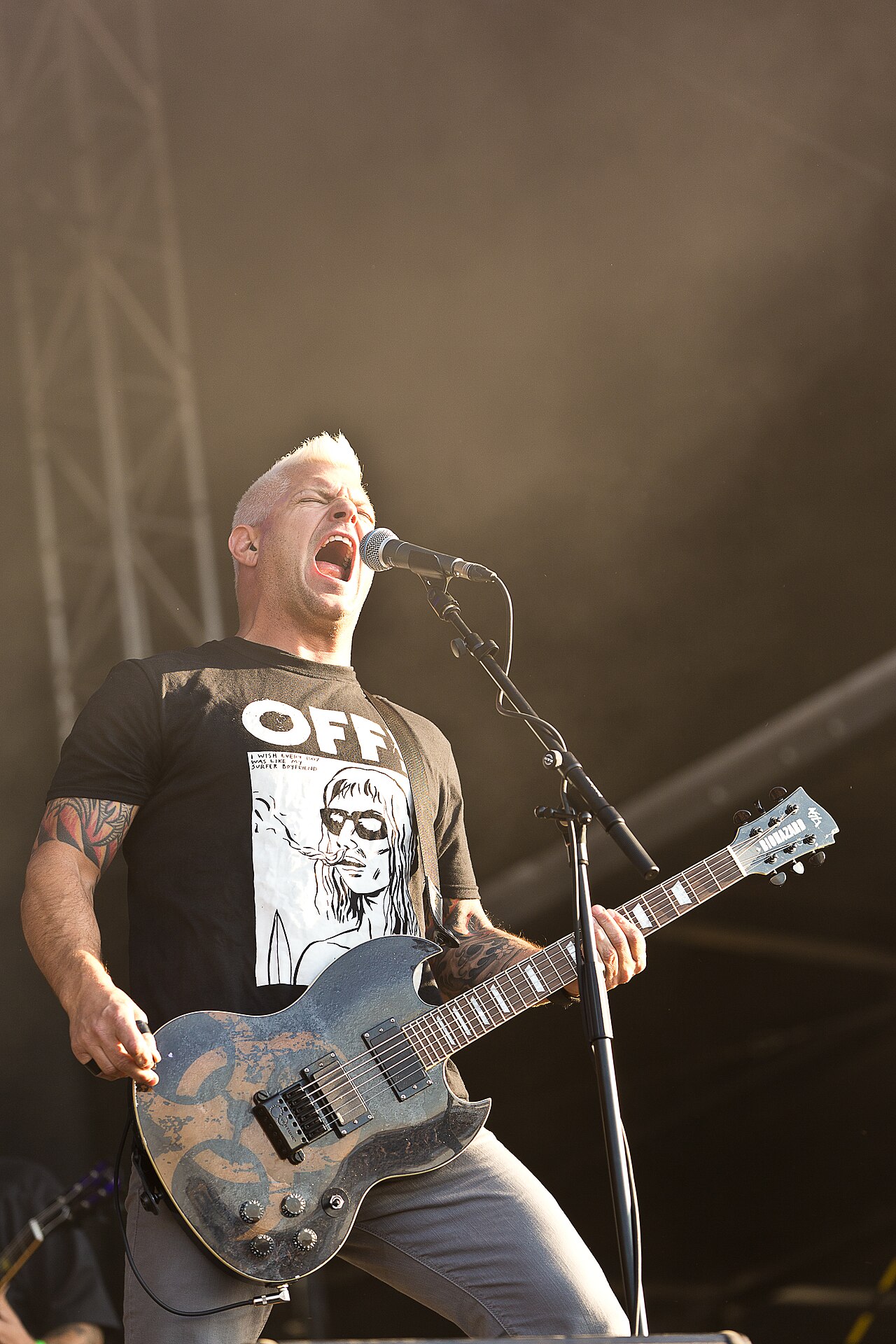
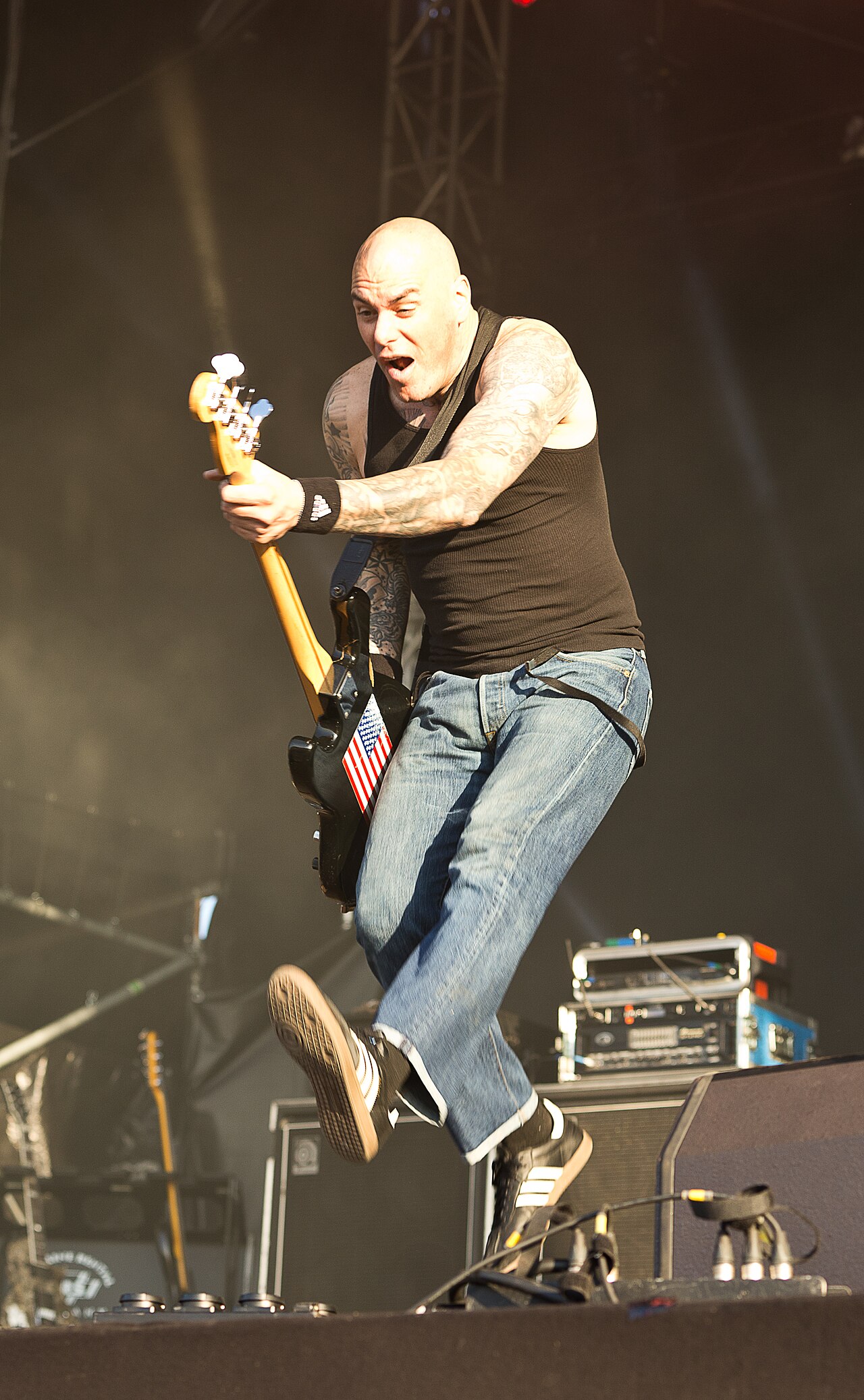
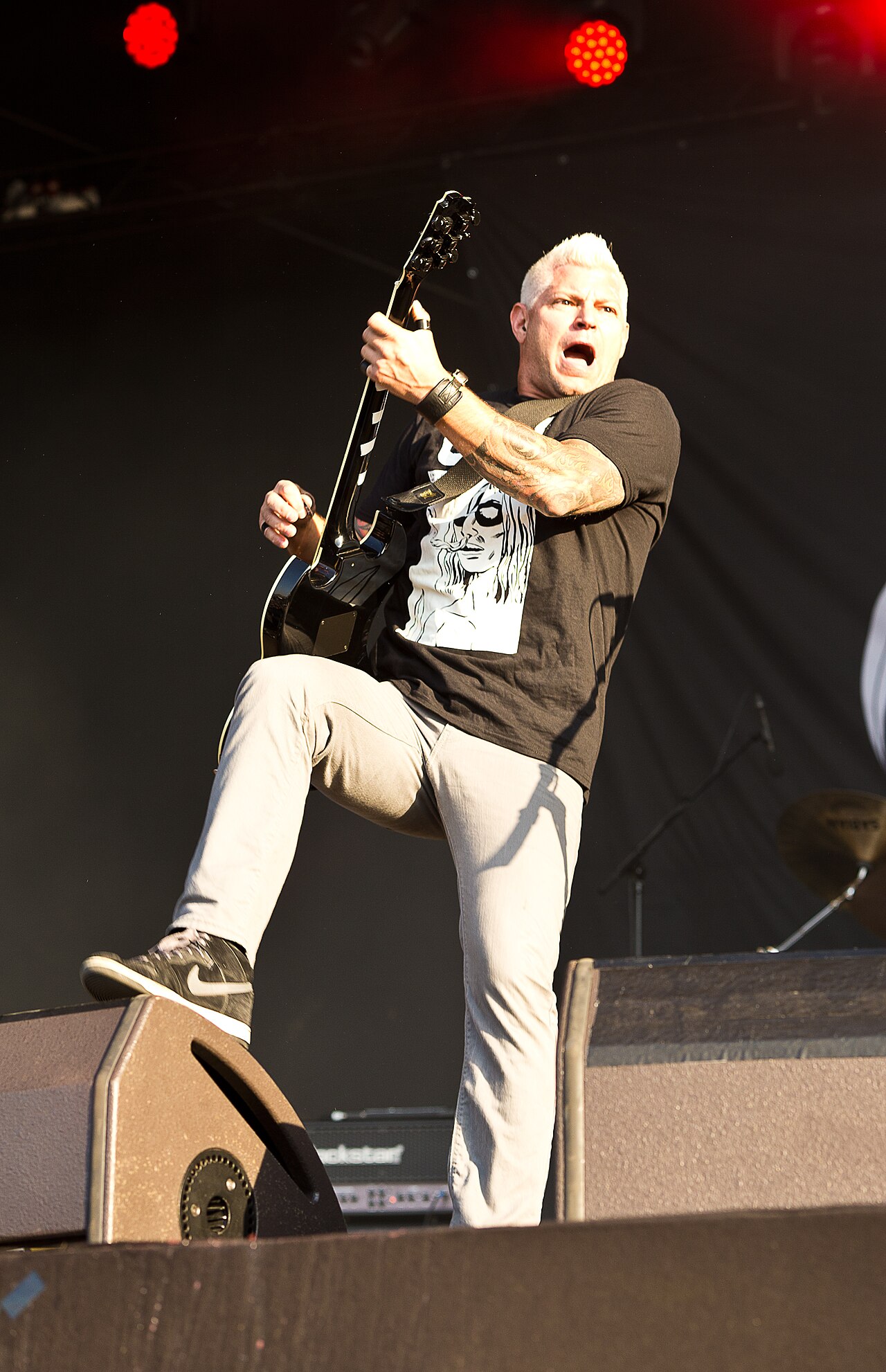
Frequently Asked Questions
Who is Biohazard?
Biohazard is a hardcore band that formed in Brooklyn, New York, in 1987. They are widely recognized as one of the earliest groups to blend hardcore punk, heavy metal, and hip-hop into a single sound.
Who are the core members of Biohazard?
The group was founded by bassist/vocalist Evan Seinfeld, guitarist Bobby Hambel, and drummer Anthony Meo, with Billy Graziadei joining shortly after on guitar and vocals. Danny Schuler replaced Meo behind the drums before their debut record, locking in the lineup that defined the band from 1988 through 1995.
What genre is Biohazard?
While often labeled hardcore, Biohazard's sound sits at a crossroads of hardcore punk, heavy metal, and hip-hop. This early fusion helped lay groundwork for what later became known as groove metal and nu-metal.
Did Biohazard break up and come back?
The band went through a breakup and then reunited in 2008, only to take a six-year hiatus between 2016 and 2022. They have been active again since 2022, with the classic four-piece of Seinfeld, Graziadei, Hambel, and Schuler back together.
Why is Biohazard important to groove metal?
By merging aggressive hardcore with metal riffs and hip-hop cadences in the late 1980s, they created a template that many later groove metal and nu-metal acts drew from. Their influence is often cited as a direct precursor to the genre's rise in the 1990s.
More in American groove metal musical groups 1-24
Spotted an error? Know more?
Reader corrections go straight into our review queue. Suggest an edit · How this site is sourced