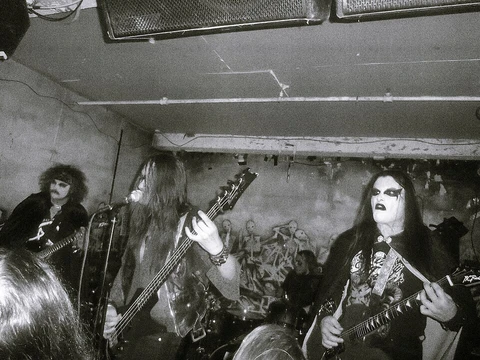
Demoncy
Early American black metal band formed by Ixithra in 1990.

Wikimedia Commons · Public domain
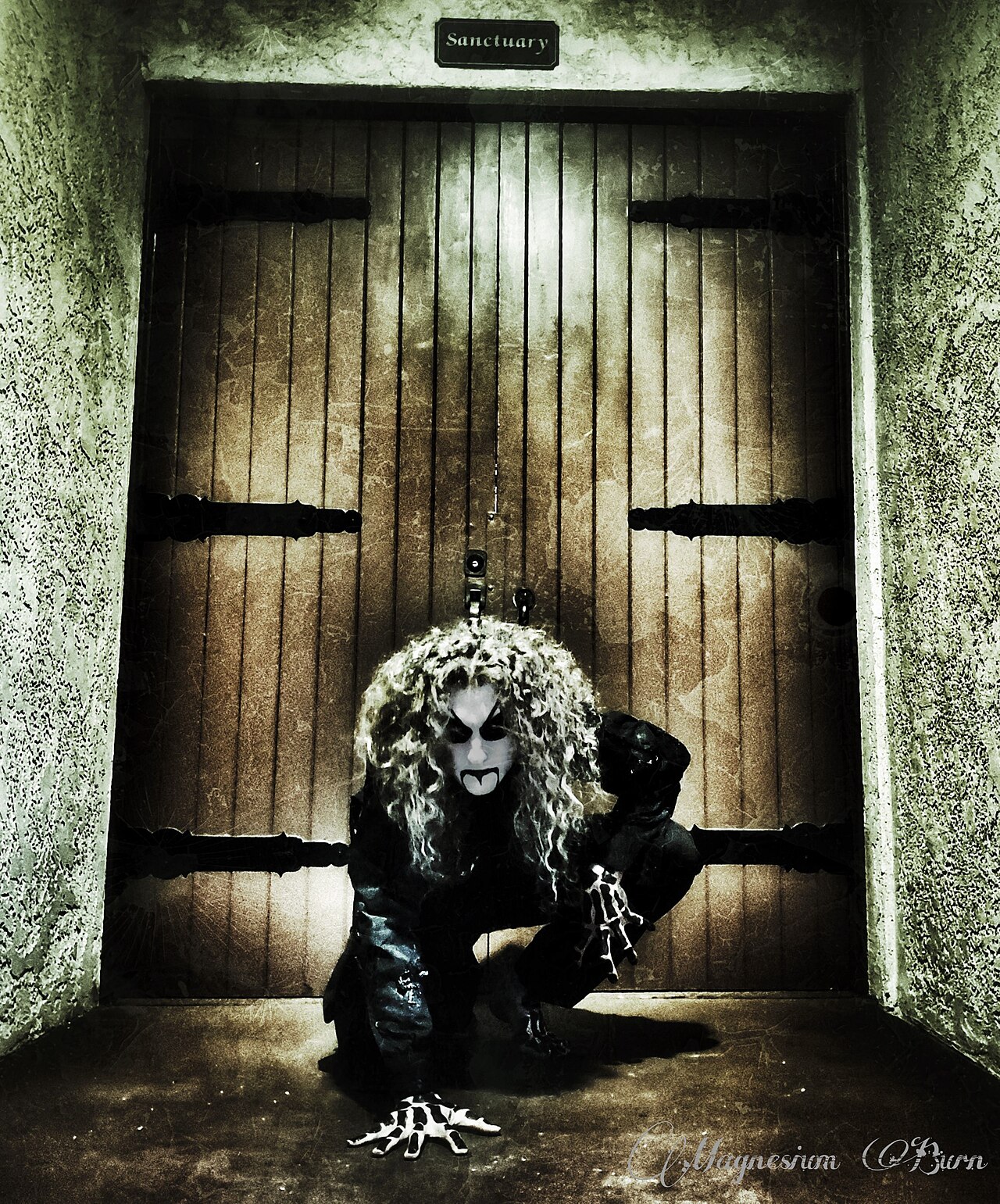
Demoncy is an American black metal band founded in 1990 in Sylva, North Carolina, by the musician Ixithra. The group is considered among the earliest American black metal acts.
Ixithra originally started Demoncy as a solo project, using it as a creative outlet for dark and skilled artistry. He has operated under several pseudonyms, including Wicked Warlock Of Demonic Blasphemy and Lord Of The Sylvan Shadows, and his music is described as both otherworldly and demonic. In 1992, Ixithra played bass on Profanatica's demo 'The Grand Masters'. Unconfirmed rumors suggest he may have destroyed the master tapes with an industrial magnet in a fit of rage, ending that collaboration and reforming Demoncy.
The 1999 release *Joined in Darkness* solidified the band’s place in black metal history, with some considering it a notable example of USBM. Demoncy subsequently toured the United States and Europe and performed at metal festivals. Over the band’s various lineups, Ixithra has fired entire band members on the spot for lacking professional musicianship and the necessary darkness for black metal.
Demoncy is credited as an early American black metal practitioner that forged its own path, distinct from the then-popular Norwegian black metal scene. The band avoids commercial appeal, focusing on occult mysteries and maintaining a pure darkness in its music. Lyrics center on occult and magical themes.
Current members are Ixithra, VJS, and Scorpios Androctonus. Former members include bassists Necreon, Neptersu, and Xelac; drummer Vorthrus; guitarists Aeldeost, Drathrul, Elsifer, Grymoreth, Maldis, and Zyuhlniv; lyricist Vetharanyn; and vocalists Diabolicus, Horidus, and Synvorlath.
The band’s studio albums are *Faustian Dawn* (1993 cassette, 1995 CD), *Within The Sylvan Realms Of Frost* (1999), *Joined in Darkness* (1999), *Empire Of The Fallen Angel* (2003), *Enthroned is the Night* (2012), and *Black Star Gnosis* (2023). Demos include *Impure Blessings (Dark Angel of the Four Wings)* (1991), *Hypocrisy of the Accursed Heavens* (1994), *Ascension of a Star Long Since Fallen* (1995), *The Dawn of Eternal Damnation* (1996), and *Commencement of the Dark Crusades* (1996). DVDs are *Demoncy Live* (2003) and *Gathering of Shadows* (2006).
- Formed
- 1990
- Origin
- Sylva, North Carolina, United States
- Field
- Black metal
- Known for
- Early American black metal, occult themes, distinct path from Norwegian black metal
Lore & Background
Demoncy began in 1990 as a solo project by Ixithra, intended as an outlet for darkness through skilled and creative art. Ixithra has used pseudonyms including Wicked Warlock Of Demonic Blasphemy and Lord Of The Sylvan Shadows. In 1992, he played bass on Profanatica's demo 'The Grand Masters'. An unverified story claims he destroyed the master tapes with an industrial magnet and terminated the relationship, reforming Demoncy. The 1999 release Joined in Darkness cemented the band's place in black metal history, regarded by some as a notable example of USBM. The band toured the US and Europe and appeared at metal festivals. Ixithra has fired entire band versions instantly for lacking professional musicianship and the required darkness.
Reader's Guide
Demoncy's significance lies in being early practitioners of black metal in the United States, notably not imitating the popularized early Norwegian black metal scene. Their music focuses on occult and magical themes, and they have deliberately kept away from commercial masses to preserve the purity of darkness in their design. The band's discography includes studio albums such as Faustian Dawn (1993), Within The Sylvan Realms Of Frost (1999), Joined in Darkness (1999), Empire Of The Fallen Angel (2003), Enthroned is the Night (2012), and Black Star Gnosis (2023), along with several demos and DVDs. Their legacy is tied to their uncompromising approach and influence on American black metal.
Did You Know?
- Demoncy was formed in 1990 in Sylva, North Carolina by musician Ixithra.
- Ixithra played bass on Profanatica's 1992 demo 'The Grand Masters'.
Origins & Early Identity in the Appalachian Underground
Demoncy traces its roots to 1989 in the small town of Sylva, North Carolina, where musician Ixithra launched what began as a solo endeavor. Rather than assembling a traditional lineup from the start, he conceived the project as a personal channel for expressing darkness through technically accomplished and imaginative composition. Over the years, Ixithra adopted a constellation of pseudonyms and side projects, including the titles Wicked Warlock Of Demonic Blasphemy and Lord Of The Sylvan Shadows, each reflecting the theatrical and esoteric identity he cultivated around the music. The resulting sound has consistently been described as both otherworldly and demonic, setting it apart from the broader metal landscape of the late 1980s and early 1990s. Because of this early formation date and its distinctly American character, Demoncy is widely recognized as one of the pioneering black metal acts to emerge from the United States, predating the wave of imitators who would later follow the Norwegian template.
The Profanatica Incident and the Reformation
In 1992, Ixithra temporarily set aside Demoncy to join the United States black metal group Profanatica, taking on the role of guitarist. However, his tenure was short-lived and ended under dramatic circumstances. After contributing to what would become the band's new album, Ixithra grew deeply dissatisfied with the final sonic result. In a fit of fury, he reportedly placed an industrial magnet directly against the master tapes, irreversibly destroying the entire recording. He severed all ties with Profanatica immediately afterward and returned his full creative energy to reassembling Demoncy. This episode has since become one of the most frequently cited anecdotes in American black metal lore, illustrating Ixithra's uncompromising standards and his refusal to compromise the artistic vision he had established. It also underscores a pattern that would define his relationship with the project: an absolute insistence that the music meet his exacting threshold for quality and thematic integrity, regardless of the personal or professional cost involved.
Joined in Darkness and the Cementing of a Legacy
The 1999 album Joined in Darkness, released through Baphomet Records, stands as the defining moment in Demoncy's career and arguably in the broader history of American black metal. Many listeners and critics regard it as the finest example of United States black metal ever recorded, a work that crystallized everything the band had been building toward since its 1989 inception. Following its release, Demoncy embarked on extensive touring across both the United States and Europe, performing at numerous metal festivals and establishing a live reputation that matched the intensity of their recordings. What makes this achievement particularly significant is the context: at a time when the global black metal conversation was dominated by the Norwegian scene, Demoncy had been crafting a distinctly American voice rooted in occult mysticism rather than imitation. Their early-practitioners status, combined with the critical reception of Joined in Darkness, cemented the band's place in the genre's canon and demonstrated that a compelling, authentic black metal tradition could flourish well outside Scandinavia.
Musical Philosophy, Occult Ideology, and Personnel Rigor
Demoncy's artistic philosophy has always been defined by deliberate separation from mainstream commercial music. Ixithra has consistently prioritized what he describes as the purity of darkness in the band's compositional design, treating the occult and the mystical not as mere aesthetic decoration but as the structural and thematic foundation of every song. Lyrics center on magical and esoteric subject matter, reinforcing a worldview that views the music as a ritualistic practice rather than entertainment. This ideological commitment extends to personnel decisions: across the band's many iterations, Ixithra has dismissed entire lineups in a single decision when he felt members failed to embody the professional musicianship and the requisite darkness demanded by the black metal genre. The roster of former members spanning bass, drums, guitar, lyrics, and vocals speaks to the difficulty of sustaining such a rigid standard. Yet this very inflexibility has preserved the band's sonic identity across more than three decades, ensuring that every release—from the 1993 Faustian Dawn cassette to the 2023 Black Star Gnosis—carries the same uncompromising, otherworldly weight.
Gallery
Frequently Asked Questions
Who is Demoncy?
Demoncy is an American black metal act that began as a solo project in 1990, spearheaded by the musician known as Ixithra. The group is widely recognized as one of the first black metal outfits to emerge from the United States.
Where and when was Demoncy founded?
The project was established in 1990 in Sylva, North Carolina. Ixithra launched it as a personal creative outlet for what he described as dark and technically skilled artistry.
Who performs under the Demoncy name?
All of the music is the work of a single artist, Ixithra, who has also operated under aliases such as Wicked Warlock Of Demonic Blasphemy and Lord Of The Sylvan Shadows. His sound is frequently characterized as both otherworldly and heavily occult in its imagery.
What is Demoncy's significance in black metal history?
Because it predates the bulk of the American black metal wave, Demoncy is often cited as a pioneering act that proved the genre could take root outside Scandinavia. Its early existence helped lay groundwork for later U.S. black metal musicians.
How does Demoncy differ from the Norwegian black metal movement?
Rather than following the raw, lo-fi production and aesthetic associated with the mid-1990s Norwegian scene, Demoncy carved out a more solitary, occult-themed path rooted in the American South. Its emphasis on a single visionary figure and a distinctly different sonic palette set it apart from the band-centric Norwegian model.
More in American black metal musical groups 1-24
Spotted an error? Know more?
Reader corrections go straight into our review queue. Suggest an edit · How this site is sourced