Averse Sefira
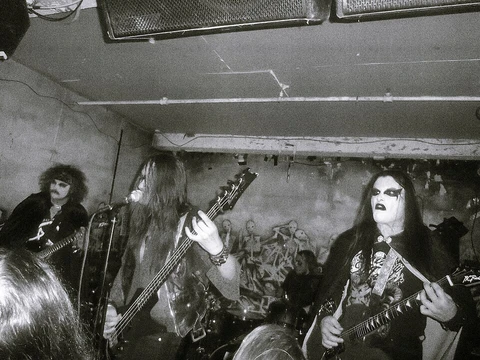
American black metal band known for fierce live shows and Scandinavian influence.

Teenagelicks · CC BY-SA 3.0
Averse Sefira was a black metal band from Austin, Texas, formed in 1996 by guitarist and vocalist Sanguine Mapsama and bassist Wrath Sathariel Diabolus. The band released four full-length albums between 1999 and 2008, evolving from a drum-machine-driven sound to incorporating live drummers and a death metal influence, while maintaining a core black metal identity. They gained a reputation for fierce live shows and followings in Europe and South America, particularly in Brazil, before disbanding in 2012.
- Formed
- 1996
- Origin
- Austin, Texas, United States
- Genre
- Black metal
- Years active
- 1996–2012
- Label
- Arrogare Records, Candlelight Records
- Notable albums
- Homecomings March (1999), Battle's Clarion (2001), Tetragrammatical Astygmata (2005), Advent Parallax (2008)
Lore & Background
Averse Sefira was formed in 1996 by Sanguine Mapsama and Wrath Sathariel Diabolus. Their first demo, Blasphomet Sin Abset, was released that year using a drum machine. In 1999, they released their debut full-length album, Homecomings March, on their own label Arrogare Records, again using a drum machine. A remastered version followed in 2003 with interludes as separate tracks.
Their second album, Battle's Clarion (2001), marked the first use of a live drummer, The Carcass, formerly of Death of Millions and a touring drummer for Incantation. The album showed a profound death metal influence reminiscent of early Deicide or Morbid Angel but remained identifiable as black metal. After this, the band toured internationally with acts such as Dark Funeral, Antaeus, and Watain, building a reputation for intense live performances.
Their third album, Tetragrammatical Astygmata (2005), was produced at Necromorbus Studio, giving the band a powerful production for the first time. It combined the sonorous direction of Homecomings March with the chaotic style of Battle's Clarion, incorporating harmonics similar to Immortal's Pure Holocaust. Their final album, Advent Parallax, was released on February 25, 2008, by Candlelight Records, again produced by Tore Stjerna of Necromorbus. The band announced its end on May 3, 2012, stating, 'It is over. The entity Averse Sefira has fractured back into its earthly parts, never to take wing again.'
Reader's Guide
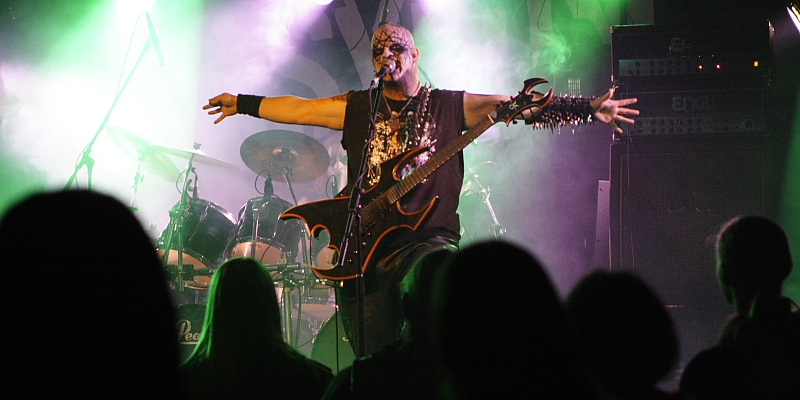
Averse Sefira holds significance as an American black metal band that developed a distinctly Scandinavian-influenced sound while incorporating death metal elements. Their early work was stylistically compared to Mayhem and Gorgoroth, while Battle's Clarion explored a more death-oriented approach. The band's use of drum machines on early releases and later integration of live drummers reflected a typical underground progression. Their final album, Advent Parallax, was noted for its raw, bludgeoning black metal with understandable vocals, a rarity in the genre. The band's ideological stance, articulated by members, rejected the superficial use of Satanic imagery and distanced itself from NSBM trends, emphasizing a deeper philosophical and literary inspiration from works like John Milton's Paradise Lost and Enochian magick. Their legacy includes a dedicated following in Europe and South America, particularly Brazil, and a reputation for fierce live shows that helped define the American black metal scene of the 2000s.
Did You Know?
- Averse Sefira's first two releases used a drum machine because they had no live drummer.
- The band created their own label, Arrogare Records, specifically to release their debut album Homecomings March.
- Drummer The Carcass had previously been a touring drummer for Incantation.
- The band's final album, Advent Parallax, was released on Candlelight Records and produced by Tore Stjerna.
Origins in the Texas Underground
Averse Sefira took shape in 1996 in Austin, Texas, when guitarist and vocalist Sanguine Mapsama joined forces with bassist Wrath Sathariel Diabolus. That same year the duo issued their debut demo, Blasphomet Sin Abset, relying on a drum machine rather than a live drummer to fill out the rhythm section. The early sound leaned heavily toward the raw, lo-fi aesthetic of Scandinavian pioneers like Mayhem and Gorgoroth. Three years later, in 1999, they released their first full-length album, Homecoming's March. Notably, the band founded their own imprint, Arrogare Records, solely to put out that record. The drum machine remained in use for this release as well, though a drummer named "Nuclear" Gregg Garbach was listed as a member during 1999 and 2000. A 2003 remaster of Homecoming's March restructured the album by separating its interludes into individual tracks, giving listeners a slightly different listening experience. The band's early catalog also included a 1999 promotional demo, further documenting their formative period in the Texas metal scene.
Going Global: Live Career and Sonic Evolution
The year 2001 marked a turning point with the release of Battle's Clarion, the first Averse Sefira album to feature a live drummer. The Carcass, a veteran who had previously played in the Texas death metal outfit Death of Millions and served as a touring drummer for Incantation, brought a new physical intensity to the recordings. The music absorbed a pronounced death metal influence, with moments evoking early Deicide or Morbid Angel, yet the black metal foundation remained unmistakable. Following this album the band embarked on intermittent international tours spanning several years, sharing stages with established acts like Dark Funeral as well as underground names such as Antaeus and Watain. Their reputation for delivering a fierce, high-energy live performance grew rapidly, earning them dedicated followings across Europe and South America, with Brazil becoming a particularly strong market. In 2005 the band entered Necromorbus Studio to record Tetragrammatical Astygmata, their first album with a powerful, polished production. The result blended the sonorous textures of Homecoming's March with the chaotic energy of Battle's Clarion, while incorporating harmonic structures reminiscent of Immortal's Pure Holocaust. Interludes became more restrained, appearing only briefly to bridge songs.
Ideology, Literature, and the Meaning of Black Metal
Averse Sefira's members were vocal about what black metal should represent, and they drew sharp lines against what they saw as superficial imitators. Sanguine Mapsama, a practicing Satanist, expressed frustration at bands that reduced the genre to chanting "Satan" every other line. His bassist, Wrath Sathariel Diabolus, went further, distancing the band from American death metal acts who adopted corpse paint and screamed invocations while claiming a black metal identity. For Wrath, the essence of black metal was an underlying idea or philosophy first, with heavily distorted guitars merely serving as the vehicle. His intellectual inspirations included John Milton's Paradise Lost, Enochian magick, and the Old Testament, which he appreciated for portraying God and angels as terrifying and destructive forces. Sanguine drew from Arthur Edward Waite, William Blake, and Charles Baudelaire. Both members firmly rejected any association with Nazism, with Sanguine calling the NSBM trend a contradictory "last ditch shock tactic" and noting that most such bands had already abandoned their Satanic roots in favor of political extremism.
The Final Flight and Lasting Impressions
Averse Sefira's final studio album, Advent Parallax, arrived on February 25, 2008, through Candlelight Records and once again under the production of Tore Stjerna at Necromorbus. The record delivered what critics described as raw, scorching, bludgeoning black metal with occasional death metal undertones, anchored by sinister rasped vocals, thunderous blastbeats, and an atmosphere of total doom. A notable strength highlighted by AllMusic's Alex Henderson was the clarity of Mapsama's vocal delivery, making the lyrics comprehensible even on the most punishing tracks like "Viral Kinesis" and "Serpent Recoil." The album was praised as a respectable example of an American band channeling a distinctly Scandinavian-influenced sound. The band's lineup at this stage included Lady of the Evening Faces on effects, interludes, and keyboards, adding textural depth. On May 3, 2012, the group posted a brief blog announcement declaring their dissolution: "It is over. The entity Averse Sefira has fractured back into its earthly parts, never to take wing again." The statement, poetic and final, closed a sixteen-year chapter in the Texas underground metal scene.
Gallery
Frequently Asked Questions
Who is Averse Sefira?
Averse Sefira is an American black metal band from Austin, Texas, founded in 1996 by guitarist and vocalist Sanguine Mapsama together with bassist Wrath Sathariel Diabolus. They remained active until 2012, during which time they released four studio albums.
What albums did Averse Sefira release?
The band issued four full-length records: Homecomings March (1999), Battle's Clarion (2001), Tetragrammatical Astygmata (2005), and Advent Parallax (2008). These were put out on labels including Arrogare Records and Candlelight Records.
How did Averse Sefira's sound evolve across their discography?
Their earliest material leaned on drum machines for a raw, lo-fi black metal texture, but later records brought in live drummers and a noticeable death metal edge while preserving the core black metal identity. This gradual shift is most evident when comparing Homecomings March to Advent Parallax.
Where did Averse Sefira build their biggest fanbases?
Although based in Texas, the band developed particularly strong followings in Europe and South America, with Brazil standing out as an especially enthusiastic market. Their reputation for intense, high-energy live performances helped them gain traction well beyond the American scene.
Why is Averse Sefira considered important in American black metal?
They are frequently cited as one of the more consistent and recognizable U.S. black metal acts of the late 1990s and 2000s, pairing Scandinavian-inspired songwriting with a fiercely aggressive stage presence. Their four-album catalog and international touring legacy make them a key reference point for the genre in the United States.
More in American black metal musical groups 1-24
Spotted an error? Know more?
Reader corrections go straight into our review queue. Suggest an edit · How this site is sourced