Absu (band)
American black/thrash metal band with esoteric mythological themes.

Wojciech Pędzich · CC BY 4.0
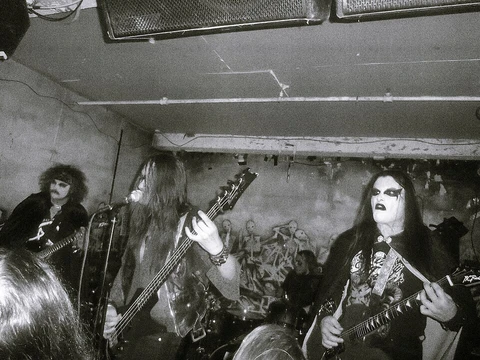
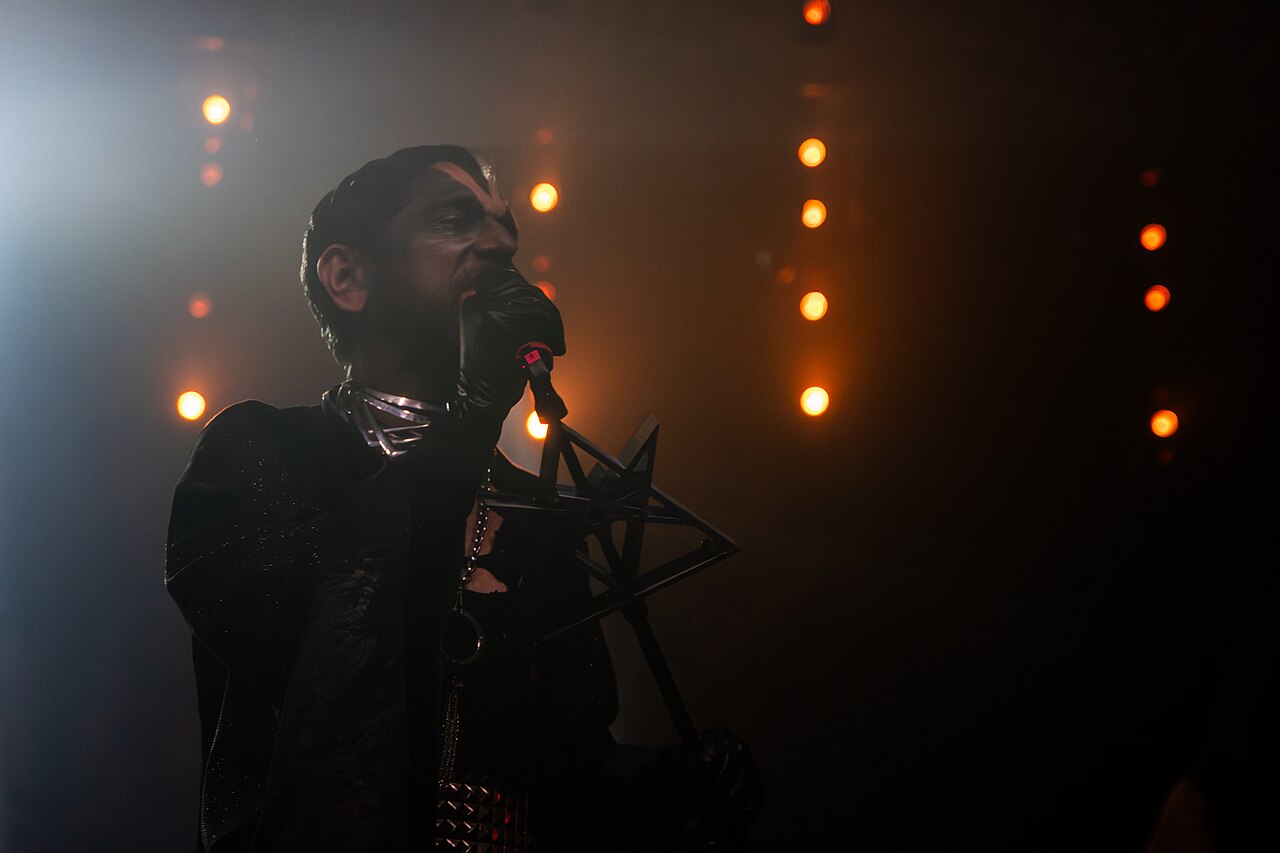
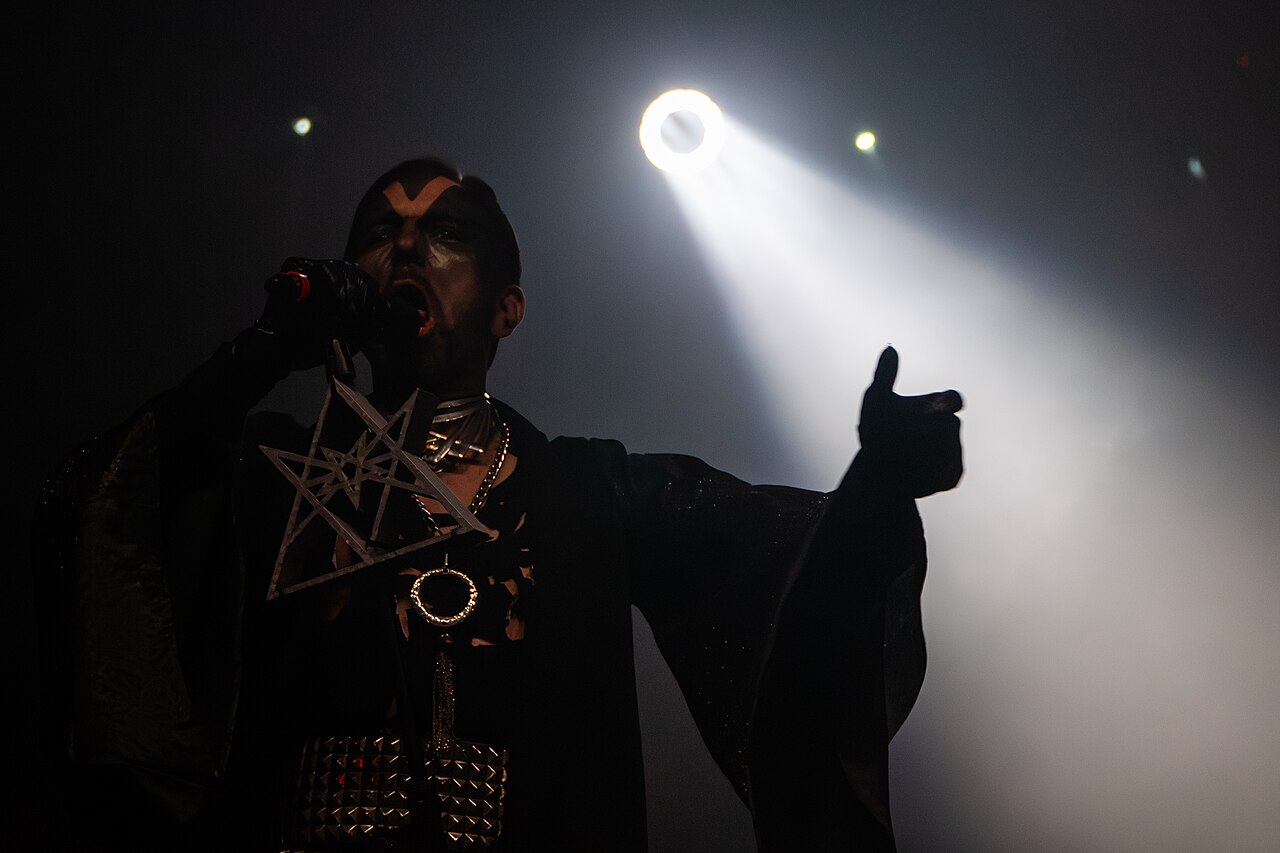
Absu is an American black/thrash metal band from Dallas, Texas, known for their esoteric lyrical themes drawing from Celtic, Sumerian, and Mesopotamian mythology, alchemy, numerology, magick, and sorcery. Formed in 1991 after earlier incarnations as Dolmen and Azathoth, the band evolved from a death metal sound on early demos and their first album to the thrash/black metal style for which they became recognized. Their work, particularly the 2001 album Tara, is considered a high point in the genre. The band went on hiatus in 2020 and officially disbanded in 2021 after three decades, though Proscriptor McGovern later reformed Absu in 2024.
- Years active
- 1991–2021, 2024–present
Lore & Background
Absu originally formed as Dolmen in 1989, briefly took the name Azathoth, and became Absu in 1991. The original members were Equitant Ifernain and Shaftiel. After two demos and an EP, they were joined by Proscriptor McGovern, David Athron Mystica, and Black Massith. Their first album, Barathrum: V.I.T.R.I.O.L. (1993), leaned toward death metal. After that album, the lineup narrowed to a three-piece when David Athron Mystica and Black Massith left, with Proscriptor taking over keyboard and synth duties. The band's second album, The Sun of Tiphareth (1995), explored Sumerian, Mesopotamian, and Celtic mythology, and their third, The Third Storm of Cythraul (1997), drew from Welsh mythology. Over the next four years, Equitant and Proscriptor worked with the ambient group Equimanthorn, and Absu released only the EP In the Eyes of Ioldánach (1998). In 2001, they recruited guitarist Kashshapxu and released Tara, a concept album described by McGovern as divided into two phases: 'Ioldánach's Pedagogy' and 'The Cythrául Klan's Scrutiny.' After Tara, Equitant left due to musical differences, Proscriptor injured his hand, and Shaftiel and Kashshapxu also left, putting Absu on hold. In 2005, Proscriptor and Equitant released the compilation Mythological Occult Metal: 1991–2001. The band reformed in 2007 with new members, released the self-titled album Absu in 2009 and Abzu in 2011, and continued until disbanding in 2020. In 2024, Proscriptor McGovern reformed Absu for a 30th anniversary tour of The Sun of Tiphareth.
Reader's Guide
Absu's significance lies in their fusion of black and thrash metal with deeply intellectual and esoteric lyrical content, drawing from Celtic, Sumerian, and Mesopotamian myths, alchemy, numerology, magick, and sorcery. Their 2001 album Tara is widely regarded as their masterpiece, a concept album that solidified their reputation for thematic ambition and musical intensity. The band's shifting lineup, centered around drummer-vocalist Proscriptor McGovern, saw them evolve from death metal origins to a distinctive black/thrash sound. Their dissolution in 2020 after three decades marked the end of an era, though McGovern's reformation in 2024 for a 30th anniversary tour of The Sun of Tiphareth indicates ongoing interest in their legacy. The band's influence is evident in their cult following and the continued activity of members in other projects, including Equimanthorn and Proscriptor's solo work. The 2017 controversy involving the firing of guitarist Melissa Moore after she came out as transgender, and her subsequent accusations of transphobia, added a contentious chapter to their history.
Did You Know?
- Absu originally formed as Dolmen in 1989 and briefly took the name Azathoth before becoming Absu in 1991.
- The band's 2001 album Tara is considered their masterpiece and is described by Proscriptor McGovern as a concept album divided into two phases.
- In 2017, guitarist Melissa Moore was fired from the band due to 'personal and professional differences,' and she later made accusations against Proscriptor McGovern.
Origins and Sonic Identity
Absu traces its roots to Dallas, Texas, where it first coalesced in 1989 under the name Dolmen before briefly adopting the moniker Azathoth in 1991. The founding duo of Equitant Ifernain, who handled guitars, bass, and lyrics, and Shaftiel, on guitars and vocals, initially recorded in a death-metal vein. However, the group's sound gradually shifted toward the black and thrash metal that would come to define its reputation. What truly set Absu apart from many of its contemporaries was the depth and specificity of its lyrical preoccupations. Rather than relying on generic occult or satanic imagery, the band drew on a wide range of esoteric traditions, including Celtic, Sumerian, and Mesopotamian mythology, alchemy, numerology, and various forms of magick and sorcery. This intellectual framework gave their music a scholarly, almost archaeological quality, distinguishing them within the American extreme metal scene of the early 1990s.
The Tara Masterpiece and Its Aftermath
The year 2001 marked both the creative zenith and the beginning of Absu's unraveling. With the addition of second guitarist Kashshapxu, the band recorded Tara, an album widely regarded as their masterpiece. Structured as a concept work divided into two phases, 'Ioldánach's Pedagogy' and 'The Cythrául Klan's Scrutiny,' Tara extended the Celtic mythology thread running through earlier releases and even incorporated bagpipes on its title track. Proscriptor McGovern described it as a culmination of years exploring ancestral themes and channeling what he called pure magic within the mind and soul. Yet the triumph proved short-lived. Equitant departed over musical differences, and Proscriptor suffered a severe hand injury requiring surgery. By the time he had recovered through nearly a year of therapy, Shaftiel had lost interest in the band and Kashshapxu had also left. Absu was effectively dissolved, and Proscriptor turned to other ventures, including a brief audition for Slayer that ultimately went to Dave Lombardo.
Reunion, Resurgence, and Final Chapters
After a long hiatus during which Proscriptor pursued projects like Equimanthorn, Starchaser Network, and his own solo work, Absu reformed in 2007 with new members Vastator Terrarum and Aethyris MacKay. The band signed with Candlelight Records and released the limited 7-inch EP Speed N' Spikes through Relapse Records in 2008, their first new material in seven years. Their self-titled album followed in early 2009, and the group toured Europe with Pantheon I, Razor of Occam, and Zoroaster. In 2010 they announced a U.S. tour as a three-piece alongside Immortal, after which they recorded Abzu, released in October 2011. A 2012 single, 'Hall of the Masters,' released through Adult Swim's Williams Street Records, came with their first official music video in fourteen years. However, creative disagreements during the next album's production led to the band's effective disbandment, though they did play the Metal Threat festival in Chicago in July 2016.
Life Beyond Absu and the Final Dissolution
Proscriptor McGovern's career extended far beyond Absu. He served as drummer and vocalist for the black metal band Melechesh from 1999 to 2005, contributed to Judas Iscariot, Thornspawn, and Magnus Thorsen as a session musician, and co-founded the dark ambient project Equimanthorn and the electronic art-rock group Starchaser Network with Equitant. He also operated his own label, Tarot Productions. In 2005, he and Equitant compiled rare and unreleased Absu recordings into the collection Mythological Occult Metal: 1991–2001. The band's final chapter was marked by controversy: in 2017, Melissa Moore was dismissed after coming out as transgender during a tour, and she publicly accused Proscriptor of transphobia. On January 27, 2020, Proscriptor announced Absu's dissolution after three decades, stating in a farewell message that the decision was final and driven by insoluble circumstances. In July 2020, it was confirmed he had formally disbanded the group to form a new project.
Gallery
Frequently Asked Questions
What is Absu?
Absu is an American black/thrash metal band out of Dallas, Texas, that formed in 1991 after earlier projects called Dolmen and Azathoth. They are recognized for blending aggressive thrash and black metal with deeply esoteric lyrical content rooted in ancient mythologies and occult traditions.
What lyrical themes does Absu focus on?
Their songwriting draws heavily on Celtic, Sumerian, and Mesopotamian mythology alongside alchemy, numerology, and various forms of magick and sorcery. This esoteric approach to lyrics is a defining characteristic that sets them apart from many of their genre peers.
What is considered Absu's best album?
The 2001 release Tara is widely regarded by fans and critics as the band's peak and a standout record in the black/thrash metal scene. It represents the fully realized thrash-black sound they had refined over their earlier death-metal-influenced demos and debut.
Did Absu break up?
The band entered a hiatus in 2020 and officially disbanded in 2021 after roughly three decades of activity. However, they have since reformed, with their active years spanning 1991–2021 and again from 2024 to the present.
How did Absu's sound evolve over time?
Their earliest demos and first album leaned toward a heavier death metal style, but the band gradually shifted into a more aggressive thrash-and-black metal framework. By the time of their mid-2000s output, that thrash-black identity had become their signature sound.
More in American black metal musical groups 1-24
Spotted an error? Know more?
Reader corrections go straight into our review queue. Suggest an edit · How this site is sourced