
Hawaiʻi Volcanoes National Park
Last updated
Where it is
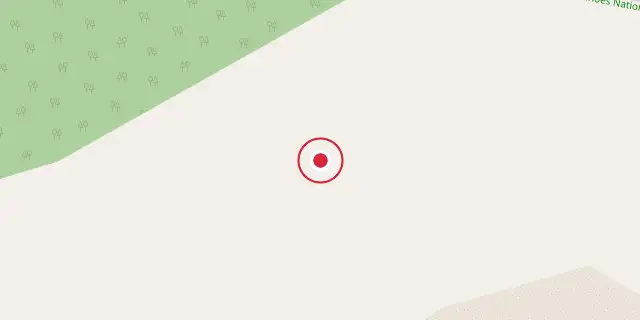
Coordinates: 19°22′59″N 155°12′00″W (19.3830, -155.2000) · Open in OpenStreetMap
Coordinates and connected clubs: the infobox of Wikipedia: Hawaiʻi Volcanoes National Park (CC BY-SA 4.0). Map: drawn by Codexery from OpenStreetMap tiles.
Located on the island of Hawaiʻi, this U.S. national park includes two active volcanoes, Kīlauea and Mauna Loa.[1] Originally designated Hawaii National Park on August 1, 1916, the park was later divided, and the current Hawaiʻi Volcanoes National Park was officially named on September 22, 1961.[2][3]
Life and work
The park encompasses 354,461 acres, with about half designated as the Hawaii Volcanoes Wilderness area in 1978.[4] Lorrin A. Thurston was a driving force behind establishing the park after investing in the hotel from 1891 to 1904.[5] The Buffalo Soldiers of the 25th Infantry Regiment built infrastructure within the park from 1915 to 1917.[6] In 2003, an additional 115,788 acres of the Kahuku Ranch were added to the park.[7]
On May 11, 2018, the park was closed due to explosions and toxic ash clouds from Halemaʻumaʻu crater.[8] In traditional belief, Kīlauea and its Halemaʻumaʻu caldera were the sacred dwelling place of Pele, the volcano goddess, where Hawaiians would bring offerings.[9] On September 22, 2018, the visitor center and other sections of the park were again opened to the public.[8]
What the cited sources add
The NPS website notes that Kīlauea volcano continues to erupt intermittently from Halemaʻumaʻu crater, with more than 50 eruptions since December 2024.[10] The USGS Hawaiian Volcano Observatory reports that all eruptive vents and lava flows are confined to Halemaʻumaʻu crater within the park.[11] The NPS Mauna Loa page states that the volcano makes up roughly 51% of Hawaiʻi Island and stands 13,681 feet above sea level.[12] The same source explains that Mauna Loa is comprised of a main summit caldera called Moku‘āweoweo and two rift zones.[12]
The NPS website advises visitors to look out for nēnē (Hawaiian geese) on roads and parking lots.[10] The NPS website also reminds visitors that the Kīlauea eruption is a reminder of sacredness in Hawaiʻi.[10]
References
- Wikipedia, "Hawaiʻi Volcanoes National Park" (CC BY-SA 4.0), which cites: "Eruption Viewing Caldera - Hawaiʻi Volcanoes National Park (U.S. National Park Service)", www.nps.gov (we also read that source) en.wikipedia.org
- Wikipedia, "Hawaiʻi Volcanoes National Park" (CC BY-SA 4.0), which cites: "Hawai'i's Only World Heritage Site", Hawai'i Volcanoes National Park web site (original not read by us) en.wikipedia.org
- Wikipedia, "Hawaiʻi Volcanoes National Park" (CC BY-SA 4.0), which cites: "The National Park Service Organic Act", statutes of the 64th United States Congress, August 25, 1916 (original not read by us) en.wikipedia.org
- Wikipedia, "Hawaiʻi Volcanoes National Park" (CC BY-SA 4.0), which cites: "Hawai i Volcanoes National Park Fact Sheet 2023", National Park Service, 2023; "Wilderness Connect", wilderness.net (original not read by us) en.wikipedia.org
- Wikipedia, "Hawaiʻi Volcanoes National Park" (CC BY-SA 4.0), which cites: "The Park Idea", Hawaii Nature Notes number 2, November 1953 (original not read by us) en.wikipedia.org
- Wikipedia, "Hawaiʻi Volcanoes National Park" (CC BY-SA 4.0), which cites: Hoverson, "Buffalo Soldiers at Kīlauea, 1915–1917", eVols, 2015 (original not read by us) en.wikipedia.org
- Wikipedia, "Hawaiʻi Volcanoes National Park" (CC BY-SA 4.0), which cites: "Hawai i Volcanoes National Park Fact Sheet 2023", National Park Service, 2023 (original not read by us) en.wikipedia.org
- Wikipedia, "Hawaiʻi Volcanoes National Park" (CC BY-SA 4.0), which cites: "Area Closures, Advisories, Drones/Unmanned Aircraft & Other Policies", nps.gov, March 8, 2019; "Volcano park closed for record stretch due to Kilauea eruption", Honolulu Star-Advertiser, May 28, 2018; "Volcanoes park reopening good news for Big Island", Honolulu Star-Advertiser, August 23, 2018; "Visitors flock to reopened Hawai'i Volcanoes National Park", Honolulu Star-Advertiser, September 23, 2018 (we also read that source) en.wikipedia.org
- Wikipedia, "Hawaiʻi Volcanoes National Park" (CC BY-SA 4.0), which cites: "Kilauea - Hawaiʻi Volcanoes National Park (U.S. National Park Service)", www.nps.gov; "Mauna Loa - Hawaiʻi Volcanoes National Park (U.S. National Park Service)", www.nps.gov (we also read that source) en.wikipedia.org
- "Eruption Viewing Caldera - Hawaiʻi Volcanoes National Park (U.S. National Park Service)", www.nps.gov. nps.gov
- "Hawaiian Volcano Observatory Weekly Update", volcanoes.usgs.gov, March 5, 2019. volcanoes.usgs.gov
- "Mauna Loa - Hawaiʻi Volcanoes National Park (U.S. National Park Service)", www.nps.gov. nps.gov
Each numbered sentence above was checked against the source it cites before publication. Sentences citing Wikipedia adapt text from the English Wikipedia article Hawaiʻi Volcanoes National Park (contributors), used under CC BY-SA 4.0; this entry is available under the same licence. Other sources were used for facts only.
More in World Heritage Sites in the United States
Sources
Compiled from Wikipedia and the sources listed below. Text from Wikipedia is available under CC BY-SA 4.0; this entry is adapted from it.
- Wikipedia: Hawaiʻi Volcanoes National Park (CC BY-SA 4.0).
Spotted an error? Know more?
Reader corrections go straight into our review queue. Suggest an edit · How this site is sourced