Second Boer War
A colonial war over gold and British dominance in Southern Africa.
Last updated

Unknown author · Public domain
The war included early Boer successes, a British counteroffensive, and a lengthy guerrilla phase; it concluded with the Treaty of Vereeniging in May 1902.[1][2]
Life and work
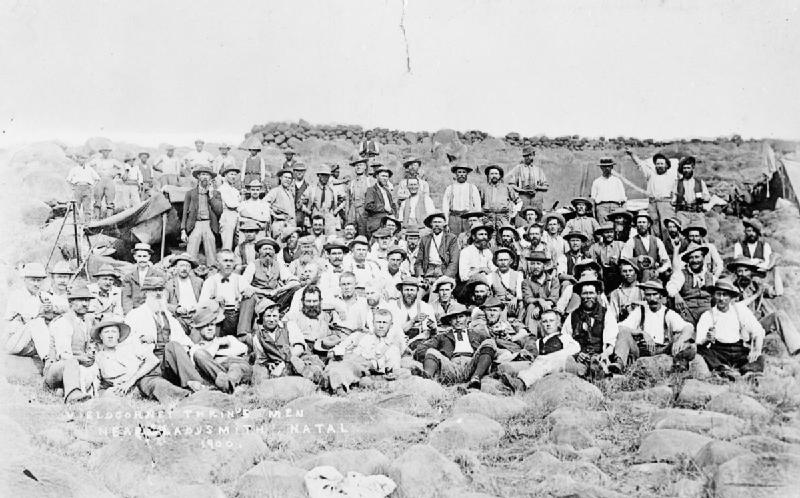
British fortunes changed when Lord Roberts and Lord Kitchener replaced General Redvers Buller, relieving the besieged cities and invading the Boer republics with a 180,000-strong force.[1] British high command ordered scorched earth policies, forcibly relocating over 100,000 Boer civilians into concentration camps where 26,000 died.[3] Native Africans were also interned, with 20,000 dying, and British mounted infantry tracked down guerrillas.[3] The Boers launched preemptive attacks into British-held areas, surrounding Ladysmith, Mafeking, and Kimberley, and achieved victories at Stormberg, Magersfontein, Colenso, and Spion Kop.[1]
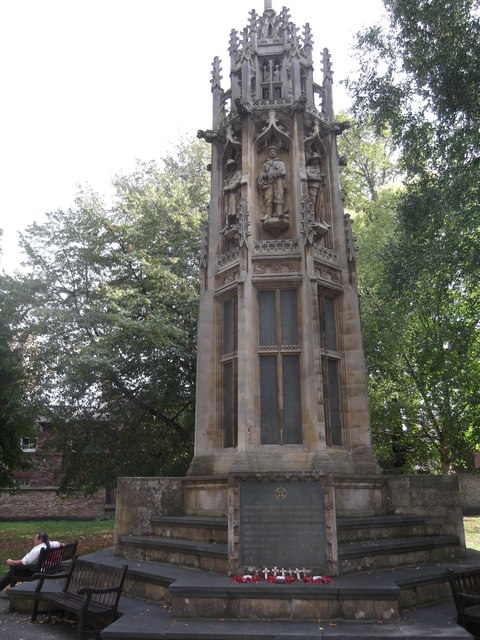
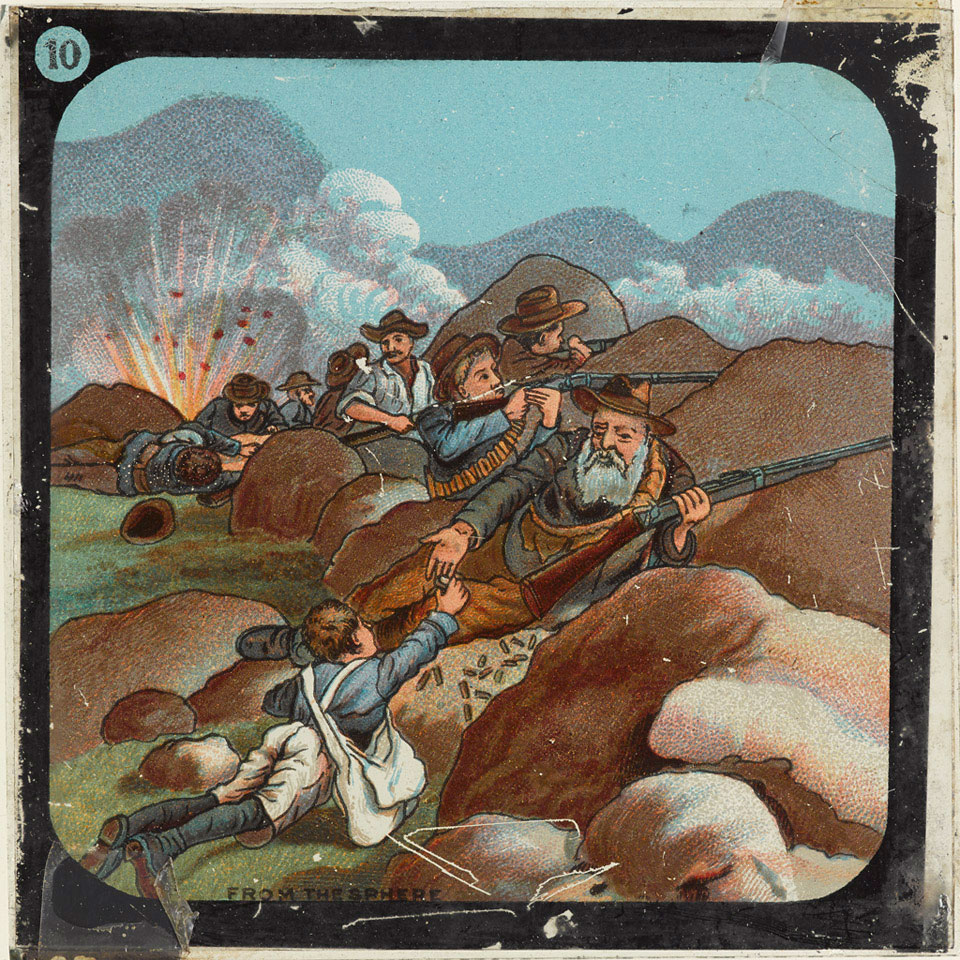
The Boers then avoided set-piece battles, which let the British take control of both republics and their capitals by 1900.[1] For two years, Boer fighters waged a guerrilla war using hit-and-run tactics and ambushes.[4]
What the cited sources add
The BBC account also states that the British uniform consisted of the serge frock in the first Boer War, but khaki was finally adopted in 1897 for overseas service.[5] The History.com account reports that the Boers, also known as Afrikaners, were descendants of the original Dutch settlers of southern Africa.[6]
References
- Wikipedia, "Second Boer War" (CC BY-SA 4.0), which cites: Millard, "Hero of the Empire: The Boer War, a daring escape, and the making of Winston Churchill", Doubleday, 2016; "The South African War 1899–1902", sahistory.org.za; "Lord Roberts is appointed British supreme commander in South Africa", sahistory.org.za (we also read that source) en.wikipedia.org
- Wikipedia, "Second Boer War" (CC BY-SA 4.0), which cites: "Boer War begins in South Africa", History.com, 9 February 2010; "BBC – History – The Boer Wars", BBC; "The Boer War ends in South Africa", History.com, 9 February 2010 (we also read that source) en.wikipedia.org
- Wikipedia, "Second Boer War" (CC BY-SA 4.0), which cites: Pakenham, "The Boer War", Random House, 1979; "Women & Children in White Concentration Camps during the Anglo–Boer War, 1900–1902", sahistory.org.za, 2011-03-21 (we also read that source) en.wikipedia.org
- Wikipedia, "Second Boer War" (CC BY-SA 4.0), which cites: Biggins, "Khaki Election of 1900", angloboerwar.com, June 2013; van der Waag, "Boer Generalship and Politics of Command", War in History, 2005, p. 15–43 (we also read that source) en.wikipedia.org
- "BBC – History – The Boer Wars", BBC. facts only, no text reused. bbc.co.uk
- "Boer War begins in South Africa", History.com, 9 February 2010. facts only, no text reused. history.com
Each numbered sentence above was checked against the source it cites before publication. Sentences citing Wikipedia adapt text from the English Wikipedia article Second Boer War (contributors), used under CC BY-SA 4.0; this entry is available under the same licence. Other sources were used for facts only; no text or images are copied from them.
More in Wars & Conflicts
Sources
Compiled from Wikipedia and the sources listed below. Text from Wikipedia is available under CC BY-SA 4.0; this entry is adapted from it.
- Wikipedia: Second Boer War (CC BY-SA 4.0).
Spotted an error? Know more?
Reader corrections go straight into our review queue. Suggest an edit · How this site is sourced