
Waterboarding
Waterboarding is a torture technique causing the sensation of drowning.
Last updated

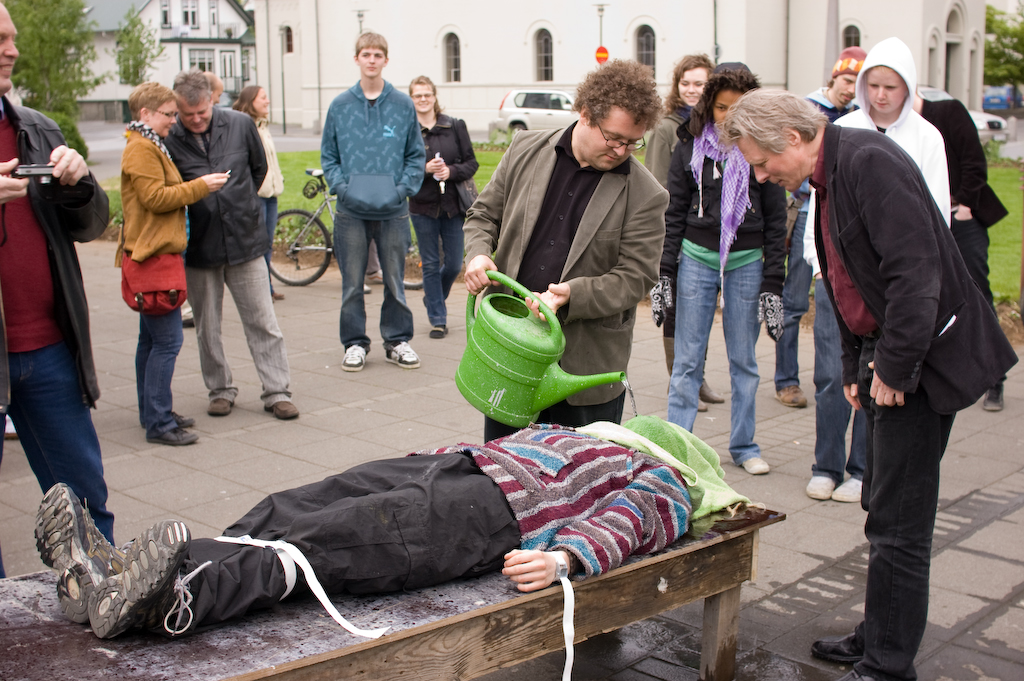
-Chupacabras- · CC BY-SA 2.0
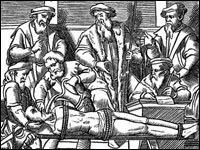
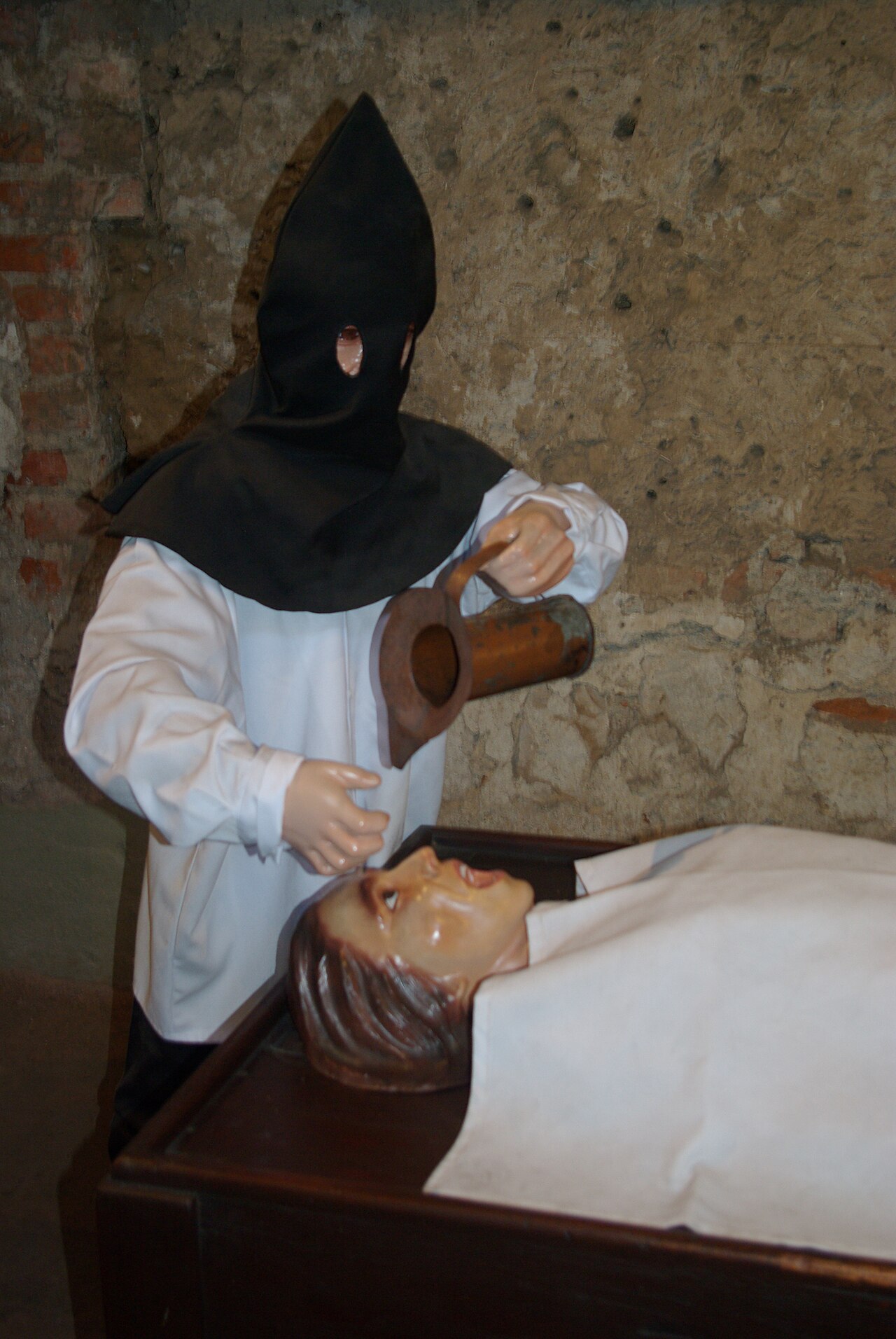
Waterboarding, also called controlled drowning, is a torture method where water is poured over a cloth covering the face and airways of a restrained person, making them feel as though they are drowning. The captive is typically strapped to a board tilted 10 to 20 degrees, face up, with a cloth over the face. Water is poured onto the cloth over the nose and mouth, triggering an immediate gag reflex and a drowning sensation.
To prevent death, water is applied in bursts; continuous pouring would cause asphyxiation. The practice can cause severe pain, lung damage, brain injury from lack of oxygen, broken bones from struggling against restraints, and lasting psychological harm. Physical effects may persist for months, and psychological effects for years. The term "water board torture" first appeared in news reports in 1976.
Origin of the term
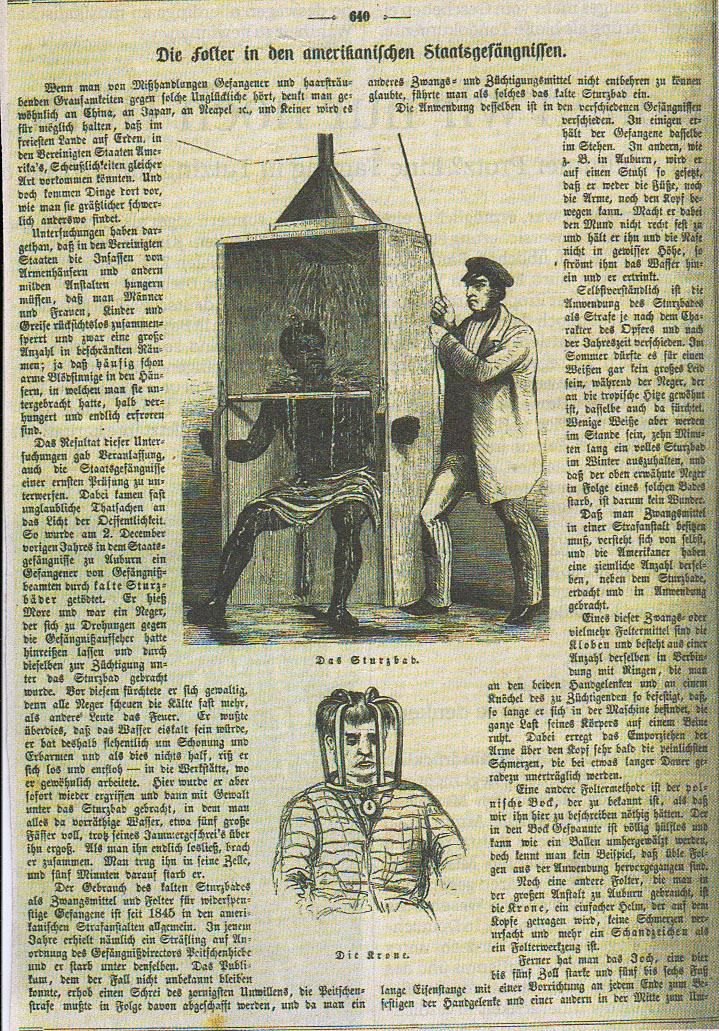
The technique has been used across many times and places: by the Spanish and Flemish Inquisitions, the U.S. military in the Philippine–American War, Japanese and German forces in World War II, the French in the Algerian War, the U.S. in the Vietnam War and the war on terror, the Pinochet regime in Chile, the Khmer Rouge in Cambodia, South African police under apartheid, and Israel during the Gaza genocide. Historically, it has been considered an especially brutal form of torture. The phrase "water board" was first recorded in an April 1976 United Press International article, which quoted a Navy spokesman admitting its use to convince trainees they could not resist enemy interrogation.
The verb "waterboarding" appeared in newspapers by May 2004. Earlier, such forced drowning techniques were called "water torture," "water treatment," "water cure," or simply "torture." Professor Darius Rejali has suggested the term "waterboarding" likely emerged as a euphemism. The method has varied. In the Algerian War and under Marcos in the Philippines, victims were forced to swallow or inhale water. Other versions prevent water from entering the lungs.
Technique
U.S. Army SERE training sometimes included a milder form that only mimicked drowning. Accounts of U.S. waterboarding differ: some describe saturated cloth creating a false drowning sensation, others say water enters the body. In August 2002, the U.S.
Quick Facts
- First recorded term
- April 1976 ("water board")
- Also known as
- Controlled drowning
- water torture
- water treatment
- water cure
- Common method
- Captive immobilized on back at 10–20 degree incline
- cloth over face
- water poured intermittently
- Physical effects
- Extreme pain
- lung damage
- brain damage
- broken bones
- lasting psychological damage
Facts from the source article.
Lore & Background
The term "water board torture" appeared in press reports as early as 1976, in an April 1976 United Press International article quoting a Navy spokesman. The verb-noun "waterboarding" appeared in newspapers by May 2004. Professor Darius Rejali speculated that the term probably originated as a euphemism.
Reader's Guide
Waterboarding has been classified as torture by legal experts, politicians, war veterans, intelligence officials, military judges, and human rights organizations. The United Nations Committee Against Torture stated in 2006 that state parties should rescind interrogation techniques such as waterboarding that constitute torture or cruel, inhuman, or degrading treatment. In the United States, debate over its classification intensified after 2004 allegations of CIA use. The Office of Legal Counsel's August 2002 memo defined the CIA's procedure, and the CIA's Office of Medical Services noted in a 2003 memo that subjects might give up, allowing excessive filling of airways and loss of consciousness.
Christopher Hitchens, after voluntarily undergoing a filmed demonstration in 2008, stated that the experience was not a simulation but actual drowning. Allen Keller, director of a program for survivors of torture, treated victims who remained traumatized years later, with some unable to take showers or panicking in rain. The technique can cause extreme pain, lung damage, brain damage, broken bones, and lasting psychological effects lasting months or years.
Did You Know?
- CIA officers who subjected themselves to waterboarding lasted an average of 14 seconds before refusing to continue.
More in Warfare & Military History
Sources
Compiled from Wikipedia and the sources listed below. Text from Wikipedia is available under CC BY-SA 4.0; this entry is adapted from it.
- Wikipedia: Waterboarding (CC BY-SA 4.0).
- Word definitions: the Codexery glossary, each quoted from its Wikipedia article.
Spotted an error? Know more?
Reader corrections go straight into our review queue. Suggest an edit · How this site is sourced