
Aerial warfare
Military use of aircraft and flying machines in combat.
Last updated

Unknown author · Public domain
Aerial warfare is the use of military aircraft and other flying machines in warfare. It encompasses a wide range of operations, including bombers attacking enemy installations, fighter aircraft battling for control of airspace, attack aircraft engaging in close air support, naval aviation, airborne forces, aerial refueling, and military transport. Historically, it has included lighter-than-air balloons and airships, reconnaissance aircraft, torpedo bombers, and air-sea rescue aircraft, and modern aerial warfare includes missiles and unmanned aerial vehicles.
Lore & Background
The history of aerial warfare began in ancient times with man-carrying kites in Ancient China, progressing to balloon warfare in the late 18th century. Airships, notably zeppelins, saw military use in the early 20th century.
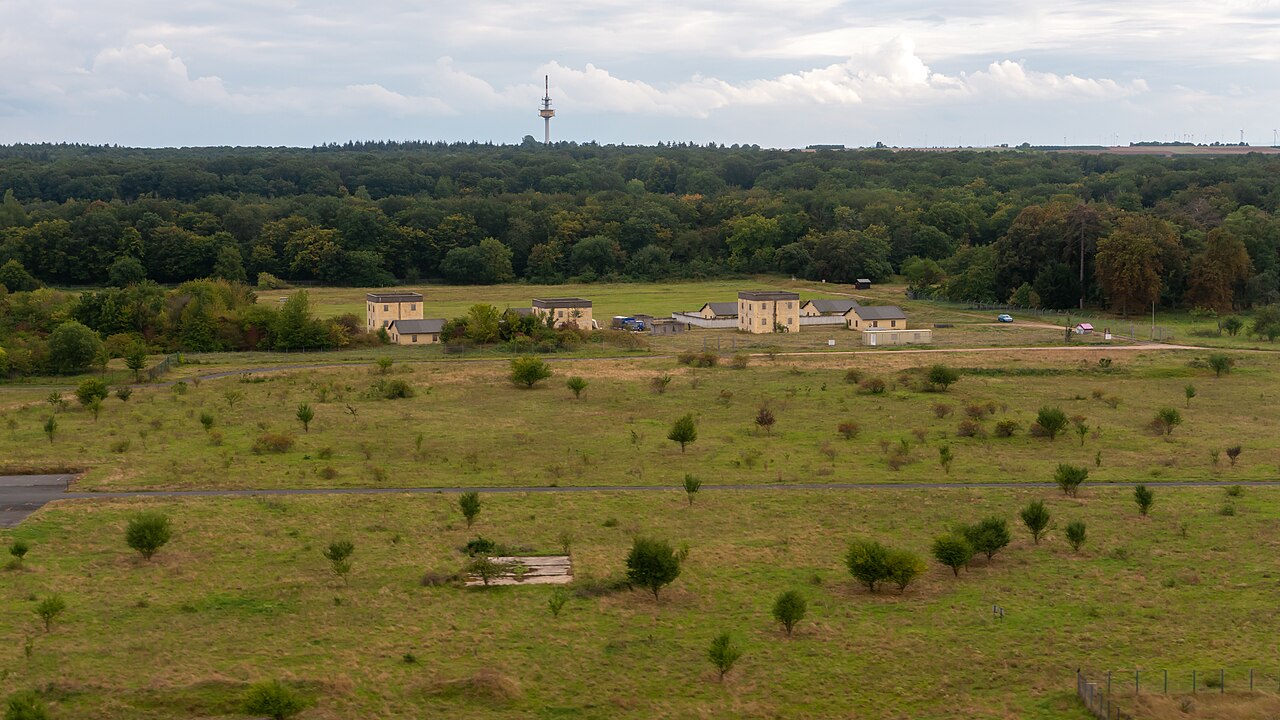
Heavier-than-air airplanes first went to war in the Italo-Turkish War in 1911, initially for aerial reconnaissance, then for aerial combat to shoot down enemy reconnaissance planes. During World War I, planes and zeppelins were used for strategic bombing, and the rise of fighter aircraft led to the concept of air superiority. Closer integration of attacking aircraft with ground operations, known as battlefield support, also developed during this period.
From Kites to Drones: The Long Arc of Aerial Combat
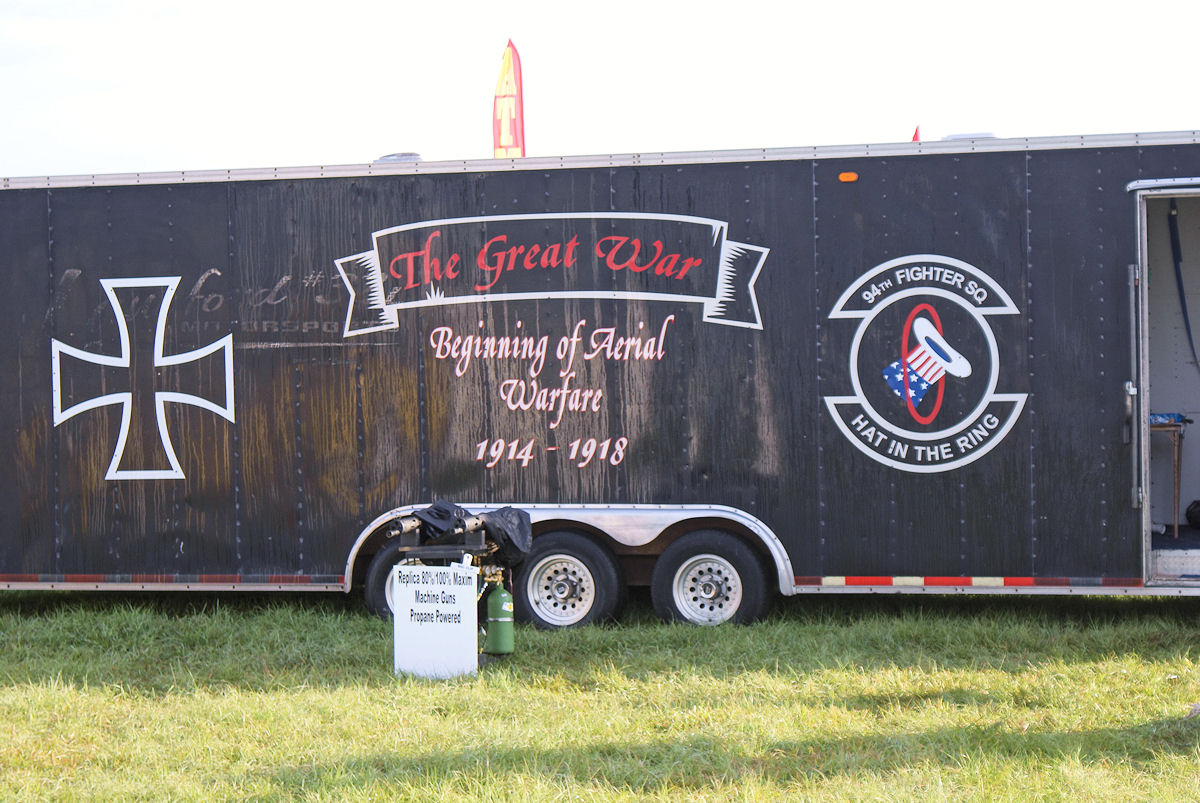
The story of aerial warfare stretches back further than most people imagine. In Ancient China, soldiers employed man-carrying kites as a military tool, and by the third century the practice had evolved into balloon warfare. The early twentieth century saw airships, particularly zeppelins, take on military roles, while the first heavier-than-air aircraft entered combat during the Italo-Turkish War of 1911, initially performing reconnaissance before engaging in air-to-air combat. World War I expanded the scope dramatically: strategic bombing emerged, fighter aircraft became central, and the concept of air superiority was born, alongside tighter coordination between aircraft and ground operations.
World War II pushed these ideas further, introducing airborne forces, missiles, and early precision-guided munitions, while aircraft carriers became the backbone of trans-oceanic air power projection. The Cold War era elevated ballistic missiles armed with nuclear warheads to the center of deterrence strategy between the United States and the Soviet Union. By the twenty-first century, relatively inexpensive unmanned aerial vehicles have proliferated, a trend that accelerated notably after the Second Nagorno-Karabakh War in 2020.
Strategic Bombing: Breaking the Enemy from Above
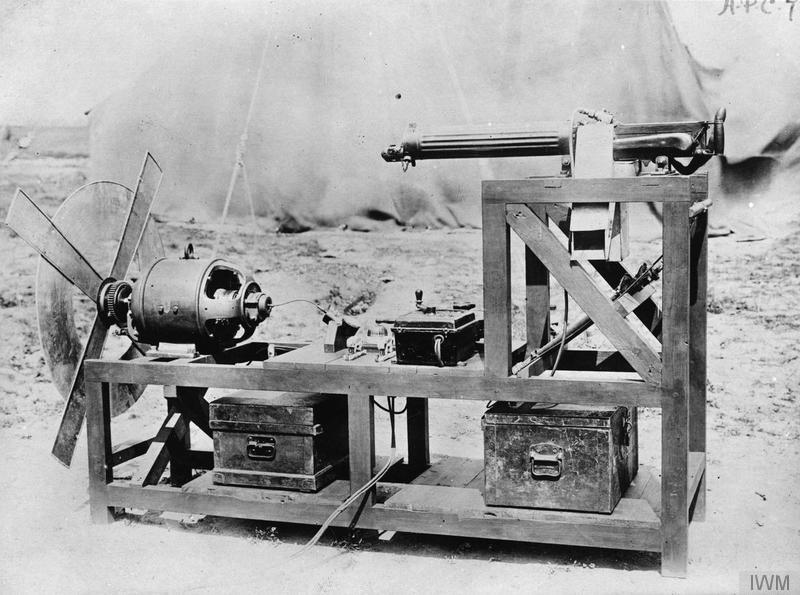
Strategic bombing represents one of the most ambitious doctrines in aerial warfare, designed for total war scenarios where the objective extends beyond tactical gains to the systematic dismantling of an enemy's capacity to fight. The core aim is to erode either the morale of a nation or its economic machinery for producing and transporting materiel to active theatres, or both simultaneously. This is not a haphazard series of attacks but a carefully organized and executed campaign launched from the air.
The platforms employed range from dedicated strategic bombers to long- and medium-range missiles, and in the nuclear age, fighter-bomber aircraft carrying nuclear warheads. The targets selected are those deemed vital to the enemy's overall war-making capability—factories, transport networks, and other infrastructure that sustain military operations. The doctrine thus elevates aerial power from a supporting role to a primary instrument of national strategy, making the sky a domain from which an entire industrial base can be struck.
Vertical Envelopment: The Promise and Limits of Airborne Assault
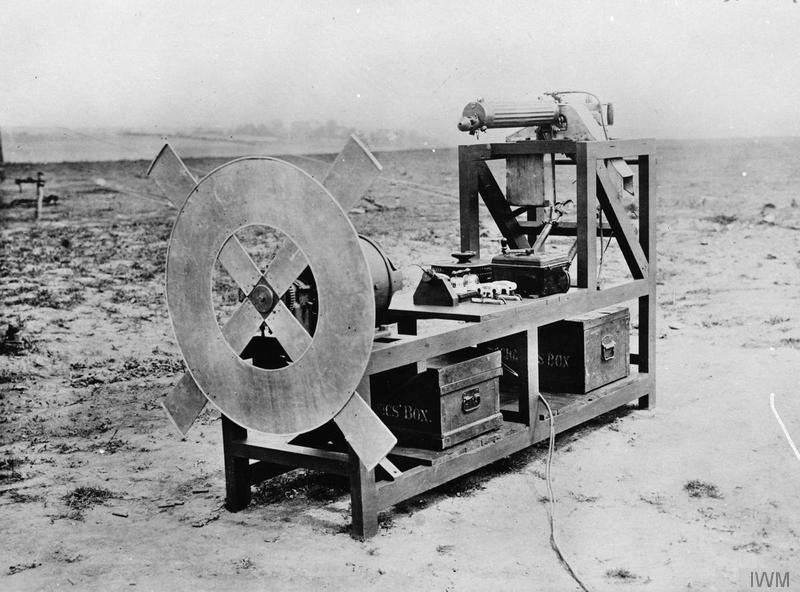
Airborne forces represent a uniquely dramatic form of military deployment: light infantry units transported by aircraft and released into battle, typically by parachute, directly behind enemy lines. Because their reach is constrained only by the number and size of available aircraft, a sufficiently large force can materialize with almost no warning, an effect military theorists call vertical envelopment—essentially a massive force appearing out of nowhere within minutes. This speed and surprise make airborne units ideal for seizing key positions and establishing airheads. However, they carry a critical limitation: they lack the heavy supplies and equipment needed for sustained, prolonged combat, making them better suited for rapid seizure operations than for long-term occupation of territory.
Parachute operations are also highly vulnerable to adverse weather conditions. Since World War II, advances in helicopter technology have transformed the landscape, granting commanders far greater flexibility. Air assaults using helicopters have largely supplanted large-scale parachute drops and have almost entirely replaced the combat glider operations that were once a staple of airborne doctrine.
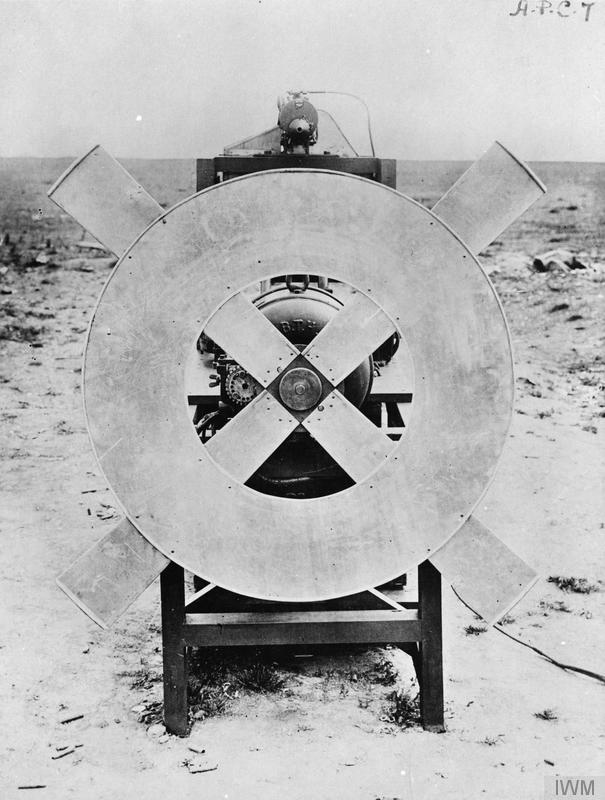
Shooting Down the Sky: Anti-Aircraft Defence and Missile Interception
Every era of aerial attack has spawned a corresponding defensive response, and anti-aircraft warfare stands as the most comprehensive of these. NATO defines the discipline as the full range of actions aimed at neutralizing or diminishing the impact of enemy air operations, encompassing ground-based and air-based weapon systems, associated sensor networks, command-and-control structures, and even passive measures such as barrage balloons. While the capability can protect naval, ground, and air forces in any location, for most nations the primary focus has historically been homeland defence.
NATO further distinguishes between airborne air defence, which it terms counter-air, and naval air defence, which it classifies as anti-aircraft warfare. In the modern era, missile defence has become a natural extension of these principles, with systems designed to intercept not only aircraft but any projectile in flight. The distinction between guided missiles—self-propelled weapons with precision guidance—and unguided rockets underscores how the defensive landscape has grown increasingly complex, requiring layered, multi-domain responses to threats arriving from the air, sea, or ground.
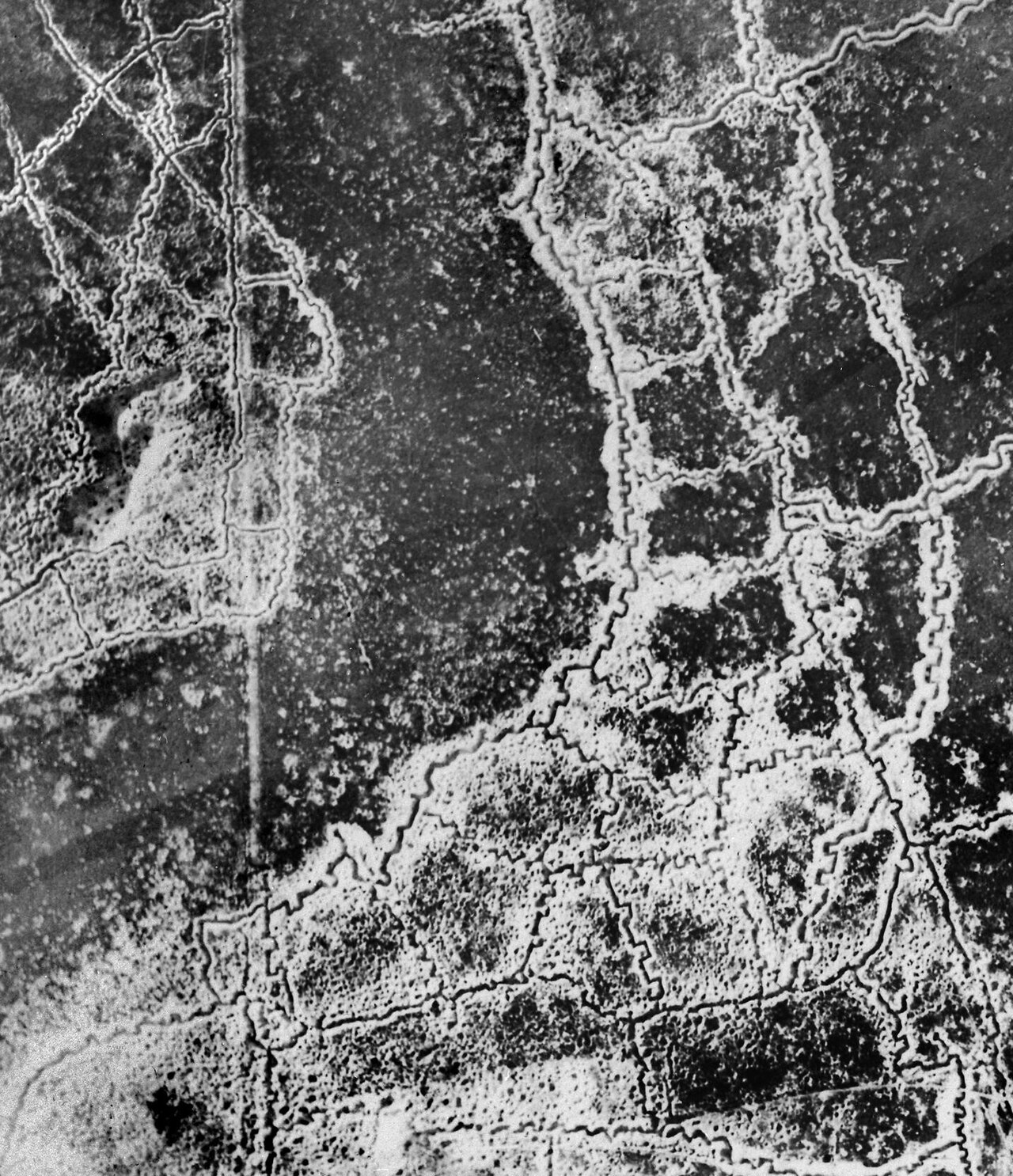
Reader's Guide
Aerial warfare has fundamentally transformed military strategy and conflict. Its significance lies in the ability to project power across great distances, conduct reconnaissance, and deliver devastating attacks on strategic and tactical targets.
The introduction of strategic bombing in World War I and its expansion in World War II, along with the development of ballistic missiles armed with nuclear warheads during the Cold War, reshaped global power dynamics. In the 21st century, the proliferation of drone warfare, particularly after the Second Nagorno-Karabakh War in 2020, has raised questions about the survivability of manned fighter jets and introduced new ethical and tactical dimensions. Aerial warfare continues to evolve with advances in missile technology, unmanned systems, and anti-aircraft defenses, making it a central element of modern military operations.
More in Warfare & Military History
Sources
Compiled from Wikipedia and the sources listed below. Text from Wikipedia is available under CC BY-SA 4.0; this entry is adapted from it.
- Wikipedia: Aerial warfare (CC BY-SA 4.0).
Spotted an error? Know more?
Reader corrections go straight into our review queue. Suggest an edit · How this site is sourced