RUAG Ranger
Swiss-Israeli tactical UAV certified for civilian airspace.

Sandstein · Public domain
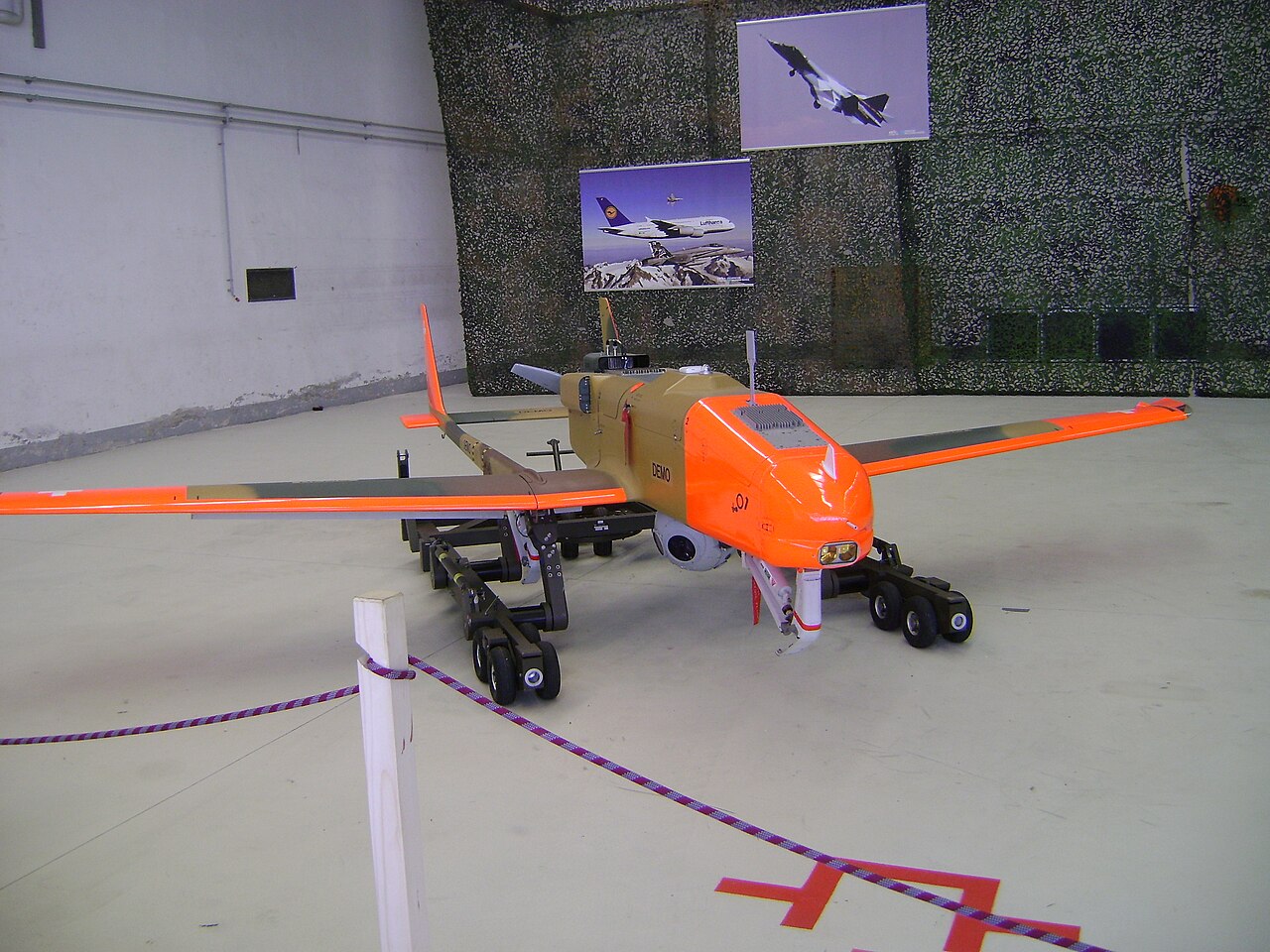
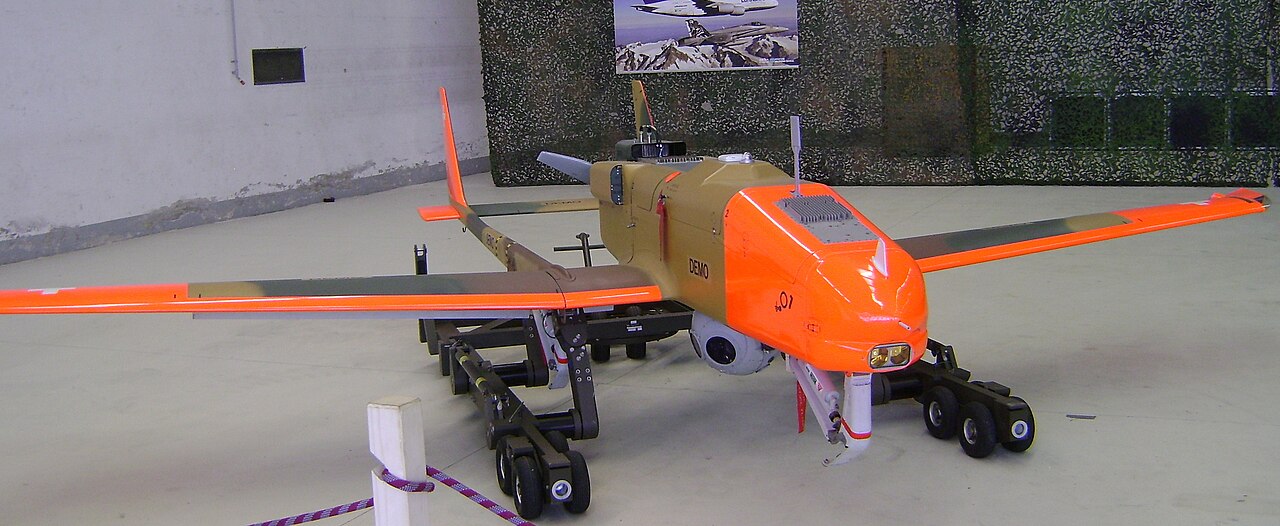
The RUAG Ranger is a tactical unmanned aerial vehicle (TUAV) system developed as a Swiss-Israeli joint venture between RUAG Aviation and Israel Aerospace Industries. Its design and some technology are based on the IAI Scout UAV. The Ranger is notable for being the only tactical UAV system worldwide certified to fly in civilian airspace and over populated areas.
- Length
- 4.61 m
- Height
- 1.13 m
- Wingspan
- 5.71 m
- Maximum take-off weight
- 285 kg
- Payload
- 45 kg
- Max speed
- 220 km/h
- Service ceiling
- 4500 m
- Range
- 100 km
- Endurance
- up to 9 hours
Lore & Background
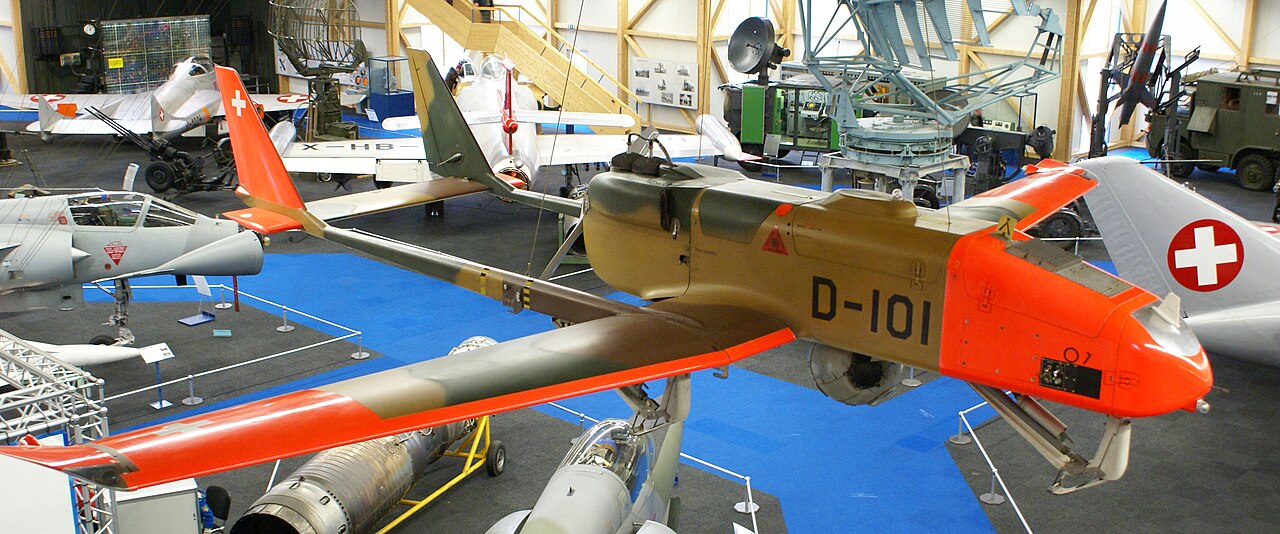
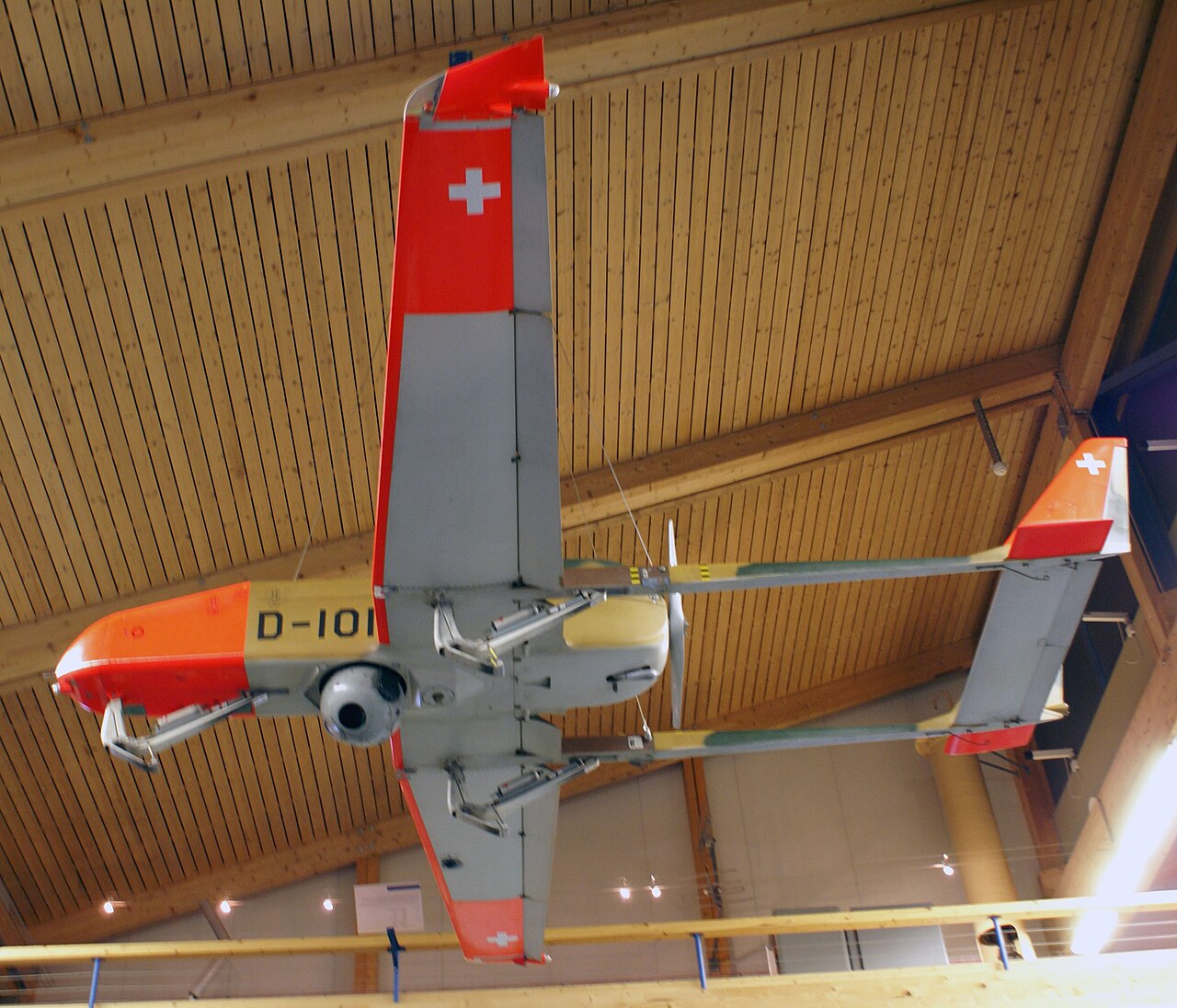
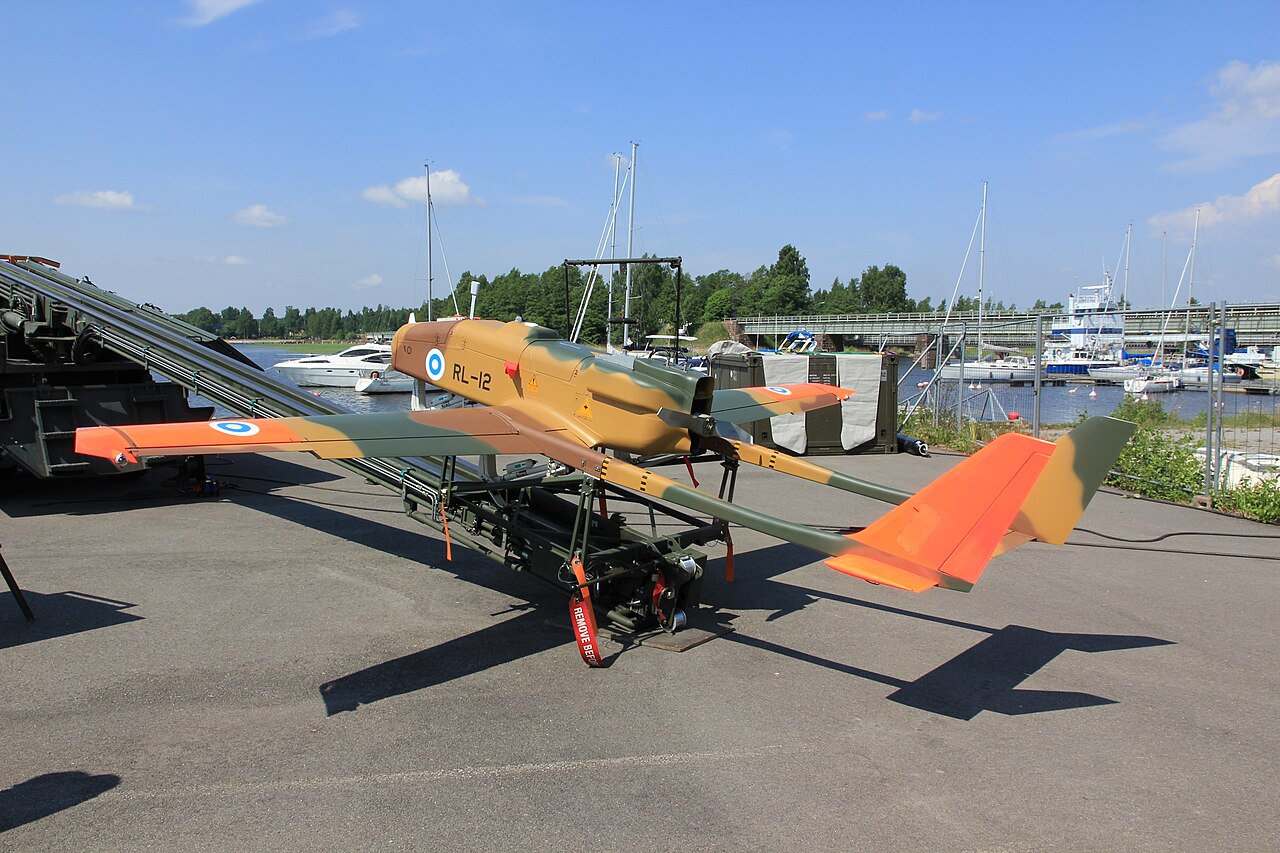
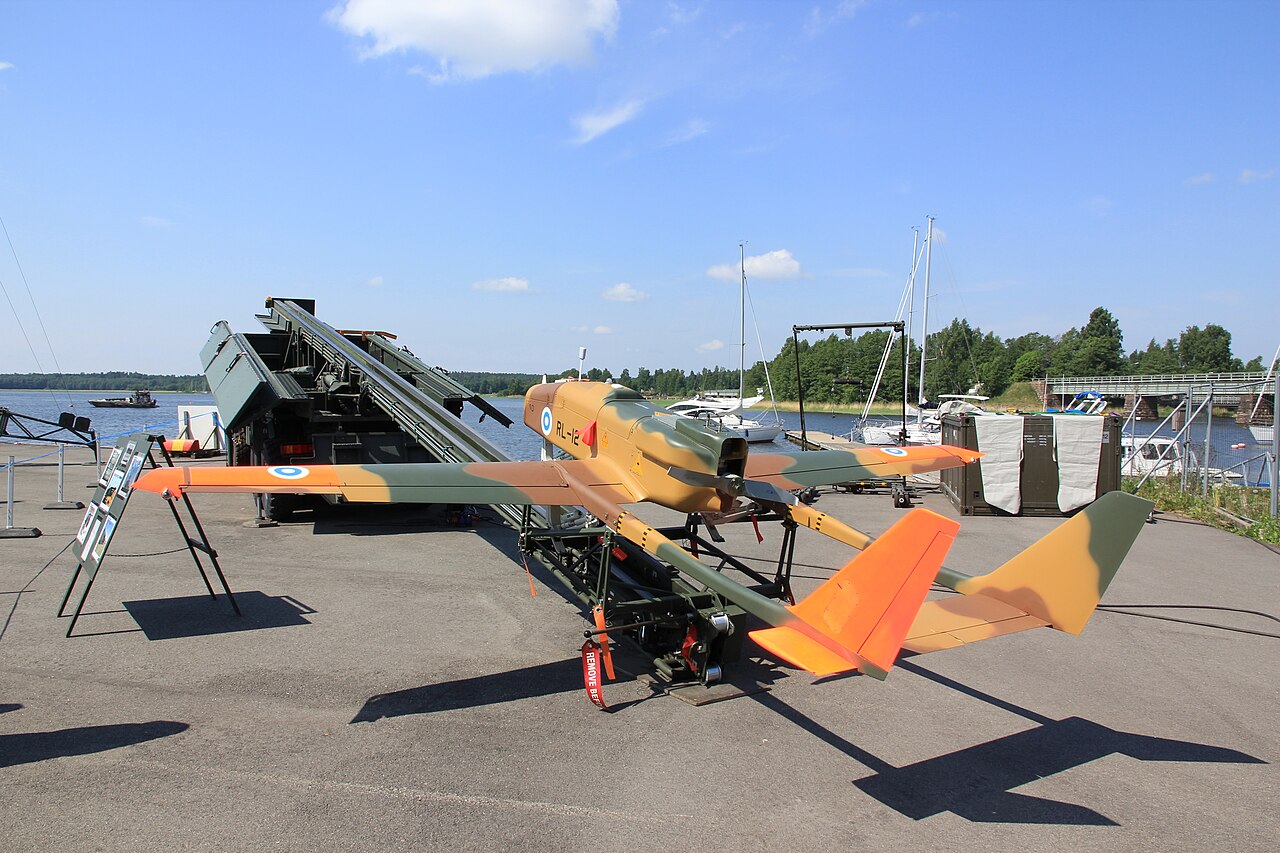
The Ranger system was ordered under the Armament Programme 1995 with a budget of CHF 350 million, entering service in 1999. Four systems were supplied, each including 7 UAVs, 2 electro-hydraulic catapults, 2 mobile ground control stations (one with automatic landing), 2 mobile data receiving stations, and 1 logistics set. The UAV uses a compact hydraulic launcher for takeoff and a skid-based landing system enabling operation on grass, concrete, snow, or ice. Its modular payload allows adaptation to civilian and military missions. The Swiss Air Force operated the Ranger under the designation ADS-95, with an earlier variant ADS-90 used from 1988 to 1999. The last flight of a Swiss Air Force ADS-95 (D-124) occurred on 27 November 2017. The Finnish Defence Forces also operated 12 drones. The prototype is housed at the Flieger-Flab-Museum in Dübendorf.
Reader's Guide
The Ranger represents a milestone in UAV certification, being the only tactical system of its time approved for civilian airspace and overflights of populated areas. Its Swiss-Israeli collaboration combined Israeli UAV design experience with Swiss engineering, resulting in a system that served both military reconnaissance and civilian roles such as police search and rescue. The Swiss Air Force used its 15 ADS-95 units from 1999 until their retirement, with replacement by six Elbit Hermes 900 planned by 2019. The Finnish Army also operated 12 Rangers. The system's ability to land on varied surfaces and its modular payload made it adaptable across missions. Its legacy includes demonstrating that tactical UAVs could meet stringent airspace safety standards, influencing later certification approaches.
Did You Know?
- The Ranger is based on the IAI Scout UAV design.
- It uses a skid-based landing system for operation on grass, concrete, snow, or ice.
- The Swiss Air Force designated it as the ADS-95.
- The prototype is displayed at the Flieger-Flab-Museum in Dübendorf.
Gallery
Frequently Asked Questions
What is the RUAG Ranger?
The RUAG Ranger is a tactical unmanned aerial vehicle system built through a Swiss-Israeli partnership between RUAG Aviation and Israel Aerospace Industries. It is designed for reconnaissance and surveillance in tactical operational environments.
What makes the RUAG Ranger stand out from other tactical UAVs?
It is the only tactical UAV system anywhere in the world that has been certified to fly in civilian airspace and above populated areas. This certification gives it a level of operational flexibility that no other tactical-class drone currently matches.
Which companies are behind the RUAG Ranger and what is its design lineage?
The system is a joint venture product of Switzerland's RUAG Aviation and Israel's Israel Aerospace Industries. Much of its airframe design and underlying technology traces back to the IAI Scout UAV platform.
What are the RUAG Ranger's main physical and performance specs?
The Ranger is 4.61 m long, 5.71 m in wingspan, and 1.13 m tall, with a maximum take-off weight of 285 kg. It can carry a 45 kg payload and cruises at a top speed of 220 km/h.
Why is the RUAG Ranger significant in the context of Swiss and Israeli defense cooperation?
It represents a concrete example of deep technical collaboration between the two nations in the unmanned systems sector. Its unique civilian-airspace certification also positions it as a bridge between purely military UAVs and dual-use surveillance platforms.
More in Unmanned Aerial Vehicles by Country, Part 3 1-24
Spotted an error? Know more?
Reader corrections go straight into our review queue. Suggest an edit · How this site is sourced