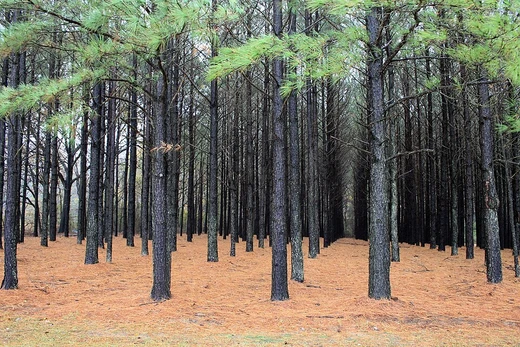
Fagus grandifolia
A shade-tolerant climax tree of eastern North American forests.

Photo by and (c)2016 Derek Ramsey ( Ram-Man ) · CC BY-SA 4.0
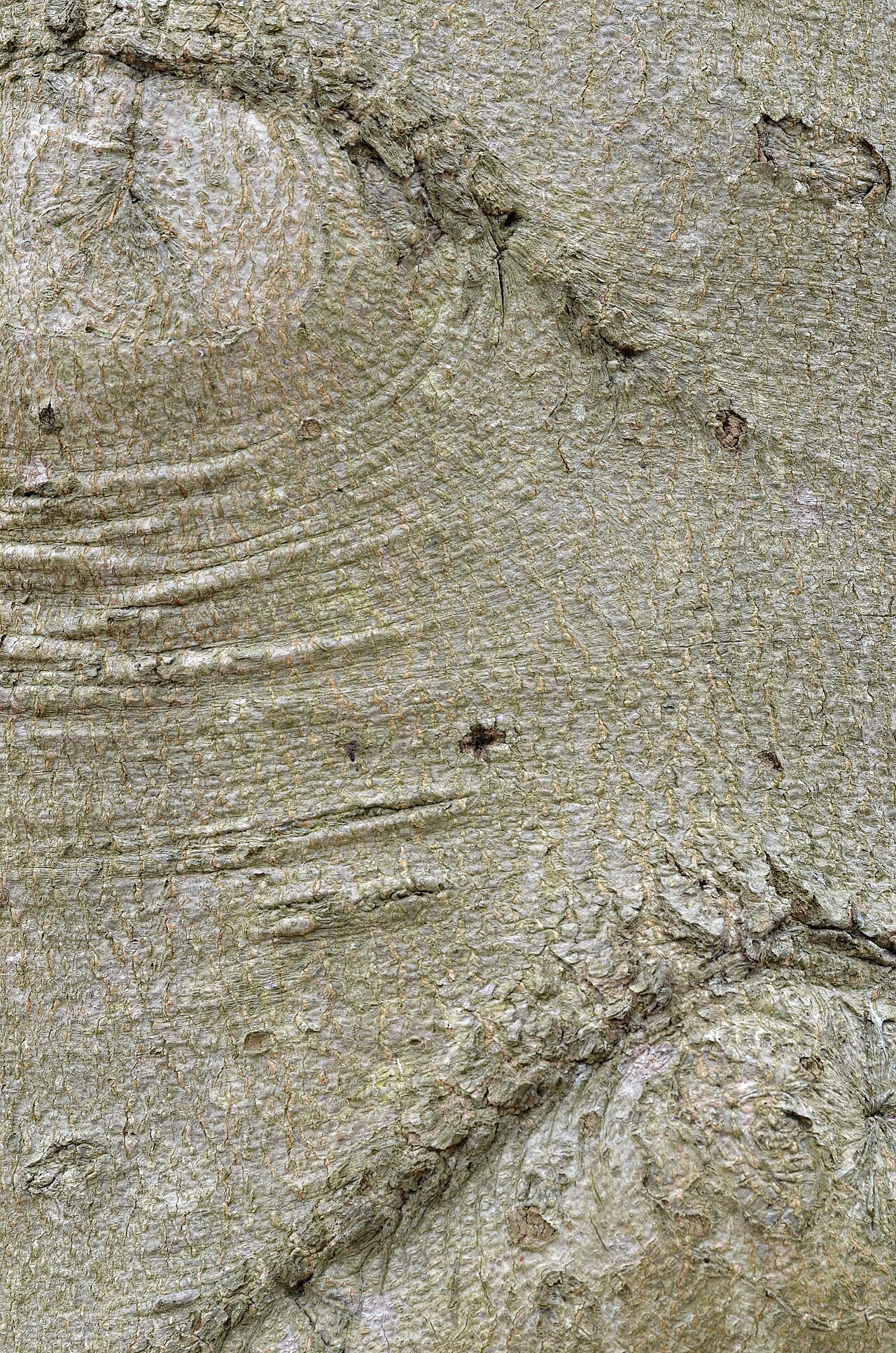
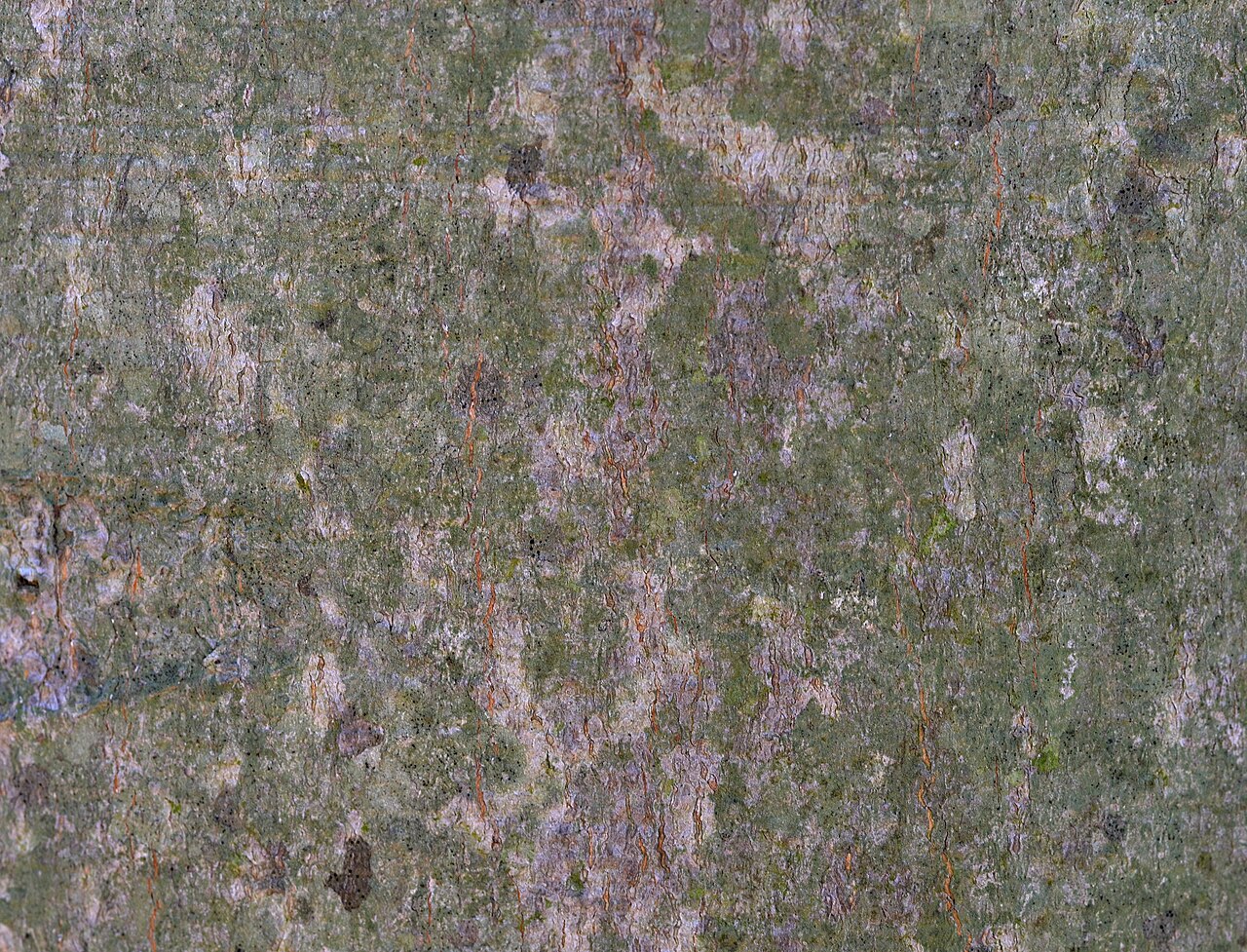
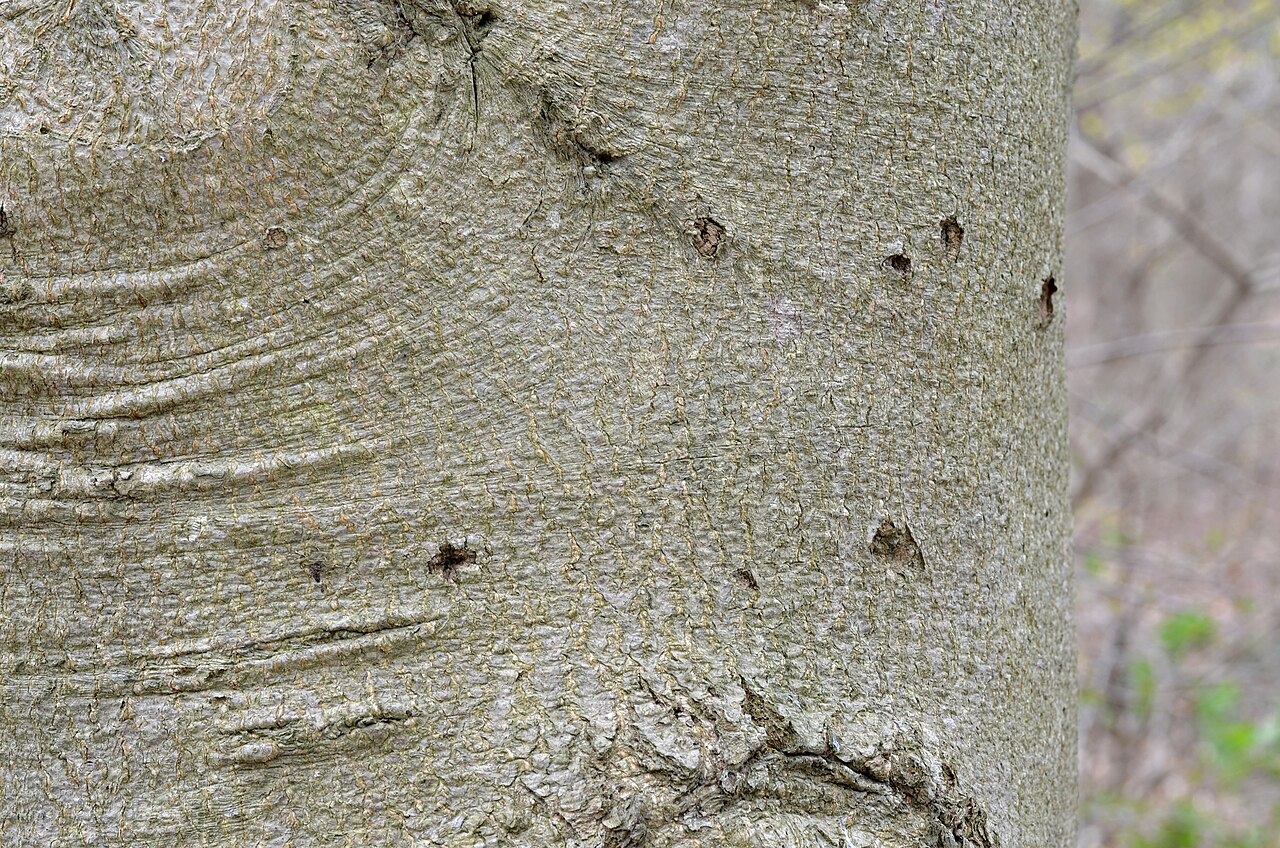
Fagus grandifolia, commonly known as the American beech or North American beech, is a species of deciduous tree native to eastern North America. It is one of two beech species native to the continent, the other occurring in Mexico. The tree is notable for its smooth, silver-gray bark, distinctive long slender winter buds, and its role as a shade-tolerant climax species in forests.
Quick Facts
- Species
- grandifolia
Facts from the source article.
Lore & Background
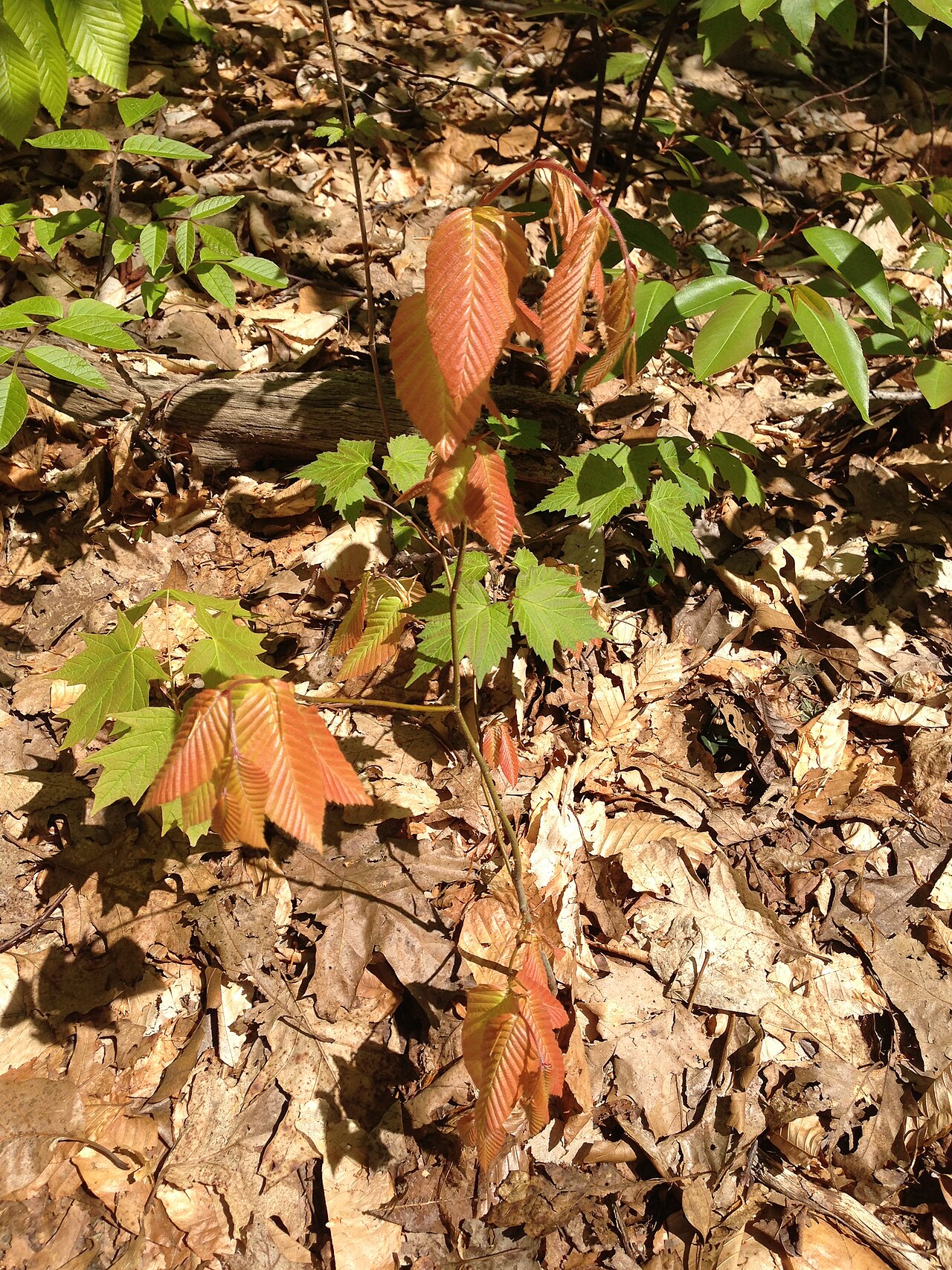
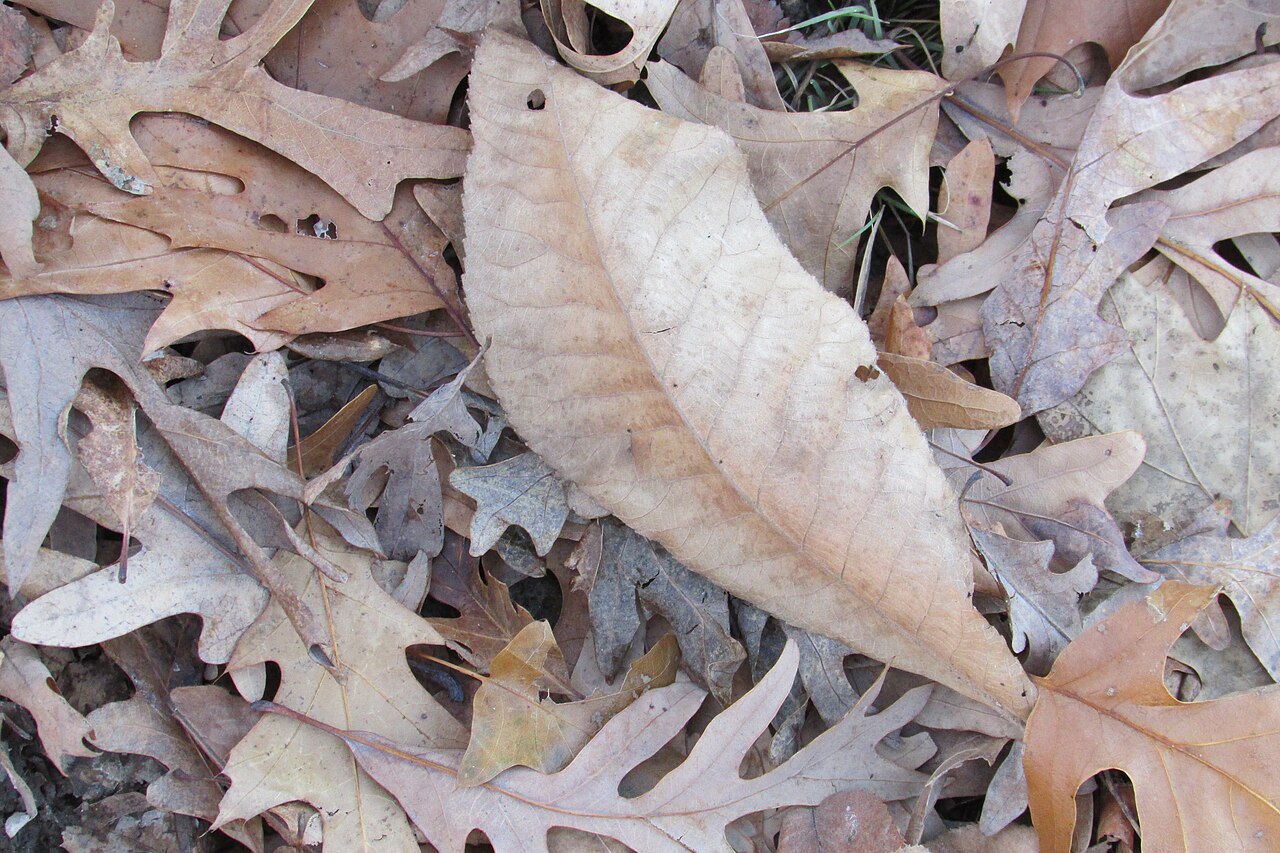
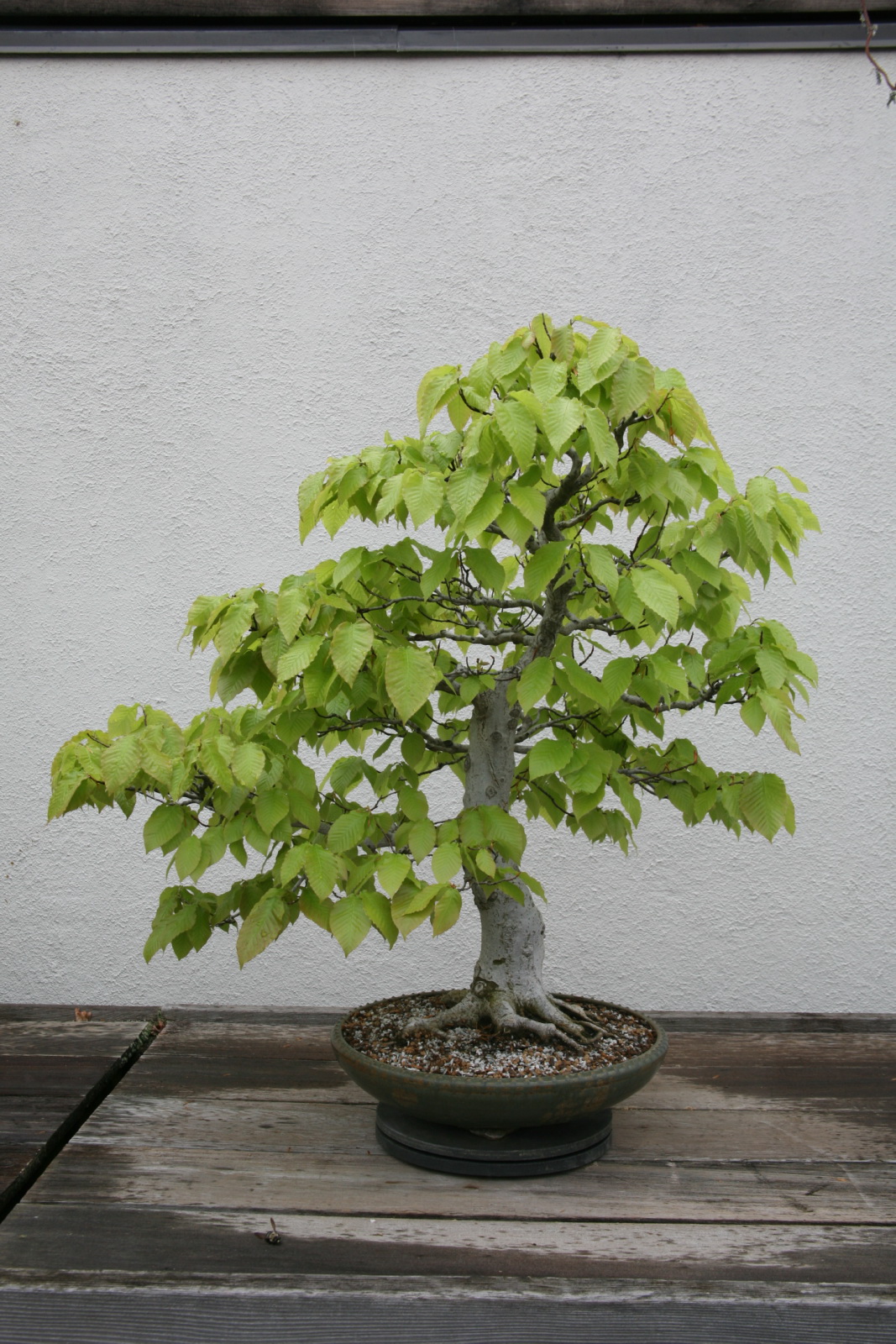
Fagus grandifolia is a large deciduous tree with smooth, silver-gray bark and distinctive winter twigs that are long and slender, with two rows of overlapping scales on the buds. The buds are thin and long, resembling cigars, making the tree easy to identify. Its leaves are dark green above and yellow below, simple and sparsely toothed, measuring 6–12 centimeters long. The tree is monoecious, with both male and female flowers on the same individual. The fruit is a small, sharply angled nut borne in pairs inside a soft-spined, four-lobed husk. Reproduction occurs both through seed dispersal and through root sprouts that grow into new trees.
The American beech is believed to have spanned the width of North America to the Pacific coast before the last ice age, but is now limited to the eastern part of the continent. It is a shade-tolerant species commonly found in forests in the final stage of succession, often associated with sugar maple, yellow birch, and eastern hemlock. The tree favors moist, well-drained slopes and rich bottomlands, and has a dense, shallow root system. It is intolerant of urban pollution, salt, and soil compaction.
The nuts of the American beech are eaten by a wide variety of animals, including birds, raccoons, foxes, deer, squirrels, black bears, and porcupines. The leaves and inner bark can also be prepared as food. The tree is susceptible to several diseases and pests, including beech bark disease, beech leaf disease caused by a nematode, and the beech leaf-miner weevil. Beech blight aphids colonize branches but cause no serious harm to healthy trees.
Gallery
Frequently Asked Questions
What is Fagus grandifolia?
Fagus grandifolia is the American beech, a large deciduous tree that grows up to about 35 meters tall and is one of only two beech species native to North America. It is the dominant beech of the eastern continent, while the other occurs in Mexico.
Where does Fagus grandifolia naturally grow?
Its native range spans eastern North America, stretching from Nova Scotia in the north down to Florida and westward to Wisconsin and Texas. It thrives as a shade-tolerant climax species, meaning it can regenerate and dominate under a closed forest canopy.
More in Trees & Timber
Spotted an error? Know more?
Reader corrections go straight into our review queue. Suggest an edit · How this site is sourced