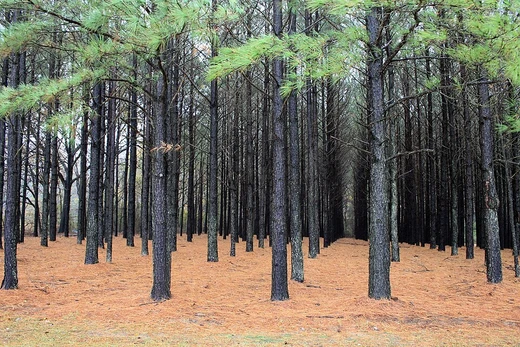
Corylus maxima
A Eurasian hazel species producing edible nuts in tubular husks.

Hladac · CC BY-SA 4.0
Corylus maxima, called the filbert, is a hazel species from the birch family. It grows naturally in southeastern Europe and southwestern Asia, from the Balkans to Ordu in Turkey.
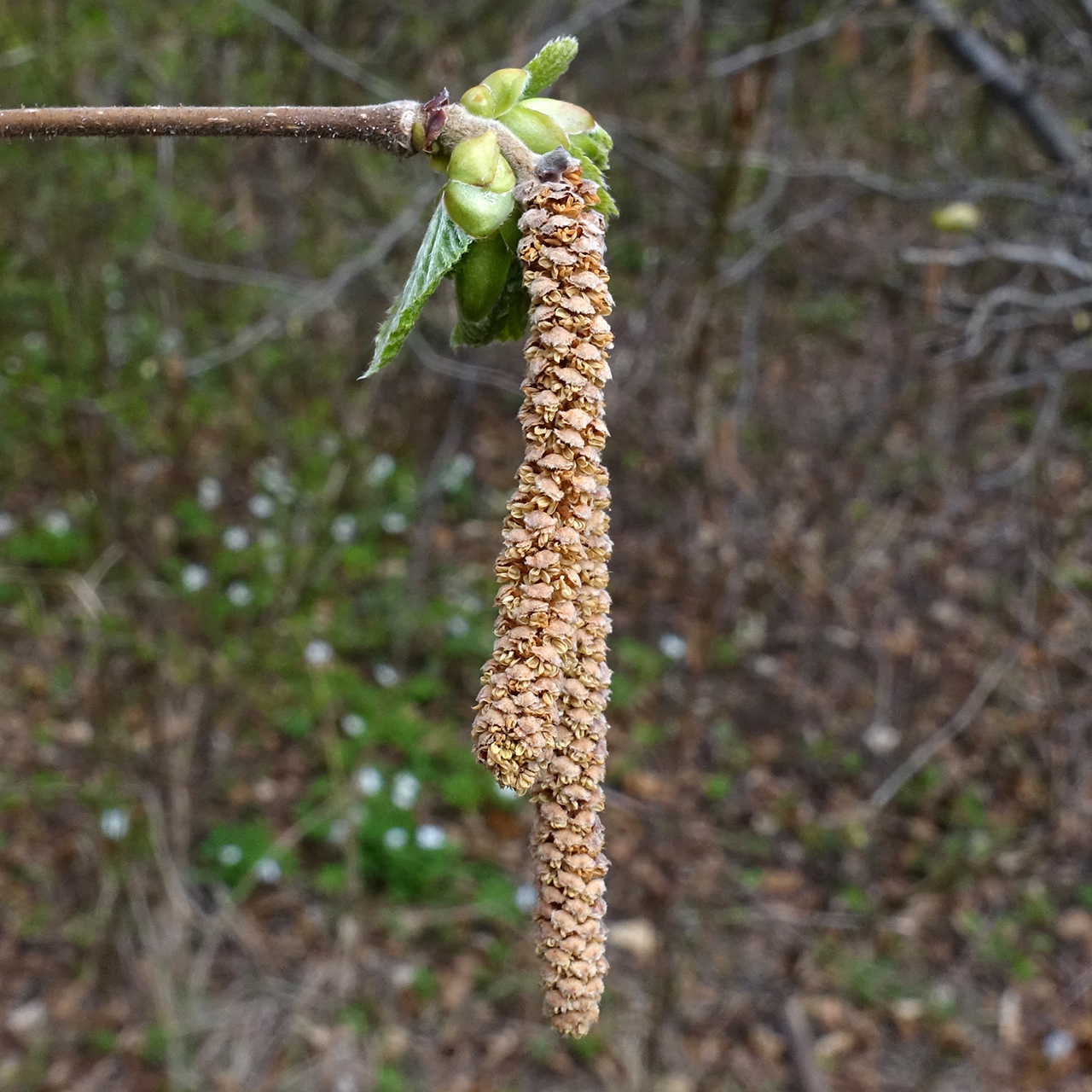
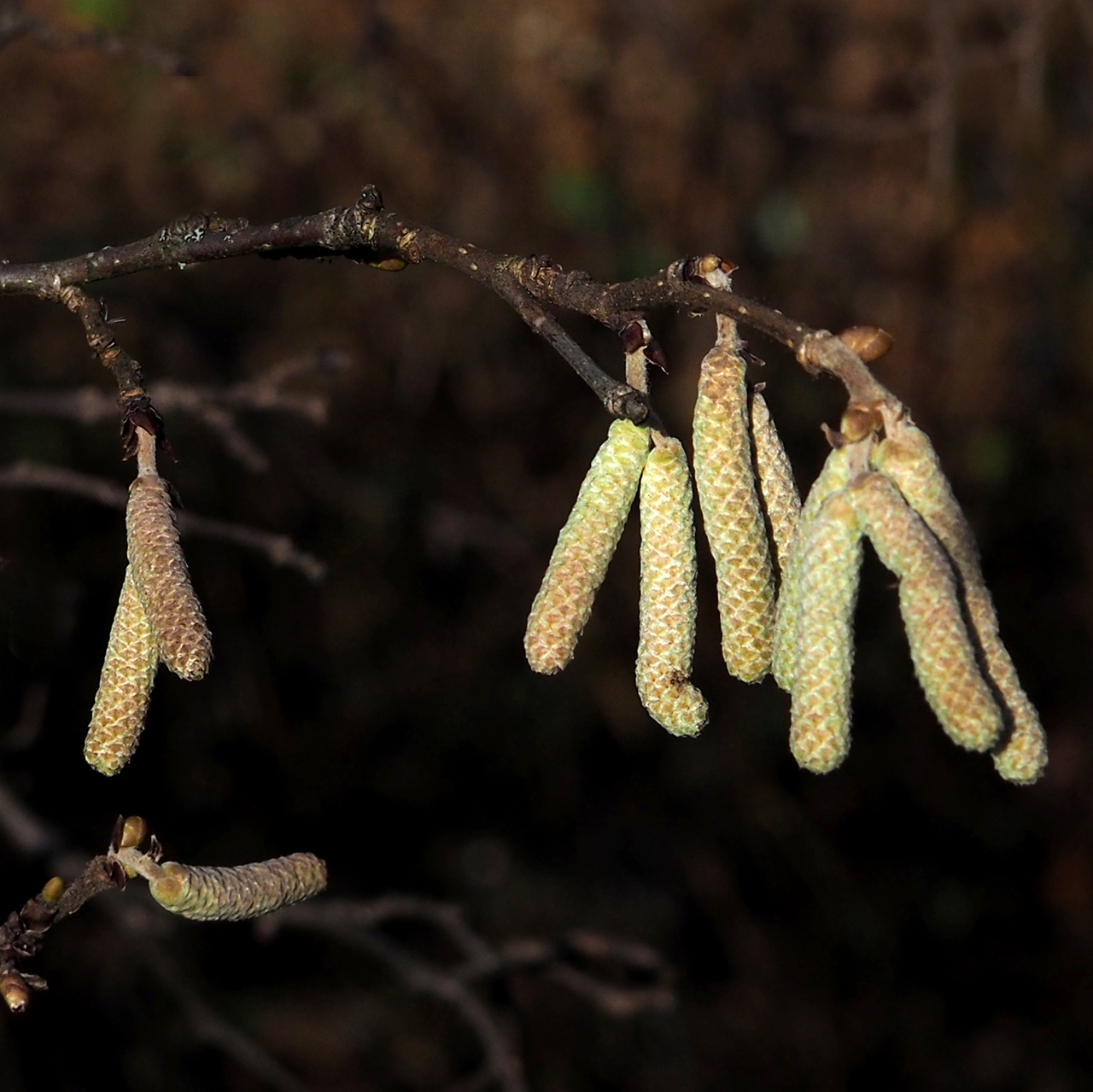
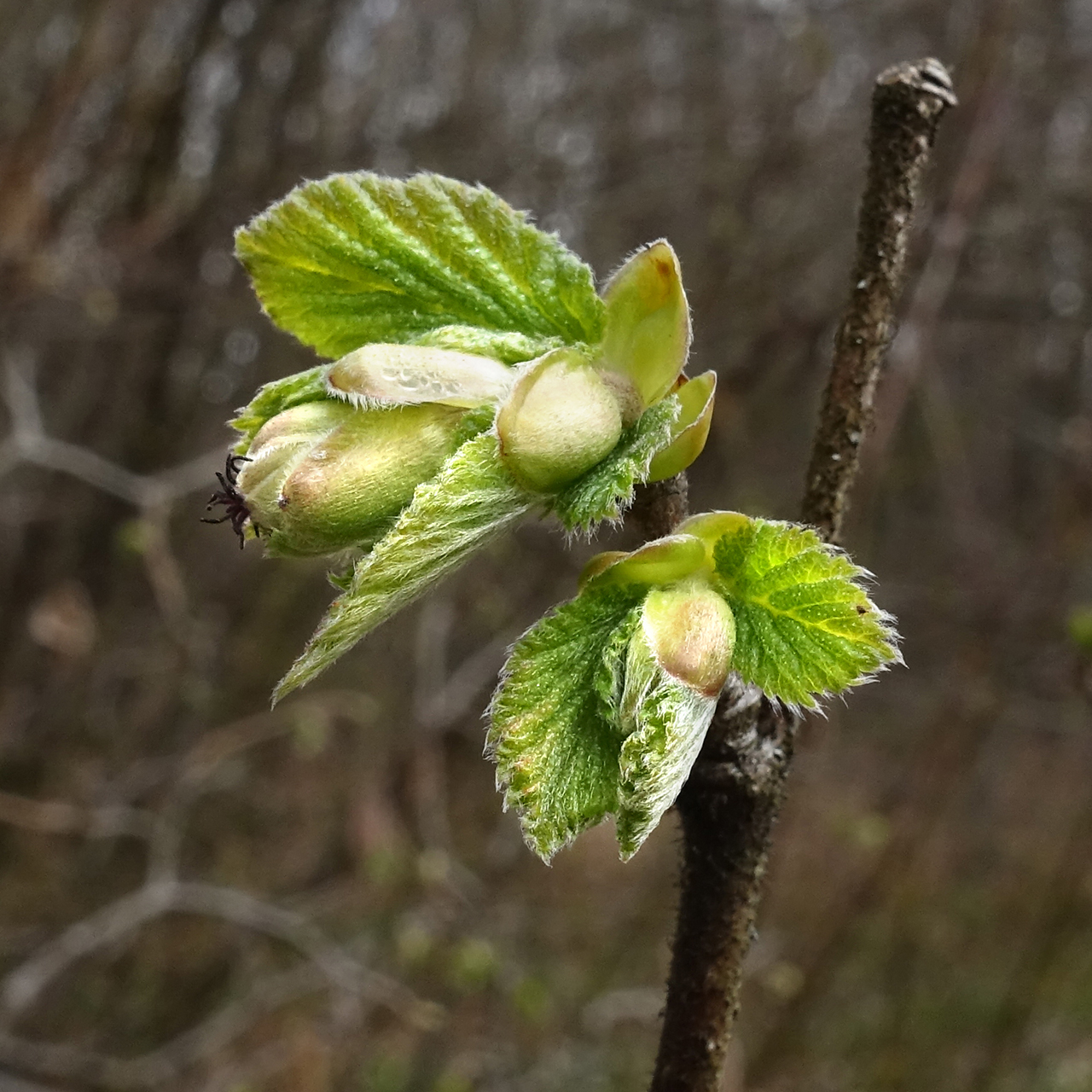
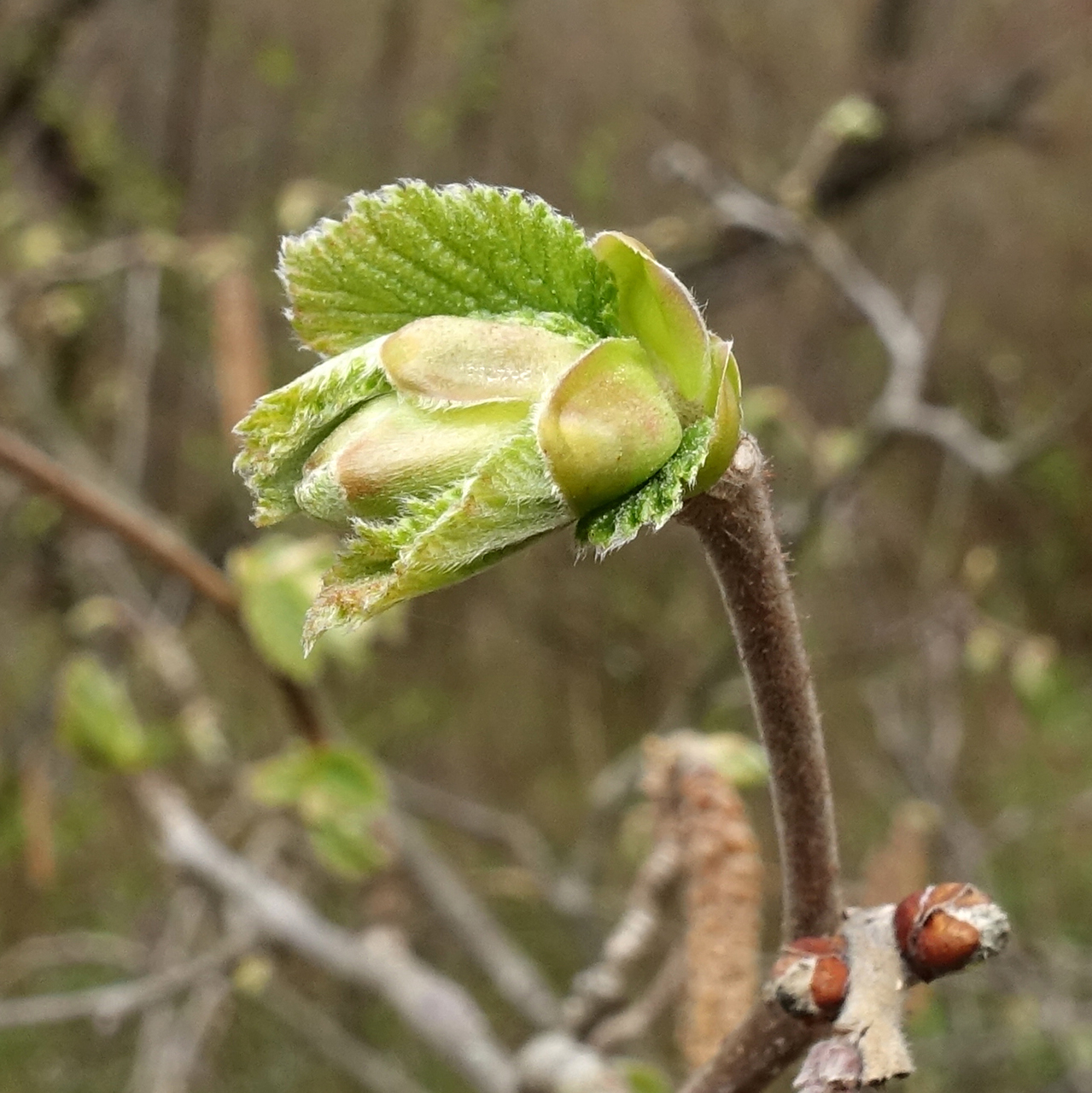
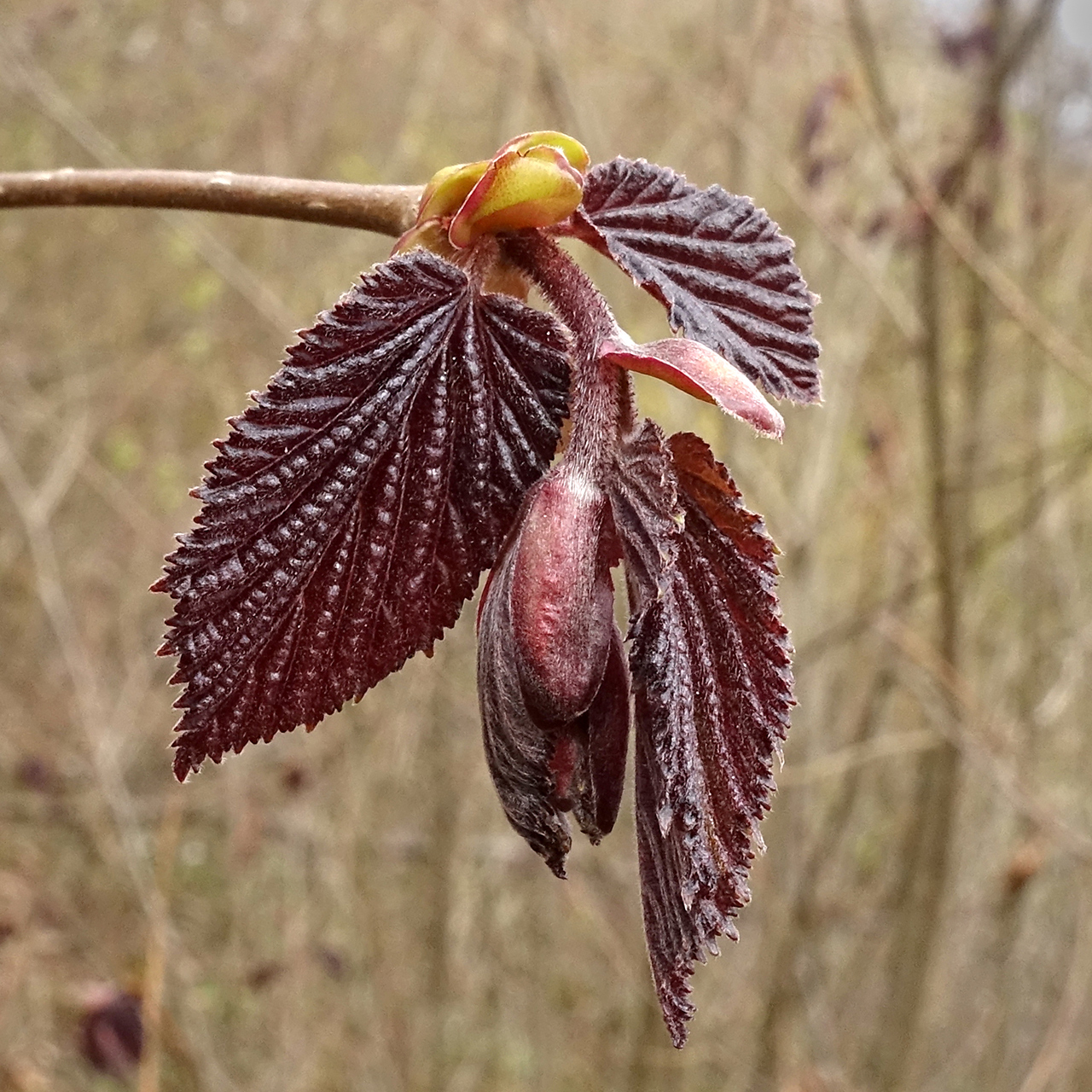
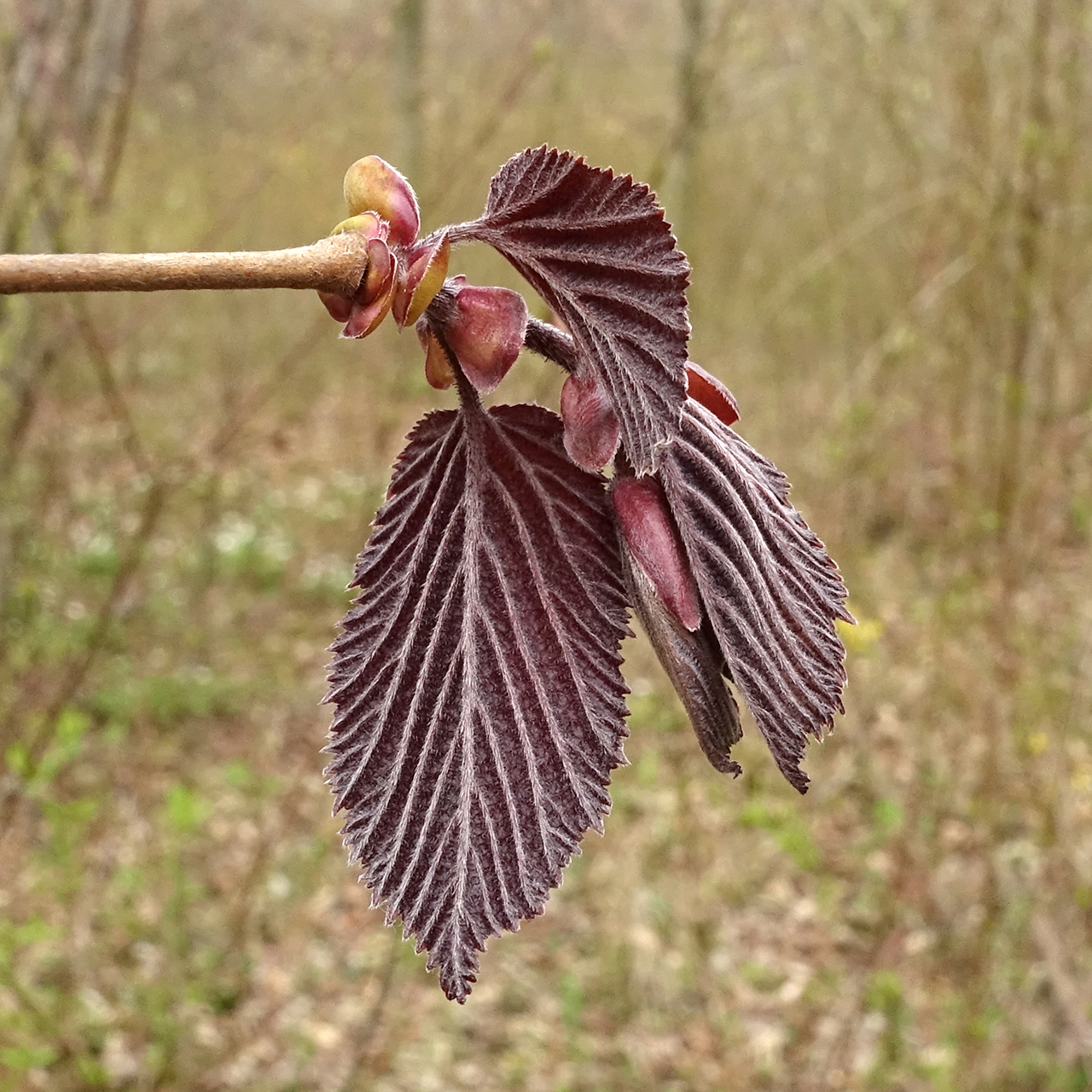
This deciduous shrub reaches 6–10 meters tall, with stems up to 20 centimeters thick. Its rounded leaves are 5–12 cm long and 4–10 cm wide, with coarsely double-serrated edges. The flowers are wind-pollinated catkins that appear in late winter. Male catkins are pale yellow and 5–10 cm long, while female catkins are bright red and only 1–3 mm long. The nuts grow in clusters of one to five, each nut 1.5–2.5 cm long and fully enclosed in a tubular husk 3–5 cm long.
The filbert closely resembles the common hazel (Corylus avellana), but its nut is more completely covered by the tubular husk. This same feature appears in North America's beaked hazel (C. cornuta) and eastern Asia's Asian beaked hazel (C. sieboldiana).
The edible nut tastes very similar to the hazelnut (cobnut). In the United States, filberts are mainly used as large filler—along with peanuts as small filler—in most mixed-nut containers. They are sometimes grown in orchards for their nuts, though much less often than common hazel. The purple-leaved cultivar 'Purpurea' is a popular ornamental shrub in gardens.
In Oregon, "filbert" is the local term for commercial hazelnuts in general. This usage has declined partly because Oregon growers rebranded their product for global markets and to avoid confusion. The name "filbert" may come from Norman French, possibly linked to Saint Philibert, whose feast day (20 August, old style) falls when the nuts ripen.
Quick Facts
- Species
- maxima
Facts from the source article.
Lore & Background
Corylus maxima is a deciduous shrub growing 6–10 meters tall, with stems up to 20 centimeters thick. Its rounded leaves are 5–12 cm long and 4–10 cm broad, with coarsely double-serrated margins. The flowers are wind-pollinated catkins: male catkins are pale yellow and 5–10 cm long, while female catkins are bright red and only 1–3 mm long. The fruit is a nut produced in clusters of 1–5, each nut 1.5–2.5 cm long and fully enclosed in a tubular involucre (husk) 3–5 cm long.
Gallery
More in Trees & Timber
Spotted an error? Know more?
Reader corrections go straight into our review queue. Suggest an edit · How this site is sourced