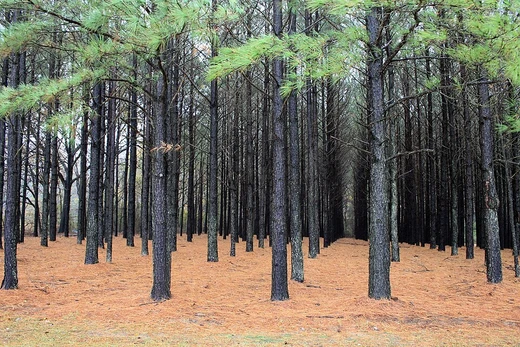
Cupressus sempervirens
A long-lived evergreen tree central to Mediterranean culture and ecology.

Al*from*Lig · CC BY-SA 4.0
Cupressus sempervirens—commonly called the Mediterranean, Italian, Tuscan, or Persian cypress—is a conifer native to the eastern Mediterranean and Iran. It thrives across the Mediterranean basin and has become established in other regions with dry summers, thanks to its tolerance for both acidic and alkaline soils and its resistance to drought. This tree holds cultural significance in Mediterranean and Middle Eastern societies, where it has long been used in symbolism, ceremonies, and folk remedies, and it is widely planted as an ornamental around the world.
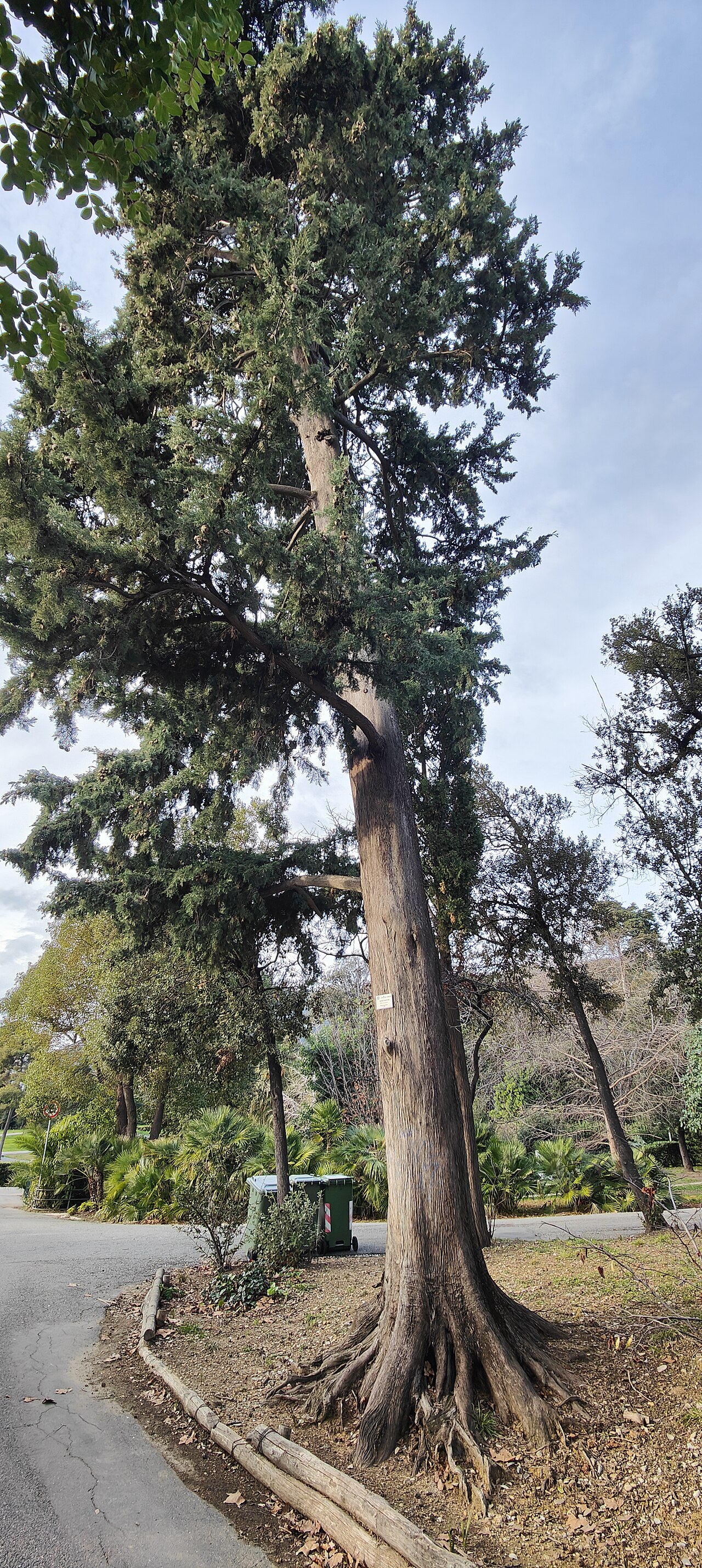
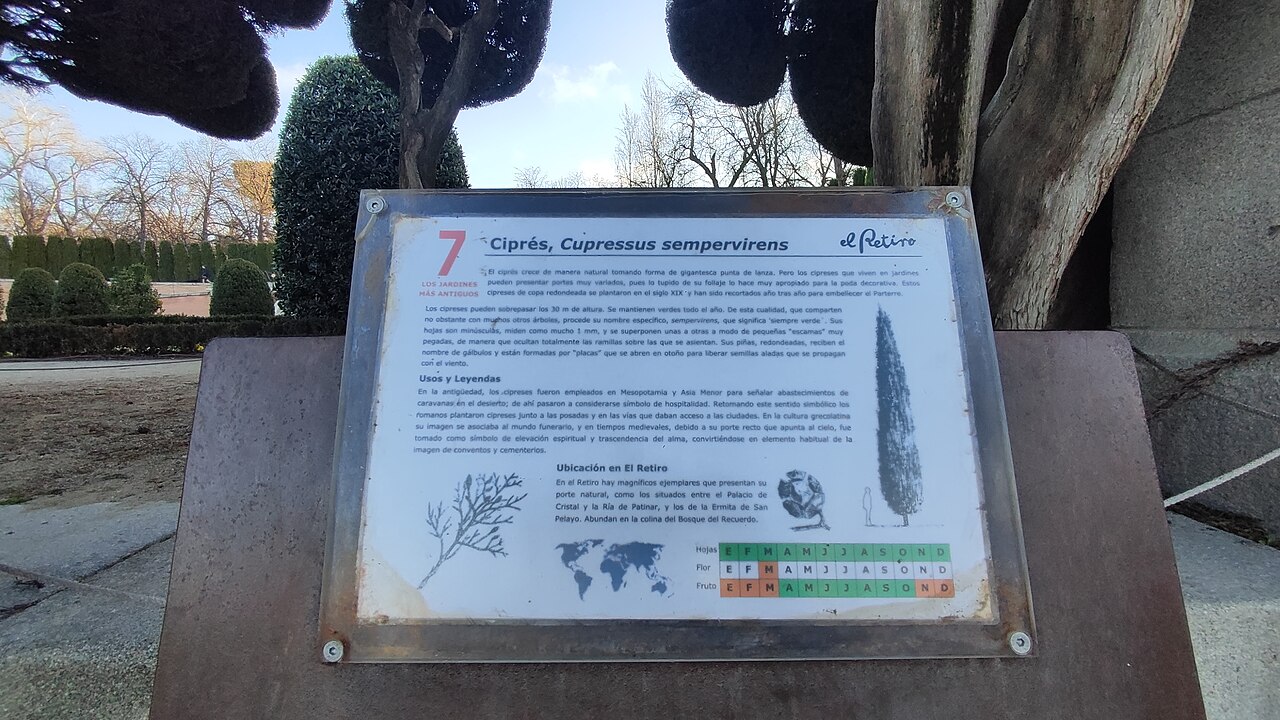
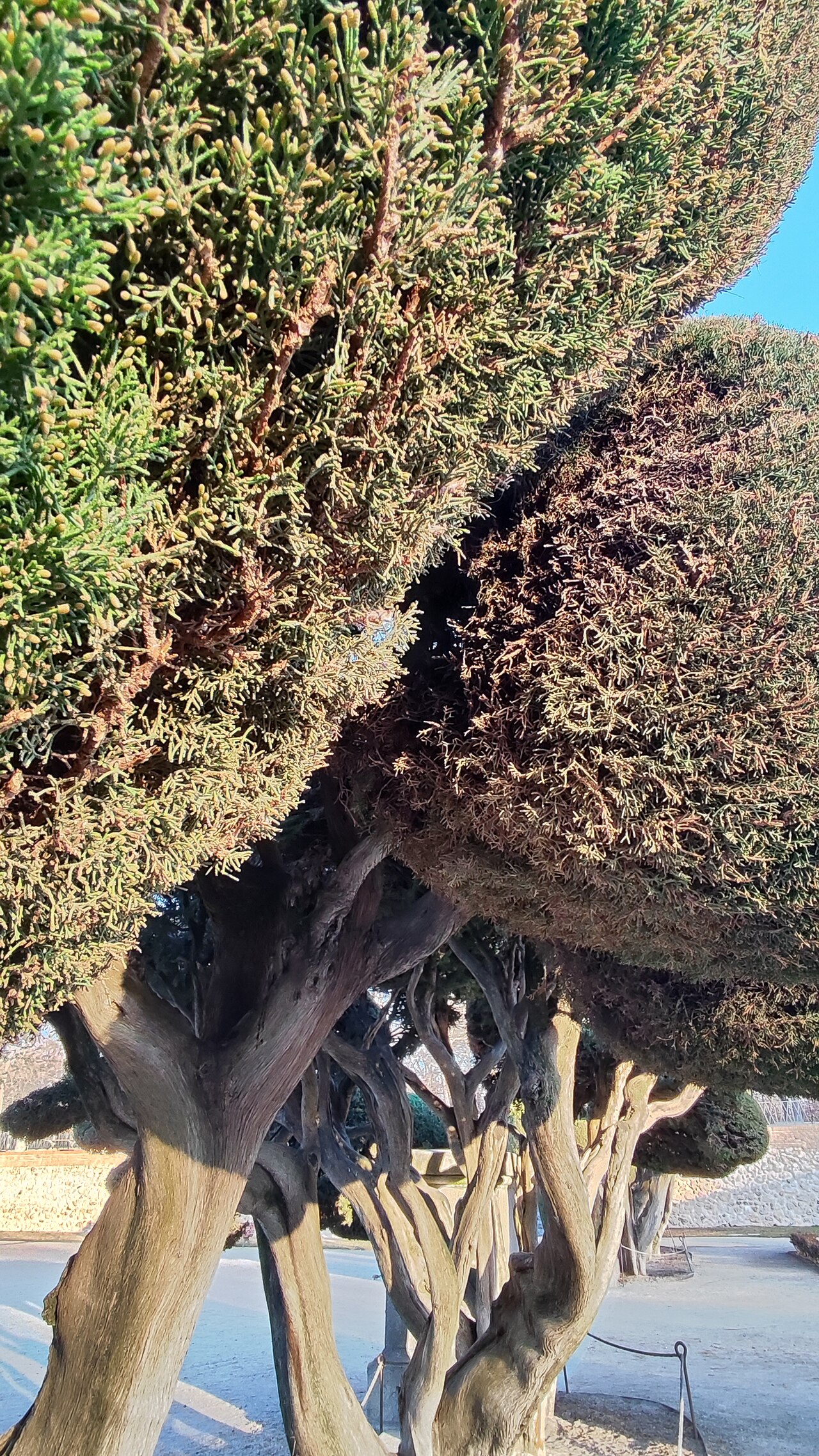
A medium-sized evergreen, it can reach 35 meters (115 feet) in height, with a conical crown, level branches, and loosely hanging branchlets. It is exceptionally long-lived, with some individuals reported to be over a thousand years old. Its lateral shoots often grow upward toward light, and the dense, dark green foliage consists of scale-like leaves 2–5 mm long on rounded shoots. The seed cones are ovoid or oblong, 25–40 mm long, with 10–14 scales that start green and turn brown 20–24 months after pollination. Male cones are 3–5 mm long and release highly allergenic pollen in late winter. The cones can remain sealed for years, a trait known as serotiny. The tree is highly susceptible to cypress canker, caused by the fungus Seiridium cardinale, which can lead to extensive dieback. The species name sempervirens means "evergreen" in Latin.
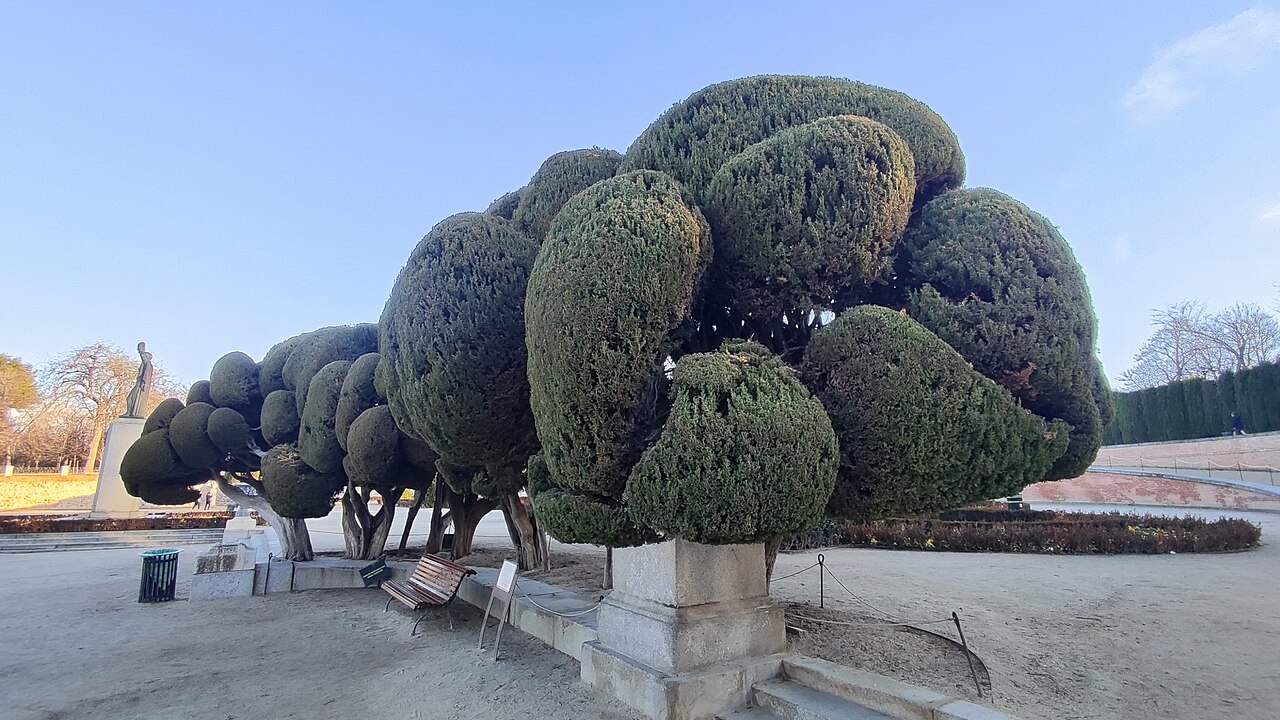
For millennia, C. sempervirens has been cultivated outside its native range, especially across the Mediterranean and in areas with hot, dry summers and mild, rainy winters, such as California, southwestern South Africa, and southern Australia. It also grows in cooler, moister climates like the British Isles, New Zealand, and the Pacific Northwest, as well as in humid subtropical zones like the coastal southern United States. In some places, notably the U.S., it is called Italian or Tuscan cypress. In its native range, it has historically been planted in gardens and cemeteries and used as windbreaks along roads, and it can help prevent land damage from severe weather. Most cultivated trees are fastigiate cultivars, with erect branches forming a narrow crown often less than a tenth as wide as the tree is tall—a dark green "exclamation mark" shape iconic to Mediterranean landscapes.
Quick Facts
- Species
- sempervirens
Facts from the source article.
Lore & Background
Cupressus sempervirens is a medium-sized coniferous evergreen tree growing up to 35 m tall, with a conic crown and variably loosely hanging branchlets. It is very long-lived, with some trees reported to be over 1,000 years old. The foliage grows in dense, dark green sprays, and the leaves are scale-like. The seed cones are ovoid or oblong, 25–40 mm long, with 10–14 scales that mature to brown about 20–24 months after pollination. The male cones release highly allergenic pollen in late winter. The tree is highly susceptible to cypress canker caused by the fungus Seiridium cardinale.
In Iran, C. sempervirens is called the 'Graceful Cypress' and bears metaphors for the graceful figure of the beloved.
Did You Know?
- The oldest living cypress, Sarv-e-Abarkooh in Iran, is estimated to be approximately 4,000 years old.
- In a 2012 forest fire in Andilla, Spain, only 12 out of 946 cypress trees were burned, demonstrating the species' fire resistance.
Gallery
Frequently Asked Questions
What is Cupressus sempervirens?
Cupressus sempervirens is a medium-sized evergreen conifer widely known by names such as Italian cypress, Tuscan cypress, or Persian cypress. It is native to the eastern Mediterranean and Iran and is instantly recognizable by its tall, columnar silhouette.
Where does Cupressus sempervirens naturally grow and why has it spread elsewhere?
Its native range covers the eastern Mediterranean basin and Iran. It has become naturalised in other dry-summer regions because it tolerates both acidic and alkaline soils and shrugs off prolonged drought.
More in Trees & Timber
Spotted an error? Know more?
Reader corrections go straight into our review queue. Suggest an edit · How this site is sourced