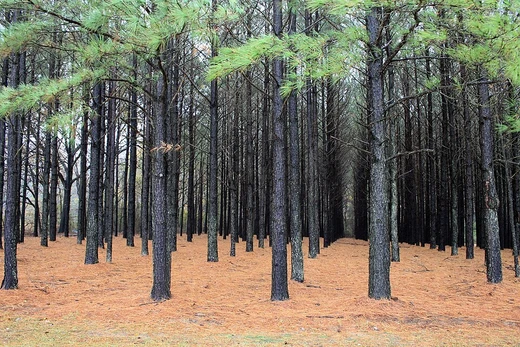
Dalbergia
A genus of tropical trees valued for fragrant, decorative timber.

ThrasherÜbermensch · CC BY-SA 4.0
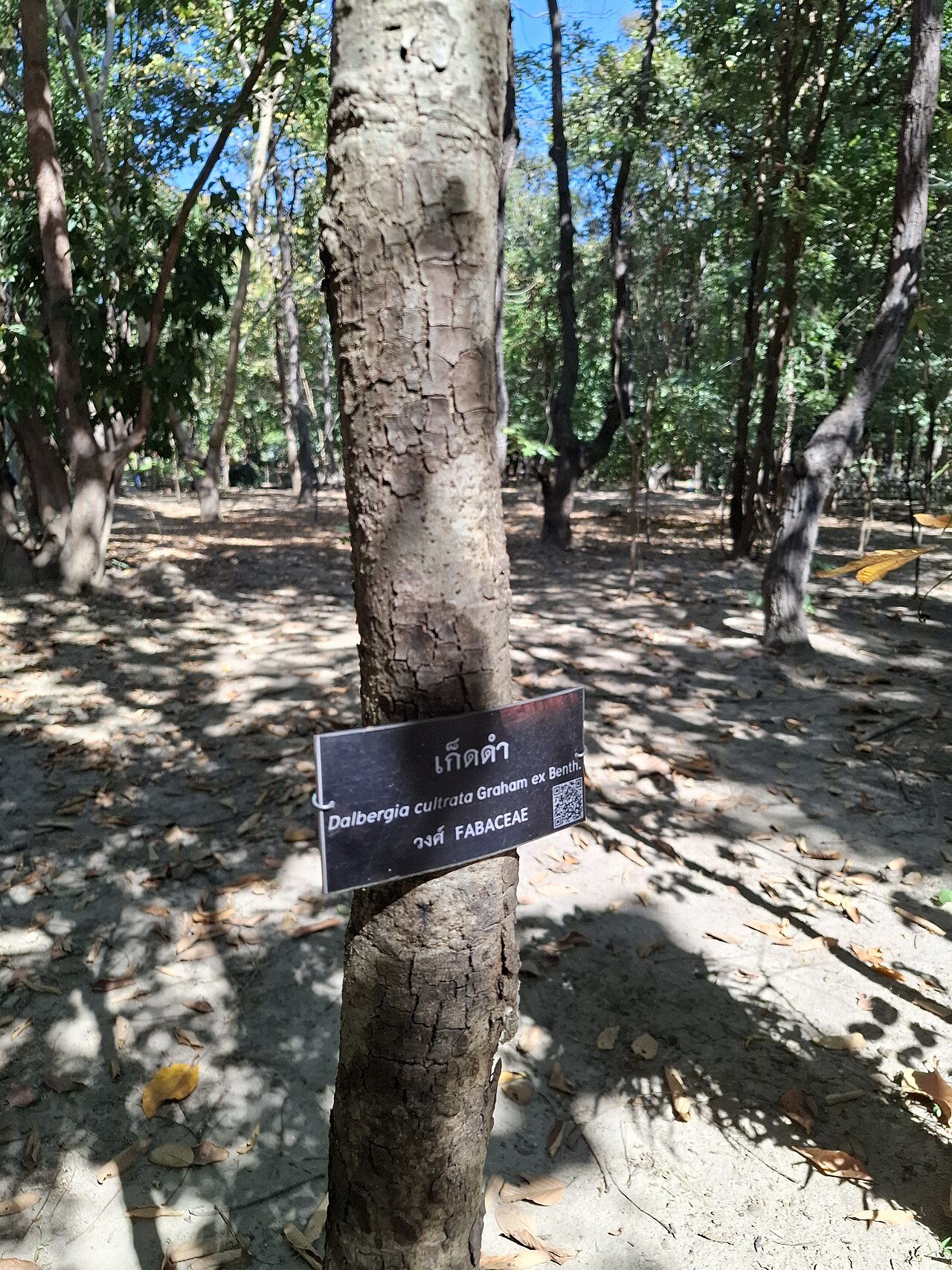
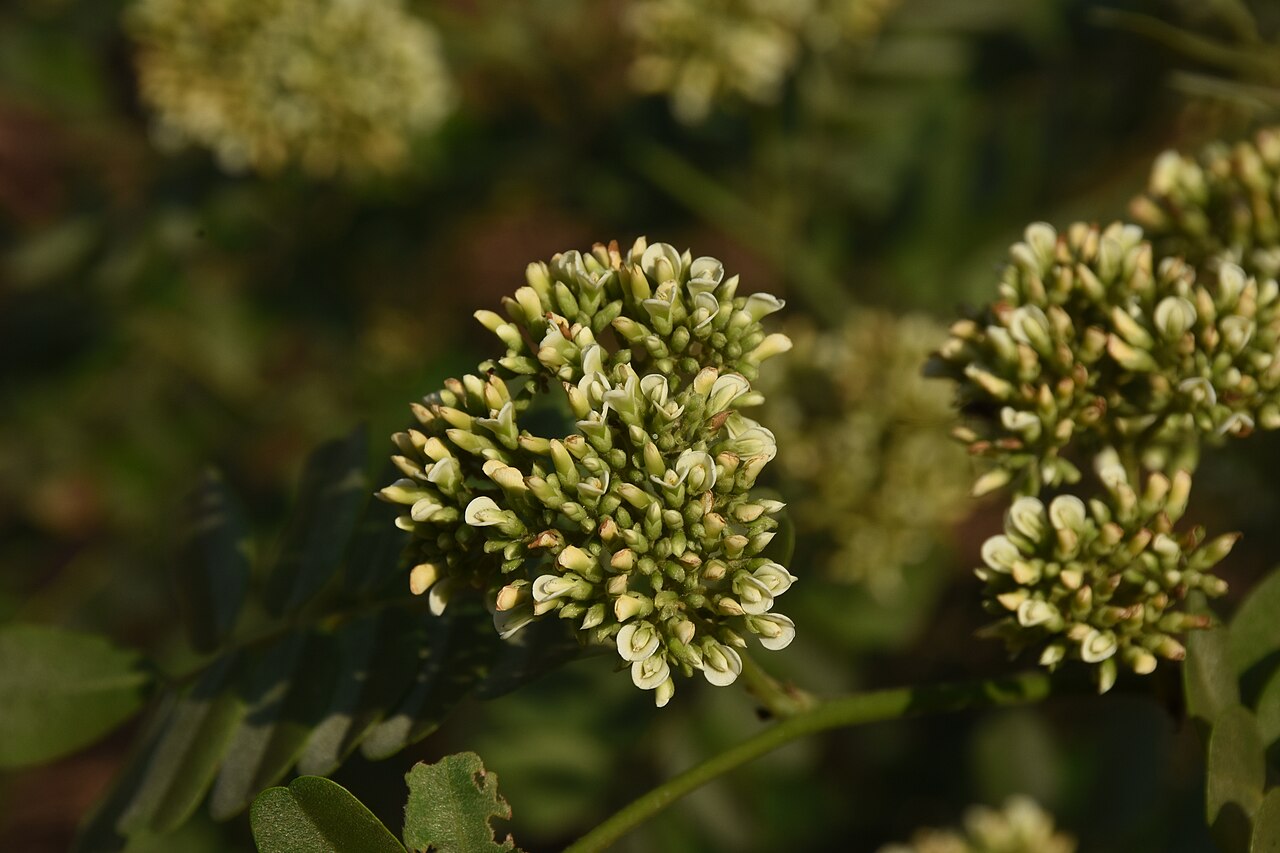
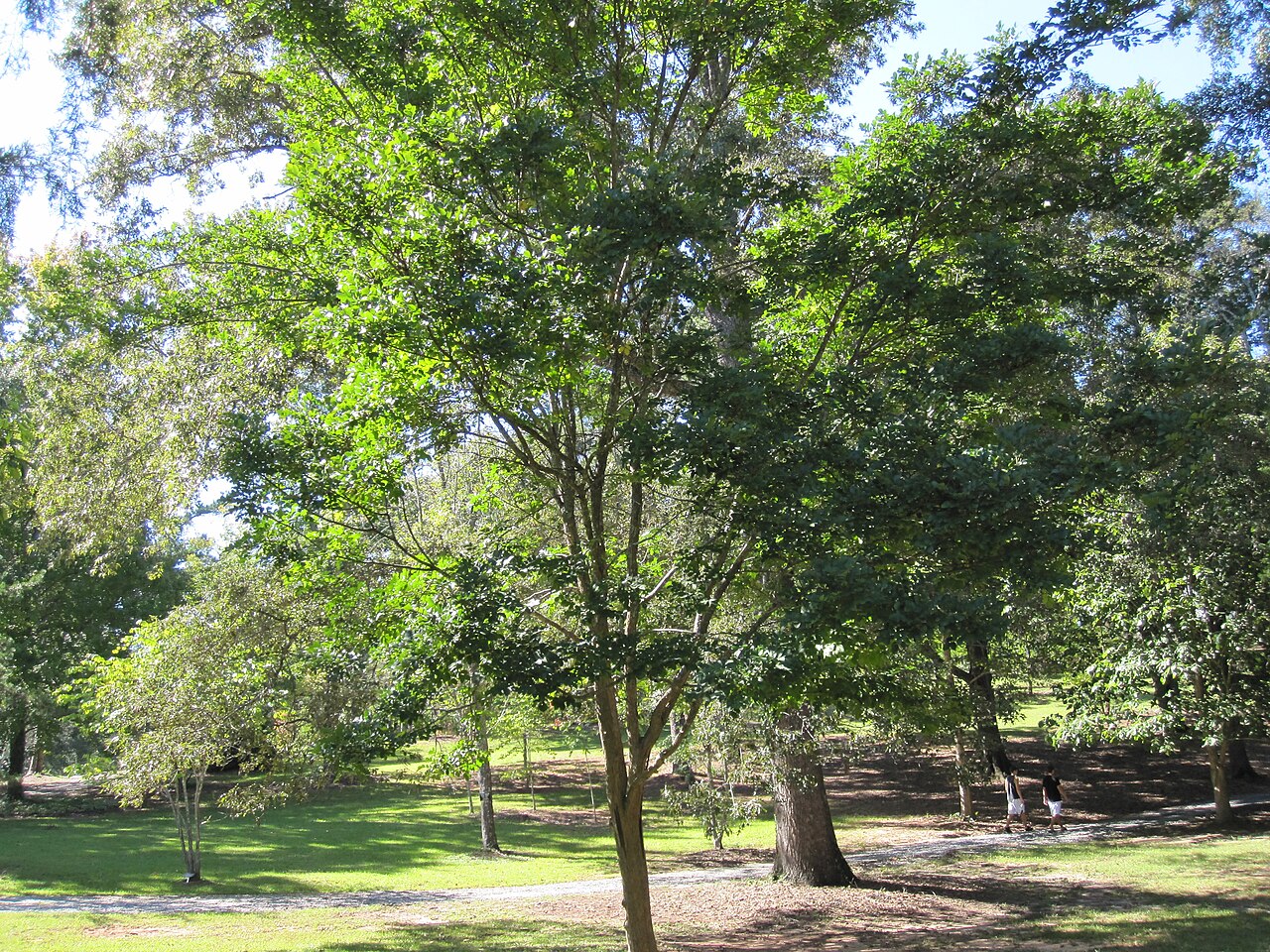
Dalbergia is a large genus within the pea family, Fabaceae, consisting of small to medium trees, shrubs, and lianas. It belongs to the Faboideae subfamily and has been placed in the informal, monophyletic Dalbergia clade, also known as the tribe Dalbergieae. The genus is widely distributed across tropical regions, including Central and South America, Africa, Madagascar, and Southern Asia.
Fossil evidence includes a seed pod of †Dalbergia phleboptera from a Chattian deposit in Aix-en-Provence, France. Fossils of †Dalbergia nostratum have been found in Lower Miocene rhyodacite tuff near Lučenec in southern Slovakia. Seed pods of †Dalbergia mecsekense come from a Sarmatian deposit in Hungary, while †Dalbergia lucida fossils have been described from the late Miocene Xiaolongtan Formation in Kaiyuan County, Yunnan, China.
Many Dalbergia species are valued as timber trees, prized for their decorative, often fragrant wood that is rich in aromatic oils. The most famous are the rosewoods, named for their scent when cut, but the genus also yields several other valuable woods. Species such as Dalbergia nigra (known as Rio, Bahia, Brazilian rosewood, palisander de Rio Grande, or jacaranda) and Dalbergia latifolia (East Indian rosewood or Sonokeling) have been heavily used in furniture and musical instruments due to their color and grain. Several East Asian species are important in traditional Chinese furniture.
Brazilian tulipwood (D. decipularis) is cream-colored with red or salmon stripes, commonly used in crossbanding and veneers; it is distinct from the tulipwood of the American tulip tree, Liriodendron tulipifera. Kingwood (D. cearensis), also Brazilian, is purple with darker stripes and comes from small to medium trees reaching about 10 meters. Cocobolo, mainly from D. retusa, is a Central American timber with a striking orange-red figure on fresh cuts that fades to softer tones over time.
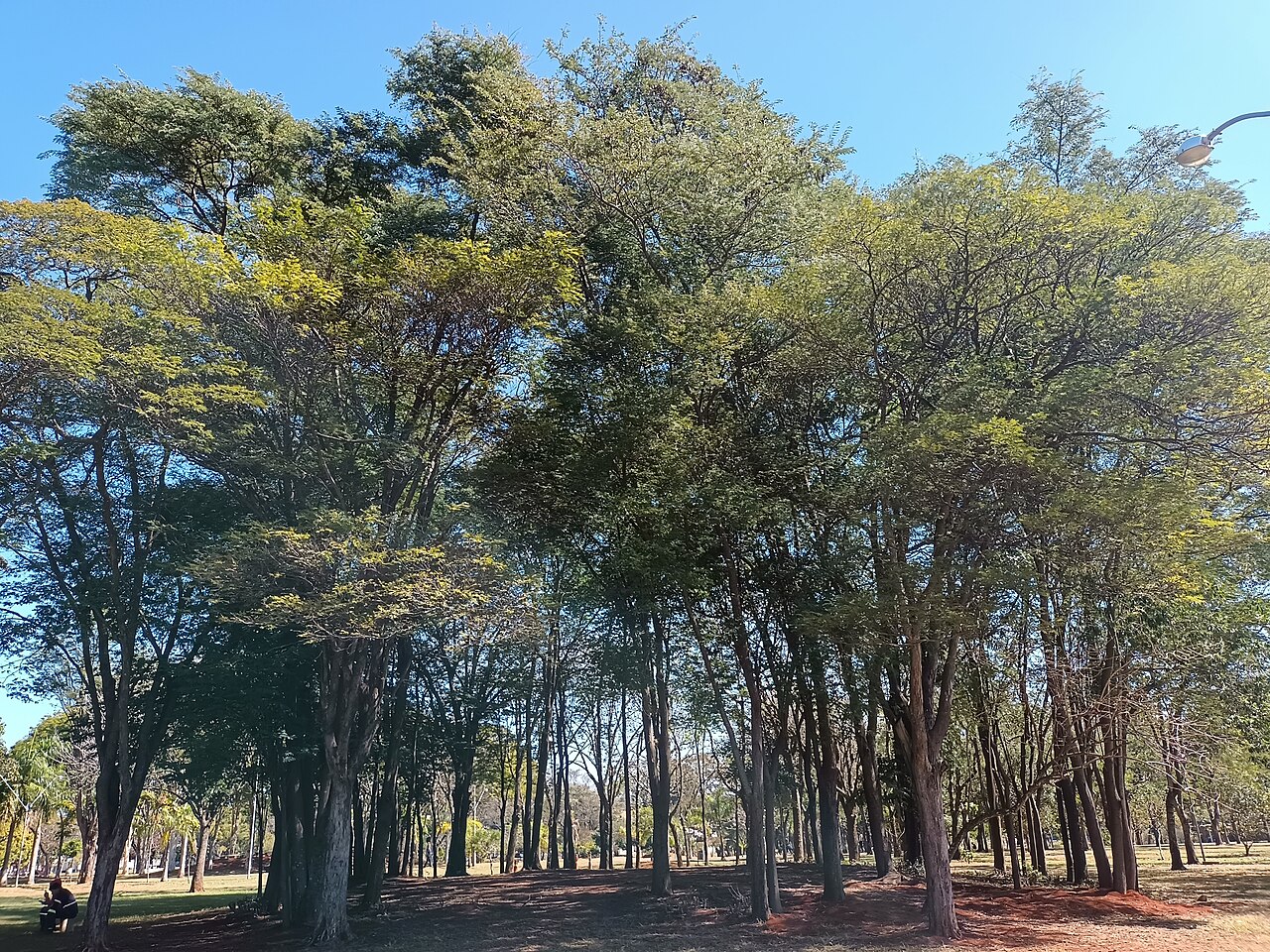
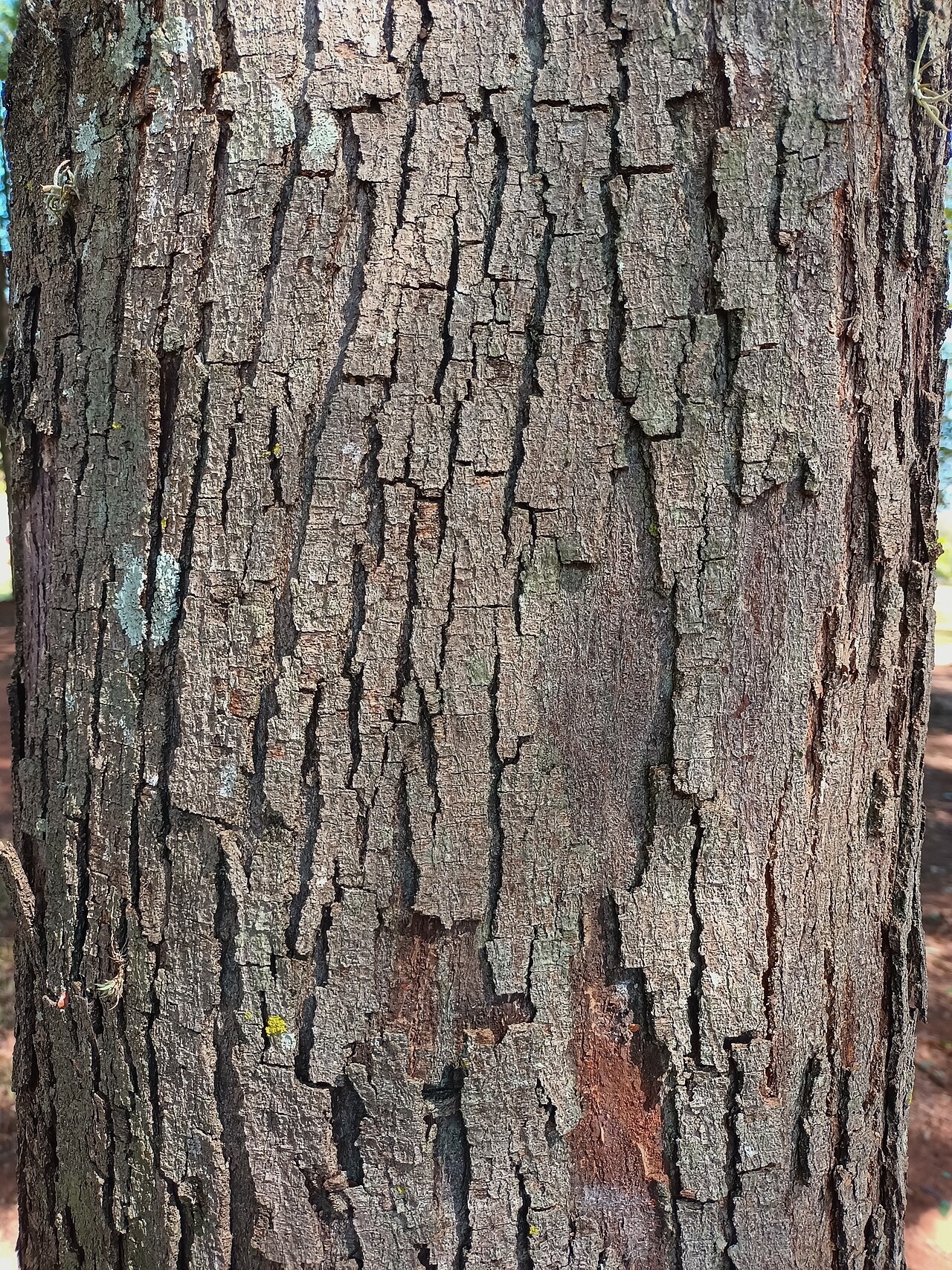
Dalbergia sissoo (Indian rosewood) is primarily used for furniture in northern India. Historically the main rosewood of the region, its wood is strong, tough, golden to dark brown, durable, and holds its shape well. It seasons easily but is difficult to work, taking a fine polish. It is used for high-quality furniture, plywoods, bridge piles, sporting goods, railway sleepers, and decorative veneers.
Quick Facts
- Field
- Botany (genus of trees, shrubs, and lianas)
- Native regions
- Tropical Central and South America, Africa, Madagascar, Southern Asia
- Notable species
- Dalbergia nigra
- Dalbergia latifolia
- Dalbergia sissoo
- Dalbergia melanoxylon
Facts from the source article.
Lore & Background
The fossil record of Dalbergia includes several extinct species. A fossil seed pod of †Dalbergia phleboptera was found in a Chattian deposit in Aix-en-Provence, France. Fossils of †Dalbergia nostratum have been found in Lower Miocene rhyodacite tuff in Southern Slovakia near Lučenec. Fossil seed pods of †Dalbergia mecsekense were found in a Sarmatian deposit in Hungary, and †Dalbergia lucida fossils have been described from the late Miocene Xiaolongtan Formation in Yunnan Province, China.
Many Dalbergia species are important timber trees. Dalbergia nigra (Brazilian rosewood) and Dalbergia latifolia (East Indian rosewood) have been heavily used in furniture and musical instruments. Dalbergia decipularis yields Brazilian tulipwood, cream colored with red or salmon stripes, used in crossbanding and veneers. Dalbergia cearensis produces kingwood, purple with darker stripes. Cocobolo, mainly from Dalbergia retusa, is a Central American timber with orange red figure that fades to subdued tones. Dalbergia sissoo (Indian rosewood) is used for furniture in northern India, and its export is highly regulated due to recent high rates of tree death from unknown causes. African blackwood (Dalbergia melanoxylon) is used for woodwind musical instruments.
Dalbergia species are used as food plants by some Lepidoptera larvae, including Bucculatrix mendax which feeds exclusively on Dalbergia sissoo. The wood of Dalbergia species is notorious for causing allergic reactions due to sensitizing quinones.
Gallery
More in Trees & Timber
Spotted an error? Know more?
Reader corrections go straight into our review queue. Suggest an edit · How this site is sourced