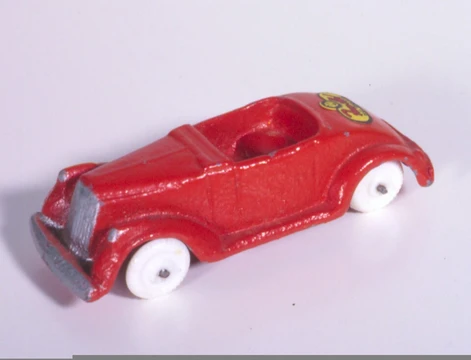
Die-cast toy
Metal miniature vehicles produced by die-casting since the early 1900s.

ChromeGames923 · CC BY-SA 4.0
A die-cast toy is a toy or collectible model produced by the die-casting method, using molten lead, zinc alloy, or plastic in a mold. Such toys are made of metal, often with plastic, rubber, glass, or other machined metal parts, and are distinct from wholly plastic injection-molded toys. Die-cast toys first appeared early in the 20th century and became widely popular as scale models of vehicles, with brands like Matchbox and Hot Wheels dominating the market.
- field
- Toy manufacturing
- known_for
- Scale model vehicles, especially cars, aircraft, and military vehicles
- first_produced
- Early 20th century
- common_materials
- Zamak alloy (zinc with aluminium and copper), lead alloy, plastic
Lore & Background
Die-cast toys were first produced early in the 20th century by manufacturers such as Meccano (Dinky Toys) in the United Kingdom, Dowst Brothers (TootsieToys) in the United States, and Fonderie de précision de Nanterre (Solido) in France. Early models were basic, with no interior, and often suffered from zinc pest due to impurities in the alloy, making pre-World War II examples difficult to find in good condition. The later high-purity Zamak alloy avoided this problem.
Lesney began making die-cast toys in 1947, and their Matchbox 1–75 series became so popular that 'Matchbox' is sometimes used informally for small die-cast cars, though it never became a true genericized trademark like 'Kleenex' or 'Xerox'. In 1968, Hot Wheels were introduced by Mattel to balance their line of Barbie dolls, quickly becoming a top seller. During the 1960s and 1970s, promotional die-cast vehicles became common, with companies like Coca-Cola, McDonald's, and Kodak commissioning models featuring their logos.
Economic conditions in the UK led to the bankruptcy of Meccano (Dinky) in 1979, while Matchbox faced financial difficulties in the 1980s but did not go bankrupt; Corgi also avoided bankruptcy during that decade. Production shifted to the Far East, with Mattel buying Matchbox in 1997. Lledo, founded by former Matchbox partner Jack Odell, produced collectibles in England until 2002. Oxford Diecast, founded in 1993, has always manufactured in China.
Reader's Guide
Die-cast toys have had a significant impact on toy culture and collecting. They began as simple children's toys but evolved into highly detailed collectibles, especially from the 1950s onward as quality improved. The introduction of promotional models in the 1960s linked die-cast vehicles to brand advertising, creating a new market for adult collectors. The rivalry between Matchbox and Hot Wheels drove innovation in design and performance, with Hot Wheels emphasizing speed through low-friction wheels. The industry's shift to manufacturing in the Far East in the 1980s reflected broader economic changes, but the brands survived through acquisitions. The Diecast Hall of Fame, established since 2009, recognizes contributors to the industry. Today, die-cast toys remain popular as both toys and collectibles, with a legacy of detailed scale models and promotional items that have influenced generations of consumers.
Did You Know?
- The metal used in die-casting is often zamak, an alloy of zinc with small quantities of aluminium and copper.
- Early die-cast toys before World War II are difficult to find in good condition due to zinc pest caused by impurities.
- Matchbox vehicles mildly advertised products like Singer sewing machines, Tetley tea, and Coca-Cola.
- The Diecast Hall of Fame has inducted designers and industry executives since 2009.
The Craft of Metal Casting
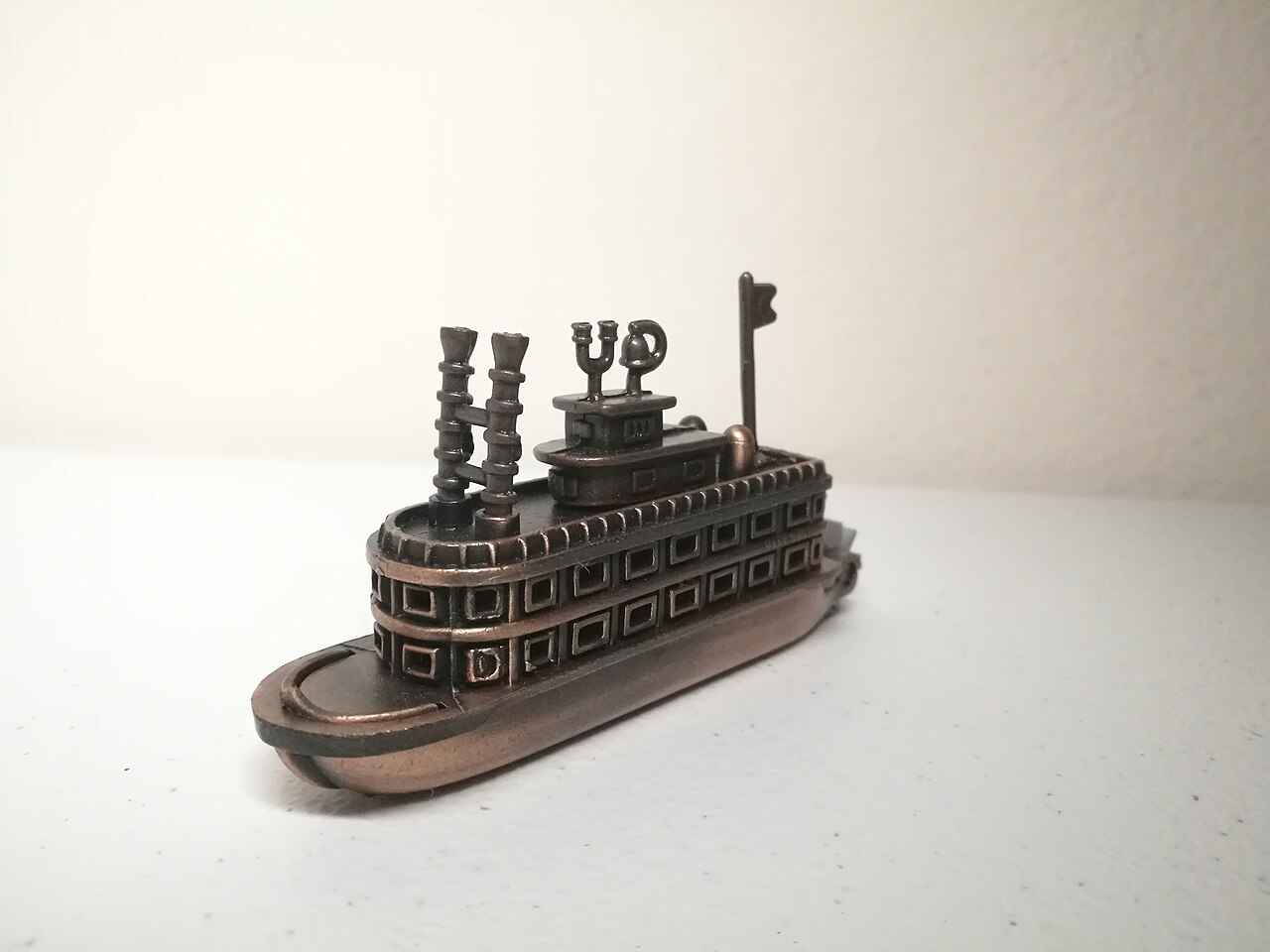
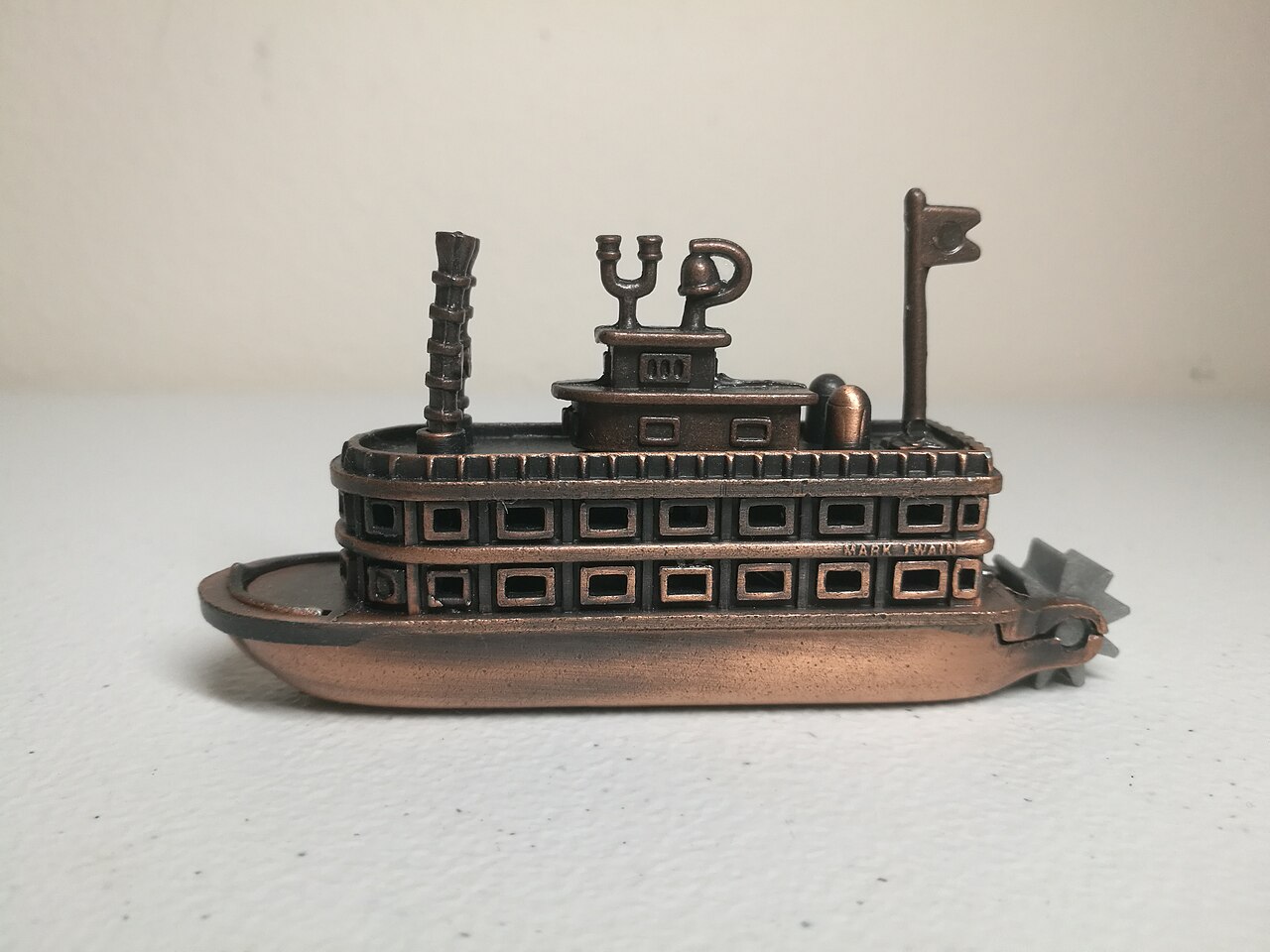
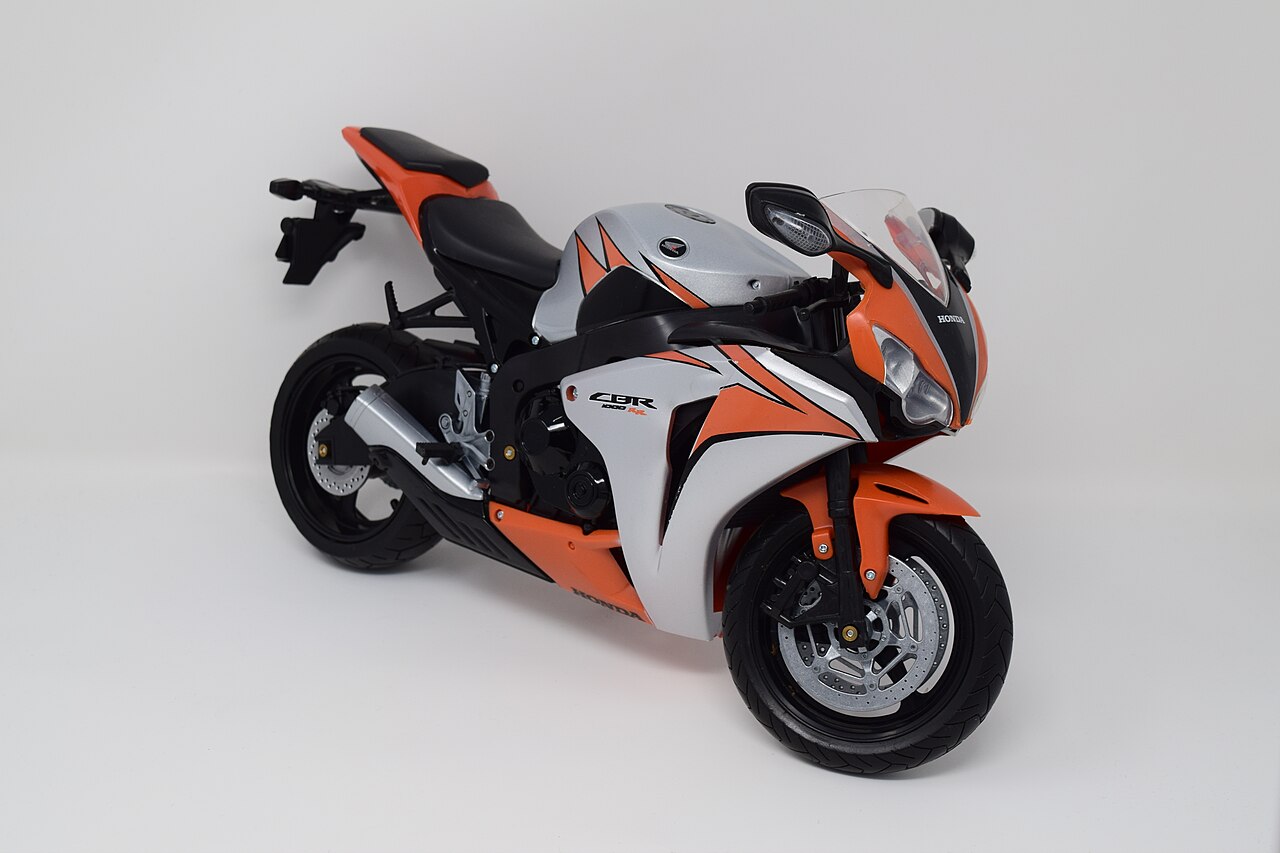
Die-cast toys are miniature objects formed by pouring molten metal—historically lead, and more frequently a zinc-based alloy known as zamak (or Mazak in British usage)—into a precision mold. The resulting pieces are predominantly metal, though they often incorporate small components of plastic, rubber, glass, or separately machined metal. This technique is fundamentally different from injection molding, the method used for entirely plastic toys, because the physical properties of the materials demand distinct handling. The zamak alloy blends zinc with trace amounts of aluminium and copper, and manufacturers must vigilantly exclude lead and iron impurities; their presence triggers a degradation process commonly referred to as zinc pest, which causes castings to warp, fracture, or disintegrate over time. Alloys leaning more toward lead or iron carry the colloquial labels "white metal" or "pot metal." While the vast majority of die-cast products are scaled-down replicas of cars, planes, military hardware, construction machinery, and trains, the method is versatile enough to produce Monopoly pieces, furniture handles, and even metal garden sprinklers.
Pioneers and the Rise of Iconic Brands
The die-cast toy industry traces its origins to the early twentieth century, when firms like Meccano's Dinky Toys line in Britain, Dowst Brothers' TootsieToys in America, and France's Fonderie de précision de Nanterre (later Solido) began producing small metal vehicles. Those earliest castings were remarkably simple—essentially a tiny body with no interior detail—and many suffered from zinc pest, making pre-war examples rare and fragile today. The adoption of high-purity zamak eventually solved that deterioration problem. In 1947, Lesney entered the market with what would become the Matchbox 1–75 series, a line of exactly seventy-five vehicles each sold in a box styled after a match container. The name "Matchbox" eventually became a generic shorthand for any die-cast toy car. Through the 1950s, detail and craftsmanship improved markedly, and new entrants such as Corgi (launched 1956, which pioneered visible interiors and windows), Italy's Mercury, Denmark's Tekno, and Germany's Schuco and Gama Toys joined the field. Then in 1968, Mattel launched Hot Wheels in the United States, equipping its cars with low-friction wheels and axles that made them genuinely fast. Hot Wheels rapidly overtook Matchbox to become the world's best-selling die-cast car line.
The Promotional Gold Rush and the Collector's Turn
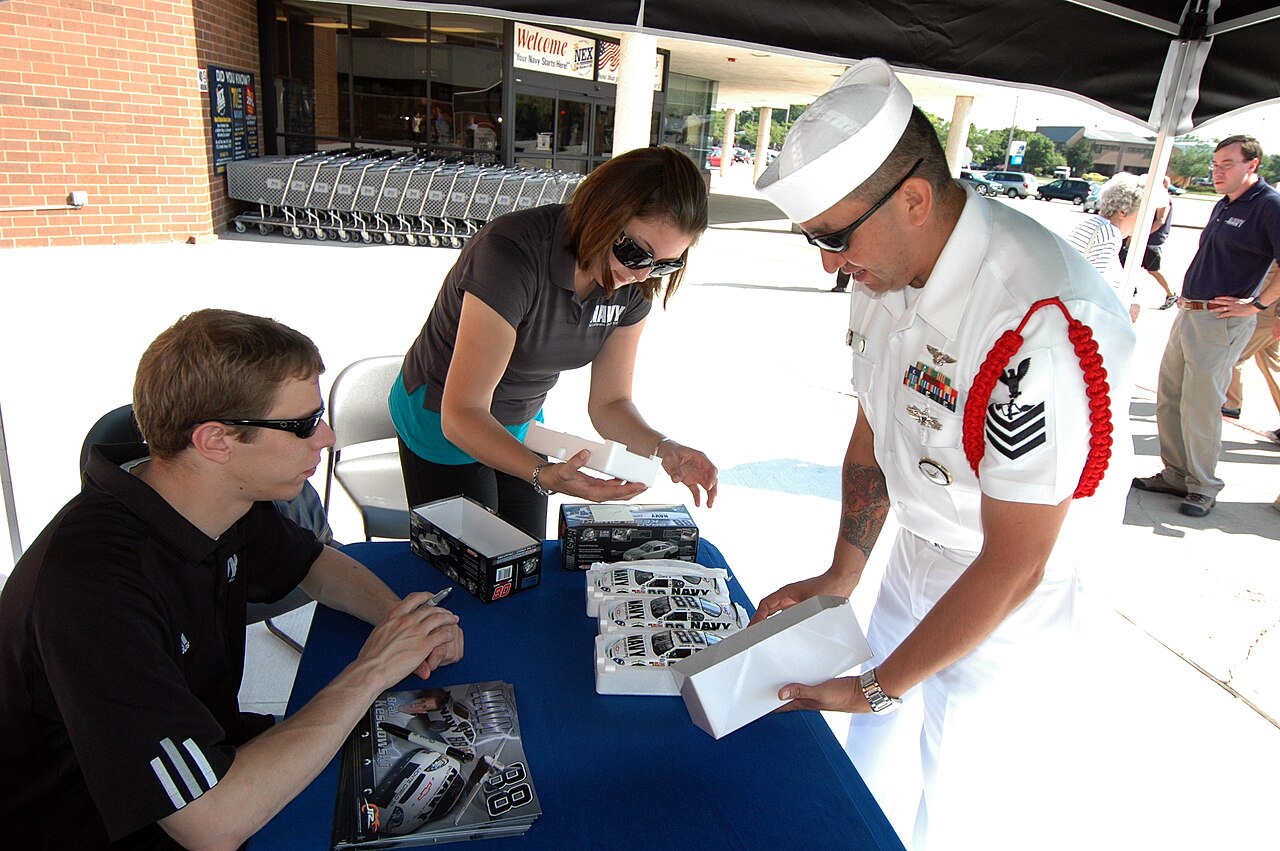
What began as modest advertising—Meccano had printed logos on Dinky Toys as early as 1934—exploded in the 1960s into a full-blown promotional strategy. Companies recognized that children heavily influence household purchasing and that early brand exposure shapes adult buying habits. Matchbox vehicles carried the names of Singer sewing machines, Tetley tea, Pickford's moving services, and Coca-Cola. Later, McDonald's, Sears Roebuck, Kodak, and Texaco all commissioned custom models bearing their trademarks. A Matchbox American Airlines London bus set a precedent that other airlines quickly imitated. From the mid-1970s onward, commercial trucks surged in popularity. Matchbox re-launched its Models of Yesteryear range, producing dozens of liveried versions of a single Y-12 Ford Model T van. Corgi pushed the concept further in the mid-1980s, releasing over fifty variations of a 1920s Thornycroft van and hundreds of 1/64-scale Routemaster buses, each painted for a different British retailer like Harrods, Selfridges, or Hamley's. Critics derided the trend as "collecting paint" because the underlying castings were identical, yet the strategy saved companies the cost of new tooling. By the 1980s, a significant share of die-cast vehicles were being bought by adults as collectibles rather than as children's playthings.
Bankruptcies, Consolidation, and a New Era
The 1980s proved devastating for the British die-cast industry. Meccano (Dinky), Matchbox, and Corgi all collapsed into bankruptcy within a three-year window, a pattern that mirrored the broader economic downturn in the United Kingdom. Manufacturing in England had become so costly that competing on the global market was no longer viable. Mattel had already relocated most of its production from the United States to the Far East. Matchbox was acquired by the Hong Kong conglomerate Universal Holdings, which shifted manufacturing to Macau. In 1997, Mattel purchased Matchbox outright, effectively making Hot Wheels and the Matchbox 1–75 line sister brands under one corporate umbrella, though both continue to sell under their own distinct names. Corgi, too, was absorbed by Mattel, with its headquarters relocated from Swansea in Wales to Leicester in England. Despite this upheaval, the industry has found new avenues of recognition. Since 2009, the Diecast Hall of Fame has inducted designers, executives, and other figures who made significant contributions to the field, cementing the cultural legacy of a hobby that began with simple metal bodies and grew into a global collectibles market.
Gallery
Frequently Asked Questions
What is a die-cast toy?
A die-cast toy is a small model—most commonly a vehicle—formed by pouring molten metal into a shaped mold. It typically pairs a metal body with plastic, rubber, or glass accent pieces, which distinguishes it from toys made entirely out of injection-molded plastic.
What materials are die-cast toys made from?
The primary body is usually cast from Zamak alloy, a zinc-based mixture containing aluminium and copper, though earlier examples relied on lead alloy. Smaller details such as wheels, windows, or tires may be rubber, glass, or machined metal, and some modern versions incorporate plastic components.
When did die-cast toys first appear?
The die-casting method was applied to toy production in the early 1900s, making it one of the older mass-production techniques in the toy industry. It later became the go-to approach for creating detailed scale replicas of cars, planes, and military hardware.
How is a die-cast toy different from a regular plastic toy car?
The core difference lies in the manufacturing step: die-casting fills a mold with liquid metal, while injection molding forces heated plastic through a nozzle into a cavity. This gives die-cast pieces a heavier, more solid hand-feel and often finer surface detail than their all-plastic counterparts.
What are die-cast toys most known for, and which brands lead the category?
They are best recognized as scale-model replicas of cars, aircraft, and military vehicles. Brands such as Matchbox and Hot Wheels have dominated both the collector hobby and mainstream retail for decades.
More in Toys 1-20
Spotted an error? Know more?
This is a living reference — every entry is fact-audited, and reader corrections feed straight into our audit queue. Suggest an edit · See this site's audit record