Strømme syndrome
Rare genetic syndrome with apple-peel intestinal atresia and eye defects.
Last updated
Strømme syndrome is a very rare autosomal recessive genetic condition characterized by intestinal atresia, eye abnormalities, and microcephaly. The intestinal atresia is of the apple-peel type, and the front third of the eye is typically underdeveloped. It is caused by mutations in both copies of the CENPF gene, which codes for centromere protein F, and can be classified as a ciliopathy.
History
The condition was first identified in 1993 when Norwegian paediatrician Petter Strømme and his associates observed two infant siblings with microcephaly, eye abnormalities, and apple-peel intestinal atresia at Rogaland Central Hospital in Stavanger, Norway, proposing it as a new syndrome. Later studies by Slee and Goldblatt (1996), Shanske et al. (2002), Bellini et al. (2002), and others reported additional patients.
In 2008, Van Bever et al. proposed naming the syndrome after Strømme. In 2015, Waters et al. found mutations in both copies of CENPF in a British family with four miscarried foetuses showing ciliopathy symptoms, and in a girl with microcephaly, confirming CENPF mutations as pathogenic. In 2016, Filges et al. used whole exome sequencing on Strømme's original siblings and found they both had mutations in both CENPF copies, establishing CENPF as the cause.
Signs and symptoms
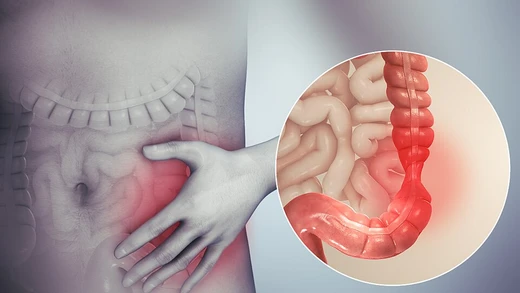
The most common symptoms are intestinal atresia, eye abnormalities, and microcephaly, but severity varies widely and generally runs in families. Some individuals have only mild learning disability and microcephaly, while others die in utero with severe malformations of the kidneys, heart, eyes, skeleton, brain, and intestines. This variability is thought to result from the presence or absence of mutations in other genes with similar functions to CENPF. The intestinal atresia is of the apple-peel type, usually affecting the jejunum, and often much of the bowel is missing; intestinal malrotation may also occur.
At least two individuals with the syndrome have avoided intestinal atresia. The eyes are often smaller and underdeveloped, more severely in one eye, and may show coloboma, cataracts, corneal opacity, sclerocornea, microcornea, or synechia. This anterior segment dysgenesis can increase glaucoma risk, though no such cases had been reported as of 2017. Other eye findings include esotropia, twisted retinal blood vessels, or optic nerve hypoplasia, potentially leading to astigmatism or amblyopia.
Cause
Strømme syndrome is caused by mutations in both copies of the CENPF gene on the long arm of chromosome 1. CENPF codes for centromere protein F, which is involved in chromosome separation during cell division by forming part of kinetochores, disc-shaped protein complexes that allow chromatids to attach to microtubules. Mutations impair cell division, making mitosis take longer. CENPF also localizes at the mother centriole to orient microtubules for forming primary cilia, which send and receive signals for cell migration, division, or differentiation.
Mutations disrupt cilia formation, resulting in fewer and shorter cilia, classifying the syndrome as a ciliopathy. Identified mutations are mostly nonsense, but frameshift and splice-site mutations also occur; several nonsense mutations are in exon 12. Severity is variable regardless of mutation type but consistent within families, suggesting epistasis with other genes. An interaction between CENPF and NDE1, which causes microlissencephaly when mutated, may relate to the microcephaly in Strømme syndrome.
Diagnosis
Doctors usually diagnose Strømme syndrome by looking for its signs, but genetic tests can give a definitive answer. Before birth, an ultrasound can spot the small head size, blocked intestine, and certain eye issues.
An MRI of the brain can show any related brain problems. To find the cause, doctors might use whole exome or panel sequencing, and then Sanger sequencing to pinpoint the exact mutation. For families with a known CENPF gene mutation, future pregnancies can be tested prenatally or through preimplantation genetic diagnosis.
Did You Know?
- A 2021 case report described successful kidney transplant for renal failure in one late adolescent patient.
- Ruby Ardolf, diagnosed with Strømme syndrome, appeared in a viral Instagram video in May 2017.
More in Syndromes Affecting the Gastrointestinal Tract
Sources
Compiled from Wikipedia and the sources listed below. Text from Wikipedia is available under CC BY-SA 4.0; this entry is adapted from it.
- Wikipedia: Strømme syndrome (CC BY-SA 4.0).
- Word definitions: the , each quoted from its Wikipedia article.
Spotted an error? Know more?
Reader corrections go straight into our review queue. Suggest an edit · How this site is sourced