Cowden syndrome
An inherited multi-system disorder with hamartomas and increased cancer risk.
Last updated
Cowden syndrome is an autosomal dominant inherited condition characterized by benign hamartomatous overgrowths and an elevated lifetime risk of several cancers, including breast, thyroid, and uterine malignancies. It is often underdiagnosed due to variable presentation, though 99% of patients develop mucocutaneous symptoms by age 20–29. The disorder is associated with mutations in the PTEN tumor suppressor gene, leading to dysregulation of the mTOR pathway.
History
Cowden syndrome was described in 1963 by Lloyd and Dennis, who identified a novel inherited disease predisposing to cancer and named it after the Cowden family. They reported clinical features including adenoid facies, mandibular and maxillary hypoplasia, high-arch palate, soft palate and uvula hypoplasia, microstomia, papillomatosis of the lips and oral pharynx, scrotal tongue, and multiple thyroid adenomas. The genetic basis was revealed in 1997 when germline mutations at 10q23 were linked to the PTEN tumor suppressor.
Signs and symptoms
Adolescent patients develop characteristic trichilemmomas on the face, verrucous papules around the mouth and ears, and oral papillomas. Shiny palmar keratoses with central dells are also present. At birth or in childhood, features include pigmented genital lesions, lipomas, epidermal nevi, and cafe-au-lait spots.
Squamous cell carcinomas of the skin may occur, and the lifetime risk of cutaneous melanoma is estimated at 6%. Two thirds of patients have thyroid disorders, typically benign follicular adenomas or multinodular goiter; less than 10% may develop follicular thyroid cancer, with papillary cases also reported. Females have an elevated risk of endometrial cancers, especially under age 50. Multiple testicular lipomas are characteristic in males.
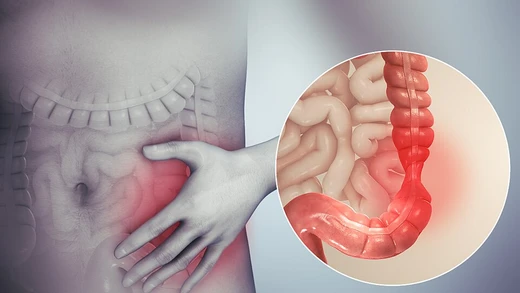
Polyps are found in about 95% of patients undergoing colonoscopy, usually hamartomatous and distributed throughout the gastrointestinal tract; other types include ganglioneuromatous, adenomatous, and lymphoid polyps. Diffuse glycogenic acanthosis of the esophagus is another gastrointestinal manifestation. The lifetime risk of colorectal cancer is 9%.
Genetics
Cowden syndrome is inherited in an autosomal dominant pattern. Germline mutations in PTEN, a tumor suppressor gene, are found in up to 80% of patients. PTEN negatively regulates the cytoplasmic receptor tyrosine kinase pathway and functions in DNA repair; its loss promotes cancer cell development and proliferation. Germline heterozygous mutations in SEC23B, a component of coat protein complex II vesicles, have also been associated with the syndrome, and a possible interplay between PTEN and SEC23B in ribosome biogenesis has been suggested but not conclusively determined.
Treatment
Malignancies in Cowden syndrome are generally treated as sporadic cancers, with exceptions for breast and thyroid cancer. For a first breast cancer diagnosis, mastectomy of the involved breast and prophylactic mastectomy of the contralateral breast should be considered. For thyroid cancer or follicular adenoma, total thyroidectomy is recommended even if only one lobe appears affected, due to high recurrence risk and difficulty distinguishing benign from malignant growth with hemithyroidectomy. Benign mucocutaneous lesions are typically untreated unless symptomatic or disfiguring; options then include topical agents, cryosurgery, curettage, laser ablation, and excision.
More in Syndromes Affecting the Gastrointestinal Tract
Sources
Compiled from Wikipedia and the sources listed below. Text from Wikipedia is available under CC BY-SA 4.0; this entry is adapted from it.
- Wikipedia: Cowden syndrome (CC BY-SA 4.0).
- Word definitions: the , each quoted from its Wikipedia article.
Spotted an error? Know more?
Reader corrections go straight into our review queue. Suggest an edit · How this site is sourced