Dumping syndrome
Rapid gastric emptying causing early or late postprandial symptoms.
Last updated
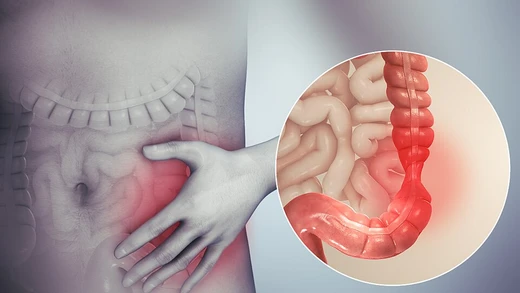
Dumping syndrome, also known as rapid gastric emptying, occurs when food moves too quickly from the stomach to the duodenum. It is most often associated with gastric or esophageal surgery, but can also arise from diabetes or certain medications. The condition results from an absent or insufficiently functioning pyloric sphincter.
Signs and symptoms
Early dumping syndrome symptoms include nausea, vomiting, abdominal pain and cramping, diarrhea, feeling uncomfortably full or bloated after a meal, sweating, weakness, dizziness, flushing, and rapid or irregular heartbeat. Late dumping syndrome symptoms include hypoglycemia and flushing. Some individuals experience symptoms of both types.
Diagnosis
Diagnosis is primarily based on symptoms. A modified oral glucose tolerance test can help confirm dumping syndrome if low blood sugar occurs between 120 and 180 minutes after drinking the solution, an increase in hematocrit of more than 3 percent at 30 minutes, or a rise in pulse rate of more than 10 beats per minute after 30 minutes.
Gastric emptying scintigraphy involves eating a bland meal with a small amount of radioactive material; an external camera measures the rate of gastric emptying at 1, 2, 3, and 4 hours. An upper GI endoscopy allows examination of the upper GI tract lining. An upper GI series uses barium to show signs of blockage or complications of gastric surgery on x-rays.
Treatment
Treatment includes changes in eating, diet, and nutrition; medication; and sometimes surgery. Many people improve with simple dietary changes such as eating five or six small meals daily, delaying liquid intake until at least 30 minutes after a meal, increasing protein, fiber, and complex carbohydrates, avoiding simple sugars, and thickening food with pectin or guar gum.
Lying down for 30 minutes after meals may help, though evidence is lacking. A health care provider may prescribe octreotide acetate injections to slow gastric emptying and inhibit insulin release. Surgery may be needed if dumping syndrome is caused by previous gastric surgery or is unresponsive to other treatments, but surgery often has unsuccessful results.
More in Syndromes Affecting the Gastrointestinal Tract
Sources
Compiled from Wikipedia and the sources listed below. Text from Wikipedia is available under CC BY-SA 4.0; this entry is adapted from it.
- Wikipedia: Dumping syndrome (CC BY-SA 4.0).
- Word definitions: the Codexery glossary, each quoted from its Wikipedia article.
Spotted an error? Know more?
Reader corrections go straight into our review queue. Suggest an edit · How this site is sourced