Heyde's syndrome
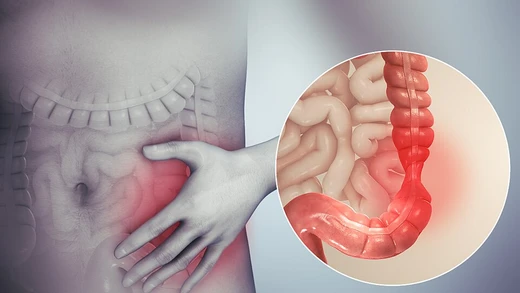
Gastrointestinal bleeding from angiodysplasia linked to aortic stenosis.
Last updated
Heyde's syndrome is the concurrence of gastrointestinal bleeding from angiodysplasia and aortic stenosis. It was first noted in 1958 by Edward C. Heyde, MD. The condition results from acquired von Willebrand disease type IIA caused by high shear stress from the stenotic aortic valve.
History
Edward C. Heyde, an American internist who graduated from Johns Hopkins School of Medicine in 1938, served in the Army Medical Corps during World War II, and practiced at the Vancouver Clinic in Vancouver, Washington for 31 years, described the syndrome in a 1958 letter to the New England Journal of Medicine reporting ten patients. For 45 years afterward, no plausible explanation for the association between aortic stenosis and gastrointestinal bleeding emerged, and some researchers questioned the association itself.
Several studies confirmed a statistical link, and in 1987 King et al. reported that aortic valve replacement resolved bleeding in 93% of patients versus 5% with surgical treatment of the bleeding alone, but the causal mechanism remained elusive. Proposed hypotheses included coincidence of two common elderly conditions, colonic mucosal hypoxia, and bowel ischemia from low blood flow, all later discounted. In 1986 Greenstein et al. suggested that abnormal pulse waves in the ileocolic artery caused cecal wall thinning and dilation, but this hypothesis was eclipsed by research into acquired von Willebrand disease.
Pathophysiology
Von Willebrand factor is synthesized in blood vessel walls and circulates in a folded form. When it encounters vessel wall damage, especially under high-velocity blood flow, it binds to exposed collagen and uncoils into its active form, attracting platelets to prevent bleeding. In aortic stenosis, the narrowed valve increases blood velocity to maintain cardiac output, creating high shear stress that unravels von Willebrand factor similarly to an injury site.
Once activated, the factor is degraded by its natural catabolic enzyme ADAMTS13, reducing its ability to bind collagen at injury sites and increasing bleeding risk. This loss is particularly consequential in the gastrointestinal tract, where small arterioles and angiodysplastic arteriovenous malformations create high blood flow; without sufficient von Willebrand factor, these lesions bleed extensively. It has been hypothesized that defects in high molecular weight von Willebrand factor might cause the arteriovenous malformations themselves, not merely exacerbate existing ones, but this is complicated by the high prevalence of both angiodysplasia and aortic stenosis in older adults and requires further research.
Management
Definitive treatment is surgical replacement of the aortic valve; transcatheter aortic valve implantation (TAVI) has also been proposed. Direct surgical treatment of the bleeding bowel is rarely effective.
Medical management is temporary, as only valve replacement restores von Willebrand factor levels. For severe bleeding, blood transfusions and intravenous fluids maintain blood pressure. Desmopressin (DDAVP) stimulates release of von Willebrand factor from endothelial cells via the V2 receptor and reduces breakdown of factor VIII; it is used for mild to moderate acquired von Willebrand disease and as prophylaxis during valve replacement surgery.
Did You Know?
- A retrospective chart review of 3.8 million people in Northern Ireland found the incidence of gastrointestinal bleeding in those with any diagnosis of aortic stenosis was 0.9%.
- Heyde died on October 13, 2004.
More in Syndromes Affecting the Gastrointestinal Tract
Sources
Compiled from Wikipedia and the sources listed below. Text from Wikipedia is available under CC BY-SA 4.0; this entry is adapted from it.
- Wikipedia: Heyde's syndrome (CC BY-SA 4.0).
- Word definitions: the , each quoted from its Wikipedia article.
Spotted an error? Know more?
Reader corrections go straight into our review queue. Suggest an edit · How this site is sourced