Mowat–Wilson syndrome
A rare genetic disorder with distinctive facial features and intellectual disability.
Last updated
First described in 1998, Mowat–Wilson syndrome is a rare genetic condition. It appears in both sexes and diverse populations worldwide, with an estimated birth prevalence between 1 in 50,000 and 1 in 100,000.
Presentation
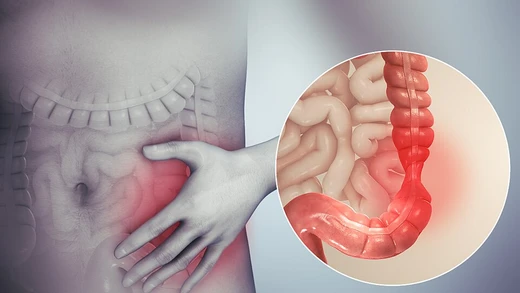
This autosomal dominant disorder includes Hirschsprung disease, intellectual disability, epilepsy, delayed growth and motor development, congenital heart disease, genitourinary anomalies, and agenesis of the corpus callosum. Hirschsprung disease is not present in all cases.
Distinctive features include microcephaly, narrow chin, cupped ears with uplifted lobes and central depression, deep widely set eyes, open mouth, wide nasal bridge, and shortened philtrum. Most affected individuals have severe intellectual disability; a minority have moderate disability. Speech is typically limited or absent, and many have a distinctive open-mouthed, smiling expression and friendly personalities.
Diagnosis
Mowat–Wilson syndrome is identified through a combination of moderate to severe intellectual disability and distinct facial traits, including wide-set eyes, broad eyebrows that flare inward, a low-hanging columella, a pointed or prominent chin, an open-mouthed expression, and earlobes that are uplifted with a central depression, resembling orecchiette pasta. Additional features may involve congenital heart defects, Hirschsprung disease or ongoing constipation, genitourinary issues like hypospadias in males, and underdevelopment or absence of the corpus callosum. Speech is often limited to just a few words or absent, though understanding of language is relatively preserved.
Common issues include growth delays, microcephaly, and seizures. Many individuals have a cheerful disposition and a wide-based walk that can be mistaken for Angelman syndrome. A definitive diagnosis requires finding a pathogenic mutation in the ZEB2 gene through molecular testing.
Treatment
While no cure exists for Mowat–Wilson syndrome, regular care is essential. A pediatrician or adult physician should be seen at least yearly to track growth, development, seizures, and overall health. Therapies like physiotherapy, occupational therapy, and speech pathology help maximize developmental potential. If other systems are affected, specialist care may be needed—for example, a cardiologist or cardiac surgeon for congenital heart disease, or a gastroenterologist or surgeon for Hirschsprung disease or constipation.
More in Syndromes Affecting the Gastrointestinal Tract
Sources
Compiled from Wikipedia and the sources listed below. Text from Wikipedia is available under CC BY-SA 4.0; this entry is adapted from it.
- Wikipedia: Mowat–Wilson syndrome (CC BY-SA 4.0).
- Word definitions: the , each quoted from its Wikipedia article.
Spotted an error? Know more?
Reader corrections go straight into our review queue. Suggest an edit · How this site is sourced