
Stealth game
A genre focused on avoiding detection and striking from shadows.

Delapouite · CC BY 3.0
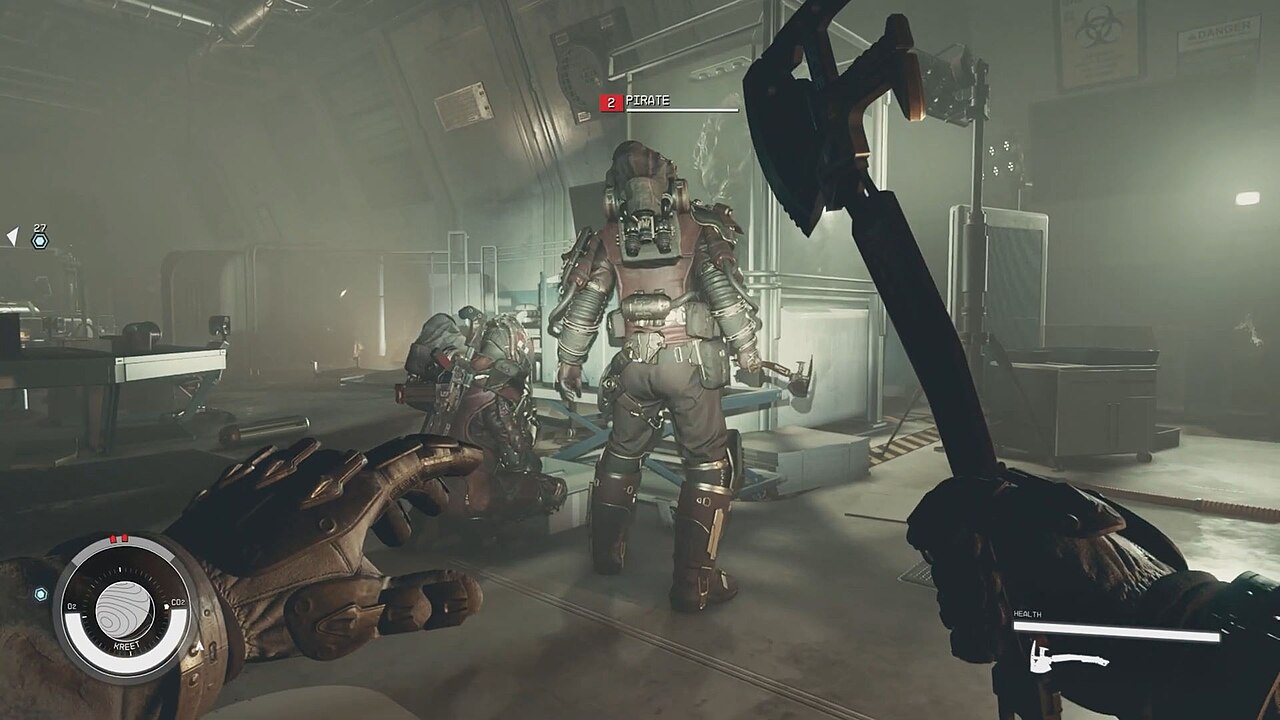
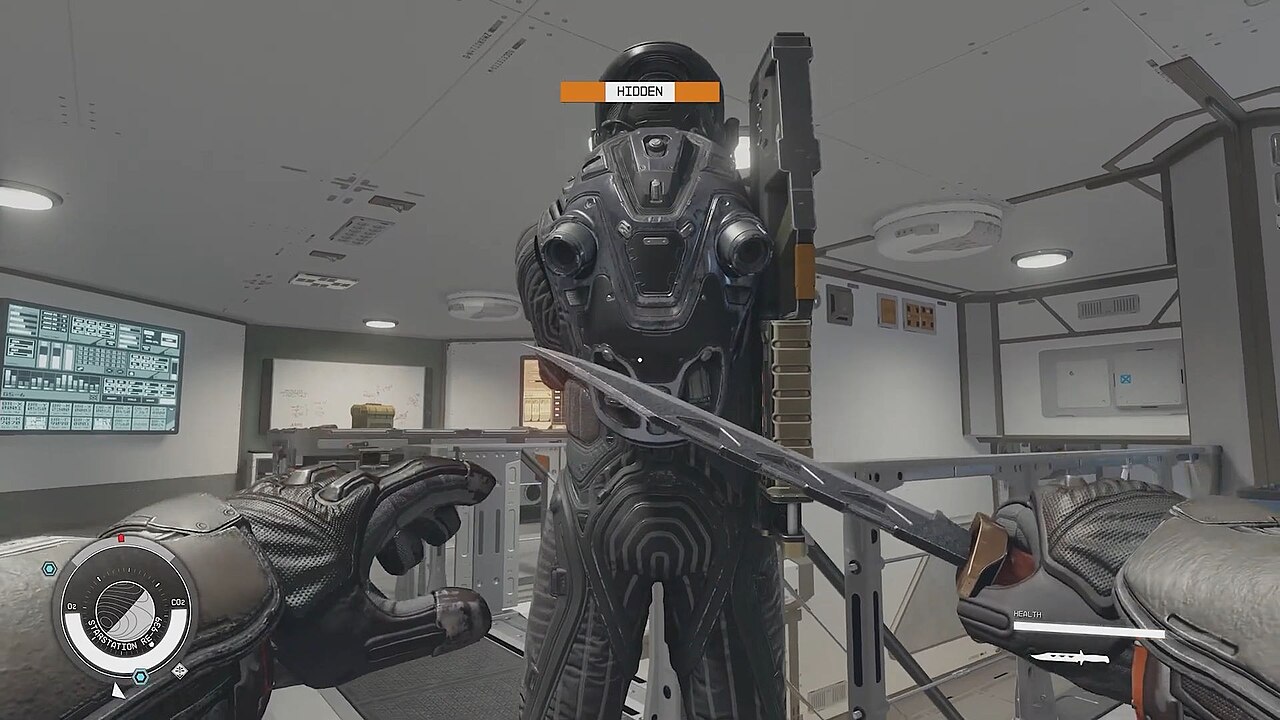
In a stealth game, the player focuses on staying hidden to get past or take down enemies. The core idea is to avoid being seen by using tactics like sneaking, hiding, or wearing disguises. While some games let you choose between a stealthy path or a direct attack, they usually encourage the stealthier option with rewards. These games often draw on themes of espionage, counter-terrorism, and rogues, with characters like special forces operatives, secret agents, thieves, ninjas, or assassins. Stealth elements have also been mixed into other genres, such as first-person shooters and platformers.
Unlike most action games, stealth games ask you to avoid alerting enemies at all. The main gameplay involves dodging combat, keeping quiet, and striking from shadows or behind. A common goal is to finish objectives without being detected at all—sometimes called "ghosting." Avoiding detection might be the only way to win, but there are often multiple paths or styles to reach a goal. You can hide behind objects or in shadows, and move past or strike an enemy when they look away. If you get spotted, you might be able to hide again until the search ends. This makes planning and trial-and-error important. Some games focus more on combat if you’re caught, while others let you choose between killing or knocking out enemies. Even when ghosting isn’t required, players may avoid combat for moral reasons or to show skill. Early on, these games were called "sneak 'em up" games.
In game design, light and shadow are key when hiding in darkness is a feature. Players can often turn off light sources. Audio is also important—players need to hear subtle sounds that might alert enemies, and noise changes depending on surfaces like wood or metal. Moving recklessly makes more noise and draws attention. For stealth to work, the artificial intelligence (AI) must be limited, so enemies don’t know everything about the game world. The AI reacts to the player’s actions, like turning off lights, not just to the player directly. Enemies have a line of sight you can avoid by hiding, staying in shadows, or moving when they look away. They can also detect you if you touch them or get too close. Different games vary in what the AI notices and how it reacts, with newer games offering more responses. Enemy movements are often predictable, letting you plan strategies.
- First known game
- Manbiki Shounen (1979)
- Early credited games
- Manbiki Shounen, Lupin III, Castle Wolfenstein, 005, Metal Gear
Lore & Background
Elements of stealth gameplay, by way of avoiding confrontation with enemies, can be attributed to a diverse range of games, including Pac-Man (1980). Early maze games have been credited with spawning the genre, including Manbiki Shounen (1979), Lupin III (1980), Castle Wolfenstein (1981), 005 (1981), and Metal Gear (1987). The Guinness World Record for the first stealth game is typically attributed to Manbiki Shounen (1979), not 005 (1981). The genre became a mainstream success in 1998, with Tenchu: Stealth Assassins, Metal Gear Solid, and Thief: The Dark Project. They were followed by later releases, like Hitman and Tom Clancy's Splinter Cell.
Unlike most action games, stealth games challenge the player to avoid alerting enemies.
Reader's Guide
Stealth games represent a distinct branch of video game design that emphasizes evasion, patience, and strategic planning over direct confrontation. The genre's roots trace back to late 1970s and early 1980s titles such as Manbiki Shounen (1979), Lupin III (1980), Castle Wolfenstein (1981), and 005 (1981), which introduced mechanics like line-of-sight detection, disguises, and hiding. Metal Gear (1987) brought stealth to consoles and established many conventions, including limited ammunition, security cameras, and alarm systems. The genre achieved mainstream success in 1998 with the simultaneous release of Tenchu: Stealth Assassins, Metal Gear Solid, and Thief: The Dark Project, each refining different aspects of stealth gameplay. These games influenced later franchises such as Hitman and Tom Clancy's Splinter Cell. Stealth games often restrict the player's combat options, forcing reliance on hiding, noise management, and environmental awareness. The AI in these games is designed with limited knowledge, reacting to player actions such as disabling lights or making noise. Level design emphasizes light and shadow, and audio design is critical for conveying enemy awareness. The genre has also overlapped with survival horror, where players must evade supernatural or mundane enemies. Early stealth games were sometimes called 'sneak 'em up' games.
Did You Know?
- The first stealth game is considered to be Manbiki Shounen (Shoplifting Boy), published in November 1979.
- 005 (1981) holds the Guinness World Record for being the first stealth game.
- Early stealth games were sometimes referred to as 'sneak 'em up' games.
From Shoplifting to Espionage: The Genre's Humble Roots
The stealth genre did not arrive fully formed; it grew out of a patchwork of early arcade and home experiments. In November 1979, Hiroshi Suzuki created Manbiki Shounen, a type-in program for the PET 2001 that placed a boy inside a convenience store, tasking him with snatching dollar symbols while dodging the owner's line of sight. Suzuki pitched the concept to Taito, which spun it into the arcade hit Lupin III in April 1980, and he followed up with a sequel, Manbiki Shoujo, later that year. Castle Wolfenstein (1981) pushed the formula further by letting players steal secret plans and slip past guards in stolen uniforms, while its 1984 sequel added a dagger for silent kills and deeper disguise mechanics. Other titles often cited as genre ancestors include Pac-Man (1980), 005 (1981), and Konami's Metal Gear (1987). Even id Software's 1992 Wolfenstein 3D remake originally planned to include body-hiding and similar stealth features before they were dropped. Together, these experiments established the core vocabulary—avoiding detection, using disguises, and exploiting enemy sightlines—that would define the genre for decades.
The Art of Not Being Seen: Core Mechanics
Rather than pitting the player against waves of enemies in open combat, a stealth game asks you to make yourself irrelevant to the opposition. The modern formula centers on three pillars: avoiding combat entirely, keeping noise to a minimum, and delivering surprise strikes from behind or out of the shadows. The ideal run—often called "ghosting"—means completing every objective without a single enemy ever noticing you. That said, most titles offer branching pathways, so a player can choose to hide behind a crate, slip past a guard who is looking the other way, or simply freeze and wait for a search to expire. Planning and repeated experimentation are essential, because a single clank on a metal floor can unravel hours of careful routing. When detection does occur, some games shift the emphasis to close-quarters combat, while others let the player decide between a lethal takedown and a non-lethal knockout. Even in titles where ghosting is not mechanically rewarded, many players pursue it as a personal challenge or a moral statement. In the genre's earliest days, developers and players simply called these titles "sneak 'em up" games.
1998 and the Mainstream Explosion
The stealth genre spent nearly two decades as a niche curiosity before a single year detonated it into the mainstream. In 1998, three landmark releases—Tenchu: Stealth Assassins, Metal Gear Solid, and Thief: The Dark Project—proved that avoiding combat could be as thrilling as unleashing it, and that players would reward subtlety with the same enthusiasm they gave to gunfights. The wave that followed was equally impressive: Hitman and Tom Clancy's Splinter Cell carried the torch into the 2000s, cementing stealth as a pillar of the industry. Thematically, the genre has gravitated toward espionage, counter-terrorism, and rogue operations, casting its protagonists as special forces operatives, secret agents, thieves, ninjas, and assassins. Designers have also blended stealth mechanics with other genres, folding them into first-person shooters and even platformers to create hybrid experiences. The result is a genre that no longer needs to justify its existence; it is now a foundational design language that shapes how countless other games think about space, detection, and player agency.
Engineering the Invisible: AI, Sound, and Level Design
Making stealth feel fair and tense requires a carefully choreographed relationship between the player and the game's artificial intelligence. Enemies must be deliberately limited in what they can see and hear; their knowledge of the world is restricted so that the player can exploit blind spots. Rather than simply tracking the player's position, AI in these games reacts to the consequences of player actions—flipping a light switch, for instance, triggers a different response than simply walking past. Line-of-sight cones, touch detection within a small radius, and predictable patrol patterns all give the player tools to plan a route. Sound design is equally critical: footsteps on wood register differently than on metal, and reckless movement generates noise that draws attention. Level designers build around light and shadow, often letting players disable specific light sources to create safe corridors. A staple mechanic is the alarm or alert phase, where enemies shift into aggressive pursuit, raising the stakes and, in some titles, ending the mission instantly. Early games relied on small maps and simple hitboxes, but modern 3D stealth titles offer complex environments with quick-climb mechanics, hotkey cover, and the ability to tag multiple enemies for a coordinated strike.
Gallery



Frequently Asked Questions
What is a stealth game?
A stealth game is a genre built around the player's need to stay undetected while moving past or taking down enemies. Core tactics include sneaking, hiding, and wearing disguises to avoid being seen. The genre typically nudges players toward the quieter approach by rewarding it over direct confrontation.
What is the first stealth game ever made?
The earliest known title in the genre is Manbiki Shounen, which came out in 1979. Other early works frequently credited with shaping the genre include Lupin III, Castle Wolfenstein, 005, and Metal Gear.
What kinds of characters do stealth games usually feature?
Players commonly step into the shoes of special forces operatives, secret agents, thieves, ninjas, or assassins. These roles lean heavily on themes of espionage, counter-terrorism, and rogue operations.
How are stealth games different from standard action or shooter titles?
Rather than encouraging you to rush in and fight, stealth games make avoiding detection the central challenge. Some titles let you choose between a sneaky path and a direct attack, but they generally steer players toward the quieter option with in-game rewards.
Do stealth mechanics show up in other genres?
Yes—stealth elements have been folded into first-person shooters and platformers, among other genres. This blend lets players incorporate hiding, sneaking, and disguise tactics into games that are not purely stealth-focused.
More in Stealth video games 1-24
Spotted an error? Know more?
Reader corrections go straight into our review queue. Suggest an edit · How this site is sourced