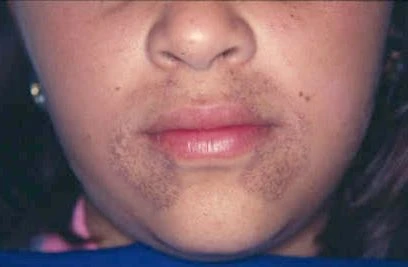
Familial combined hyperlipidemia
A common inherited lipid disorder raising LDL and triglycerides.
Last updated
Familial combined hyperlipidemia is an inherited condition that raises LDL and triglycerides while often lowering HDL. Affecting about 1 in 200 people, it is the most common inherited lipid disorder. Nearly one-fifth of those who develop coronary heart disease before age 60 have this condition.
Quick Facts
- Prevalence
- 1 in 200 persons
- Triglyceride threshold for elevation
- >5 mmol/L
Facts from the source article.
Cause
While genetics are the primary driver, a diet rich in saturated fat and cholesterol can raise both cholesterol and triglycerides. Other health issues like diabetes, kidney disease, and hypothyroidism can worsen high triglycerides. Certain medications, including estrogen, corticosteroids, and beta-blockers, are also triggers. Obesity, heavy alcohol use, smoking, and inactivity further increase risk.
Diagnosis
Familial combined hyperlipidemia is probably caused by decreased LDL receptor and increased ApoB. Acquired combined hyperlipidemia is extremely common in patients with metabolic syndrome, which incorporates diabetes mellitus type II, hypertension, central obesity, and coronary heart disease. Excessive free fatty acid production by various tissues leads to increased VLDL synthesis by the liver.
Did You Know?
- Both conditions are treated with fibrate drugs, which act on PPARα to decrease free fatty acid production.
- Statin drugs, especially atorvastatin and rosuvastatin, can decrease LDL levels by increasing hepatic reuptake of LDL.
- Steroid uses, alcoholism, hypothyroidism, oral contraceptives, chronic kidney failure, hypopituitarism, and nephritic syndrome are other contributors to hyperlipidemia.
More in Skin Conditions Resulting from Errors in Metabolism
Sources
Compiled from Wikipedia and the sources listed below. Text from Wikipedia is available under CC BY-SA 4.0; this entry is adapted from it.
- Wikipedia: Combined hyperlipidemia (CC BY-SA 4.0).
- Word definitions: the , each quoted from its Wikipedia article.
Spotted an error? Know more?
Reader corrections go straight into our review queue. Suggest an edit · How this site is sourced