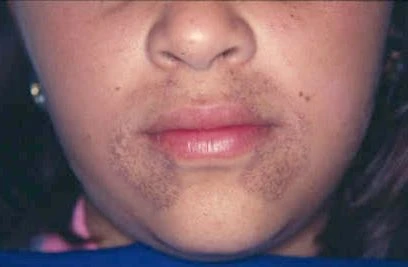
Familial hypertriglyceridemia
A genetic disorder of elevated triglycerides due to VLDL overproduction.
Last updated
Familial hypertriglyceridemia (type IV familial dyslipidemia) is a genetic disorder in which the liver overproduces very-low-density lipoproteins (VLDL), leading to elevated VLDL and triglyceride levels on a lipid profile. It typically follows an autosomal dominant inheritance pattern and presents with mild to moderate elevations in triglycerides. The condition is often associated with hypertension, obesity, and hyperglycemia, and can cause acute pancreatitis when triglyceride levels become markedly elevated.
Quick Facts
- Inheritance pattern
- Autosomal dominant (most cases polygenic)
- Common mutation
- Heterozygous inactivating mutation of the LPL gene
- Fll phenotype
- Type IV
- Key lipid abnormalities
- High triglycerides, low HDL
- Associated comorbidities
- Hypertension
- obesity
- hyperglycemia
- Acute complication
- Acute pancreatitis
Facts from the source article.
Etiology
Familial hypertriglyceridemia is inherited in an autosomal dominant manner, though most cases are polygenic rather than following traditional Mendelian patterns. A common mutation is a heterozygous inactivating mutation of the LPL gene, which impairs hydrolysis of triglycerides within VLDL, causing accumulation of triglycerides and VLDL in the bloodstream. Insulin resistance further elevates triglyceride levels because insulin normally activates LPL; resistance reduces LPL activity, worsening hypertriglyceridemia. Multiple genetic loci also contribute to additional lipid abnormalities.
Pathophysiology
Inactivation of lipoprotein lipase (LPL) is central to the pathophysiology, as LPL normally metabolizes triglycerides within VLDL. Loss of LPL function increases VLDL and triglyceride concentrations.
The most common acute manifestation is pancreatitis, triggered by premature activation of exocrine pancreatic enzymes. Cleavage of secreted zymogens to active trypsin within pancreatic tissue induces autodigestion, leading to local tissue damage and disruption of pancreatic microvasculature, which can cause ischemia-reperfusion injury. Secondary causes of pancreatitis may also contribute.
Treatment
Treatment focuses on reducing serum triglyceride levels, with attention to comorbid conditions that affect the lipid panel. For mild to moderate hypertriglyceridemia, cardiovascular disease risk should be assessed; for severe hypertriglyceridemia, prompt evaluation for pancreatitis is indicated. First-line therapy is fibrate treatment, such as fenofibrate or gemfibrozil.
Adjunctive niacin may be used when fibrate monotherapy is insufficient, especially in patients at high risk for pancreatitis. Fish oil supplements can also reduce triglyceride and VLDL levels. With proper management, including education on secondary causes of elevated lipids, the prognosis is good.
Did You Know?
- The frequency of heterozygous carriers of certain pathologic LPL mutations ranges from 0.06% to 20%.
- Dissimilar mutations in the LPL gene can confer varying degrees of underlying pathology.
More in Skin Conditions Resulting from Errors in Metabolism
Sources
Compiled from Wikipedia and the sources listed below. Text from Wikipedia is available under CC BY-SA 4.0; this entry is adapted from it.
- Wikipedia: Familial hypertriglyceridemia (CC BY-SA 4.0).
- Word definitions: the , each quoted from its Wikipedia article.
Spotted an error? Know more?
Reader corrections go straight into our review queue. Suggest an edit · How this site is sourced