Radio-controlled model
A model steerable via radio control, spanning vehicles from cars to submarines.
Last updated

Sherwin · CC BY-SA 4.0
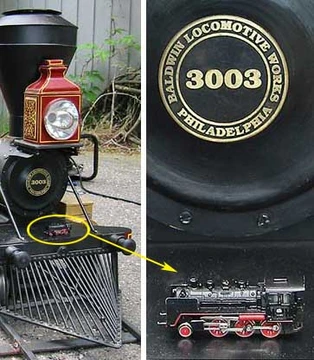
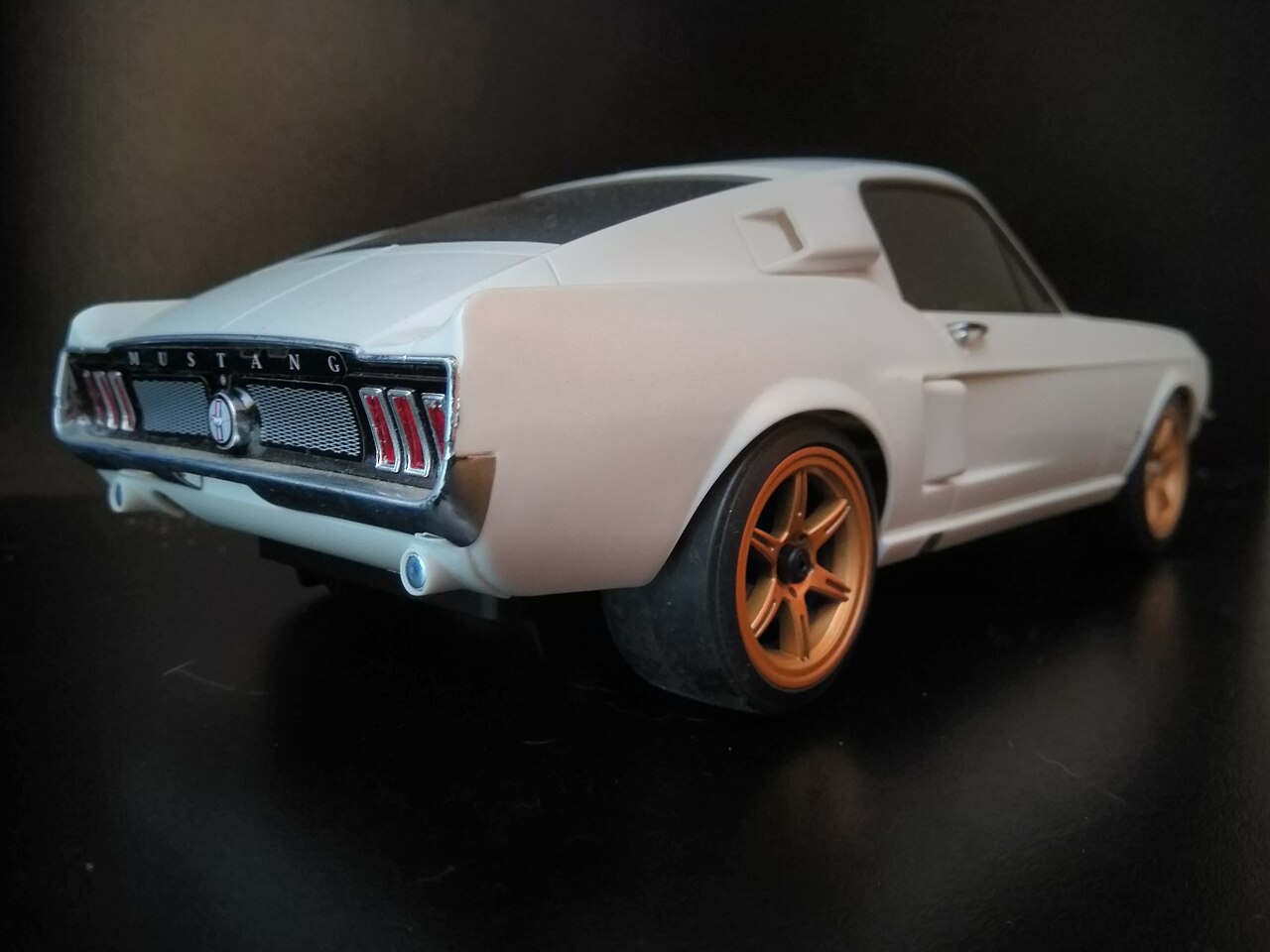
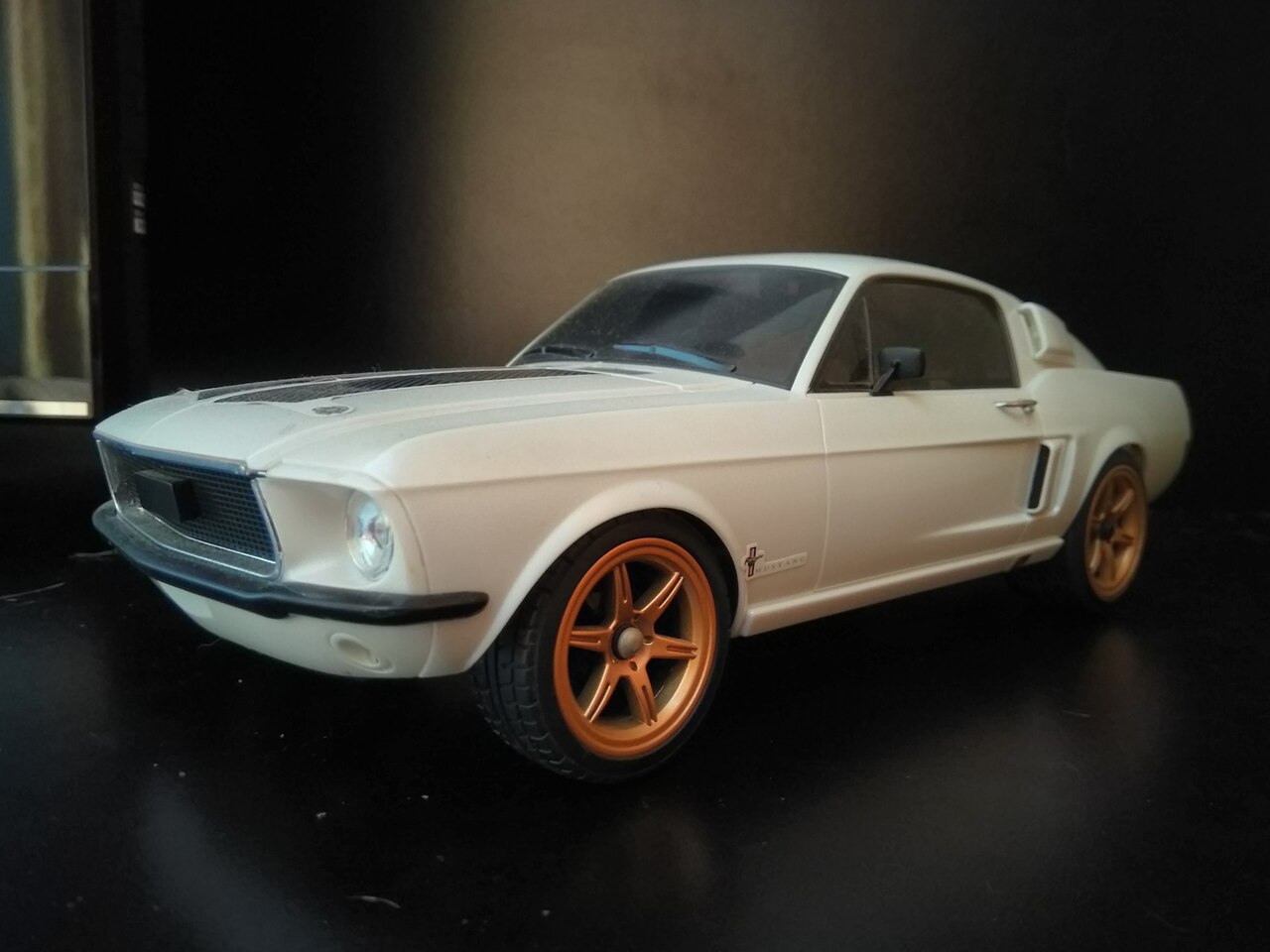
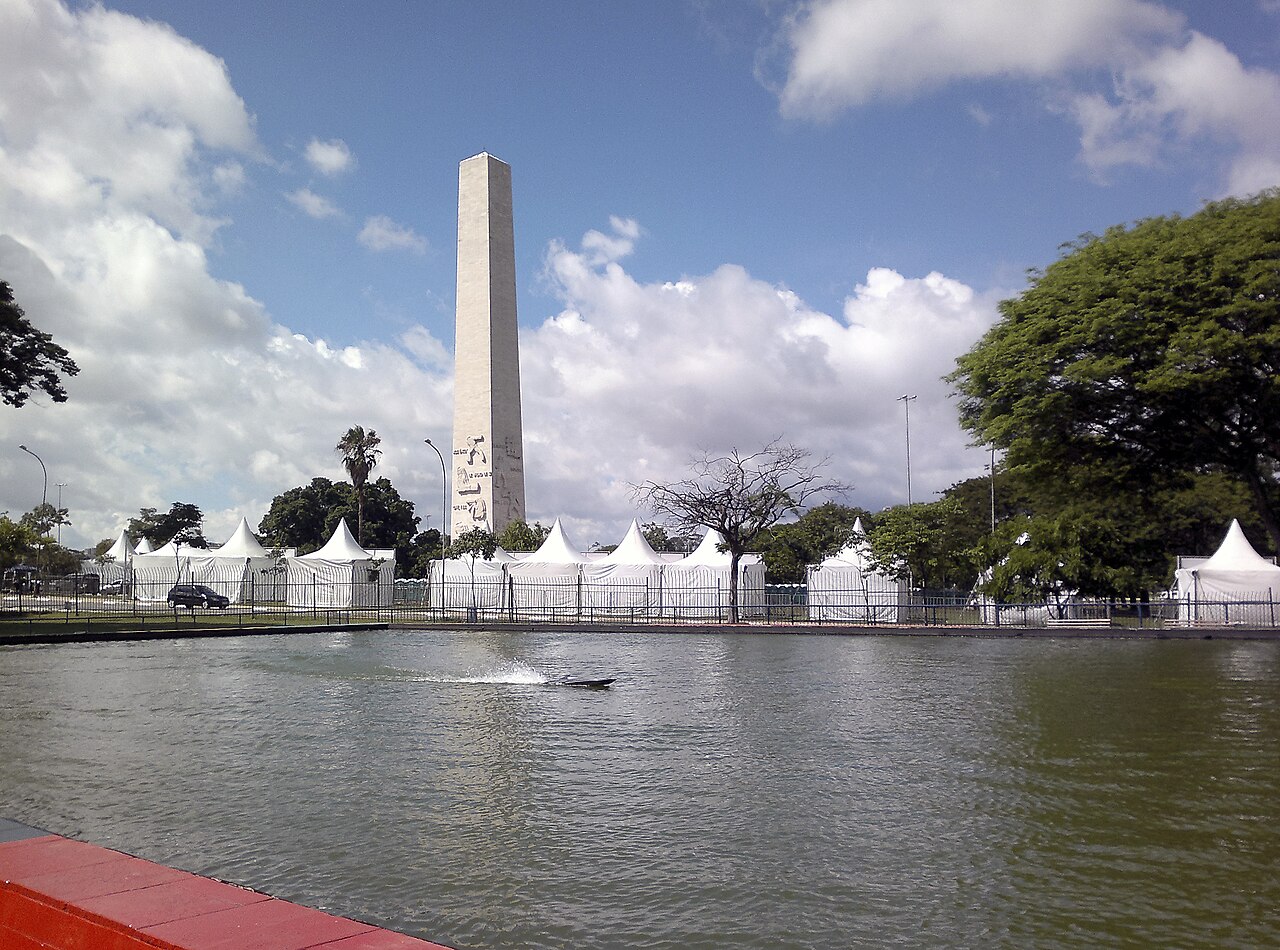
A radio-controlled model (RC model) is a model that is steerable with the use of radio control. All types of model vehicles have had RC systems installed in them, including ground vehicles, boats, planes, helicopters and even submarines and scale railway locomotives. Before radio control, many models used simple burning fuses or clockwork mechanisms to control flight or sailing times, and other methods included tethering to a central point, round the pole control, and control lines.
Quick Facts
- First general use
- late 1940s with single-channel self-built equipment
- Early receiver type
- superregenerative
- Key early system
- TTPW (varying signal's mark/space ratio)
- First digital proportional radio
- Digicon, developed by Doug Spreng and Don Mathis
- Common modulation today
- PWM (pulse-width modulation)
- Frequency band used
- 27 MHz Citizens' band
Facts from the source article.
Lore & Background
World War II saw increased development in radio control technology, including the Luftwaffe's controllable winged bombs. During the 1930s the Good brothers Bill and Walt pioneered vacuum tube based control units for RC hobby use, and their 'Guff' radio controlled plane is on display at the National Aerospace museum. Ed Lorenze published a design in Model Airplane News that was built by many hobbyists.
After WW2, from the late 1940s to mid 1950s, many other RC designs emerged and some were sold commercially, such as Berkeley's Super Aerotrol. Originally simple 'on-off' systems evolved to use complex systems of relays to control a rubber powered escapement's speed and direction. The tuned reed system brought new sophistication, using metal reeds to resonate with the transmitted signal and operate one of a number of different relays.
In the 1960s, the availability of transistor-based equipment led to rapid development of fully proportional servo-based 'digital proportional' systems, initially achieved with discrete components. In the 1970s, integrated circuits made the electronics small, light and cheap enough for multi-channel digital proportional systems to become much more widely available. In the 1990s miniaturised equipment became widely available, allowing radio control of the smallest models, and by the 2000s radio control was commonplace even for inexpensive toys.
Reader's Guide
Radio-controlled models have evolved from simple on-off systems using vacuum tubes and rubber-driven escapements to sophisticated digital proportional systems employing servos and spread spectrum technology. The transition from tube-based superregenerative receivers to transistor-based superheterodyne circuits greatly reduced battery requirements and improved selectivity, enabling multiple transmitters to operate in close proximity. The development of the first digital pulse-width feedback servo by Doug Spreng, along with Don Mathis's Digicon radio, marked a turning point toward modern proportional control.
By the 1970s, 'full-house' proportional radio control was fully established, allowing simultaneous control of rudder, elevator, ailerons and throttle. Today, pulse-width modulation (PWM) is most commonly used, and the ingenuity of modellers has extended to applications such as gas-turbine powered aircraft, aerobatic helicopters and submarines. The constantly diminishing equipment weight was crucial to ever increasing modelling applications, and radio control has become a standard feature in hobbyist and toy markets alike.

Frequently Asked Questions
What exactly counts as a radio-controlled model in the scale-model hobby?
It is any scale vehicle—cars, boats, planes, helicopters, submarines, or even locomotives on a layout—that you steer from a distance with a radio transmitter and receiver rather than with tethers, control lines, or clockwork timers.
What frequency and modulation do most RC model systems use today?
The standard operating band is 27 MHz on the Citizens' band, and the predominant modulation scheme in modern gear is pulse-width modulation (PWM).
Who is credited with the first digital proportional RC transmitter?
Doug Spreng and Don Mathis developed the Digicon system, which was the first digital proportional radio for models. It represented a big leap forward from the simpler on-off and analog control methods that came before it.
More in Scale Models and Railroads
Sources
Compiled from Wikipedia and the sources listed below. Text from Wikipedia is available under CC BY-SA 4.0; this entry is adapted from it.
- Wikipedia: Radio-controlled model (CC BY-SA 4.0).
Spotted an error? Know more?
Reader corrections go straight into our review queue. Suggest an edit · How this site is sourced