
Alexander Hamilton
Last updated

Wikimedia Commons · CC BY 4.0
Last updated 2026-10-01 from the source article.
Lore & Background
Hamilton was born out of wedlock in Charlestown on the Caribbean island of Nevis. Despite his young age, he became an anonymous but prolific pamphleteer and advocate for the American Revolution. He fought at the Siege of Yorktown, which secured American victory. He opposed entanglement with French revolutionary governments and advocated the Jay Treaty.
After resigning in 1795, he returned to his law practice. Burr, offended by Hamilton's opposition to his 1804 gubernatorial candidacy, challenged him to a duel. Hamilton was mortally wounded on July 11, 1804, and died the next day.
Reader's Guide
Hamilton's significance lies in his foundational role in shaping American financial and governmental institutions. Scholars regard him as an astute and intellectually brilliant administrator, politician, and financier, though sometimes impetuous.
Did You Know?
- He authored 51 of the 85 installments of The Federalist Papers.
- Hamilton was mortally wounded in a pistol duel with Aaron Burr on July 11, 1804, and died the following day.
Early life and education
Alexander Hamilton was born on January 11, 1755 or 1757, in Charlestown, Nevis, in the British Leeward Islands. His parents, Rachel Lavien and James A. Hamilton, were not married, and he had an older brother, James Jr. Rachel had previously married Johann Lavien and had a son, Peter, but left them in 1750. Hamilton and his brother received tutoring and attended a private school led by a Jewish headmistress.
After his father abandoned the family, Rachel moved with her sons to Saint Croix, where she ran a small store. Both Hamilton and his mother contracted yellow fever; she died on February 19, 1768, leaving him orphaned. Her first husband seized her estate, but a friend returned the family's books to Hamilton.
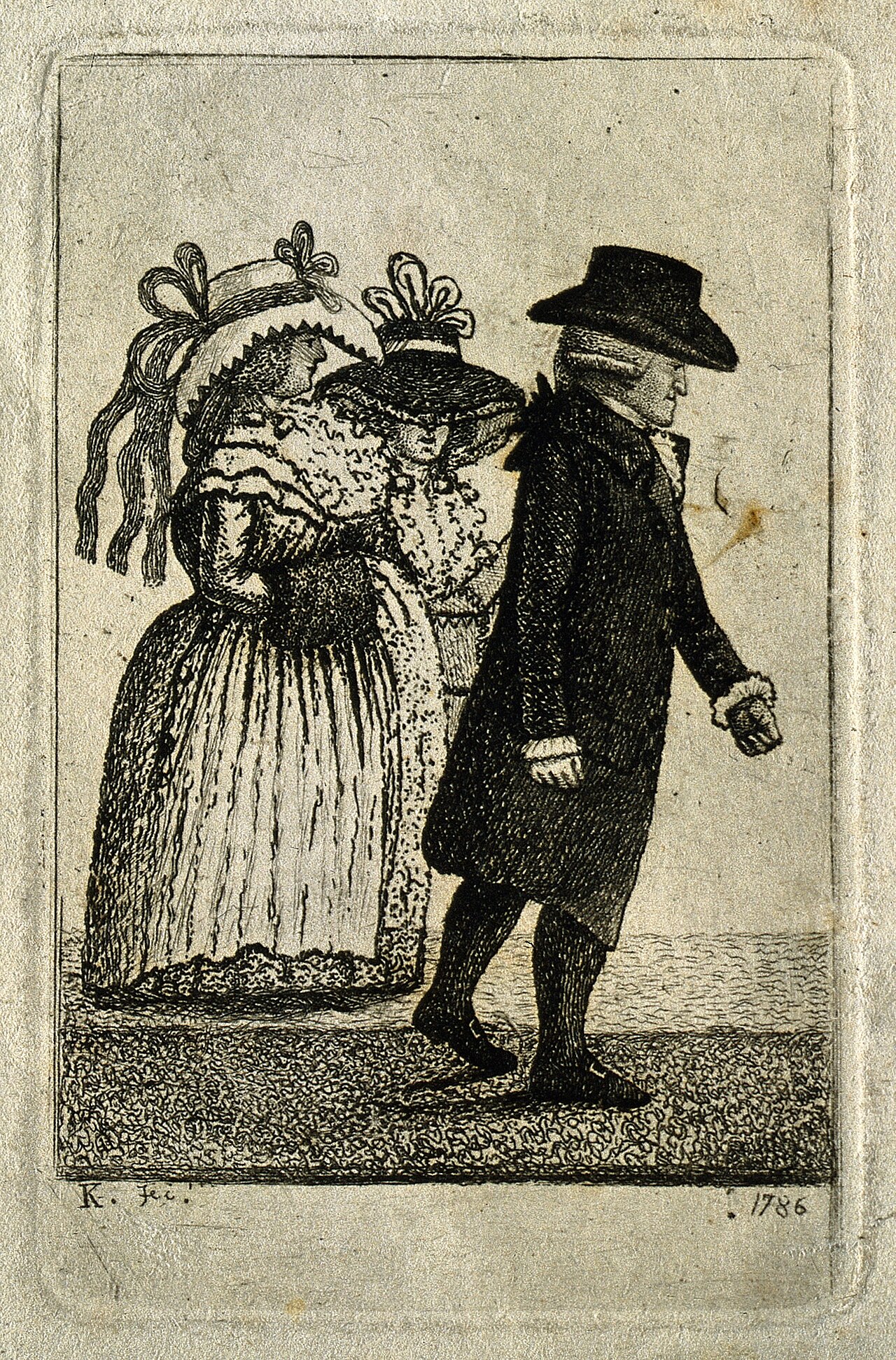
After a cousin's suicide, the brothers were separated. Hamilton became a clerk at an import-export firm and was left in charge for five months in 1771. He wrote a letter about a hurricane that was published, impressing community leaders who raised funds to send him to the North American colonies for education.
George Washington's staff
Hamilton declined offers to become an aide to generals William Alexander, Lord Stirling, and possibly Nathanael Greene or Alexander McDougall, seeking battlefield glory instead. He accepted an invitation to serve as George Washington's aide with the rank of lieutenant colonel. For four years, Hamilton acted as Washington's chief staff aide, handling correspondence with the Continental Congress, state governors, and generals, drafting orders, and issuing commands over his own signature. His duties included intelligence, diplomacy, and negotiations as Washington's emissary.
While at winter headquarters in Morristown, New Jersey, from December 1779 to March 1780, he met Elizabeth Schuyler, daughter of General Philip Schuyler. They married on December 14, 1780, and had eight children. During the war, Hamilton formed close friendships with fellow officers, including the Marquis de Lafayette and John Laurens. Some scholars have interpreted their correspondence as possibly homosocial or homosexual, though others view it as platonic camaraderie typical of the era's flowery diction.
Field command
While on Washington's staff, Hamilton repeatedly sought a field command. After a minor misunderstanding in February 1781, he left his staff position in March and settled near Washington's headquarters with his wife. He continued requesting a command, but Washington demurred until early July 1781, when Hamilton submitted his commission, threatening resignation.
Washington relented on July 31, assigning Hamilton command of a battalion of light infantry from New York and Connecticut. During the assault on Yorktown, Hamilton led three battalions in taking Redoubt No. 10 with bayonets alone at night to avoid detection, while French forces took Redoubt No. 9. These actions led to the British surrender at Yorktown, effectively ending the war, though minor battles continued for two more years until the Treaty of Paris and the departure of British troops.
More in Reformers And Leaders Of The Americas And Beyond
Sources
Compiled from Wikipedia and the sources listed below. Text from Wikipedia is available under CC BY-SA 4.0; this entry is adapted from it.
- Wikipedia: Alexander Hamilton (CC BY-SA 4.0).
Spotted an error? Know more?
Reader corrections go straight into our review queue. Suggest an edit · How this site is sourced