
Afonso I of Kongo
Sixth ruler of Kongo who centralized power and promoted Christianity.
Last updated

Samhanin · CC BY 3.0
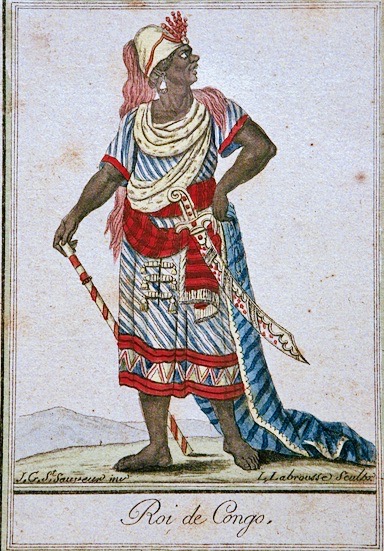
Mvemba a Nzinga, also known as King Afonso I (c. 1456 – 1542 or 1543), was the sixth ruler of the Kingdom of Kongo from the Lukeni kanda dynasty. He reigned from 1509 to late 1542 or 1543, centralizing governmental power, expanding the kingdom's borders, and aggressively converting Kongo to Christianity. His reign saw increasing cultural, economic, and religious exchanges with Portugal, including an expansion of the Atlantic slave trade.
Lore & Background
Born around 1456 as Mvemba a Nzinga, he was the son of King Nzinga a Nkuwu. In 1491, while ruling the province of Nsundi, he was baptized as Afonso after his father converted to Christianity. He studied with Portuguese priests for ten years. When his father later denounced Christianity, Afonso welcomed the priests into Nsundi and ordered the destruction of traditional art objects that might offend Portuguese sensibilities.
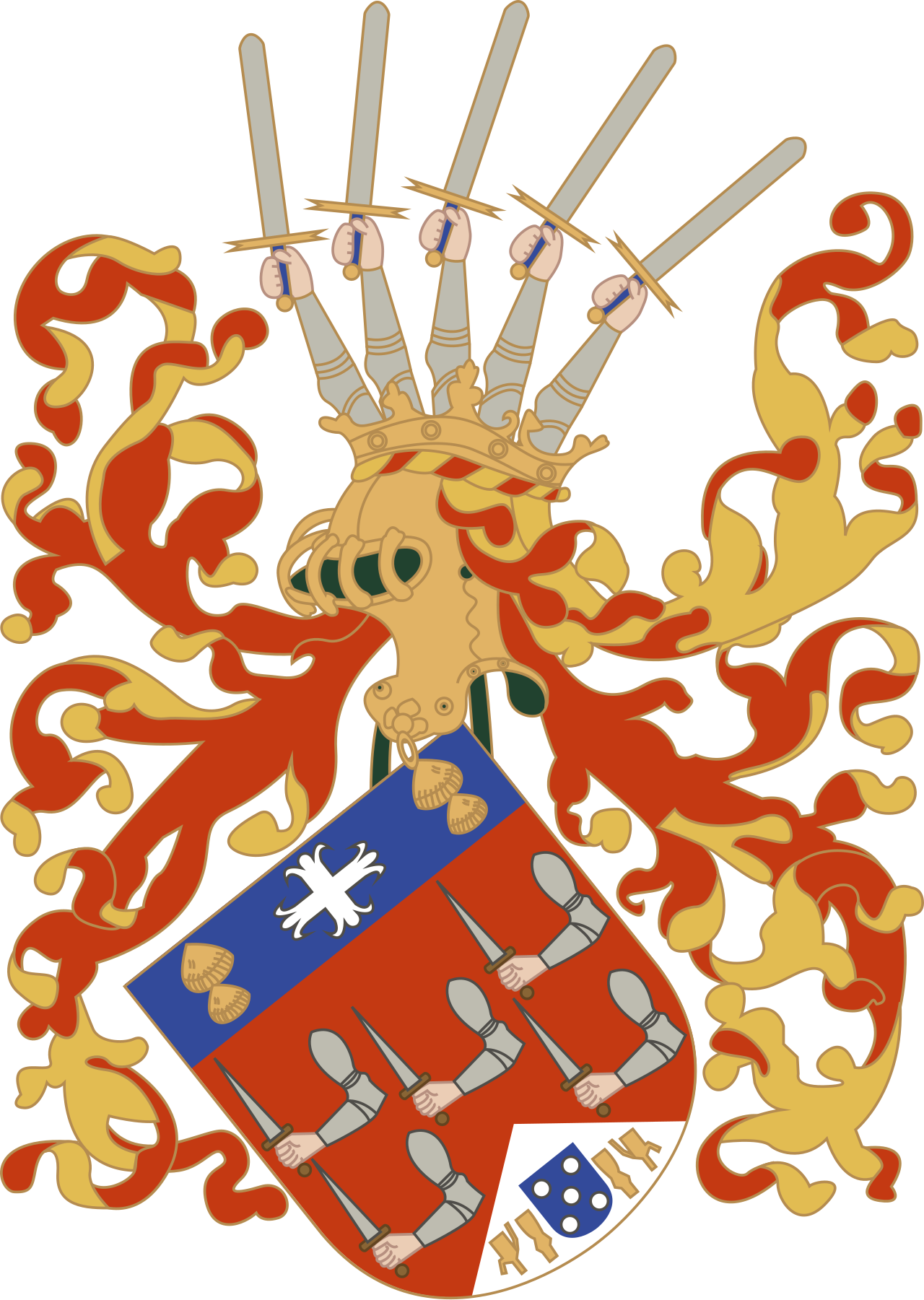
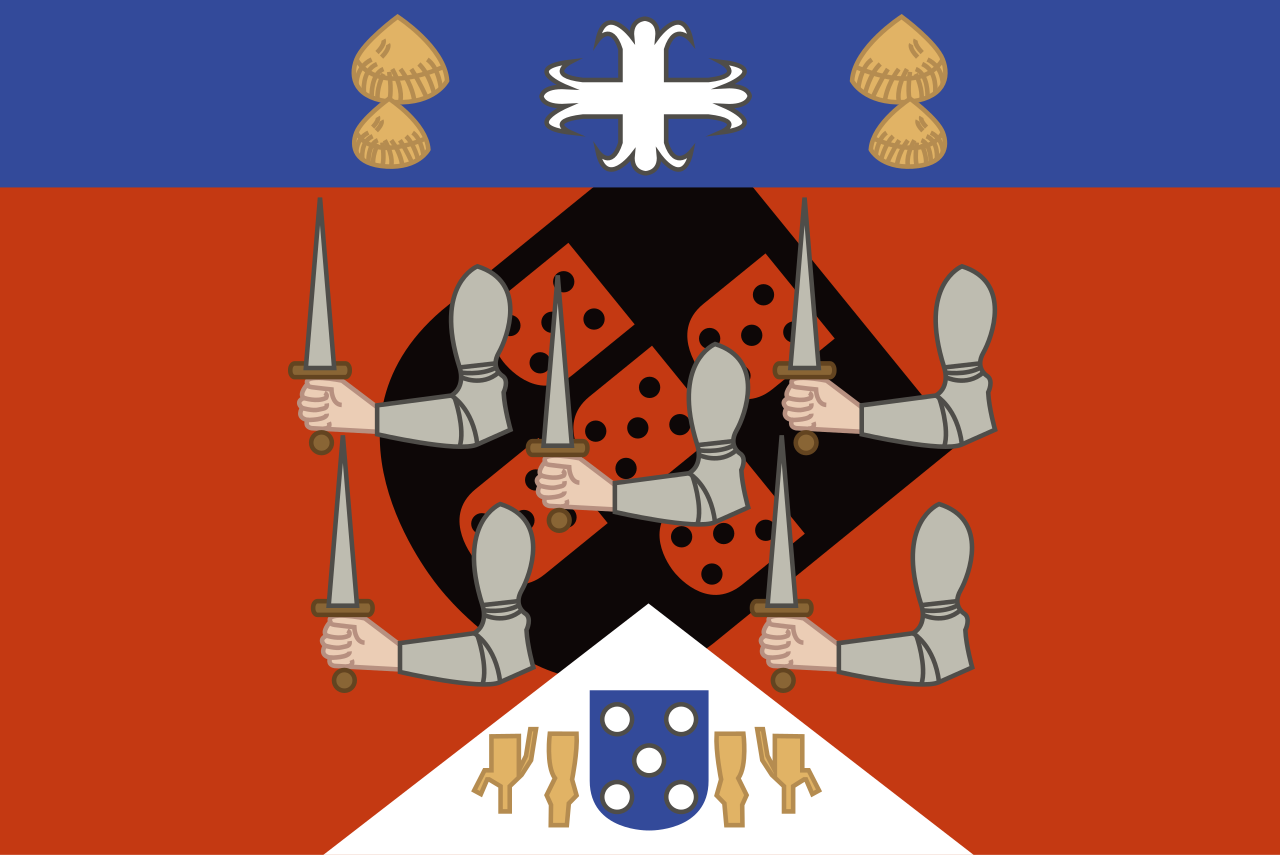
Upon his father's death in 1506, Afonso prevailed in a brief civil war against his half-brother Mpanzu a Kitima. The victory was attributed to a miracle involving the apparition of Saint James the Great and five heavenly armored horsemen. Mpanzu was killed during the battle. Afonso then made Christianity the royal faith and immortalized the miracle in the kingdom's coat of arms.
As king, Afonso centralized power in Mbanza Kongo, curtailed the nobility, and expanded borders through war. He launched campaigns to the south and east, enslaving captives and collecting tribute. He strengthened ties with provincial kingdoms ruled by his kin.
Trade with Portugal grew, including ivory, copper, palm cloth, and an increasing number of slaves. By the 1510s, Afonso exchanged military assistance for a share of slaves taken in wars. He sent embassies to Lisbon and Rome and corresponded with European leaders.
Reader's Guide
Afonso I of Kongo is significant for transforming the Kingdom of Kongo into a centralized, Christian state with expanded borders and increased international engagement. His reign marked the height of Kongo's early interaction with Portugal, blending Catholic conversion with traditional governance. He used military expansion to fuel the economy, supplying slaves and tribute to the Portuguese in exchange for support and trade goods. However, his later reign saw growing caution toward Portuguese influence, though relations remained close.
Afonso's legacy includes the establishment of Christianity as the royal faith, the centralization of monarchy, and the integration of Kongo into the Atlantic world. His diplomatic efforts—sending embassies to Lisbon and Rome—set a precedent for Kongolese engagement with Europe. The slave trade expanded under his rule, with regulations prohibiting the sale of Kongolese freemen and export of female slaves. His reign ended with his death in 1542 or 1543, succeeded by his son Pedro I.
More in Reformers And Leaders Of The Americas And Beyond
Sources
Compiled from Wikipedia and the sources listed below. Text from Wikipedia is available under CC BY-SA 4.0; this entry is adapted from it.
- Wikipedia: Afonso I of Kongo (CC BY-SA 4.0).
Spotted an error? Know more?
Reader corrections go straight into our review queue. Suggest an edit · How this site is sourced