
Andrianampoinimerina
Reunified Imerina and expanded Merina rule across Madagascar.
Last updated

Wood HM, Scharff N (2018) A review of the Madagascan pelican spiders of the gene · CC BY 4.0
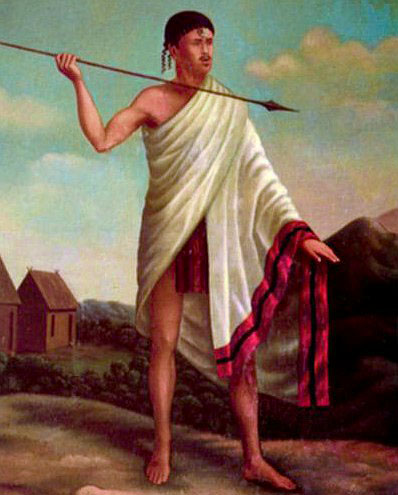
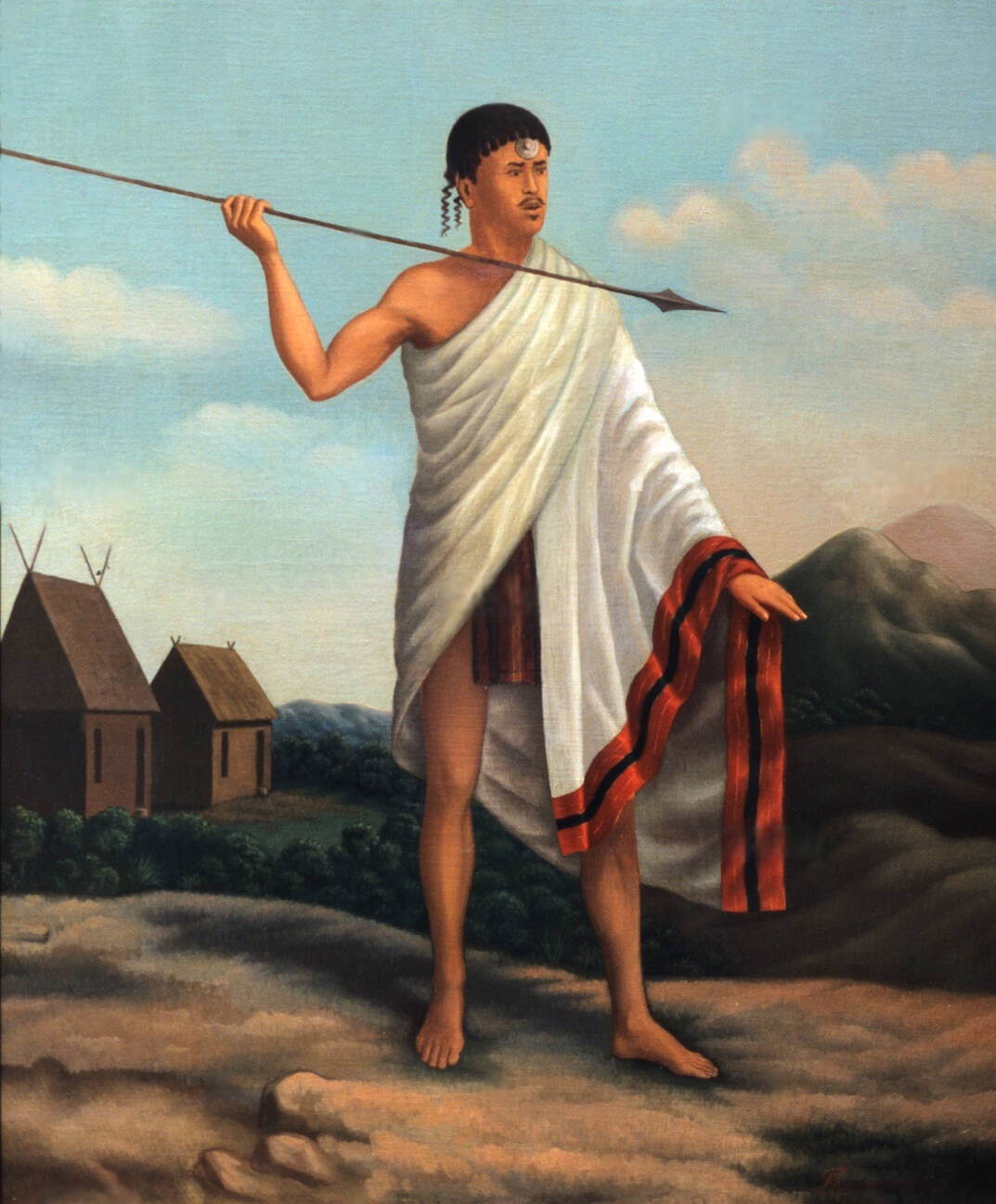
Andrianampoinimerina (c. 1745–1810) was a ruler of the Kingdom of Imerina in Madagascar from 1787 until his death. He is remembered for ending 77 years of civil war by reunifying Imerina, then expanding his kingdom into nearby lands, starting the process of bringing all of Madagascar under Merina control. Among the Merina people, he is a cultural hero with near-mythic status, regarded as one of Madagascar’s greatest military and political leaders.
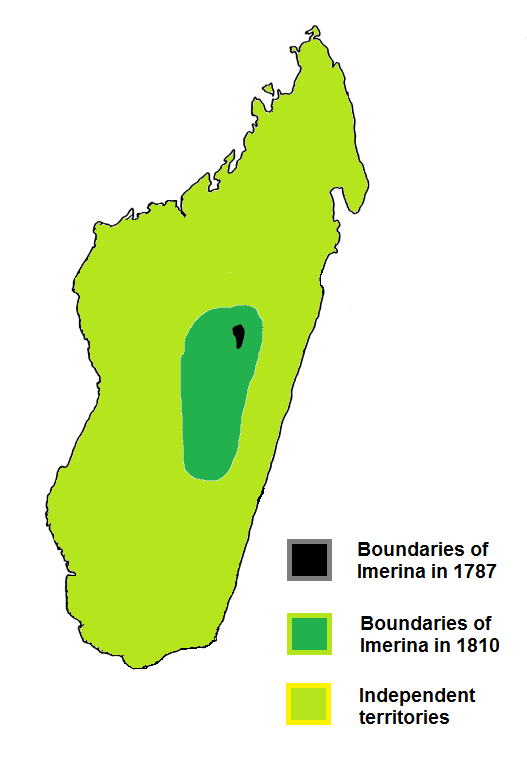
His name means “the king in the heart of Imerina.” He came to power by deposing his uncle, King Andrianjafy, who had ruled over Imerina Avaradrano (Northern Imerina). Before Andrianampoinimerina’s reign, this province had been fighting with three other provinces that once made up the unified Kingdom of Imerina under King Andriamasinavalona a century earlier. Andrianampoinimerina made his capital at the fortified town of Ambohimanga, a site of deep spiritual, cultural, and political importance that became a UNESCO World Heritage Site in 2001. His original royal lodgings can still be seen there.
From Ambohimanga, he gradually took control of all Imerina, then moved into the highlands, absorbing the Betsileo, Sihanaka, Bezanozano, and Bara territories. After 23 years of rule, he had reunited Imerina and greatly expanded the Merina kingdom, with the goal of unifying all of Madagascar. His son and heir, Radama I, carried on these conquests and largely fulfilled his father’s vision over the next two decades.
Birth
Andrianampoinimerina was born around 1745 in Ikaloy, in central Madagascar, with the name Ramboasalamarazaka (short form: Ramboasalama). His mother was Princess Ranavalonandriambelomasina, daughter of King Andriambelomasina of Imerina (1730–1770). His father was Andriamiaramanjaka, a noble (andriana) from the Zafimamy royal family of the independent kingdom of Alahamadintany, north of Imerina. His mother’s brother, Andrianjafy, was named successor to Andriambelomasina and ruled Imerina Avaradrano from 1770 to 1787.
Ramboasalamarazaka was born during a time of conflict and famine in Imerina. For nearly a century, from the end of King Ralambo’s reign (1575–1600) through King Andriamasinavalona’s rule (1675–1710), Imerina had enjoyed growth, peace, and unity. That stability collapsed when Andriamasinavalona divided the kingdom among his four favorite sons, sparking 77 years of civil war that weakened later princes’ ability to handle pressures from slave trading and a growing population. Merina kings had long wanted to expand north by absorbing the Zafimamy kingdom of Alahamadintany, while Zafimamy kings wanted to expand south into Merina lands.
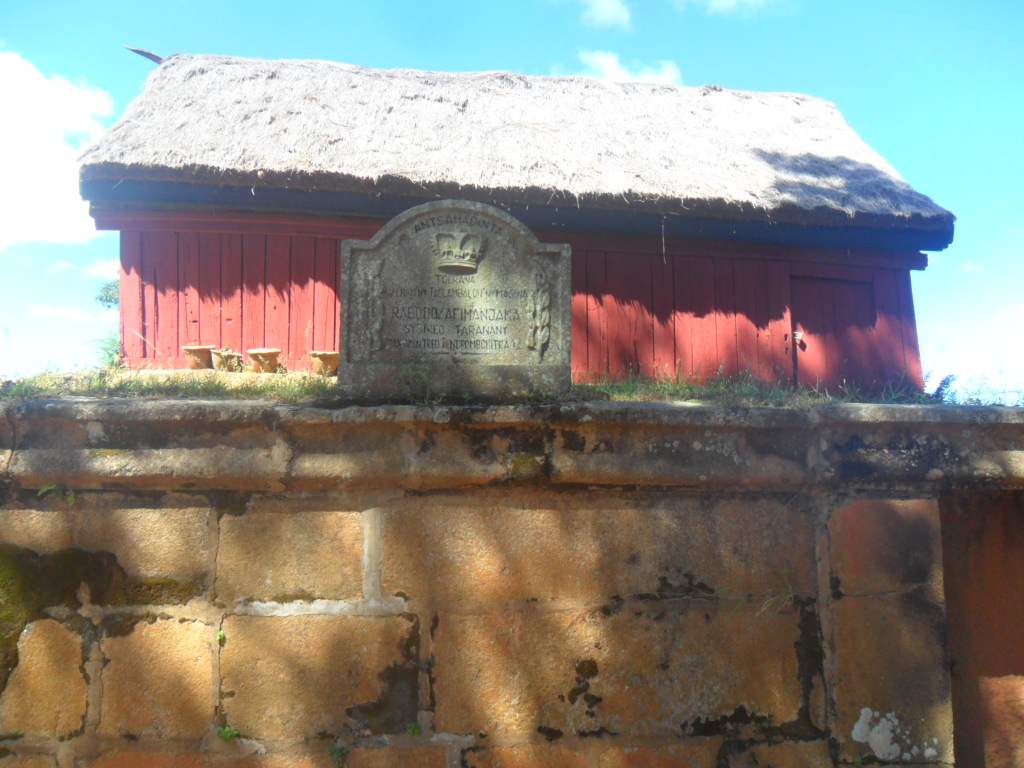
The marriage of Ramboasalamarazaka’s parents was a political alliance arranged by Andriambelomasina to reduce the threat of invasion from the north. The agreement stated that after Andriambelomasina’s son Andrianjafy, the throne would go to his daughter’s son, Ramboasalamarazaka. This union was meant to allow the prince to rule both states and unify the two kingdoms.
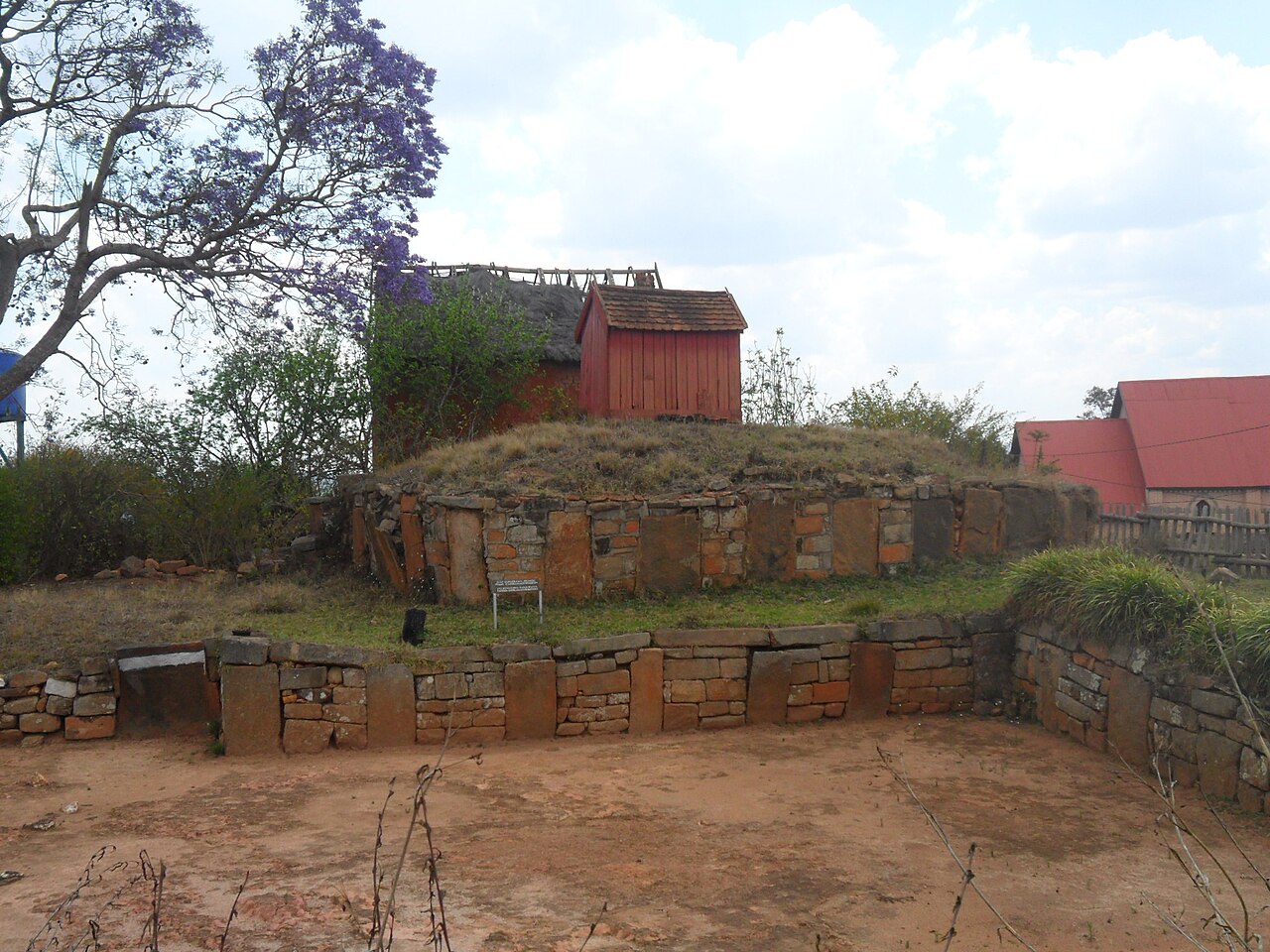
Andrianampoinimerina’s Zafimamy ancestors practiced endogamy and rarely mixed with the Vazimba, the legendary first inhabitants of Madagascar. However, Ramboasalamarazaka had partial Vazimba ancestry through his mother’s line, via King Andriamanelo (1540–1575), son of Vazimba Queen Rafohy (1530–1540) and her Merina husband Manelo. He was born during the first quarter of the moon (tsinambolana) of the month Alahamady, considered a very auspicious time. Following Merina custom, his parents gave him the humble name Ramboasalama (“The healthy dog”) to protect him from jealous rivals or evil spirits; it was later changed to Ramboasalamarazaka.
Childhood and education
He spent his early childhood at his father’s Zafimamy court in Ikaloy, receiving a traditional education. He learned fanorona, a board game thought to build intelligence and strategic thinking.
Young nobles also learned kabary, a stylized form of public speaking that used proverbs (ohabolana) to make persuasive arguments. Merina princes often learned to play the valiha, a bamboo tube zither reserved for nobles. Around age 12, Ramboasalamarazaka continued his education under his grandfather, King Andriambelomasina, at Amboatany and the royal court in Ambohimanga.
Merchant
As a young man, Ramboasalamarazaka worked as a merchant and may have traded in slaves. He gained a reputation as a champion of commoners, defending them against Sakalava raiders and slave traders and fighting corruption. Seen as a self-made man who did not rely on his princely privileges, his independence, temperament, tenacity, and sense of justice made him popular among the commoners and slaves of Ambohimanga. This popularity stood in contrast to public discontent with his uncle, King Andrianjafy.
Lore & Background
Andrianampoinimerina was born Ramboasalamarazaka around 1745 in Ikaloy, central Madagascar, to Princess Ranavalonandriambelomasina and her husband Andriamiaramanjaka, a noble of the Zafimamy royal family. His birth occurred during a period of conflict and famine, following nearly a century of civil war after King Andriamasinavalona divided the kingdom among his four sons. As a young man, he worked as a merchant and gained a reputation as a champion of commoners, defending them against raids and corruption, which made him popular among the people of Ambohimanga.
Reader's Guide
Andrianampoinimerina's significance lies in his successful reunification of Imerina after 77 years of civil war and his expansion of the Merina kingdom into neighboring territories, including the Betsileo, Sihanaka, Bezanozano, and Bara lands. He established his capital at the fortified town of Ambohimanga, a site of great spiritual, cultural and political significance later designated a UNESCO World Heritage Site in 2001. His reign ended the fragmentation that followed King Andriamasinavalona's division of the kingdom, and his vision of unifying all of Madagascar under Merina rule was continued by his son and heir, Radama I, who largely achieved that goal over the next two decades.
More in Reformers And Leaders Of The Americas And Beyond
Test yourself
Three questions drawn from this entry’s sources. Pick an answer to check it.
Answers checked against the source article
Sources
Compiled from Wikipedia and the sources listed below. Text from Wikipedia is available under CC BY-SA 4.0; this entry is adapted from it.
- Wikipedia: Andrianampoinimerina (CC BY-SA 4.0).
Spotted an error? Know more?
Reader corrections go straight into our review queue. Suggest an edit · How this site is sourced