
Coloman, King of Hungary
King of Hungary and Croatia, known for legal reforms and crusader management.
Last updated

Cmcmcm1 · CC BY-SA 4.0
Coloman the Learned, also called the Book-Lover or the Bookish, ruled as King of Hungary from 1095 and King of Croatia from 1097 until his death in February 1116. He and his younger brother Álmos were still children when their father, King Géza I, died in 1077, so their uncle Ladislaus I took the throne. Ladislaus prepared Coloman—described in late medieval Hungarian chronicles as "half-blind and humpbacked"—for a church career, and by the early 1090s he had been made bishop of either Eger or Várad (present-day Oradea, Romania). When Ladislaus was dying in early 1095, he chose Álmos as his heir.
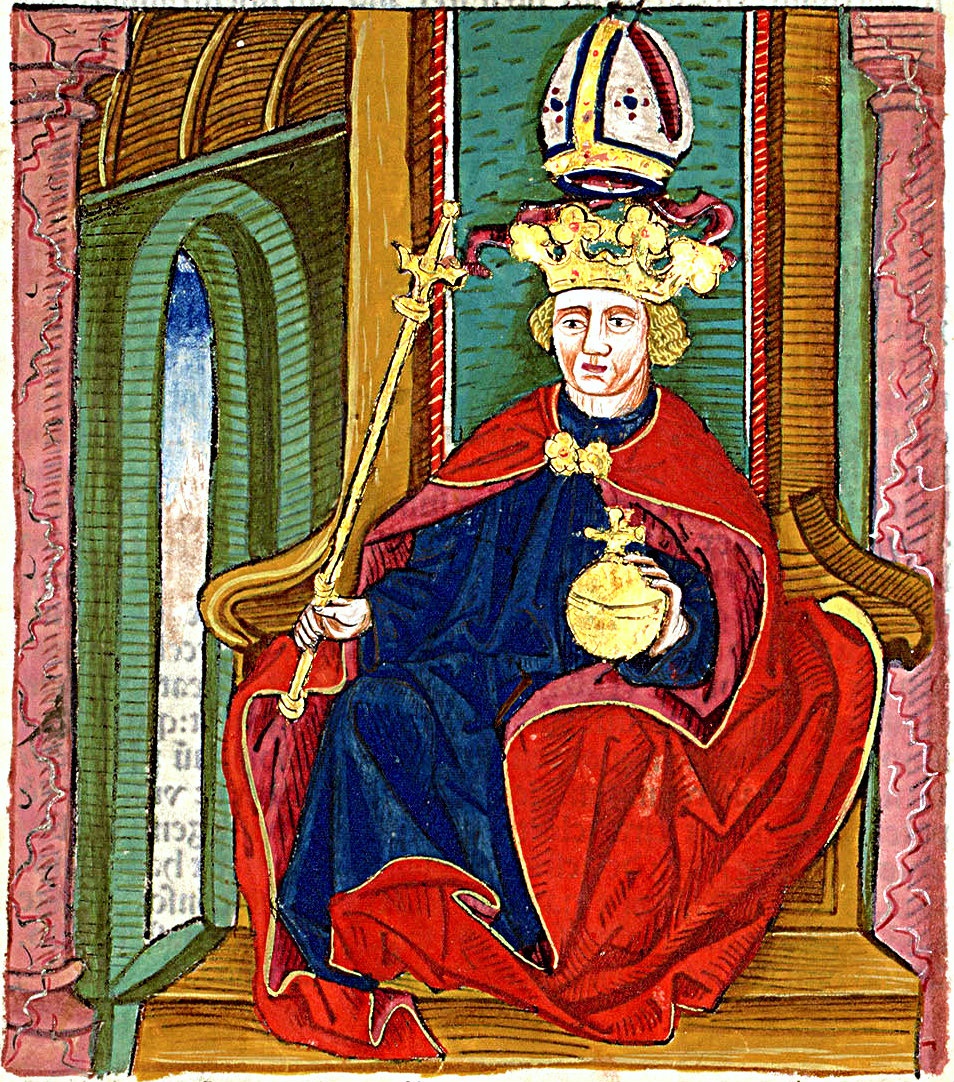
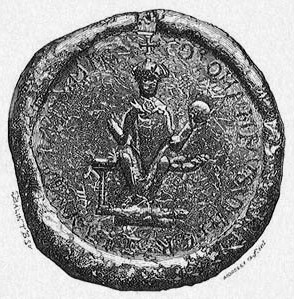
Coloman fled to Poland but returned around 19 July 1095 after his uncle's death. He was crowned in early 1096, though the exact circumstances of his accession remain unknown. He granted Álmos the Hungarian Duchy, a third of the kingdom.
In the year of his coronation, at least five large groups of crusaders passed through Hungary on their way to the Holy Land. Coloman destroyed bands that entered without permission or pillaged the countryside, but the main crusader army crossed without trouble.
He invaded Croatia in 1097, defeating its last native king, Petar Snačić, and was crowned king of Croatia in 1102. According to the late 14th-century Pacta conventa—whose authenticity scholars do not universally accept—he was crowned only after ratifying a treaty with Croatian noble leaders. For centuries afterward, Hungarian monarchs also held the Croatian crown.
Throughout his reign, Coloman faced repeated attempts by Álmos to overthrow him, at least five plots in all. In response, he seized Álmos's duchy in 1107 or 1108 and, around 1114, had Álmos and Álmos's son Béla blinded.
Legacy
Hungarian chronicles, written under kings descended from the mutilated brother and nephew, portray Coloman as a bloodthirsty and unlucky ruler. However, the contemporary chronicler Gallus Anonymus called him "the most well-versed in the science of letters among all the kings of his day." Coloman's decrees—covering taxation, trade, and relations between Christian and non-Christian subjects—remained unchanged for over a century. He was also the first Hungarian king to give up control over the appointment of prelates in his realms.
Lore & Background
Coloman faced at least five plots by his brother Álmos to dethrone him. In retaliation, he seized Álmos's duchy in 1107 or 1108 and had Álmos and his son Béla blinded around 1114. Hungarian chronicles from the reigns of Álmos's descendants depict Coloman as bloodthirsty, but the contemporaneous chronicler Gallus Anonymus called him 'the most well-versed in the science of letters among all the kings of his day.' Coloman's decrees governed taxation, trade, and relations between Christian and non-Christian subjects, remaining unmodified for over a century. He was the first Hungarian king to renounce control of the appointment of prelates.
Reader's Guide
Coloman's reign is significant for consolidating Hungarian rule over Croatia and for his legal and administrative reforms. His decrees, which remained in force for more than a hundred years, regulated taxation, trade, and the status of non-Christian subjects, reflecting a pragmatic approach to governance. His handling of the First Crusade demonstrated both firmness and diplomacy: he destroyed unauthorized bands but allowed the main army to pass, minimizing disruption to his kingdom.
The conflict with his brother Álmos, culminating in the blinding of Álmos and his son, cast a long shadow over his reputation, as later chronicles written under Árpád dynasty descendants portrayed him negatively. Nonetheless, contemporary sources praised his learning, and his decision to renounce royal control over church appointments marked a notable shift in church-state relations. The Pacta conventa, though of disputed authenticity, became a foundational document for Croatian-Hungarian relations.
More in Reformers And Leaders Of The Americas And Beyond
Sources
Compiled from Wikipedia and the sources listed below. Text from Wikipedia is available under CC BY-SA 4.0; this entry is adapted from it.
- Wikipedia: Coloman, King of Hungary (CC BY-SA 4.0).
Spotted an error? Know more?
Reader corrections go straight into our review queue. Suggest an edit · How this site is sourced