
National day
A day celebrating statehood or nationhood, often a public holiday.
Last updated

chensiyuan · CC BY-SA 4.0
A national day is a holiday, often official and public, that celebrates a country’s statehood or nationhood. It can mark an event such as independence, becoming a republic, forming a federation, or a significant date tied to a patron saint, a ruler (like a birthday, accession, or removal), or a moment in the nation’s history. Many countries observe more than one national day. Denmark and the United Kingdom are the only nations without a single official national day; Denmark instead has Constitution Day, an unofficial celebration that is not a public holiday.

Most national days arose during the 19th and 20th centuries, alongside the rise of nationalism. Depending on the country and its history, a national day may also be called Independence Day, Liberation Day, or Republic Day. The specific date chosen often reflects a pivotal event in a nation’s particular history, such as the achievement of independence, the establishment of a republic, or the formation of a federation.
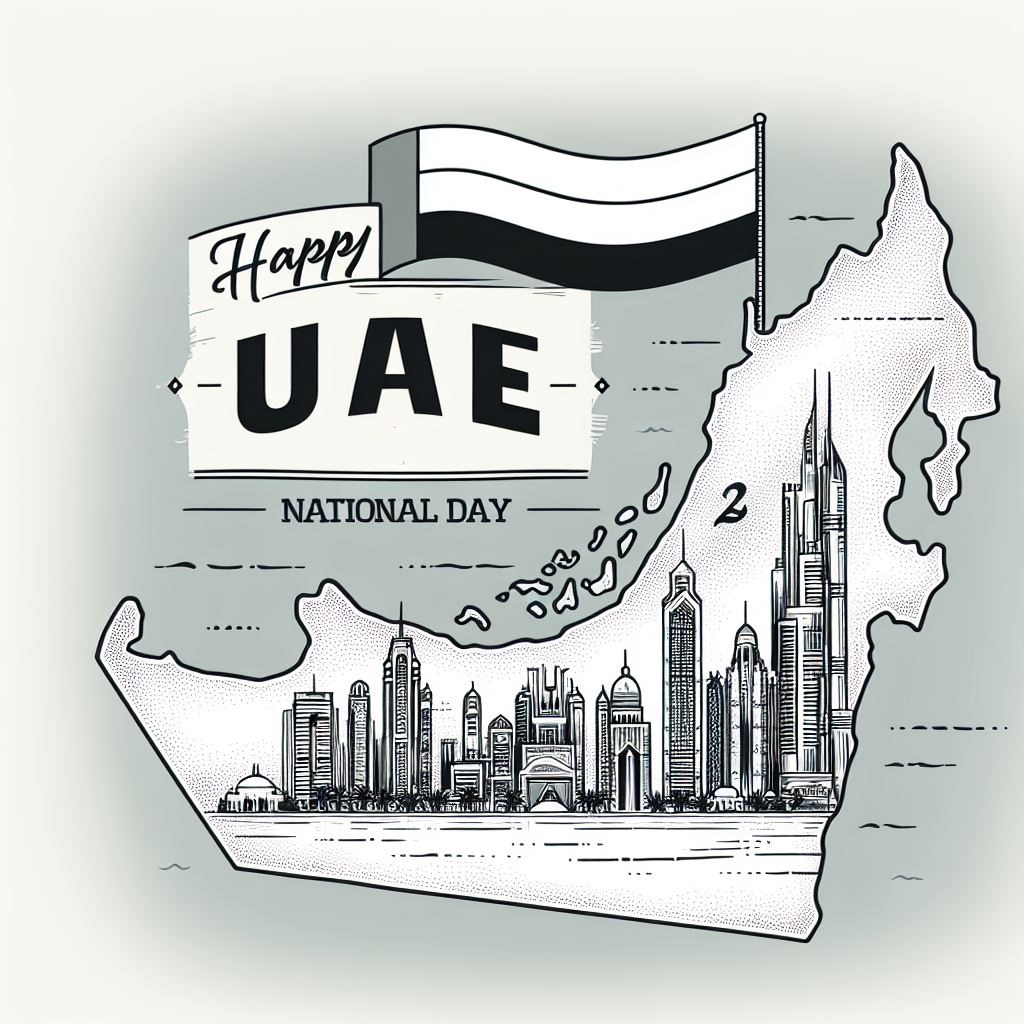
Some national days are tied to a patron saint or a ruler’s birthday, accession, or removal. Because these celebrations are deeply rooted in national identity, they are typically observed as official public holidays, allowing widespread participation in festivities. While most countries have at least one such day, Denmark and the United Kingdom stand out as exceptions: Denmark’s Constitution Day is an unofficial observance rather than a public holiday, and the United Kingdom lacks a single designated national day altogether.

The concept of a national day emerged with the age of nationalism, with the majority of these holidays appearing during the 19th and 20th centuries as nations sought to commemorate their founding or key historical milestones. In addition to the common names like Independence Day, Liberation Day, or Republic Day, some countries may use other titles that reflect their unique historical circumstances. For nations that are not broadly recognized as sovereign states, or for defunct states, the designation of a national day can be more complex, and such entities are often listed separately in comprehensive records. Days that are not fixed to the Gregorian calendar are sorted by their occurrence in the calendar year.

Last updated 2026-09-28 from the source article.
Quick Facts
- Definition
- A day marking statehood or nationhood
- Common names
- Independence Day
- Liberation Day
- Republic Day
- Countries without
- No countries are entirely without; Denmark and the United Kingdom have de facto national days
- Era of emergence
- Age of nationalism, 19th and 20th centuries
- Typical status
- Official public holiday
Facts from the source article.
Lore & Background
A national day is a day on which celebrations mark the statehood or nationhood of a state or its people. It may be the date of independence, of becoming a republic, of becoming a federation, or a significant date for a patron saint, a ruler (such as a birthday, accession, or removal) or a date in that country's particular history. The national day is often an official public holiday. Many countries have more than one national day.

While Denmark and the United Kingdom are sometimes cited as lacking a single official national day, both have widely recognized de facto national days: the United Kingdom has multiple, such as the King's Official Birthday and St George's Day, while Denmark observes Constitution Day (Grundlovsdag) on June 5, an official flag-flying day and a widely observed celebration of nationhood. National days emerged with the age of nationalism, with most appearing during the 19th and 20th centuries. National day may also be known as Independence Day, Liberation Day, or Republic Day, depending on the nation, and its history.

Reader's Guide
The national day serves as a focal point for collective identity, marking a key event in a country's history such as independence, federation, or the accession of a ruler. Its emergence during the 19th and 20th centuries reflects the rise of nationalism.
While most nations observe a national day as an official public holiday, Denmark and the United Kingdom are exceptions: Denmark has an unofficial celebration called Constitution Day, and the United Kingdom has no national day at all. The term may vary—Independence Day, Liberation Day, or Republic Day—depending on the nation's specific historical path. The concept is broad enough to include dates tied to patron saints or rulers, and some countries recognize multiple national days.
Frequently Asked Questions
What exactly is a national day?
A national day is a commemorative date that marks a country's statehood or the collective identity of its people. It typically falls on a milestone such as independence, the founding of a republic, or the anniversary of a significant historical figure.
When did the concept of national days first appear?
National days largely emerged during the Age of nationalism in the 19th and 20th centuries, as newly formed or reformed states sought to anchor their shared identity around a specific calendar date.
Do all countries have a national day?
Every country effectively has one, though Denmark and the United Kingdom are sometimes noted for lacking a single codified official national day. Both nonetheless celebrate widely recognized de facto national days that function in practice the same way.
More in Public Holidays & Observances
Related in Public Holidays & Observances
Links follow this subject's own source article.
Sources
Compiled from Wikipedia and the sources listed below. Text from Wikipedia is available under CC BY-SA 4.0; this entry is adapted from it.
- Wikipedia: National day (CC BY-SA 4.0).
Spotted an error? Know more?
Reader corrections go straight into our review queue. Suggest an edit · How this site is sourced