Oktoberfest
Last updated

File:Hacker-Pschorr Oktoberfest Girl.jpg by Markburger83 Derivative work: Lauro · CC BY-SA 3.0
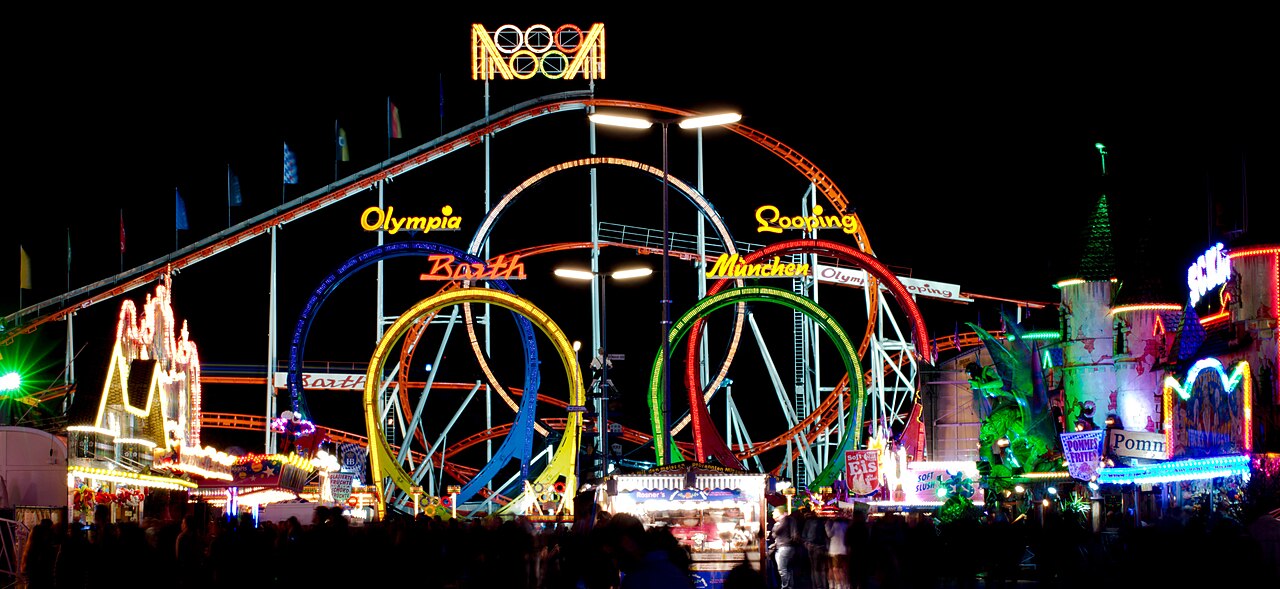
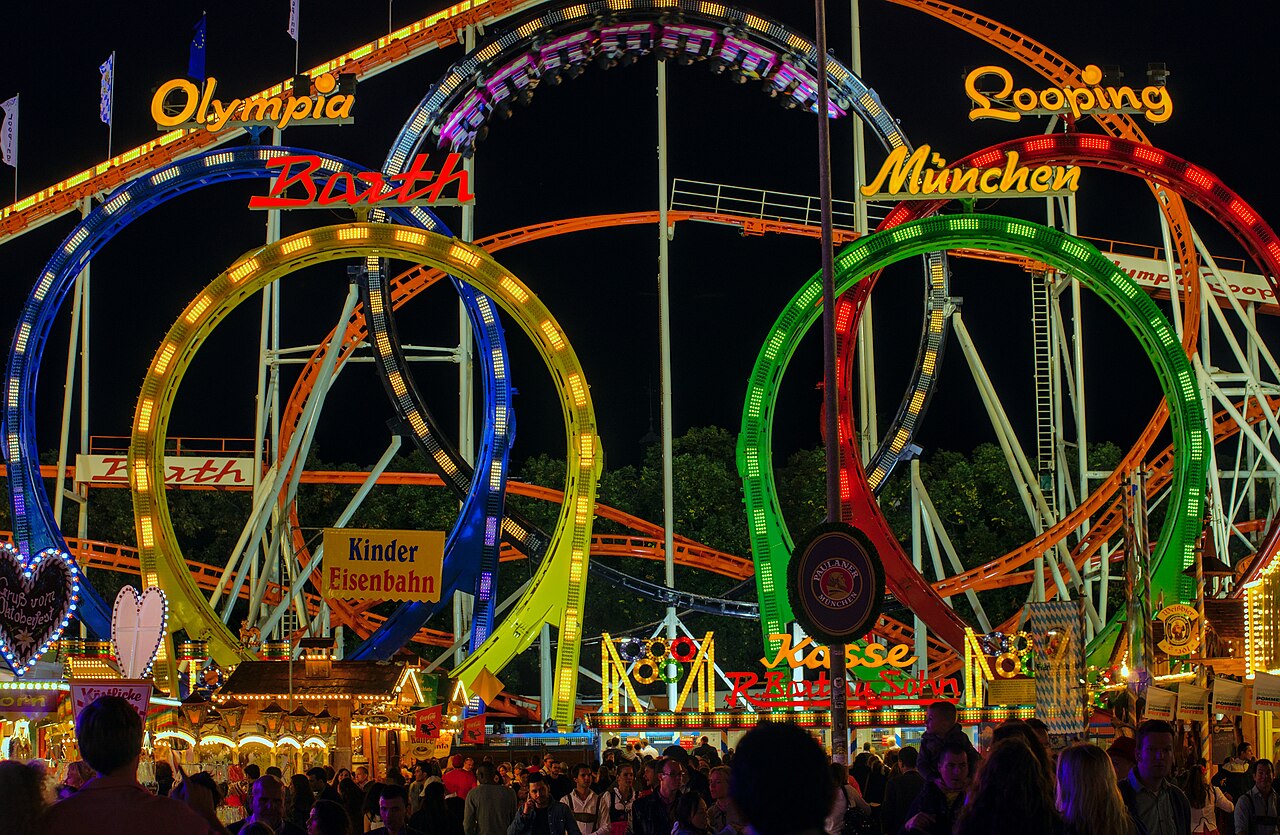
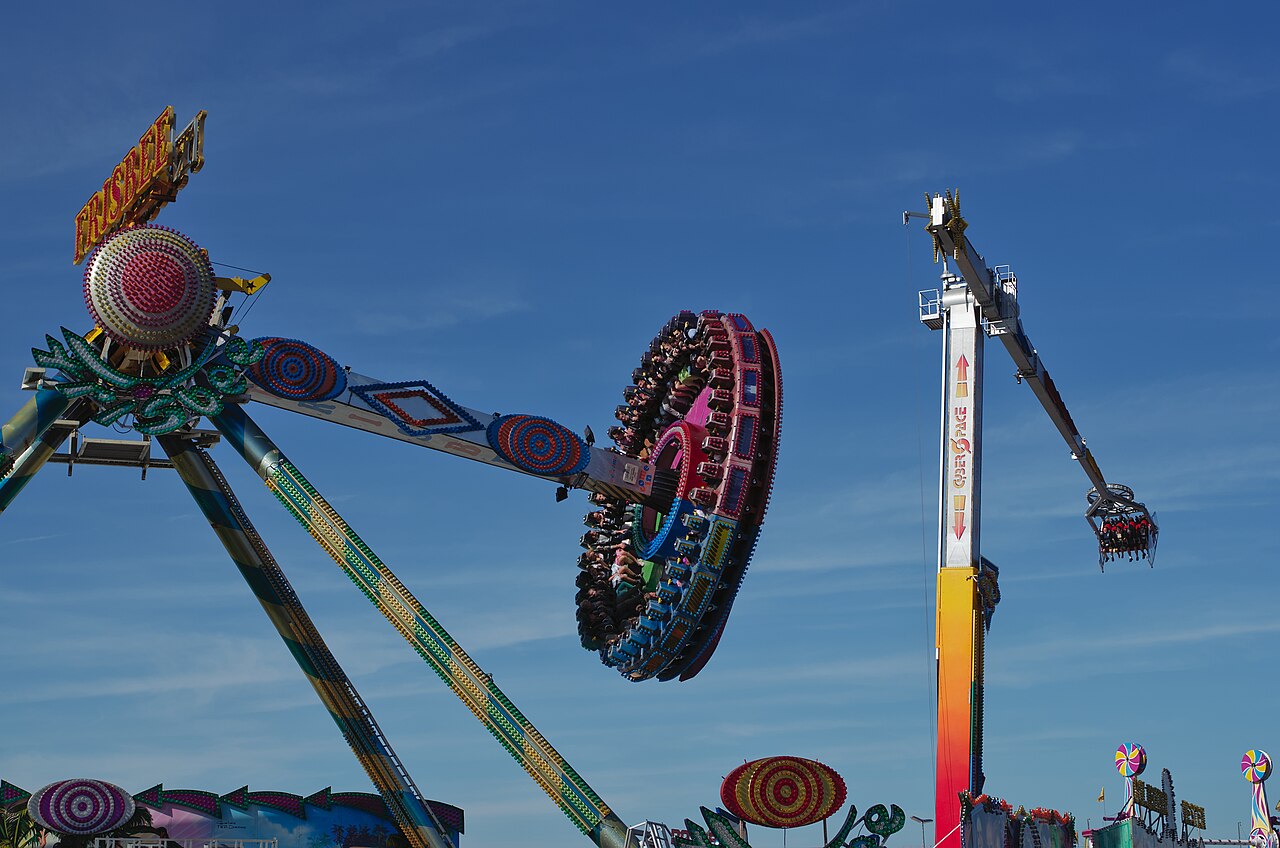
Oktoberfest is the world’s largest Volksfest, a combination of a beer festival and a fun fair held annually in Munich on the Theresienwiese. It runs from mid-September to the first Sunday in October and draws around seven million visitors each year; in 2023, attendance reached a record 7.2 million, who consumed approximately 7.4 million litres of beer. The event features amusement rides, games, food stalls, and traditional Bavarian dishes. The first Oktoberfest took place on 12 October 1810 to celebrate the wedding of Crown Prince Ludwig and Princess Therese of Saxony-Hildburghausen.
Origins (1810–1811)
Munich officials invited the public to celebrate on fields outside the city walls, and the site was named Theresienwiese the following year. That first festival featured a horse race modelled on the medieval once run at the Karlstor; Major Andreas Michael Dall’Armi proposed the idea, though coachman Franz Baumgartner later claimed credit. About 40,000 spectators watched from Sendlinger Hill, and Baumgartner’s horse won, earning him a gold medal from Minister of State Maximilian von Montgelas.
19th century
An agricultural show was added in 1811, and the fair was cancelled in 1813 during the War of the Sixth Coalition. Skittles, swings, and climbing poles appeared in 1814, and carnival booths offering prizes of silverware, porcelain, and jewellery emerged in 1818. Munich’s city council took control in 1819 and decreed the festival be held annually. Over the 19th century, the opening was moved into late September to take advantage of warmer evenings, so only the final days now fall in October.
Since 1850, the annual Trachten- und Schützenzug (costume and marksmen parade) has marched to the Theresienwiese, led by the Münchner Kindl mascot. The bronze Bavaria statue was erected in 1850, and the Ruhmeshalle was completed in 1853. The festival was cancelled for cholera epidemics in 1854 and 1873, the Austro-Prussian War in 1866, and the Franco-Prussian War in 1870.
20th century
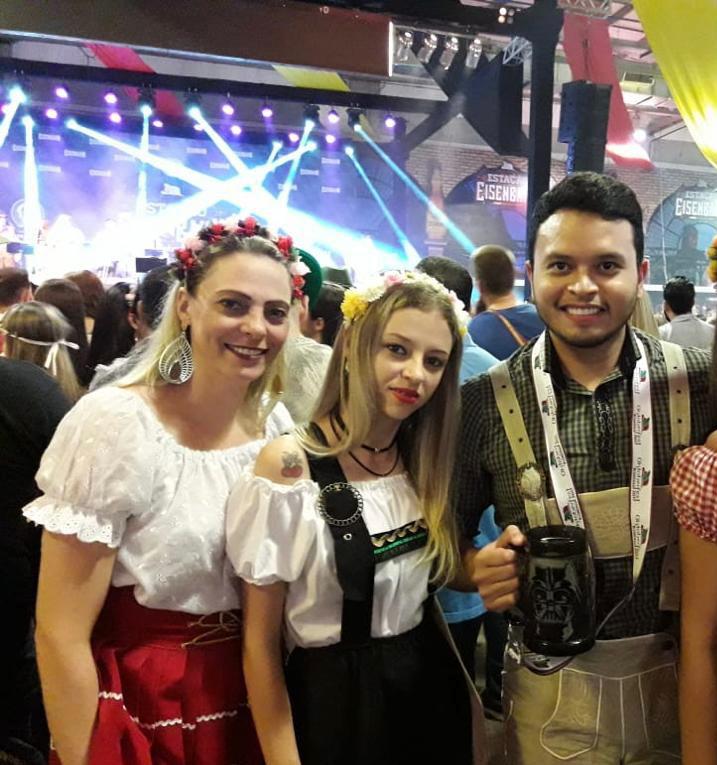
In 1910, the centenary celebration recorded about 120,000 litres of beer consumed. The festival was cancelled during both World Wars and during hyperinflation in 1923–24. From 1933 to 1945, the Nazi regime used it for propaganda, barring Jewish people from working at the Wiesn in 1933. Since 1950, the Mayor of Munich has opened Oktoberfest with a 12-gun salute and the cry “O’zapft is!”.
Last updated 2026-09-28 from the source article.
Lore & Background
The first festival featured a horse race modelled on the medieval once run at the Karlstor, proposed by Major Andreas Michael Dall'Armi, though coachman Franz Baumgartner later claimed credit. Baumgartner's horse won, and he received a gold medal from Minister of State Maximilian von Montgelas. The opening was moved into late September to take advantage of warmer evenings.
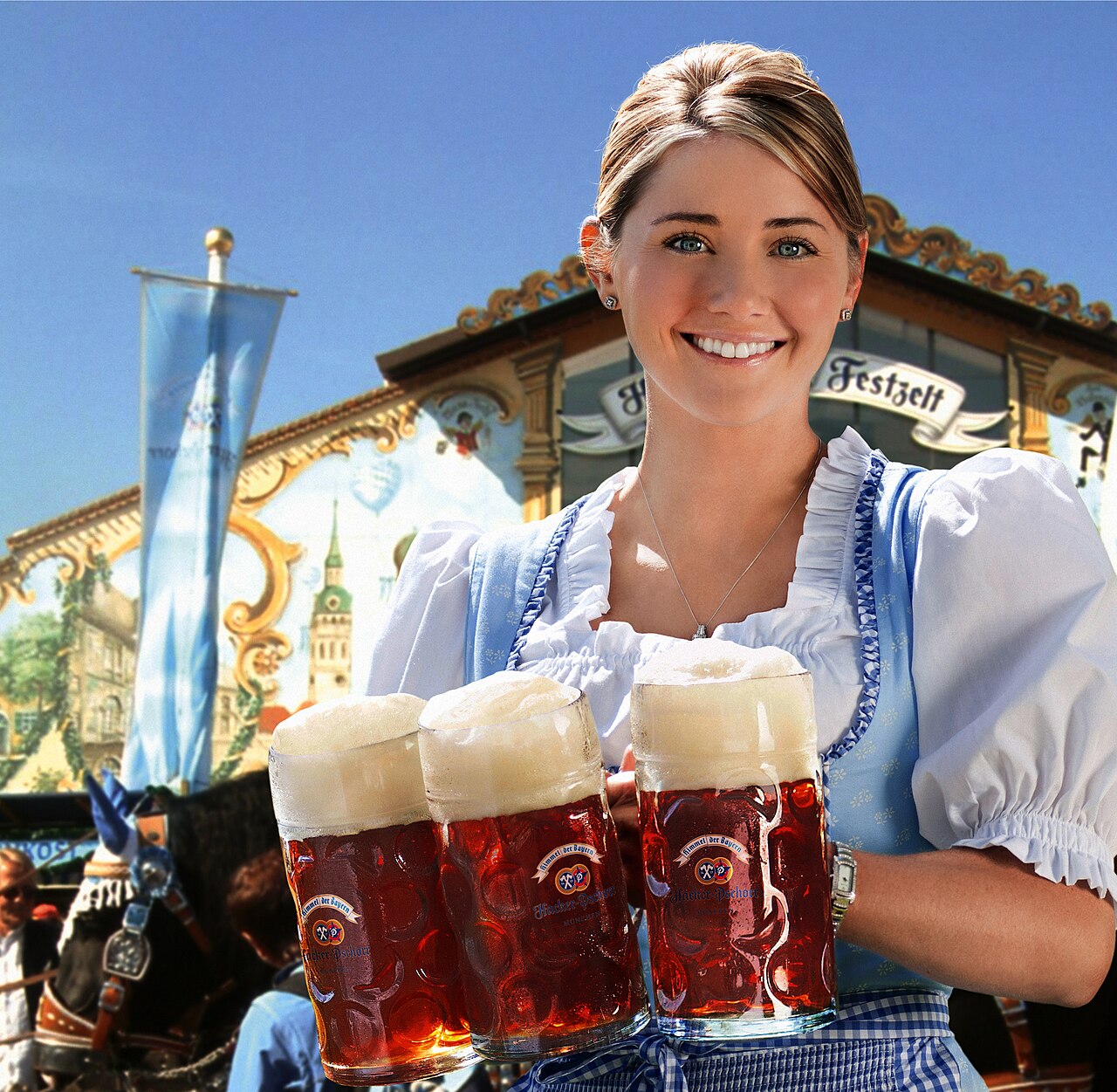
Oktoberfest is the world's largest Volksfest, combining a beer festival with a fun fair. It draws around seven million visitors annually, with a record 7.2 million in 2023, who consumed approximately 7.4 million litres of beer. The festival features amusement rides, games, food stalls, and traditional Bavarian dishes.
Reader's Guide
Oktoberfest’s significance stems from its dual identity as both a beer festival and a fun fair, drawing around seven million visitors annually. In 2023, attendance hit a record 7.2 million, with approximately 7.4 million litres of beer consumed. The event’s behaviour and ecology are rooted in longstanding traditions: the mayor opens the festival by tapping the first keg and declaring “It’s tapped!”, followed by a twelve-gun salute.
The annual costume and marksmen parade, featuring about 8,000 participants led by the Münchner Kindl mascot, has marched since 1850. The festival’s core offerings—amusement rides, games, food stalls, and traditional Bavarian dishes—are complemented by a “quiet Oktoberfest” rule introduced in 2005, limiting tents to traditional brass music until 18:00 with a volume cap of 85 dB. A full smoking ban took effect in 2011.
The festival’s endurance over two centuries, despite cancellations for wars, cholera epidemics, hyperinflation, the 1980 bombing that killed 13, and the COVID-19 pandemic, underscores its resilience. Its influence extends beyond Bavaria: a Greek delegation in 1832 cited it as a model for the Zappas Olympics, precursors to the modern Olympic Games. The exclusive serving of Munich-brewed beer, the opening parade dating to 1887, and the bronze Bavaria statue erected in 1850 all reinforce its role as a global symbol of Bavarian festival culture.
Frequently Asked Questions
What is Oktoberfest?
Oktoberfest is the world's largest Volksfest, a celebration that blends a massive beer festival with a traditional fun fair. It is held every year in Munich, Germany, on the Theresienwiese grounds.
Where and when does Oktoberfest take place?
The festival runs for 16 days each year, from mid-September through the first Sunday of October, on the Theresienwiese in Munich.
What activities are available at Oktoberfest?
Beyond the famous beer tents, the grounds are packed with amusement rides, carnival games, and food stalls serving traditional Bavarian dishes. It is essentially a full fun fair combined with a large-scale beer celebration.
More in Public Holidays & Observances
Sources
Compiled from Wikipedia and the sources listed below. Text from Wikipedia is available under CC BY-SA 4.0; this entry is adapted from it.
- Wikipedia: Oktoberfest (CC BY-SA 4.0).
Spotted an error? Know more?
Reader corrections go straight into our review queue. Suggest an edit · How this site is sourced