
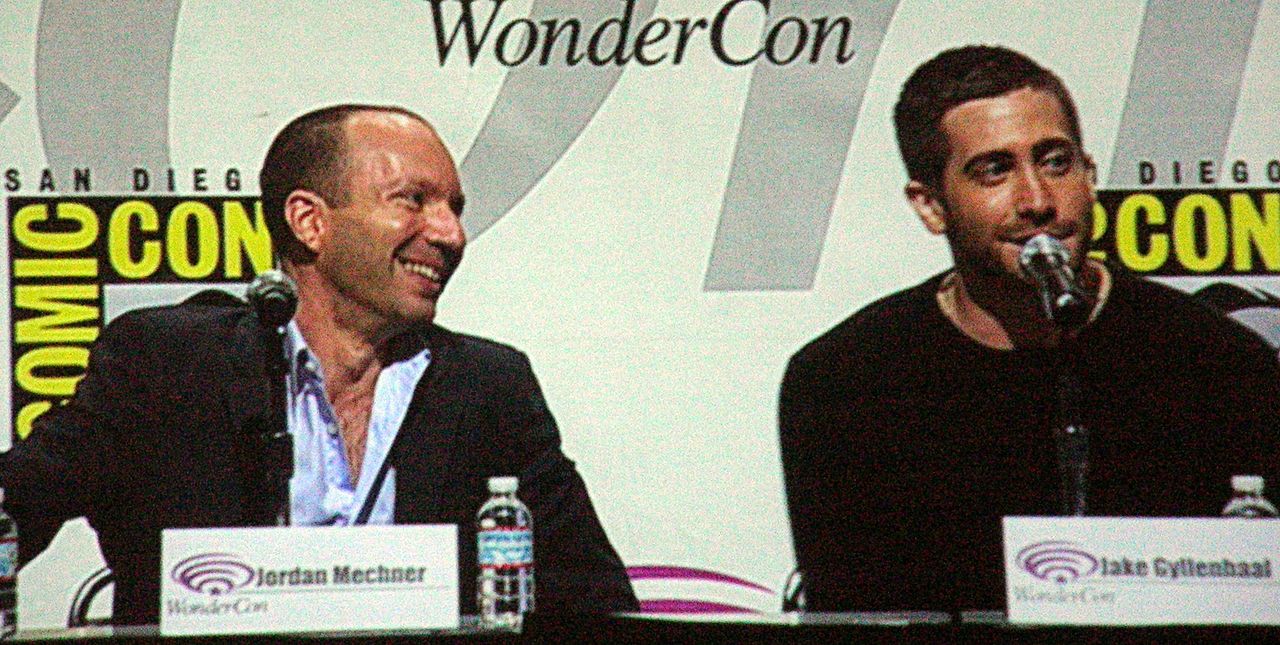
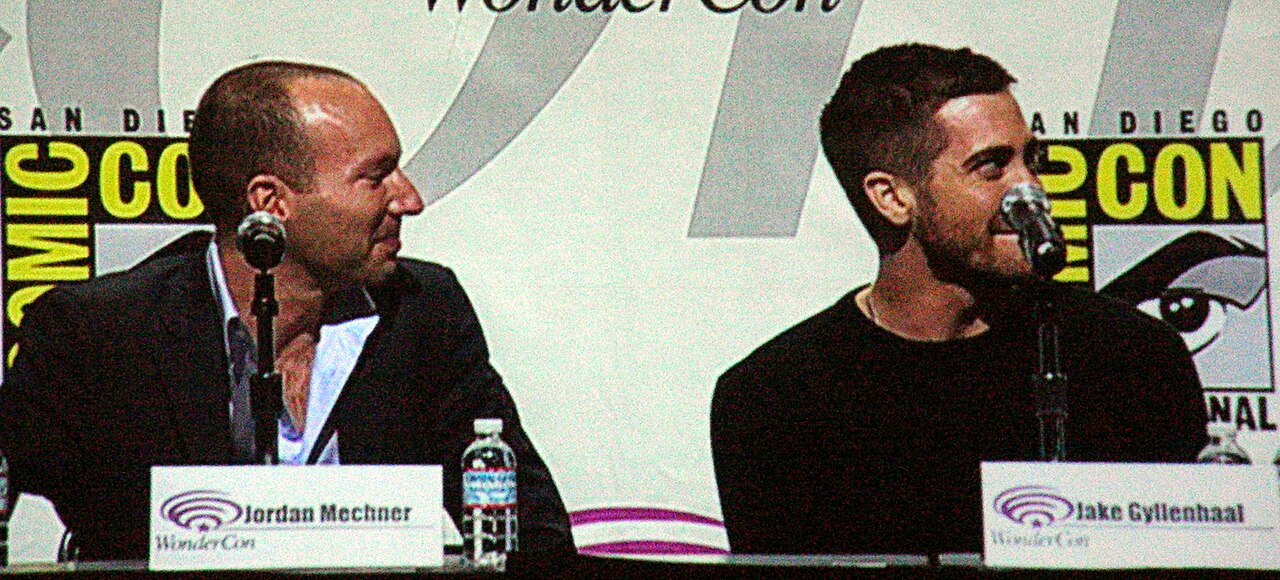
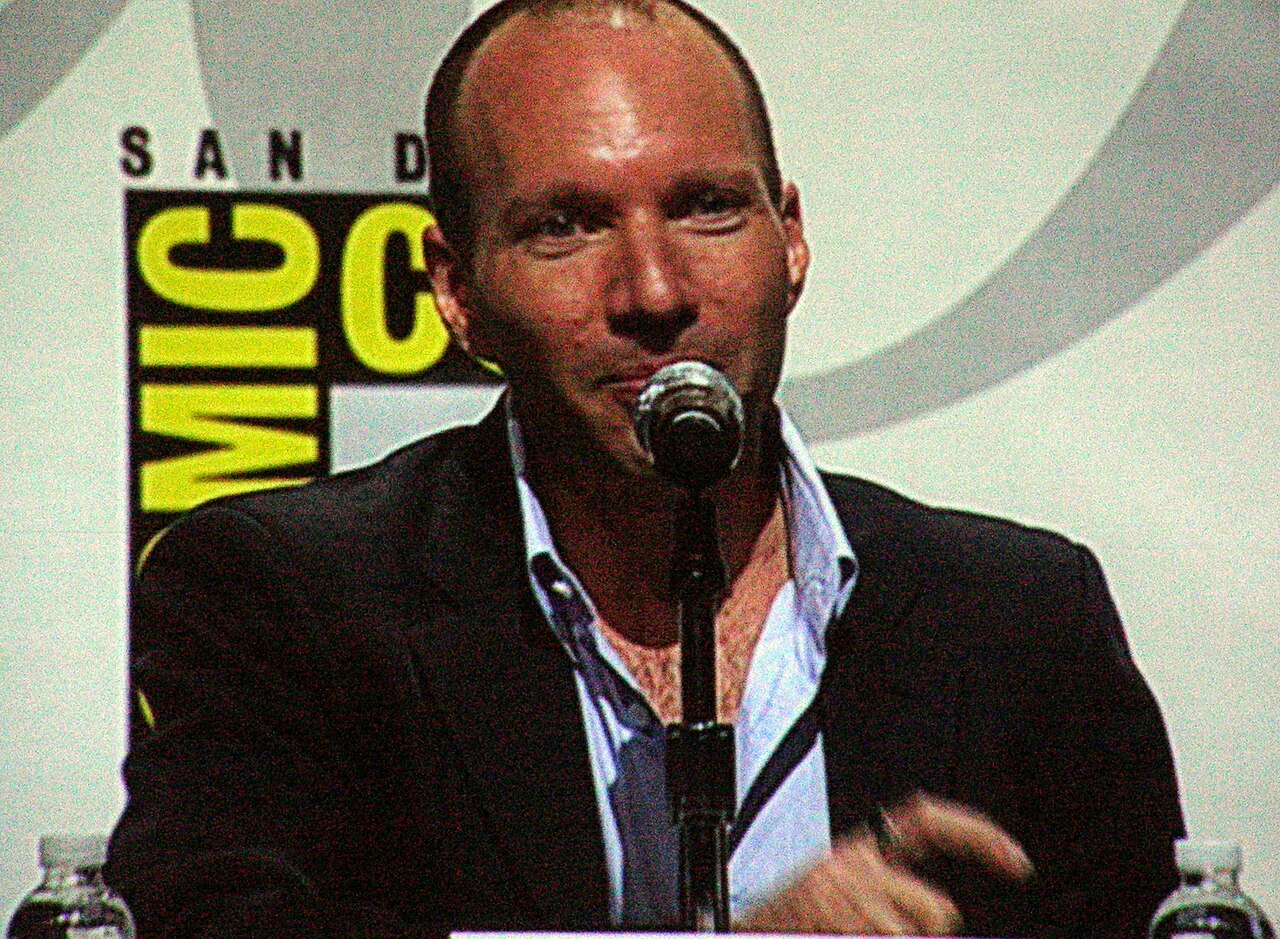
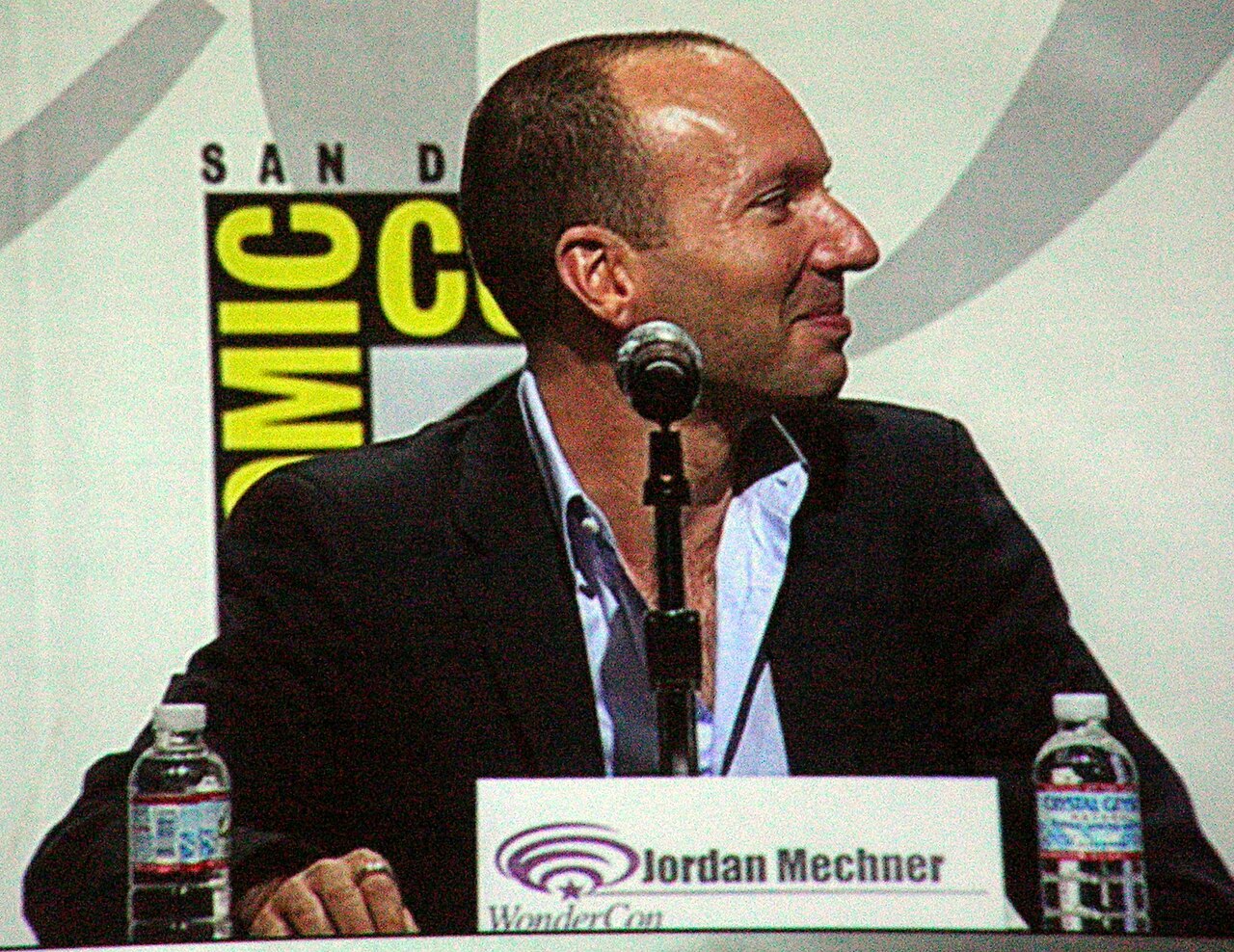
Jordan Mechner
Pioneer of cinematic video games and creator of Prince of Persia.

Bellamybj · CC BY-SA 4.0
Jordan Mechner (born June 4, 1964) is an American video game designer, graphic novelist, author, screenwriter, filmmaker, and former video game programmer. A major figure in the development of cinematic video games and a pioneer in video game animation, he began his career designing and programming the bestselling 1984 martial arts game Karateka for the Apple II while a student at Yale University. He followed it with the platform game Prince of Persia five years later; it was widely ported and became a hit.
Both games used rotoscoping, where actors shot on film by Mechner were drawn over to create in-game animation. Prince of Persia has become the basis for a long-running franchise, including a 2010 live-action film released by Walt Disney Pictures and an ongoing series of video games published by Ubisoft. Mechner is the recipient of many accolades, including the 2017 GDC Pioneer Award. His works are often included in all-time lists of the game industry's best and most influential titles.
Quick Facts
- Affiliation
- Broderbund, Ubisoft (as creator)
- Key franchise
- Prince of Persia
- Innovation
- Rotoscoping in video games
- First major release
- Prince of Persia (1989)
- Status
- Active
Lore & Background
Mechner was born in New York City in 1964, into a family of European Jewish immigrants. His father is psychologist Francis Mechner, and his mother was a programmer. He attended Yale University in the 1980s. While at Yale, Mechner wrote several Apple II games that he submitted for publication, but which were rejected.
Asteroid Blaster, an Asteroids clone, was submitted to Hayden Software and abstract action game Deathbounce to Broderbund. Mechner then spent two years at Yale writing his first published game, Karateka (1984), which went to number one on the Billboard software chart. Karateka is a horizontally scrolling game where meeting an enemy results in a prolonged fight. The game cuts between gameplay and what is happening out of the player's view, showing actions of the imprisoned princess and her captor.
The animation was done by drawing on top of frames of Mechner's karate instructor recorded on film. His second game, Prince of Persia, was released in 1989 after more than three years of work. He wrote both games in the 6502 assembly language for the Apple II, though that system was in decline through the late 1980s, and little new software was released by 1989. Initially, Prince of Persia sold poorly, but as it was ported to other systems, sales increased.
Eventually, it was adapted for about thirty computer and console platforms. Following the completion of Prince of Persia, Mechner attended film school, traveled to Cuba to produce and direct a short documentary film, and lived in Paris for a year. During this period, he designed and directed the sequel, Prince of Persia 2: The Shadow and the Flame, released in 1993. He founded the independent developer Smoking Car Productions in 1993, where he led the production of the CD-ROM adventure game The Last Express.
Smoking Car grew to sixty people, a huge team for the mid-1990s, and the game took longer to finish than anticipated. When finally released in 1997, it was positively reviewed but did not recoup its budget. The Last Express was re-released in 2012 by French publisher DotEmu for mobile and other platforms. In 2017, he won the Honorific Award at the Fun & Serious Game Festival.
Reader's Guide
In 2001, Mechner worked with Ubisoft to reboot Prince of Persia. Developed at Ubisoft Montreal with Mechner as game designer, writer, and creative consultant, Prince of Persia: The Sands of Time was released in 2003. It received twelve nominations and eight awards at the Interactive Achievement Awards. Ubisoft has since published four more Prince of Persia sequels and several spinoffs, including the Assassin's Creed franchise, which was initially conceived as a sequel to Sands of Time.
In 2024, Ubisoft released Prince of Persia: The Lost Crown, a new relaunch of the franchise, developed at its Montpellier studio. A film adaptation, Prince of Persia: The Sands of Time, was released on May 28, 2010. Mechner wrote the first drafts of the screenplay and also has an executive producer credit. In 2003, Mechner wrote and directed the documentary film Chavez Ravine: A Los Angeles Story.
It won the 2003 IDA award for Best Short Documentary, was shortlisted for an Academy Award nomination, and received its broadcast premiere on PBS Independent Lens in 2005. Mechner collaborated with a team on the 2008 Prince of Persia graphic novel. The author's graphic novel Templar was published in July 2013. Templar became a New York Times best-selling book and was nominated for an Eisner Award.
Mechner also wrote the graphic novel Prince of Persia: Before the Sandstorm, to tie in with the release of the film in 2010. He has published two volumes of his game development journals from the 1980s, one describing the making of Karateka and the other focusing on Prince of Persia. Mechner has written a screenplay for a film adaptation of Michael Turner's Fathom for Fox Studios. In 2017, Mechner moved to Montpellier, France.
He has collaborated with European illustrators on graphic novels, including Monte Cristo (2023) and Liberty (2022). In 2023, he released an autobiographical graphic novel, Replay: Memoires d'une famille. He continues to write new graphic novels.
Origins and Technical Innovation
Jordan Mechner established the franchise following his success with Karateka, drawing inspiration from One Thousand and One Nights and classic adventure films like Raiders of the Lost Ark. The defining technical achievement of the original 1989 title was its use of rotoscoping for character animation. To achieve this fluid realism, Mechner filmed his own brother performing the movements, which served as the direct model for the titular Prince. This pioneering approach set a new standard for action-adventure games and contributed to the title becoming one of the most ported video games in history across over twenty platforms.
After studying film at New York University and creating an award-winning short, Mechner returned to design and supervise the sequel, The Shadow and the Flame. Published by Broderbund, this 1993 entry maintained critical acclaim and strong sales before corporate acquisitions eventually shifted the franchise's ownership from Broderbund to The Learning Company, and later to Mattel Interactive.
The Ubisoft Reboot Era
Following a commercial disappointment with Prince of Persia 3D in 1999, which was criticized for technical bugs, Mechner retained the intellectual property rights. When Ubisoft acquired the assets in 2001, they brought Mechner on board to reboot the series despite his initial wariness regarding the franchise's recent history. Collaborating with the team behind Splinter Cell, they aimed to revitalize the action-adventure genre with Prince of Persia: The Sands of Time in 2003.
While Mechner did not participate in the subsequent Warrior Within, he expressed disapproval of its darker atmosphere and increased violence. Developers later attempted a tonal balance for The Two Thrones, blending the lighter style of the reboot with grittier elements. This era also saw the release of The Forgotten Sands in 2010 as a film tie-in, featuring divergent storylines across various console versions to bridge narrative gaps within the trilogy.
Franchise Evolution and Spin-offs
Beyond the main narrative entries, the franchise expanded significantly through spin-offs, remakes, and collections. A turn-based strategy game titled Battles of Prince of Persia was released alongside The Two Thrones for the Nintendo DS, though it received only mediocre critical reception. In 2007, Gameloft partnered with Ubisoft to release Prince of Persia Classic, an enhanced remake of the original title that introduced new features while preserving the core experience.
A second major reboot arrived in 2008 under the simple title Prince of Persia; this installment deliberately harkened back to the level and combat design of the 1989 classic, earning positive reviews and decent sales. Ubisoft's Casablanca studio also developed a direct sequel for handhelds called The Fallen King. Additionally, the franchise saw extensive collection releases, including a high-definition trilogy on Blu-ray that supported 3D visuals and trophies, marking a significant milestone as the first Classics HD title not published by Sony.
Legacy and Cultural Impact
The Prince of Persia franchise has transcended gaming to become a multimedia property with a lasting cultural footprint. Outside of video games, the brand expanded into a feature film adaptation, a graphic novel series, and a Lego toyline. The influence of Mechner's original vision is so profound that Ubisoft's Assassin's Creed franchise is widely considered its spiritual successor, inheriting the parkour mechanics and historical settings. Despite these expansions, the core identity remains tied to the action-adventure roots established in ancient and medieval Persia.
Even as the series evolved through various developers like Red Orb Entertainment and Avalanche Software, the legacy of the original rotoscoped animation persists. Although a remake of The Sands of Time was announced in 2020, it was ultimately cancelled in early 2026, yet the franchise continues to thrive with new entries like The Lost Crown released in 2024, proving its enduring appeal decades after Mechner's initial creation.
Gallery


More in Development & Legacy
Related in Prince of Persia
Links follow this subject's own source article.
Elsewhere in Prince of Persia
Spotted an error? Know more?
Reader corrections go straight into our review queue. Suggest an edit · How this site is sourced