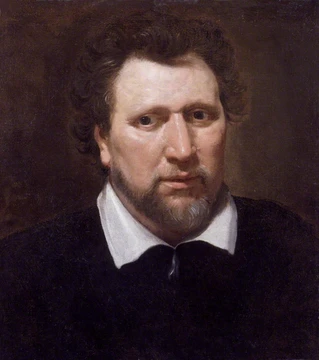
David Williamson
Australian playwright of political and family dramas.

via Wikipedia: David Williamson · see source
David Williamson (born 1942 in Melbourne) is an Australian writer best known for his stage plays, though he has also written for film and television. He first gained attention in the early 1970s with *Don's Party*, a political comedy-drama set during the 1969 federal election, which was later adapted into a 1976 film. Other major plays include *The Club*, *Travelling North*, and *Emerald City*. He also co-wrote the screenplay for the 1981 war film *Gallipoli*.
Williamson grew up in Bentleigh, then moved to Bairnsdale in 1954. He started studying mechanical engineering at the University of Melbourne in 1960 but left, eventually earning a Bachelor of Engineering from Monash University in 1965. His early theatre work involved acting and writing skits for the Engineers' Revue at Melbourne University, and later writing satirical sketches for Monash student reviews and the Emerald Hill Theatre Company. After a short stint as a design engineer at GM Holden, he became a lecturer in mechanical engineering and thermodynamics at Swinburne Technical College in 1966, while studying social psychology part-time. He earned a Master of Arts in Psychology in 1970 and did further postgraduate research, then lectured in social psychology at Swinburne until 1972.
He began writing and performing plays in 1967 with La Mama Theatre Company and the Pram Factory. His work often explores politics, loyalty, and family in contemporary urban Australia, especially Melbourne and Sydney. Besides *Don's Party* and *Gallipoli*, he co-wrote the screenplay for *The Year of Living Dangerously* (1982). His other notable stage works include *The Department*, *The Perfectionist*, *Money and Friends*, and *Brilliant Lies*. Later plays include *Dead White Males*, a satire of postmodernism and university ethics; *Up for Grabs*, which starred Madonna in its London premiere; and the Jack Manning Trilogy (*Face To Face*, *Conversation*, *Charitable Intent*), based on community conferencing, a restorative justice method he became interested in during the late 1990s and early 2000s. In recent years, he has written for both large stages (such as *Soul Mates*, *Amigos*, and *Influence* with the Sydney Theatre Company) and smaller ones (including the Manning trilogy, *Flatfoot*, and *Operator* at the Ensemble Theatre).
In 2005, Williamson announced his retirement from main-stage productions, but continued writing new plays, many produced by the Ensemble Theatre. He had a serious heart condition, cardiac arrhythmia, requiring frequent hospitalisation; an operation resolved it. In 2009, he suffered a mild stroke but recovered fully. In 2007, *Lotte's Gift*, a one-woman show starring Karin Schaupp, traced Schaupp's life and those of her mother and grandmother. His memoir, *Home Truths*, was published in 2021.
Williamson helped found the Noosa Long Weekend Festival, a cultural event in Noosa, Queensland, where he lives. In 2006, former Queensland Labor MP Cate Molloy announced he would be her campaign manager as she ran as an Independent for her old seat.
He is married to Kristin Williamson (sister of filmmaker Chris Löfvén); they have homes in Sydney and on Queensland's Sunshine Coast, and five adult children. His son Rory Williamson and stepson Felix Williamson are both actors. Rory played Stork in a 2001 revival of *The Coming of Stork* at Sydney's Stables Theatre, produced by Felix's company, the Bare Naked Theatre Company.
Williamson has received numerous honours: the British George Devine Award (1971); an Australian Writers Guild Awgie Award for *The Removalists* (1972); appointment as an Officer of the Order of Australia (1983); honorary doctorates from the University of Sydney (1988), Monash University (1990), Swinburne University of Technology (1996), and the University of Queensland (2004); the Human Rights and Equal Opportunity Commission Drama Award for *Sanctuary* (1995); and the inaugural Andrew Olle Media Lecture (1996). He was nominated Senior Australian of the Year in 2012. He has won AFI Awards for the screenplays of *Don's Party* (1977), *Gallipoli* (1981), *Travelling North* (1987), and *Balibo* (2009, shared with director Robert Connolly). In 2005, he received the JC Williamson Award, the highest honour from Live Performance Australia, for his lifetime contribution to live performance.
- born
- 1942
- field
- Playwright, screenwriter
- nationality
- Australian
- known_for
- Don's Party, The Club, Travelling North, Emerald City, Gallipoli
Verified Timeline
Quick Facts
- Honorific Suffix
- AO · country=AUS · size=100%
- Birth Name
- David Keith Williamson
- Birth Date
- 1942
- Birth Place
- Melbourne, Victoria, Australia
- Genre
- Theatre, film, television
- Occupation
- Playwright, screenwriter
- Language
- English
- Website
- https: · www.davidwilliamsonplaywright.com
Facts from the source article.
Lore & Background
David Williamson was born in Melbourne, Victoria, in 1942, and was brought up in Bentleigh before his family moved to Bairnsdale in 1954. He initially studied mechanical engineering at the University of Melbourne from 1960, but left and graduated from Monash University with a Bachelor of Engineering degree in 1965. His early forays into the theatre were as an actor and writer of skits for the Engineers' Revue at Melbourne University's Union Theatre at lunchtime during the early 1960s, and as a satirical sketch writer for Monash University student reviews and the Emerald Hill Theatre Company. After a brief stint as design engineer for GM Holden, Williamson became a lecturer in mechanical engineering and thermodynamics at Swinburne University of Technology (then Swinburne Technical College) in 1966 while studying social psychology as a postgraduate part-time at the University of Melbourne. He completed a Master of Arts in Psychology in 1970, and then completed further postgraduate research in social psychology. Williamson later lectured in social psychology at Swinburne, where he remained until 1972. Williamson first turned to writing and performing in plays in 1967 with La Mama Theatre Company and the Pram Factory, and rose to prominence in the early 1970s, with works such as Don's Party (later turned into a 1976 film), a comic drama set during the 1969 federal election; and The Removalists (1971). He also collaborated on the screenplays for Gallipoli (1981) and The Year of Living Dangerously (1982). Williamson's work as a playwright focuses on themes of politics, loyalty and family in contemporary urban Australia, particularly in two of its major cities, Melbourne and Sydney. Major stage works include The Club, The Department, Travelling North, The Perfectionist, Emerald City, Money and Friends and Brilliant Lies. Recent work has included Dead White Males, a satirical approach to postmodernism and university ethics; Up for Grabs, which starred Madonna in its London premiere; and the Jack Manning Trilogy (Face To Face, Conversation, Charitable Intent) which take as their format community conferencing, a new form of restorative justice, in which Williamson became interested in the late 1990s and early 2000s. In 2005, he announced his retirement from main-stage productions, although he has continued to write new plays for the mainstage, many produced with the Ensemble Theatre. He had a serious health problem, cardiac arrhythmia, which had required frequent hospitalisation. An operation resolved this issue, but then in 2009 he had a mild stroke, from which he recovered fully. In 2007, Lotte's Gift, a one-woman show starring Karin Schaupp, which traced a journey through Schaupp's own life as well as those of her mother and grandmother (the Lotte of the title), was produced. In 2021, his memoir, Home Truths, was published by HarperCollins. Reviewing the book for The Sydney Morning Herald, Peter Craven wrote 'He comes across as a likeable, flawed fellow with no more blindness than people of lesser talent'.
Reader's Guide
David Williamson is a significant figure in Australian theatre and film, known for his political comic dramas and explorations of urban Australian life. His early success with Don's Party and The Removalists established him as a leading playwright in the early 1970s, and his screenplays for Gallipoli and The Year of Living Dangerously extended his influence to international cinema. Williamson's work consistently addresses themes of politics, loyalty, and family, often set in Melbourne and Sydney. He has received numerous honors, including the British George Devine Award in 1971, multiple Australian Writers Guild Awgie Awards, and appointment as an Officer of the Order of Australia in 1983. He has also been awarded honorary doctorates from several universities. In 2005, he announced his retirement from main-stage productions, though he continued to write new plays. His memoir, Home Truths, was published in 2021. Williamson's legacy lies in his prolific output and his ability to capture the social and political dynamics of contemporary Australia, making him a central figure in the country's cultural history.
Did You Know?
- Williamson initially studied mechanical engineering at the University of Melbourne from 1960, but left and graduated from Monash University with a Bachelor of Engineering degree in 1965.
- He completed a Master of Arts in Psychology in 1970, and later lectured in social psychology at Swinburne until 1972.
- His play Up for Grabs starred Madonna in its London premiere.
- In 2005, he announced his retirement from main-stage productions, but continued to write new plays for the mainstage, many produced with the Ensemble Theatre.
- His 2021 memoir Home Truths was reviewed by Peter Craven in The Sydney Morning Herald, who wrote that Williamson 'comes across as a likeable, flawed fellow with no more blindness than people of lesser talent'.
Frequently Asked Questions
Who is David Williamson?
David Keith Williamson is an Australian playwright and screenwriter born in 1942. He is best recognized for his politically charged family dramas and his work across stage, film, and television.
What plays is David Williamson most known for?
His most celebrated stage works include Don's Party, The Club, Travelling North, and Emerald City. Don's Party, a political comic drama from the early 1970s, is generally credited with launching his reputation.
What genre or style does David Williamson write in?
Williamson is known for blending political commentary with intimate family drama, often using sharp, satirical dialogue. His work typically examines Australian social and political life through the lens of domestic conflict.
Has David Williamson worked outside of theatre?
Yes, he has also written for film and television. His most notable screenwriting credit is the 1981 war film Gallipoli.
When did David Williamson first gain recognition?
He broke into the public eye in the early 1970s with his political comic drama Don's Party. That production established him as a leading voice in Australian theatre.
More in Playwrights And Dramatists 1-24
Spotted an error? Know more?
This is a living reference — every entry is fact-audited, and reader corrections feed straight into our audit queue. Suggest an edit · See this site's audit record