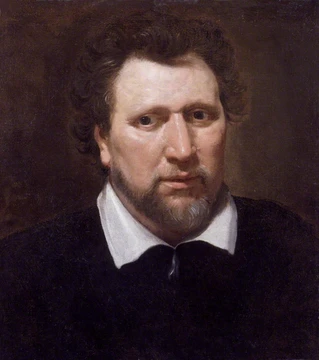
Carlo Goldoni
Italian playwright and librettist who reformed comedy with wit and honesty.

via Wikipedia: Carlo Goldoni · see source
Carlo Osvaldo Goldoni, born in Venice in 1707, was an Italian playwright and librettist. He is remembered for some of Italy’s most celebrated plays, admired for their clever blend of wit and sincerity. His work held a mirror to his era, often focusing on the lives, values, and struggles of the rising middle class. Although he wrote in both French and Italian, his plays are rich with Venetian dialect, local speech, and everyday expressions. Goldoni also used the pen name Polisseno Fegeio, Pastor Arcade, a title he said the "Arcadians of Rome" gave him.
Much of what is known about Goldoni comes from his own introductions to his plays and his memoirs, though these memoirs are known to contain factual errors, especially about his early years. In them, he presents himself as a natural comedian—carefree, cheerful, and resilient, yet honorable.
Goldoni’s father, Giulio, was described in the memoirs as a physician, but was actually an apothecary; his grandfather, Carlo Alessandro, was said to have introduced him to theatre, but had died four years before Carlo’s birth. From childhood, Goldoni was drawn to theatre—his toys were puppets, his books were plays. His father sent him to study under the philosopher Caldini in Rimini, but the young Goldoni soon ran off with a troupe of traveling players and returned to Venice. In 1723, he was enrolled at the strict Collegio Ghislieri in Pavia, where students wore tonsures and monastic habits. He spent much of his time reading Greek and Latin comedies and began writing. In his third year, he composed a satirical poem, *Il colosso*, mocking the daughters of local families. This, along with a visit to a brothel with classmates, led to his expulsion in 1725. He later studied law in Udine and earned his degree at the University of Modena. He worked as a law clerk in Chioggia and Feltre before returning to Venice to practice law.
Though he held steady jobs as a secretary and counselor, a sudden summons to Venice after years away prompted him to change course. He abandoned law to write plays and manage theatres. His father died in 1731. In 1732, to avoid an unwanted marriage, Goldoni left for Milan and then Verona, where theatre manager Giuseppe Imer helped him become a comical poet and introduced him to his future wife, Nicoletta Conio. They returned to Venice, where he stayed until 1743.
Goldoni’s first play, the tragedy *Amalasunta*, was a failure. When he showed it to Count Prata, he was told it followed Aristotle and Horace but not Italian dramatic rules. In Italy, the count explained, one must please the actors, singers, and designers, not just the public. Goldoni burned the manuscript. His next play, *Belisario* (1734), succeeded, though he later felt ashamed of it. He also wrote opera seria librettos and served as literary director of Venice’s San Giovanni Grisostomo opera house. He soon realized comedy was his strength. Taking Molière as his model, he set out to reform Italian theatre. In 1738, he produced his first real comedy, *L’uomo di mondo*. That same year, he wrote *Momolo Cortesan*. By 1743, he had perfected a hybrid style blending Molière’s approach with Commedia dell’arte and his own wit. This style appeared in *La Donna di garbo*, the first Italian comedy of its kind.
After 1748, Goldoni worked with composer Baldassare Galuppi, contributing to the development of opera buffa. Galuppi set more than twenty of Goldoni’s librettos to music. Like his comedies, these operas mixed Commedia dell’arte elements with recognizable local and middle-class life. Among his most successful musical comedies were *Il filosofo di campagna*.
- born
- 25 February 1707
- died
- 6 February 1793
- field
- Playwright, librettist
- nationality
- Italian (Republic of Venice)
- known_for
- Reforming Italian comedy, integrating Commedia dell'arte with realistic middle-c
Lore & Background
Goldoni was born in Venice on 25 February 1707, the son of Margherita Salvioni (or Saioni) and Giulio Goldoni. His memoirs claim his father was a physician and that his grandfather Carlo Alessandro Goldoni introduced him to theatre, but the source notes these are likely errors: Giulio was an apothecary, and the grandfather died four years before Goldoni's birth. He was deeply interested in theatre from his earliest years; his toys were puppets and his books were plays. His father placed him under the philosopher Caldini at Rimini, but the youth soon ran away with a company of strolling players and returned to Venice. In 1723 his father matriculated him into the stern Collegio Ghislieri in Pavia, which imposed the tonsure and monastic habits on its students. In his third year he composed a libellous poem (Il colosso) ridiculing the daughters of certain Pavian families; as a result of that incident (and/or a visit with schoolmates to a local brothel), he was expelled in 1725. He studied law at Udine and eventually took his degree at the University of Modena. He worked as a law clerk at Chioggia and Feltre, then returned to Venice to practice law. After an unexpected summons to Venice following an absence of several years, he changed his career and devoted himself to writing plays and managing theatres. His father died in 1731. In 1732, to avoid an unwanted marriage, he left for Milan and then Verona, where theatre manager Giuseppe Imer helped him become a comical poet and introduced him to his future wife, Nicoletta Conio. He returned with her to Venice and stayed until 1743.
Reader's Guide
Goldoni's significance lies in his reform of Italian theatre, moving away from the improvised Commedia dell'arte toward scripted comedies of character and manners. He adopted Molière as his model, producing his first real comedy, L'uomo di mondo, in 1738. By 1743 he had perfected his hybrid style, combining the model of Molière with the strengths of Commedia dell'arte and his own wit and sincerity, typified in La Donna di garbo, the first Italian comedy of its kind. After 1748 he collaborated with composer Baldassare Galuppi on more than twenty librettos, making significant contributions to opera buffa. His operatic works include two of the most successful musical comedies of the eighteenth century: Il filosofo di campagna, set by Galuppi (1752), and La buona figliuola, set by Niccolò Piccinni (1760). His plays offered contemporaries images of themselves, dramatizing the lives, values, and conflicts of the emerging middle classes. In 1757 he engaged in a bitter dispute with playwright Carlo Gozzi, which left him utterly disgusted with the tastes of his countrymen, leading to his move to Paris in 1761. There he received a position at court and was put in charge of the Théâtre-Italien. He spent the rest of his life in France, composing most of his plays in French and writing his memoirs in that language. Among his French plays, the most successful was Le bourru bienfaisant, dedicated to Marie Adélaïde, a daughter of Louis XV, premiering on 4 February 1771. In 1769, when he retired to Versailles, the King gave him a pension, which he lost after the French Revolution. The Convention eventually voted to restore his pension the day after his death; it was restored to his widow at the pleading of the poet André Chénier.
Did You Know?
- Goldoni's memoirs claim his father was a physician, but the source notes he was actually an apothecary, and that his grandfather—said to have introduced him to theatre—died four years before Goldoni was born.
- He was expelled from the Collegio Ghislieri in Pavia in 1725 after composing a libellous poem (Il colosso) ridiculing the daughters of certain Pavian families, possibly compounded by a visit with schoolmates to a local brothel.
- After the failure of his tragedy Amalasunta, Count Prata told him Italian drama required consulting actors, composers, and decorators—not just Aristotle and Horace. Goldoni reportedly thanked him, returned to his inn, and threw the manuscript into a fire.
- He wrote under the pen name and title Polisseno Fegeio, Pastor Arcade, which he claimed the 'Arcadians of Rome' bestowed on him.
- The French Convention voted to restore his pension the day after his death; it was restored to his widow at the pleading of the poet André Chénier, who said she was seventy-six and her husband left her only 'his illustrious name, his virtues and his poverty.'
Career & Achievements
Goldoni entered the Italian theatre scene with a tragedy, Amalasunta, produced in Milan. The play was a critical and financial failure. Submitting it to Count Prata, director of the opera, he was told his piece 'was composed with due regard for the rules of Aristotle and Horace, but not according to those laid down for the Italian drama.' Goldoni thanked his critic, went back to his inn and ordered a fire, into which he threw the manuscript. His next play, Belisario, written in 1734, was more successful, though of its success he afterwards professed himself ashamed. During this period he also wrote librettos for opera seria and served for a time as literary director of the San Giovanni Grisostomo, Venice's most distinguished opera house. He wrote other tragedies but soon discovered his bent was for comedy. In 1738 he produced his first real comedy, L'uomo di mondo. He was employed by manager Medebac to write plays for his theatre in Venice, and worked for other managers, producing during his stay in that city some of his most characteristic works. He also wrote Momolo Cortesan in 1738. After 1748 he collaborated with composer Baldassare Galuppi, making significant contributions to opera buffa; Galuppi composed the score for more than twenty of Goldoni's librettos. In 1753, following his return from Bologna, he defected to the Teatro San Luca of the Vendramin family, where he performed most of his plays to 1762.
Defining Moments
Several pivotal episodes shaped Goldoni's path. As a teenager at the stern Collegio Ghislieri in Pavia, he composed a libellous poem (Il colosso) ridiculing the daughters of certain Pavian families; as a result of that incident (and/or a visit with schoolmates to a local brothel), he was expelled in 1725. In 1732, fleeing an unwanted marriage, he left for Milan and then Verona, where theatre manager Giuseppe Imer mentored him and introduced him to Nicoletta Conio, his future wife. The most dramatic turning point came after the failure of Amalasunta: Count Prata, the opera director, delivered a withering critique about Italian theatrical conventions. Goldoni reportedly thanked his critic, returned to his inn, lit a fire, and fed the manuscript to the flames. Later, in 1757, a bitter feud with fellow playwright Carlo Gozzi soured his relationship with Italian audiences so thoroughly that he resolved to leave the country entirely, moving to Paris in 1761. In France, he received a position at court and was put in charge of the Théâtre-Italien. In 1769, when he retired to Versailles, the King gave him a pension. He lost this pension after the French Revolution. The Convention eventually voted to restore his pension the day after his death; it was restored to his widow at the pleading of the poet André Chénier, who urged: 'She is old, she is seventy-six, and her husband has left her no heritage save his illustrious name, his virtues and his poverty.'
Legacy & Impact
Goldoni is widely regarded as the great reformer of the Italian stage. In his Memoirs he amply discusses the state of Italian comedy when he began writing: it revolved around the conventionality of the Commedia dell'arte, or improvised comedy. Goldoni took to himself the task of superseding the comedy of masks and the comedy of intrigue with representations of actual life and manners through the characters and their behaviours. He maintained that Italian life and manners were susceptible of artistic treatment such as had not been given them before. His works are a lasting monument to the changes that he initiated: a dramatic revolution that had been attempted but not achieved before. Goldoni says he took for his models the plays of Molière and that whenever a piece of his own succeeded he whispered to himself: 'Good, but not yet Molière.' Goldoni's plays are gentler and more optimistic in tone than Molière's. His plays offered his contemporaries images of themselves, often dramatizing the lives, values, and conflicts of the emerging middle classes. Though he wrote in French and Italian, his plays make rich use of the Venetian language, regional vernacular, and colloquialisms. His operatic works include two of the most successful musical comedies of the eighteenth century: Il filosofo di campagna, set by Galuppi (1752), and La buona figliuola, set by Niccolò Piccinni (1760). His legacy is a classical form for Italian comedy that, though cultivated, has yet to be cultivated by a master.
Life Beyond the Spotlight
Beyond the stage, Goldoni's personal life was marked by restlessness and reinvention. Born in Venice on 25 February 1707 to Margherita Salvioni (or Saioni) and Giulio Goldoni—an apothecary, not the physician his memoirs claimed—he showed an irrepressible passion for theatre from childhood, preferring puppets and plays to any other pursuit. His father sent him to study under the philosopher Caldini at Rimini, but the young Goldoni ran away with a company of strolling players. After his legal training at Udine and Modena, he held positions as a law clerk at Chioggia and Feltre before returning to Venice to practice law. For a time he seemed settled, holding lucrative positions as secretary and counsellor, yet following an unexpected summons to Venice after an absence of several years, he changed his career. His father died in 1731. In 1732, to avoid an unwanted marriage, he left for Milan and then Verona, where theatre manager Giuseppe Imer introduced him to his future wife, Nicoletta Conio. He returned with her to Venice and stayed until 1743. In his memoirs, he paints himself as a born comedian, careless, light-hearted and with a happy temperament, proof against all strokes of fate, yet thoroughly respectable and honourable. However, these memoirs are known to contain many errors of fact, especially about his earlier years. He also wrote under the pen name and title Polisseno Fegeio, Pastor Arcade, which he claimed in his memoirs the 'Arcadians of Rome' bestowed on him.
Frequently Asked Questions
Who is Carlo Goldoni?
He was an Italian playwright and librettist born in the Republic of Venice in 1707, widely credited with modernizing Italian comedy. His works are celebrated for pairing sharp wit with an honest, grounded look at the lives of the emerging middle class.
What is Carlo Goldoni most famous for?
Goldoni is best known for reforming Italian theater by weaving the physical, improvised energy of Commedia dell'arte into structured, realistic stories about merchants, lawyers, and other middle-class figures. This shift moved Italian stage comedy away from pure stock-character spectacle toward socially grounded drama.
What are some of Carlo Goldoni's most well-known plays?
Among his most beloved works are *Il servitore di due padroni* (The Servant of Two Masters) and *La locandiera* (The Mistress of the Inn), both of which showcase his gift for mixing humor with genuine human observation. He also wrote libretti for opera, though his spoken comedies remain his primary claim to fame.
How did Goldoni's comedy differ from earlier Italian theater?
Before Goldoni, Italian stage comedy leaned heavily on Commedia dell'arte's improvised, mask-based stock characters with little fixed text. He kept the popular physical appeal of that tradition but gave his characters specific social roles and wrote fixed, realistic dialogue that reflected the values of Venice's growing middle class.
When was Carlo Goldoni born and when did he die?
Goldoni was born on 25 February 1707 in Venice and died on 6 February 1793, living to the age of 85. His career spanned most of the eighteenth century, making him a central figure in the development of European theater during that era.
More in Playwrights And Dramatists 1-24
Spotted an error? Know more?
This is a living reference — every entry is fact-audited, and reader corrections feed straight into our audit queue. Suggest an edit · See this site's audit record