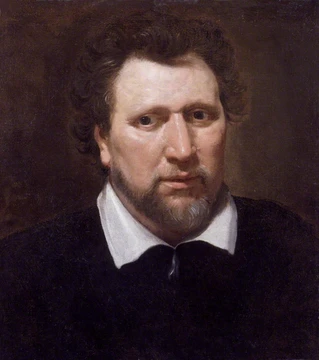
Athol Fugard
South African playwright known for anti-apartheid works.

Harold Athol Lanigan Fugard (11 June 1932 – 8 March 2025) was a South African playwright, novelist, actor, and director. Considered the country’s most important playwright, he was called "the greatest active playwright in the English-speaking world" by Time magazine in 1985. He wrote more than thirty plays, many of them sharply political works that challenged apartheid, and several were turned into films. His novel *Tsotsi* was adapted into a movie that won an Academy Award in 2005. Three of his solo plays and two he co-wrote received Tony Award nominations for Best Play.
Fugard also taught as an adjunct professor of playwriting, acting, and directing in the Department of Theatre and Dance at the University of California, San Diego. He earned many honors, including the Order of Ikhamanga in Silver from the South African government in 2005 for his contributions to theatre. He was elected a Fellow of the Royal Society of Literature in 1986. Cape Town’s Fugard Theatre, named for him, opened in District Six in 2010. In 2011, he received a Tony Award for lifetime achievement.
Fugard was born in Middelburg, Cape Province (now Eastern Cape), on 11 June 1932. His mother, Marrie Potgieter, was an Afrikaner who ran a general store and later a lodging house. His father, Harold Fugard, of Irish, English, and French Huguenot descent, had been a jazz pianist before becoming disabled. The family moved to Port Elizabeth in 1935, and he began primary school at Marist Brothers College in 1938. He attended Port Elizabeth Technical College for secondary school from 1946 to 1950, then studied philosophy and social anthropology at the University of Cape Town on a scholarship. He left university in 1953, just months before his final exams.
After dropping out, Fugard hitchhiked to North Africa with a friend. At age 18, in Port Sudan, he joined the crew of the steamship *SS Graigaur*. While on board, bound for Japan, he started writing a novel but thought it was terrible and threw the manuscript into the sea. He later turned his two years as a merchant seaman into the 1999 autobiographical play *The Captain's Tiger: a memoir for the stage*. In September 1956, he married Sheila Meiring, a drama student he had met the previous year. The couple moved to Johannesburg in 1958, where Fugard worked as a clerk in a Native Commissioners’ Court. There, he became acutely aware of apartheid’s injustices and befriended anti-apartheid activists, experiences that shaped his early work.
In 1958, Fugard created a multiracial theatre company, writing, directing, and acting in its productions. He wrote and produced *No-Good Friday* (1958) and *Nongogo* (1959), performing alongside black South African actor Zakes Mokae. In a 1978 review, *The New York Times* critic Richard Eder called *Nongogo* "awkward and thin," saying it failed to make its characters feel real. He noted that the character Queenie was the most believable, while Johnny was "unreal." After returning to Port Elizabeth in the early 1960s, Fugard and his wife founded The Circle Players, named after Bertolt Brecht’s *The Caucasian Chalk Circle*. In 1961, in Johannesburg, Fugard and Mokae played the brothers Morris and Zachariah in the single-performance world premiere of Fugard’s *The Blood Knot* (revised as *Blood Knot* in 1987), directed by Barney Simon. *The Paris Review* later called it his first major play.
By 1962, Fugard felt increasingly troubled by the question of whether he could work in theatres that excluded non-white audiences or allowed them only in segregated performances. The issue became more urgent when British Equity barred British entertainers from performing in South Africa unless audiences were multiracial. Fugard decided he could not accept segregation. He questioned the old argument that art could change a single person in a white audience, writing that art can give meaning and enhance experience, but it cannot teach or contradict what someone believes. "Art is no substitute for life," he concluded. He noted that the few venues open to mixed audiences were often barely adequate, but he argued that white theatres had every dignity except "human dignity." Fugard publicly backed the Anti-Apartheid Movement’s call for an international boycott of segregated South African theatres. This led to more restrictions and surveillance, and he began having his plays published and produced outside South Africa.
- born
- 11 June 1932, Middelburg, Cape Province, Union of South Africa
- died
- 8 March 2025
- field
- Playwright, novelist, actor, director
- nationality
- South African
- known_for
- Plays opposing apartheid, including The Blood Knot and Sizwe Banzi Is Dead; nove
Verified Timeline
Lore & Background
Fugard was born in Middelburg, Cape Province, on 11 June 1932. His mother, Marrie (née Potgieter), an Afrikaner, operated a general store and then a lodging house; his father, Harold Fugard, of Irish, English and French Huguenot descent, was a former jazz pianist who had become disabled. The family moved to Port Elizabeth in 1935. Fugard studied philosophy and social anthropology at the University of Cape Town on a scholarship but dropped out in 1953, just a few months before final examinations. He hitchhiked to north Africa with a friend and in Port Sudan, aged 18, enrolled in the crew of the steam ship SS Graigaur. He 'celebrated' his two years as a merchant seaman in his 1999 autobiographical play The Captain's Tiger: a memoir for the stage. In September 1956, he married Sheila Meiring, a University of Cape Town Drama School student. In 1958, the couple moved to Johannesburg, where Fugard worked as a clerk in a Native Commissioners' Court. He became 'keenly aware of the injustices of apartheid', and befriended local anti-apartheid activists, an experience that was to colour his earliest work. In 1958, Fugard organised 'a multiracial theatre for which he wrote, directed, and acted', writing and producing several plays for it, including No-Good Friday (1958) and Nongogo (1959), in which he and black South African actor Zakes Mokae performed. In 1961, in Johannesburg, Fugard and Mokae starred as the brothers Morris and Zachariah in the single-performance world première of Fugard's play The Blood Knot (revised and retitled Blood Knot in 1987), directed by Barney Simon. In 1989, Lloyd Richards of The Paris Review declared The Blood Knot to be Fugard's first 'major play'. In the 1960s, Fugard formed the Serpent Players, whose name derives from its first venue, the former snake pit at the Port Elizabeth Museum, a group of black actors worker-players who earned their living as teachers, clerks, and industrial workers, developing and performing plays 'under surveillance by the Security Police'. The group largely consisted of black men, including Winston Ntshona, John Kani, Welcome Duru, Fats Bookholane and Mike Ngxolo as well as Nomhle Nkonyeni and Mabel Magada. They performed works by Bertolt Brecht, August Strindberg, Samuel Beckett, William Shakespeare and many other prominent playwrights. They created original pieces such as The Coat, based on an incident at one of the many political trials involving the Serpent Players. Fugard publicly supported the call of the Anti-Apartheid Movement in Britain for an international boycott of racially segregated South African theatres, leading to additional restrictions and surveillance.
Reader's Guide
Athol Fugard's significance lies in his sustained theatrical opposition to apartheid, using his plays to expose its injustices. His decision in 1962 to refuse staging for 'Whites Only' audiences marked a pivotal ethical stance, arguing that art cannot substitute for life but can render meaningful areas of experience. He publicly supported the Anti-Apartheid Movement's call for an international boycott of racially segregated South African theatres. His work with the Serpent Players demonstrated a collaborative, multiracial approach to theatre under oppressive conditions. Fugard's plays, including The Blood Knot and those co-authored with John Kani and Winston Ntshona, were nominated for Tony Awards. His novel Tsotsi was adapted into a film that won an Academy Award in 2005. He received numerous honors, including the Order of Ikhamanga in Silver from the South African government in 2005 'for his excellent contribution and achievements in the theatre', election as a Fellow of the Royal Society of Literature in 1986, the opening of the Fugard Theatre in Cape Town in 2010, and a Tony Award for lifetime achievement in 2011. He also served as an adjunct professor of playwriting, acting and directing in the Department of Theatre and Dance at the University of California, San Diego.
Did You Know?
- Fugard dropped out of the University of Cape Town in 1953 just a few months before final examinations.
- He enrolled in the crew of the steam ship SS Graigaur at age 18 in Port Sudan, bound for Japan.
- His 1999 autobiographical play The Captain's Tiger: a memoir for the stage 'celebrated' his two years as a merchant seaman.
- The Serpent Players took their name from their first venue, the former snake pit at the Port Elizabeth Museum.
- Fugard's novel Tsotsi was adapted into a film that won an Academy Award in 2005.
Early Life and Formative Years
Fugard entered the world as Harold Athol Lanigan Fugard on 11 June 1932 in Middelburg, Cape Province (now Eastern Cape), Union of South Africa. His mother, Marrie (née Potgieter), was Afrikaner and operated a general store and then a lodging house; his father, Harold Fugard, of Irish, English and French Huguenot descent, was a former jazz pianist who had become disabled. The family relocated to Port Elizabeth in 1935. In 1938, he began attending primary school at Marist Brothers College. After secondary education at Port Elizabeth Technical College from 1946 to 1950, Fugard won a scholarship to study philosophy and social anthropology at the University of Cape Town. He abandoned that course in 1953, just a few months before final examinations. He left home, hitchhiked to north Africa with a friend and in Port Sudan, aged 18, enrolled in the crew of the steam ship SS Graigaur. On board, and bound for Japan, he began writing a novel, but deciding it was terrible, threw the manuscript into the sea. He 'celebrated' his two years as a merchant seaman in his 1999 autobiographical play The Captain's Tiger: a memoir for the stage. In September 1956, he married Sheila Meiring, a University of Cape Town Drama School student whom he had met the previous year. In 1958, the couple moved to Johannesburg, where Fugard worked as a clerk in a Native Commissioners' Court. He became 'keenly aware of the injustices of apartheid', and befriended local anti-apartheid activists, an experience that was to colour his earliest work.
Theatrical Ethics and the Fight Against Segregation
In 1962, Fugard confronted a question that would define his artistic principles: whether he could continue working in a theatre which excludes 'Non-Whites'—or includes them only on the basis of special segregated performance. The issue sharpened when British Equity decided to prevent any British entertainer visiting South Africa unless the audiences were allowed to be multi-racial. Fugard concluded the answer must be 'No' to segregation. He reflected publicly on whether art can change a man or woman, ultimately arguing that 'art can give meaning, can render meaningful areas of experience, and most certainly also enhances. But teach? Contradict? State the opposite to what you believe and then lead you to accept it? ... No. That is what life does. Art is no substitute for life.' He publicly backed the Anti-Apartheid Movement's call in Britain for an international boycott of racially segregated South African theatres, a stance that brought him additional restrictions and surveillance. In response, he began having his plays published and produced outside South Africa. As early as 1958, he had organised a multiracial theatre in Johannesburg, writing, directing, and acting in productions including No-Good Friday (1958) and Nongogo (1959), the latter performed alongside black South African actor Zakes Mokae. After returning to Port Elizabeth in the early 1960s, Athol and Sheila Fugard started The Circle Players, which derives its name from the production of The Caucasian Chalk Circle by Bertolt Brecht. Later in the 1960s he formed the Serpent Players, whose name derives from its first venue, the former snake pit at the Port Elizabeth Museum, a group of black actors worker-players who earned their living as teachers, clerks, and industrial workers, developing and performing plays 'under surveillance by the Security Police'.
Prolific Output and Major Works
Fugard published more than thirty plays over his career and was widely regarded as South Africa's greatest playwright. Time magazine named him 'the greatest active playwright in the English-speaking world' in 1985. His politically charged plays opposing apartheid earned international attention, and several were adapted for film. His novel Tsotsi was adapted as a film of the same name, which won an Academy Award in 2005. Three plays he wrote, and two he co-authored, were nominated for the Tony Award for Best Play. In 1961, he and Zakes Mokae starred as the brothers Morris and Zachariah in the single-performance world première of The Blood Knot in Johannesburg, directed by Barney Simon; the work was later revised and retitled Blood Knot in 1987. In 1989, Lloyd Richards of The Paris Review declared The Blood Knot to be Fugard's first 'major play'. In 1964, Lucille Lortel's Off Broadway production of The Blood Knot at the Cricket Theater in New York City 'launch[ed]' Fugard's 'American career'. Beyond playwriting, Fugard served as an adjunct professor of playwriting, acting and directing in the Department of Theatre and Dance at the University of California, San Diego, bringing his practical and political theatre experience into the academic setting.
Legacy, Honours, and Final Years
Fugard's contributions to theatre and to the anti-apartheid cause were recognised with numerous awards, honours, and honorary degrees across his long career. In 1986 he was elected a Fellow of the Royal Society of Literature. In 2005, the South African government conferred upon him the Order of Ikhamanga in Silver 'for his excellent contribution and achievements in the theatre'. In 2010, the Fugard Theatre opened in Cape Town's District Six, a permanent tribute to his work in the very city where much of his creative life unfolded. In 2011 he received a Tony Award for lifetime achievement, capping a career spanning more than five decades of playwriting, acting, directing, and teaching. Harold Athol Lanigan Fugard died on 8 March 2025, at the age of ninety-two, leaving behind a body of work that included over thirty plays, a novel adapted into an Oscar-winning film, and a legacy of multiracial theatre that challenged the foundations of apartheid from the stage.
Frequently Asked Questions
Who is Athol Fugard?
Harold Athol Lanigan Fugard (1932–2025) was a South African writer, actor, and director widely regarded as his nation's most significant playwright. He devoted his career to crafting politically charged theatre that confronted the realities of apartheid.
What plays is Athol Fugard best known for?
His most celebrated works include The Blood Knot and Sizwe Banzi Is Dead, both of which use intimate, character-driven storytelling to expose the dehumanizing effects of racial segregation in South Africa. Several of his stage works have also been adapted for the screen.
What is the connection between Athol Fugard and the Oscar-winning film Tsotsi?
Fugard wrote the novel Tsotsi, which was later adapted into a feature film that won the Academy Award for Best Foreign Language Film in 2006. The story follows a young Johannesburg car thief whose life is transformed by an unexpected encounter.
Why is Athol Fugard considered important in world theatre?
Time magazine named him the greatest active playwright in the English-speaking world in 1985, a recognition that reflected decades of powerful, politically engaged drama. His work gave a voice to marginalized South Africans and helped bring apartheid's human cost to international audiences.
When and where did Athol Fugard die?
Fugard passed away on 8 March 2025 at the age of 92. He had been born in Middelburg in the Cape Province of the former Union of South Africa on 11 June 1932.
More in Playwrights And Dramatists 1-24
Related in Playwrights And Dramatists
Links follow this subject's own source article.
Spotted an error? Know more?
This is a living reference — every entry is fact-audited, and reader corrections feed straight into our audit queue. Suggest an edit · See this site's audit record