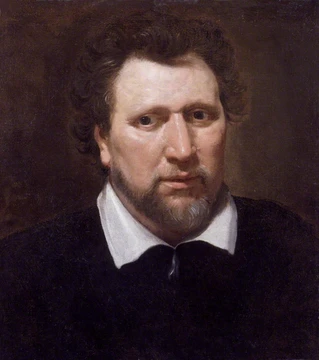
David Storey
English playwright, screenwriter, novelist, and rugby league player.

David Malcolm Storey (13 July 1933 – 27 March 2017) worked as an English playwright, screenwriter, novelist, and professional rugby league player. His novel *Saville* earned the Booker Prize in 1976, and his first novel, *This Sporting Life*, won the MacMillan Fiction Award in 1960.
Storey was born in Wakefield, West Riding of Yorkshire, to Frank Richmond Story, a coal miner, and Lily (née Cartwright) Story. He attended QEGS Wakefield and later the Slade School of Fine Art in London. To support himself during his studies, he played rugby league as a halfback for Leeds RLFC, mostly for the "A" team, with a few first-team appearances.
His plays include *The Restoration of Arnold Middleton*, *The Changing Room*, *Cromwell*, *Home*, and *Stages*. His novel *Flight into Camden* won the 1961 John Llewellyn Rhys Prize and the 1963 Somerset Maugham Award. *Saville* won the 1976 Booker Prize. He adapted his first novel into the screenplay for the 1963 film *This Sporting Life*, directed by Lindsay Anderson. This began a long collaboration with Anderson, who later directed a film version of Storey’s play *In Celebration* for the American Film Theatre series in 1975. The plays *Home* and *Early Days*—both starring Sir Ralph Richardson, with *Home* also featuring Sir John Gielgud—were adapted into television films. Storey’s novel *Pasmore* was shortlisted for the Booker Prize. The British Library holds an oral history interview with Storey, recorded in 2008–2009 for its National Life Stories collection.
In 1956, Storey married Barbara Rudd Hamilton; they had four children. Barbara died in 2015. Storey died on 27 March 2017 in London at age 83 from Parkinson’s disease and dementia. He was buried on the eastern side of Highgate Cemetery. He was survived by his sons Jake and Sean, daughters Helen and Kate, brother Anthony, and six grandchildren.
His novels include *This Sporting Life* (1960), *Flight into Camden* (1961), *Radcliffe* (1963), *Pasmore* (1972), *A Temporary Life* (1973), *Edward* (1973), *Saville* (1976), *A Prodigal Child* (1982), *Present Times* (1984), *The Phoenix* (1993), *A Serious Man* (1998), *As It Happened* (2002), *A Star in the West* (1999), and *Thin-Ice Skater* (2004). His plays are *The Restoration of Arnold Middleton* (1967), *In Celebration* (1969), *The Contractor* (1970), *Home* (1970), *The Changing Room* (1973), *The Farm* (1973), *Cromwell* (1973), *Life Class* (1974), *Mother’s Day* (1977), *Early Days* (1980), *Sisters* (1980), *The March on Russia* (1989), and *Stages* (1992). He also published a poetry collection, *Storey's Lives: 1951–1991* (1992), and a posthumous autobiography, *A Stinging Delight* (Faber and Faber, 2021).
- born
- 13 July 1933, Wakefield, West Riding of Yorkshire, England
- died
- 27 March 2017, London, England
- field
- Playwright, screenwriter, novelist, rugby league player
- nationality
- English
- known_for
- Booker Prize-winning novel *Saville* (1976); novel and film *This Sporting Life*
Verified Timeline
Quick Facts
- Birth Name
- David Malcolm Storey
- Birth Date
- 1933-07-13
- Birth Place
- Wakefield, West Riding of Yorkshire, England
- Death Date
- 2017-03-27
- Death Place
- London, England
- Occupation
- Novelist
- Education
- Queen Elizabeth Grammar School, Wakefield
- Alma Mater
- Slade School of Fine Art
- Spouse
- 1=Barbara Rudd Hamilton · 2=1956 · 3=2015 · end=died
- Genre
- Novelist, playwright, screenwriter
- Awards
- Booker Prize (1976)
Facts from the source article.
Lore & Background
Storey was born on 13 July 1933 in Wakefield, West Riding of Yorkshire, the son of a coal miner, Frank Richmond Story, and Lily (née Cartwright) Story. He was educated at QEGS Wakefield. He continued his education at London's Slade School of Fine Art, and supported himself there by playing rugby league for Leeds RLFC as a halfback for the 'A' team, with occasional appearances in the first. In 1956, Storey married Barbara Rudd Hamilton, with whom he had four children. Barbara Storey died in 2015. His plays include *The Restoration of Arnold Middleton*, *The Changing Room*, *Cromwell*, *Home*, and *Stages*. His novels include *Flight into Camden*, which won the 1961 John Llewellyn Rhys Prize and the 1963 Somerset Maugham Award; and *Saville*, which won the 1976 Booker Prize. He wrote the screenplay for *This Sporting Life* (1963), directed by Lindsay Anderson, adapted from his first novel of the same name, originally published in 1960, which won the 1960 Macmillan Fiction Award. The film was the beginning of a long professional association with Anderson, whose film version of Storey's play *In Celebration* was released as part of the American Film Theatre series in 1975. *Home* and *Early Days* (both starred Sir Ralph Richardson; *Home* also starred Sir John Gielgud) were made into television films. Storey's novel *Pasmore* was shortlisted for the Booker Prize. National Life Stories conducted an oral history interview (C464/67) with David Storey in 2008-2009 for its National Life Stories General collection held by the British Library. Storey died on 27 March 2017 in London at the age of 83 and was buried on the eastern side of Highgate Cemetery. The cause was Parkinson's disease and dementia. Survivors included his two sons, Jake and Sean; two daughters, Helen and Kate; a brother, Anthony; and six grandchildren.
Reader's Guide
David Storey's career is marked by his dual life as a professional rugby league player and a writer. He supported himself at the Slade School of Fine Art by playing for Leeds RLFC as a halfback, mostly for the 'A' team with occasional first-team appearances. His first novel, *This Sporting Life* (1960), won the Macmillan Fiction Award and was adapted into a 1963 film for which he wrote the screenplay, directed by Lindsay Anderson. That film began a long professional association with Anderson, who later directed a film version of Storey's play *In Celebration* in 1975. Storey won the Booker Prize in 1976 for his novel *Saville*. His novel *Flight into Camden* won the 1961 John Llewellyn Rhys Prize and the 1963 Somerset Maugham Award. Another novel, *Pasmore*, was shortlisted for the Booker Prize. As a playwright, his works include *The Restoration of Arnold Middleton*, *The Changing Room*, *Cromwell*, *Home*, and *Stages*. *Home* and *Early Days* both starred Sir Ralph Richardson; *Home* also starred Sir John Gielgud, and both were made into television films. An oral history interview with Storey (C464/67) was conducted by National Life Stories in 2008-2009 and is held by the British Library.
Did You Know?
- Storey supported himself at the Slade School of Fine Art by playing rugby league for Leeds RLFC as a halfback for the 'A' team, with occasional first-team appearances.
- His first novel, *This Sporting Life*, won the Macmillan Fiction Award in 1960, and he wrote the screenplay for the 1963 film adaptation directed by Lindsay Anderson.
- Storey's novel *Pasmore* was shortlisted for the Booker Prize.
- Both *Home* and *Early Days* starred Sir Ralph Richardson; *Home* also starred Sir John Gielgud, and both were made into television films.
- The British Library holds an oral history interview with Storey (C464/67) conducted by National Life Stories in 2008-2009.
Frequently Asked Questions
Who is David Storey?
David Storey was an English writer from Wakefield, Yorkshire, who worked across playwriting, novels, and screenwriting. He also had a professional career in rugby league before turning to full-time writing.
What is David Storey most famous for?
He is widely recognized for winning the 1976 Booker Prize with his novel Saville. His earlier work This Sporting Life also earned major recognition and was adapted into a film whose screenplay he wrote.
What is This Sporting Life and why does it matter?
This Sporting Life is Storey's debut novel, published in 1960, which took home the Macmillan Fiction Award. It was later turned into a feature film for which Storey himself penned the screenplay.
Did David Storey have a career outside of writing?
Yes — before dedicating himself to literature, he played professional rugby league. His experience in that sport clearly informed the themes of his most celebrated novel.
When and where did David Storey die?
He passed away in London on 27 March 2017, at the age of 83. He had been born in Wakefield, West Riding of Yorkshire, on 13 July 1933.
More in Playwrights And Dramatists 1-24
Spotted an error? Know more?
This is a living reference — every entry is fact-audited, and reader corrections feed straight into our audit queue. Suggest an edit · See this site's audit record