
Hand sanitizer
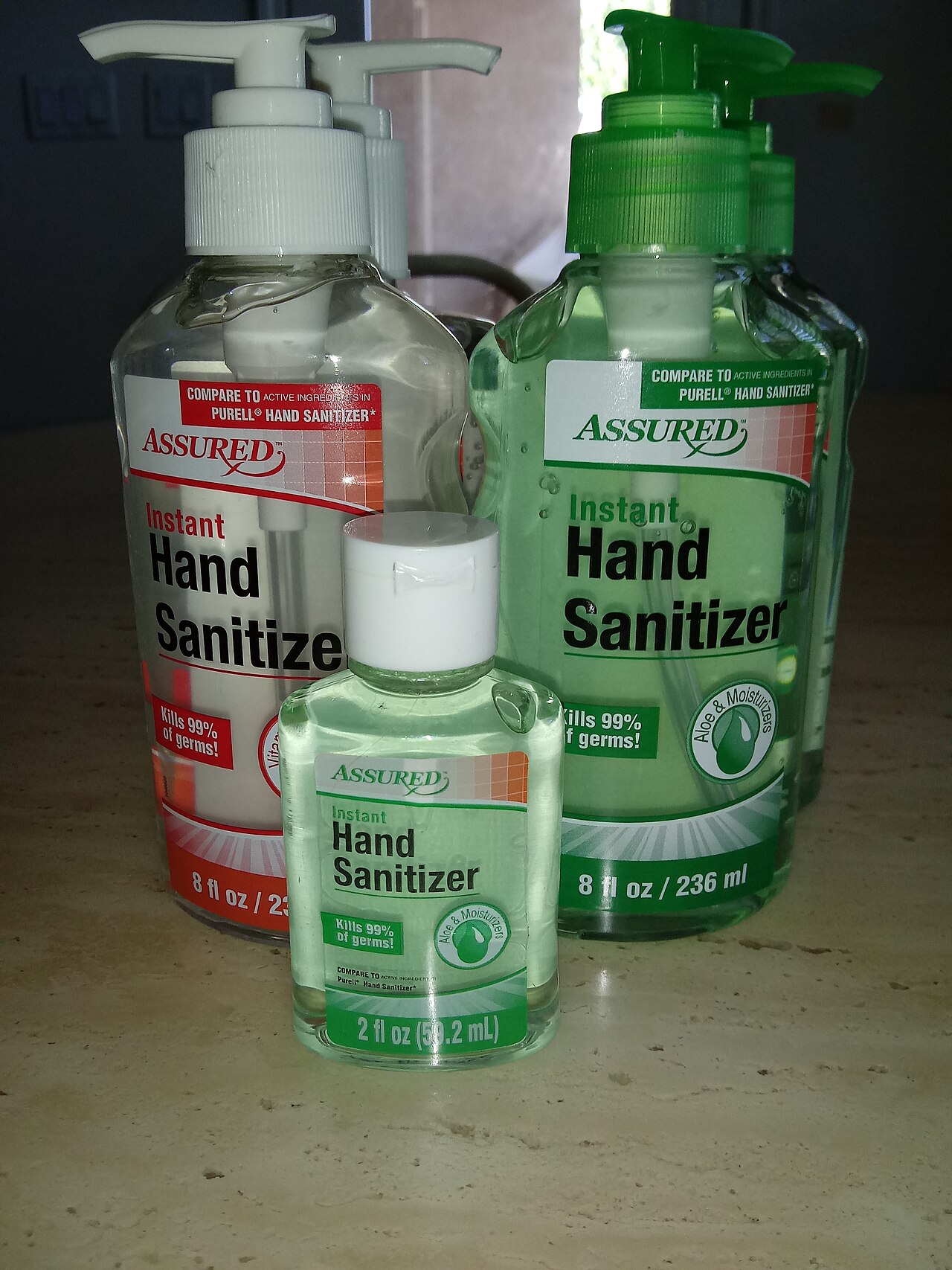
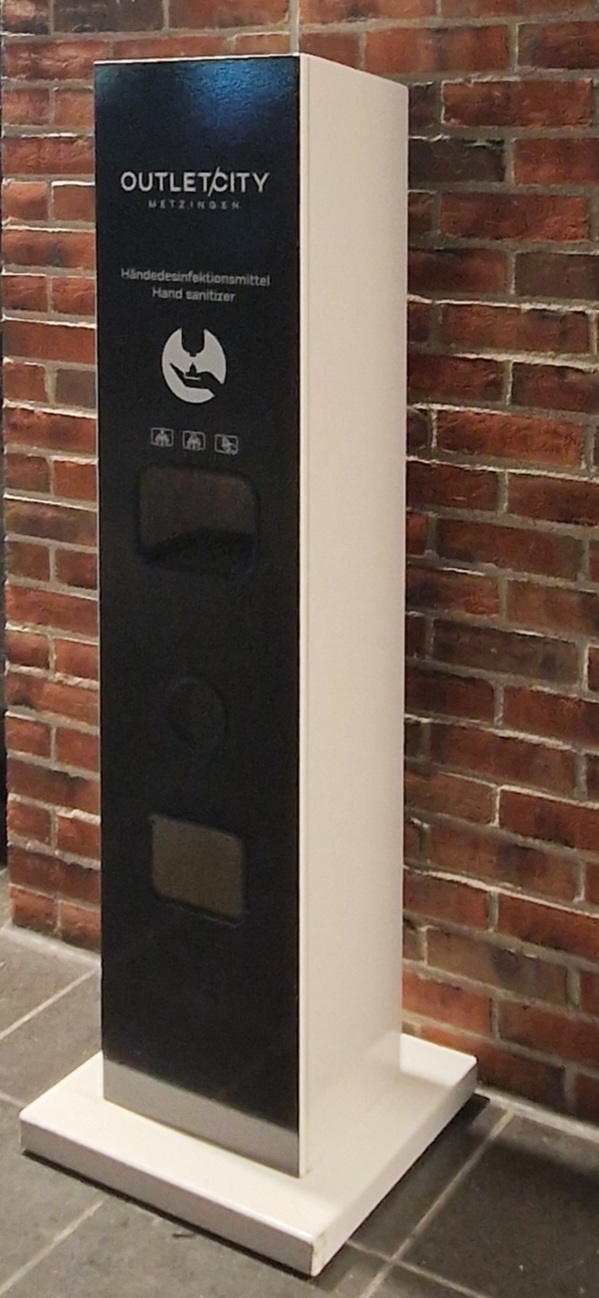
A convenient hand hygiene alternative when soap and water are unavailable.

NeoBatfreak · CC BY-SA 4.0
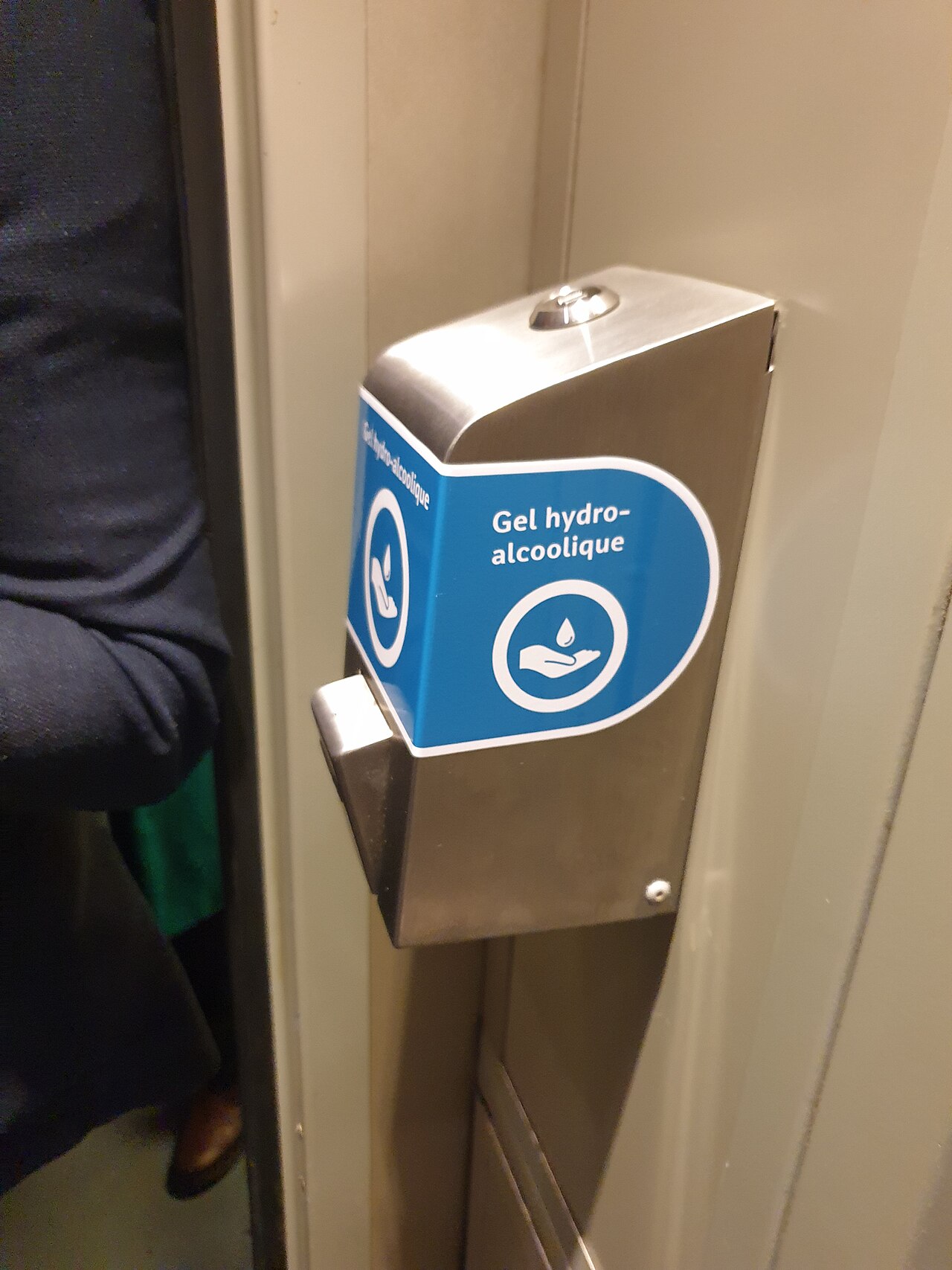
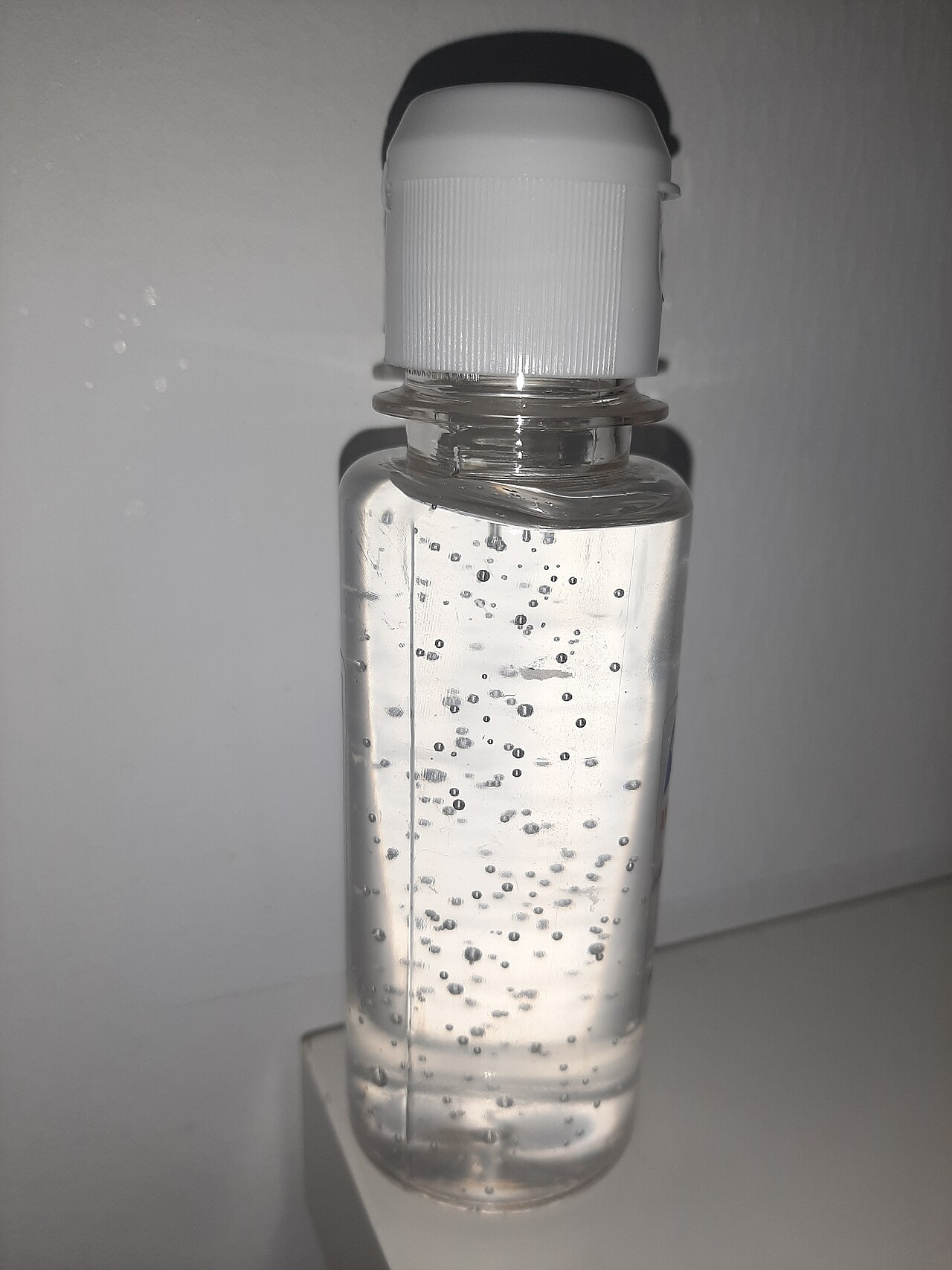
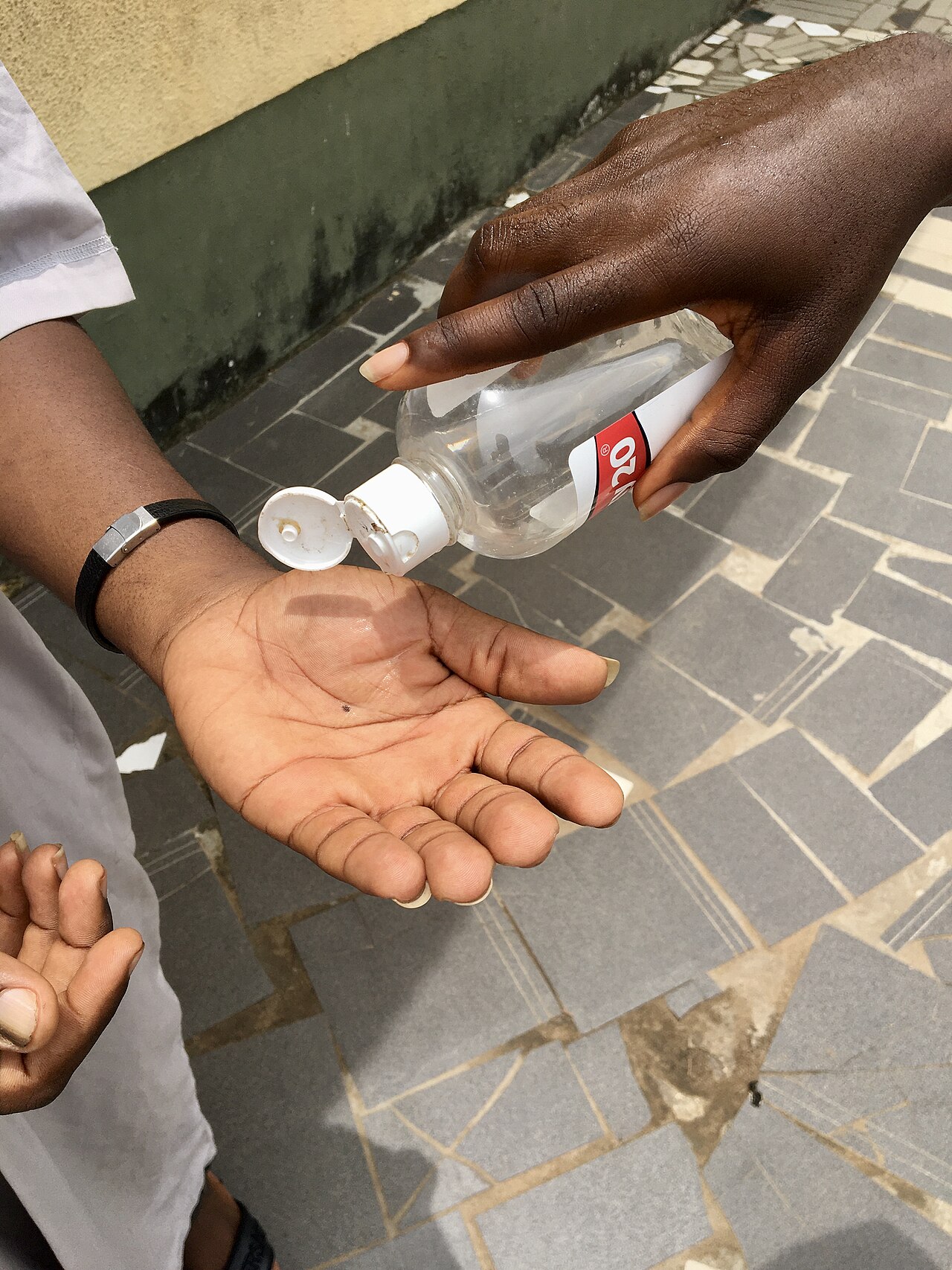
Hand sanitizer—also called hand antiseptic, hand disinfectant, or hand rub—is a liquid, gel, or foam (and sometimes a cream, spray, or wipe) designed to kill viruses, bacteria, and other microbes on the hands. While washing with soap and water is usually the better option, sanitizer offers a handy substitute when those aren't available. That said, it doesn't work as well against certain germs like norovirus and *Clostridioides difficile*, and it can't wash away harmful chemicals. Using it wrong—for instance, wiping it off before it dries—also cuts its effectiveness, and products with low alcohol levels are less reliable. Frequent use can disturb the skin's natural microbiome and cause dermatitis.
The U.S. Centers for Disease Control and Prevention recommends alcohol-based hand sanitizers with at least 60% alcohol (ethanol or isopropyl alcohol) when soap and water aren't handy. In healthcare settings, these are often favored over soap and water because they reduce bacteria more effectively and are gentler on the skin. Still, hand washing should be done if hands are visibly dirty or after using the toilet. Non-alcohol-based versions, which may contain benzalkonium chloride or triclosan, are less effective and generally not recommended, though they aren't flammable.
Alcohol-based formulas typically blend isopropyl alcohol, ethanol, or n-propanol, with alcohol concentrations between 60% and 95% being most effective. These sanitizers are flammable and work against a wide range of microorganisms, but not spores. To prevent dryness, ingredients like glycerol are often added; some include fragrances, though these are discouraged because of allergy risks. Non-alcohol-based types are less effective and should be used cautiously.
Alcohol's use as an antiseptic goes back at least to 1363, with solid evidence emerging in the late 1800s. Alcohol-based hand sanitizers became common in Europe by the 1980s and have since been added to the World Health Organization's List of Essential Medicines.
**Uses**
*General public* Alcohol-based hand sanitizers may not work well on hands that are slimy, greasy, or visibly soiled. In hospitals, healthcare workers' hands are often contaminated with pathogens but rarely dirty or greasy. Some store-bought sanitizers (and homemade recipes) have alcohol levels too low to kill germs effectively. People in poorer communities in developed countries, as well as those in developing nations, may struggle to find sanitizers with adequate alcohol content. Fraudulent labeling of alcohol concentrations has been an issue in Guyana.
*Schools* Current evidence on the effectiveness of school hand hygiene programs is of poor quality. A 2020 Cochrane review comparing rinse-free hand washing to soap and water found a small but beneficial effect of rinse-free methods on reducing illness-related school absences.
*Health care* Hand sanitizers were first introduced in medical settings in 1966 and became popular in the early 1990s. In healthcare, alcohol-based sanitizer is more convenient than soap and water in most situations, generally more effective at reducing bacteria, and better tolerated by the skin. Hand washing should still be done if contamination is visible or after using the toilet. Products with at least 60% alcohol or a "persistent antiseptic" are recommended. Alcohol rubs kill many types of bacteria—including antibiotic-resistant strains and TB bacteria—as well as viruses like flu, common cold, coronaviruses, and HIV. Ninety percent alcohol rubs are more effective against viruses than most other hand-washing methods. Isopropyl alcohol kills 99.99% or more of non-spore-forming bacteria in under 30 seconds, both in the lab and on skin. If too little sanitizer is used (0.3 ml) or the alcohol concentration is below 60%, the required 10–15 seconds of exposure to denature proteins and lyse cells may not happen. In environments with high lipids or protein waste (like food processing), alcohol rubs alone may not ensure proper hand hygiene. In healthcare, the optimal alcohol concentration for killing bacteria is 70% to 95%; products with as low as 40% alcohol are available in U.S. stores, according to researchers at East Tennessee State University. Alcohol rub sanitizers kill most bacteria and fungi and stop some viruses. Those with at least 70% alcohol (mainly ethyl alcohol) kill 99.9% of bacteria on hands 30 seconds after application and 99.99% to 99.999% within one minute. For best results in healthcare, all exposed surfaces—around fingernails, between fingers, the back of the thumb, and around the wrist—must be covered. Hand alcohol should be rubbed thoroughly into the hands and lower forearm for at least 30 seconds, then allowed to air dry. Alcohol-based gels dry the skin less and leave more moisture in the epidermis than washing with antiseptic soap and water. Sanitizers with 60% to 95% alcohol are efficient germ killers, effective against bacteria, multi-drug resistant bacteria (like MRSA and VRE), tuberculosis, and some viruses.
- Recommended minimum alcohol concentratio
- 60%
- Optimal alcohol concentration for health
- 70% to 95%
- Commonly used in Europe by
- 1980s
- Included on WHO List of Essential Medici
- Yes
Lore & Background
Alcohol-based hand sanitizers became commonly used in Europe by the 1980s and have since been included on the World Health Organization's List of Essential Medicines.
Reader's Guide
Hand sanitizer serves as a critical tool for hand hygiene, particularly in healthcare settings where alcohol-based versions are often preferred over soap and water due to greater effectiveness at reducing bacteria and better skin tolerance. The United States Centers for Disease Control and Prevention recommends alcohol-based hand sanitizers containing at least 60% alcohol when soap and water are not available. However, hand washing should still be performed if contamination is visible or after using the toilet. Non-alcohol-based sanitizers, which may contain benzalkonium chloride or triclosan, are less effective and generally not recommended. The formulation typically includes isopropyl alcohol, ethanol, or n-propanol, with concentrations from 60% to 95% being most effective. These sanitizers are flammable and work against a wide variety of microorganisms but not spores. Drawbacks include reduced effectiveness against certain pathogens, inability to remove chemicals, potential for skin dryness and dermatitis with frequent use, and the risk of fire if not allowed to dry. Improper use, such as wiping off sanitizer before it dries, also reduces effectiveness.
Did You Know?
- Alcohol-based hand sanitizers containing at least 70% alcohol kill 99.9% of bacteria on hands 30 seconds after application.
- Alcohol gel can catch fire, producing a translucent blue flame, due to the flammable alcohol in the gel.
- Some commercially available hand sanitizers have alcohol concentrations that are too low, making them less effective at killing germs.
Chemistry and Germ-Killing Power
Alcohol-based hand sanitizers derive their antimicrobial strength from a core concentration of ethanol, isopropyl alcohol, or n-propanol, with the most effective formulations falling between 60 and 95 percent alcohol. The U.S. Centers for Disease Control and Prevention endorses products containing at least 60 percent alcohol as a viable alternative when soap and water are unavailable. At these concentrations, the alcohol denatures proteins and lyses cell membranes, a process requiring roughly ten to fifteen seconds of contact. A 70 percent alcohol rub eliminates 99.97 percent of hand bacteria within thirty seconds and reaches a 4-to-5 log reduction after one minute. Isopropyl alcohol formulations can destroy 99.99 percent or more of non-spore-forming bacteria in under thirty seconds, both in the lab and on human skin. These products tackle a broad spectrum of threats, including multi-drug resistant organisms like MRSA and VRE, tuberculosis bacteria, and numerous viruses such as influenza, HIV, herpes, RSV, rhinovirus, vaccinia, and hepatitis, as well as fungi. They cannot, however, eliminate bacterial spores. To counteract alcohol's drying effect, manufacturers often blend in glycerol, while added fragrances are generally discouraged due to the risk of allergic skin reactions.
Adoption in Healthcare Settings
Hand sanitizers first entered medical environments in 1966, but it was not until the early 1990s that the product became widely popularized among hospital staff. In clinical settings, alcohol-based rubs are often preferred over traditional soap-and-water hand washing because they reduce bacterial counts more effectively and are gentler on the skin. Studies confirm that alcohol-based gels leave more moisture in the epidermis than antiseptic soaps, meaning healthcare workers experience less dryness even with repeated use. Proper technique matters enormously: the product must be rubbed thoroughly into every exposed surface, including around the fingernails, between the fingers, the back of the thumb, and the wrist, and extended down the lower forearm for at least thirty seconds before being allowed to air dry. A quantity as small as 0.3 ml, or a concentration below 60 percent, may fail to provide the ten-to-fifteen-second exposure needed to denature proteins and lyse cells. Soap and water remain necessary when hands are visibly soiled or after using the toilet, and in high-lipid or high-protein environments like food processing, alcohol rubs alone may not guarantee adequate hygiene.
Limitations and Practical Drawbacks
Despite their convenience, hand sanitizers carry several important limitations. They are notably less effective against certain pathogens, including norovirus and Clostridioides difficile, and they cannot physically remove harmful chemicals from the skin. If hands are slimy, greasy, or visibly dirty, the product simply will not work as intended. Improper application, such as wiping the sanitizer off before it has fully dried, also undermines its germ-killing capacity. Frequent use can disrupt the natural microbiome of the skin and, over time, trigger dermatitis. In the broader market, quality control remains a concern: some commercially available sanitizers, as well as homemade recipes shared online, contain alcohol concentrations too low to kill germs effectively. Researchers at East Tennessee State University noted that products with alcohol levels as low as 40 percent are still sold in American stores. Fraudulent labeling of alcohol content has been documented in Guyana, and people in developing nations or lower-income communities in developed countries often struggle to access sanitizers with a genuinely effective concentration. Non-alcohol-based alternatives, which may rely on benzalkonium chloride or triclosan, are consistently less effective and are generally not recommended, though they do carry the advantage of being non-flammable.
A Long History and Global Footprint
The use of alcohol as an antiseptic stretches back to at least 1363, though the scientific evidence supporting its germ-killing properties did not emerge until the late 1800s. By the 1980s, alcohol-based hand sanitizers had become a common sight in hospitals and clinics across Europe, and their importance has since been recognized at the highest international level: they now appear on the World Health Organization's List of Essential Medicines. Beyond healthcare, sanitizers have found a place in schools, where a 2020 Cochrane review comparing rinse-free hand washing to conventional soap-and-water techniques found a small but beneficial effect on illness-related absenteeism, even though the overall quality of evidence for school hand-hygiene interventions remains limited. The product itself is remarkably versatile in form, available as a liquid, gel, foam, cream, spray, or wipe, and goes by several names including hand antiseptic, hand disinfectant, hand rub, and handrub. This flexibility in format and nomenclature reflects how deeply the product has woven itself into everyday public health practice across diverse cultures and settings.
Gallery

Frequently Asked Questions
Who is Hand sanitizer?
Hand sanitizer (a.k.a. hand antiseptic, hand rub, or hand disinfectant) is a liquid, gel, foam, cream, spray, or wipe formulated to kill viruses, bacteria, and other microorganisms on your hands. It's the portable hygiene hero you reach for when a sink is out of reach.
What are Hand sanitizer's powers/role?
Its core ability is eliminating germs on contact, with an alcohol concentration between 70% and 95% delivering peak effectiveness. It's officially listed on the WHO List of Essential Medicines, cementing its status as a critical public-health tool.
How does Hand sanitizer's story end?
Every arc has a twist: hand sanitizer cannot physically scrub away harmful chemicals and struggles against stubborn pathogens like norovirus and Clostridioides difficile. In those moments the narrative always loops back to soap and water as the true finale.
Why is Hand sanitizer important?
It fills the critical gap when soap and running water simply aren't available, offering a quick, accessible way to reduce microbial load on your hands. Its widespread European adoption by the 1980s underscores how deeply it became woven into everyday hygiene routines.
What's Hand sanitizer's weakness?
Despite its convenience, it's less effective against certain tough pathogens and can't remove chemical contaminants the way physical washing does. Whenever soap and water are within reach, they remain the superior choice for thorough hand hygiene.
More in Personal Care And Hygiene 1-20
Spotted an error? Know more?
This is a living reference — every entry is fact-audited, and reader corrections feed straight into our audit queue. Suggest an edit · See this site's audit record