
Hair care
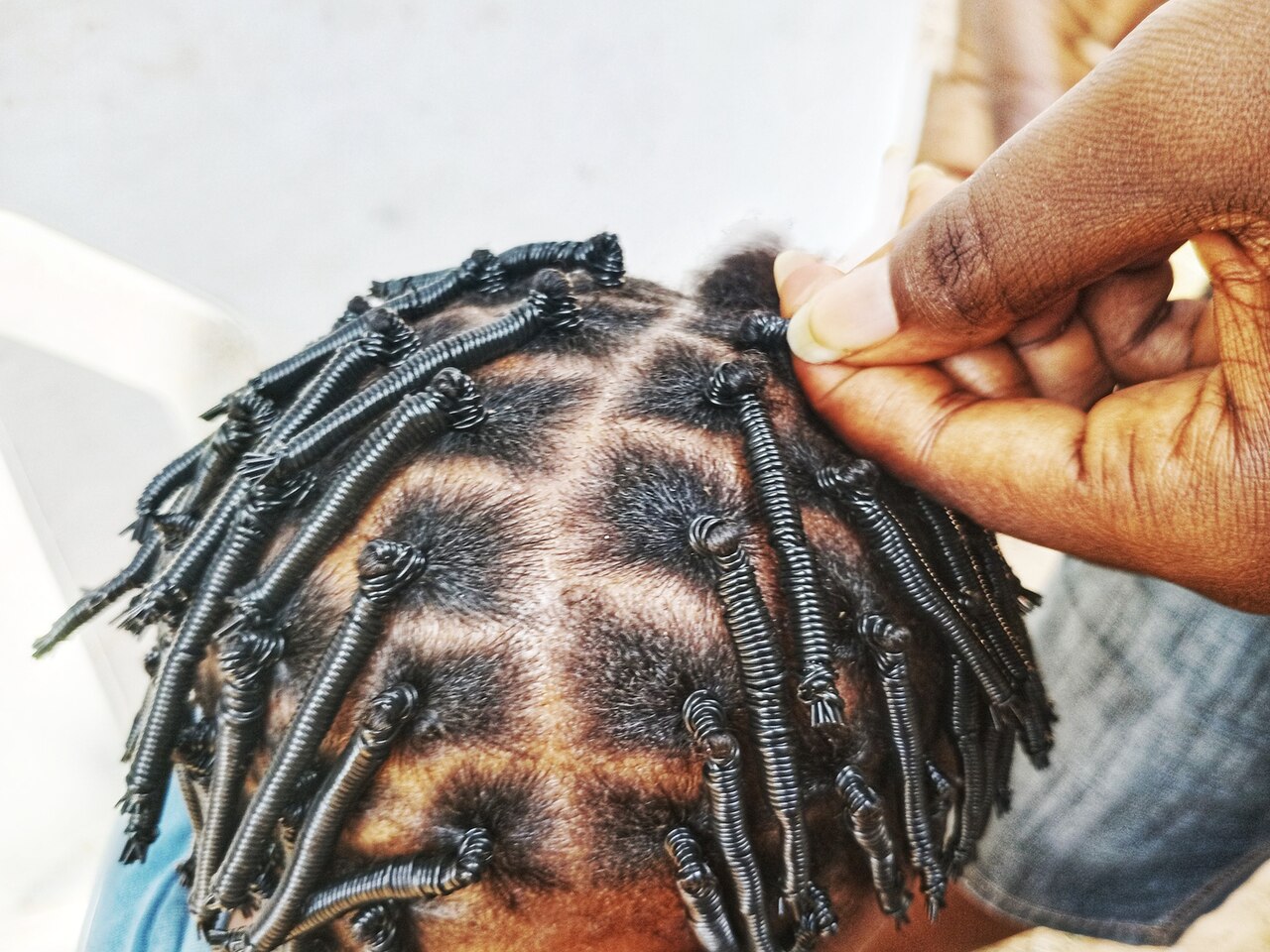
Hair care encompasses hygiene, cosmetology, and chemical alteration of hair.

Ian S · CC BY-SA 2.0
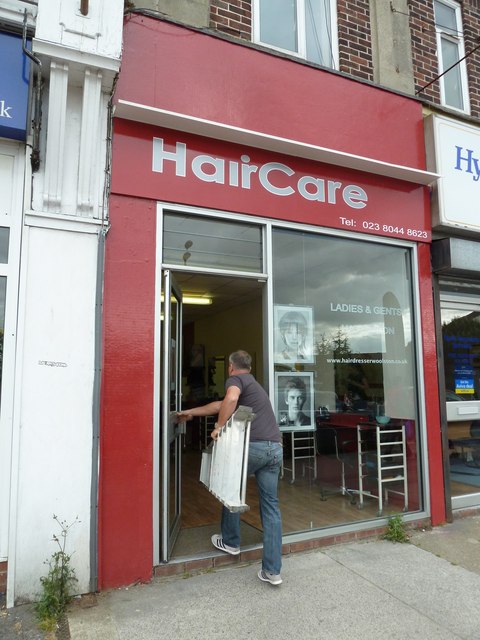
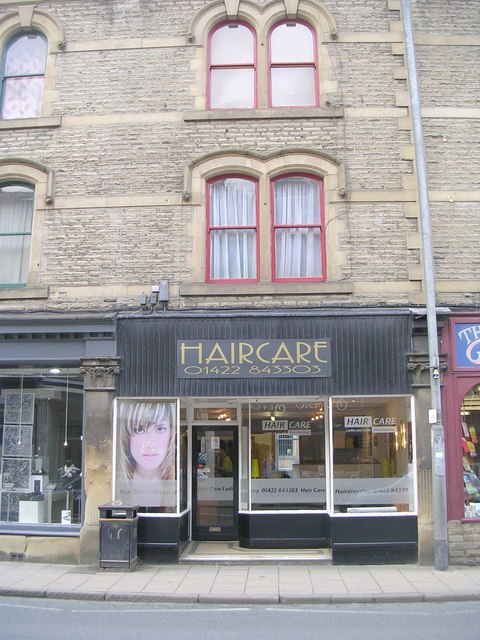
Hair care refers to the hygiene and cosmetic practices focused on hair that grows from the human scalp, as well as, though less commonly, facial, pubic, and other body hair. The specific routines people follow depend on their cultural background and their hair’s natural physical traits. Hair can be altered through coloring, trimming, shaving, plucking, or removal methods like waxing, sugaring, and threading. Professional hair care services are available at salons, barbershops, and day spas, while commercial products allow for home use. In the United States, laser hair removal and electrolysis are performed by licensed professionals in medical offices or specialty spas. **Hair cleaning and conditioning**
**Biological processes and hygiene**
Although caring for the hair and caring for the scalp skin might seem like separate tasks, they are closely linked because hair grows from beneath the skin. The living parts of hair—the follicle, root, root sheath, and sebaceous gland—are located under the skin. In contrast, the visible hair shaft (the cuticle covering the cortex and medulla) has no living processes. Damage or changes to the visible shaft cannot be repaired biologically, but steps can be taken to manage the hair and keep the cuticle intact. The scalp, like any other skin on the body, needs to stay healthy to support both overall health and hair production. For people with rough hair or a tendency to shed hair, regular scalp cleaning can actually lead to hair loss. Not all scalp problems stem from bacterial infections; some arise without a clear cause, and only symptoms can be treated for management, as with dandruff. Bacteria can also affect the hair itself. Head lice are likely the most common hair and scalp issue worldwide. Removing them requires careful attention, and studies show that lice are not linked to poor hygiene. In fact, more recent research indicates that head lice thrive in clean hair. This makes the term "hair washing" somewhat misleading, since what is truly needed for healthy hair production and maintenance is often just cleaning the scalp’s surface, much like cleaning the rest of the body’s skin. Human skin contains sebaceous glands that produce sebum, a substance made mostly of fatty acids. Sebum protects hair and skin and can slow the growth of microorganisms. It contributes to the skin’s slightly acidic natural pH, which ranges from about 5 to 6.8. This oily substance gives hair moisture and shine as it travels down the hair shaft, and it helps prevent the hair from drying out or absorbing too many external substances. However, too much sebum can clog hair follicles, often due to dandruff or dead skin. Such blockages may prevent hair from growing. Sebum is also spread along the hair shaft mechanically through brushing and combing. When there is excess sebum, the roots can look oily, greasy, and darker than usual, and the hair may stick together. **Hair cleaning**
Washing hair removes extra sweat, oil, and unwanted products from both the hair and scalp. This is often done during a shower or bath using shampoo, a specialized surfactant. Shampoo is applied with water to the hair. A shampoo designed for oily or dry hair breaks the water’s surface tension, allowing the hair to become soaked—this is called the wetting action. The wetting action occurs because the head of a shampoo molecule attracts water to the hair shaft, while the tail attracts grease, dirt, and oil. The physical act of shampooing turns the grease and dirt into an emulsion, which is then rinsed away with water—this is the emulsifying action. Sulfate-free shampoos are less damaging to color-treated hair than those containing sulfates, as sulfates strip away natural oils and hair dye. Sulfates are also what cause shampoo to foam. Shampoos typically have a pH between 4 and 6. Acidic shampoos are the most common type; they maintain or improve hair condition because they do not swell the hair shaft or strip natural oils. **Hairstyling tools**
**Hairstyling equipment** Equipment used to create hairstyles includes:
**Hair products** The microbiome plays an important role in hair care. There are both challenges and opportunities in meeting global regulatory standards for these products. Various models and methods exist to assess the safety of hair care products worldwide, with an emphasis on the journey from laboratory testing to market. To ensure products are handled carefully, clinical and preclinical assessments are conducted in line with global regulations. The use of ex-vivo hair follicle models provides an additional layer of security by confirming product safety and efficacy.
- field
- Hygiene and cosmetology
- known_for
- Hair cleaning, conditioning, styling, and chemical alteration
- key_products
- Shampoo, hair dyes, perms, relaxers
- common_services
- Salons, barbershops, day spas
Lore & Background
Hair care involves both the living parts of hair beneath the skin (hair follicle, hair root, root sheath, sebaceous gland) and the non-living hair shaft (cuticle, cortex, medulla). Damage to the visible hair shaft cannot be repaired biologically, though management can keep the cuticle intact. Scalp skin must be kept healthy for healthy hair production; regular cleaning does not cause hair loss, and 'rough hair' is not a recognized medical category for hair loss causation. Dandruff (seborrheic dermatitis) is the most common hair and scalp ailment worldwide and is not necessarily associated with poor hygiene; studies show head lice thrive in clean hair.
Reader's Guide
Sebum, produced by sebaceous glands, protects hair and skin and gives moisture and shine, but excess can block hair follicles. Washing hair with shampoo removes excess sweat, oil, and products; shampoos have a pH between 4 and 6. Sulfate-free shampoos are less harming on color treated hair than those containing sulfates. Chemical alterations such as perming and coloring only affect hair above the scalp; new hair grows in with natural color and texture. Temporary tints coat the shaft, while permanent color changes open the cuticle and can damage hair. Natural pigments like henna and indigo are alternatives to chemical dyes. Perms and chemical straightening weaken hair and require gentle treatment.
Did You Know?
- Dandruff is the most common hair and scalp ailment worldwide, affecting about half of the adult population.
- Sebum contributes to the skin's slightly acidic natural pH between 5 and 6.8.
- Sulfates in shampoos are responsible for the foaming effect and can strip natural oils and hair dye.
- Chemical alteration of hair only affects the hair above the scalp; new hair grows in with natural color and texture.
Product Range and Daily Functionality
Hair care occupies a distinct shelf within the broader personal care aisle, encompassing shampoos, conditioners, hair oils, and targeted treatments whose shared purpose is to cleanse, condition, and treat the hair so it remains both clean and healthy. Unlike leave-on products such as moisturizers or sunscreens, the majority of hair care formulations—shampoos being the prime example—are designed to be rinsed off immediately after application, making them part of the wash-and-go routine that most people perform daily. Beyond the scalp and strands themselves, the category has expanded to include scalp-specific tools and serums. Scalp massagers, for instance, are marketed to encourage blood circulation in the scalp, while scalp serums aim to hydrate and nourish the skin beneath the hair. Professional brands such as Dr.Sorbie develop specialized formulations spanning shampoos, conditioners, and scalp treatments that are formulated for both salon and at-home use, blurring the line between a professional treatment and a routine bathroom ritual. The result is a product family that addresses everything from basic cleanliness to targeted scalp health.
Market Scale and the Companies Behind the Shelf
The personal care industry, of which hair care is a core subcategory, commands a global market measured in several hundred billion US dollars as of the early 2020s. The sheer volume of consumption is striking: by 2025, the average adult in the United States was estimated to use roughly a dozen personal care products each day, and those products collectively contained more than 110 unique ingredients. A handful of multinational corporations dominate the landscape. Procter & Gamble, L'Oréal, Johnson & Johnson, Unilever, Colgate-Palmolive, Gillette, Avon, Natura & Co, Kimberly-Clark, and Shiseido are all cited among the world-leading players in the sector. These firms compete across every subcategory—from cleansing and oral care to hair removal and sun protection—meaning that a single consumer's morning routine might touch products from several of these giants before the day is even underway. The concentration of brand power at this scale shapes everything from ingredient sourcing to the marketing narratives that frame personal care as either minimally necessary or as a pathway to improved appearance and well-being.
Regulatory Fragmentation and Ingredient Safety
One of the most consequential yet underappreciated dimensions of hair care is the patchwork of ingredient regulations that varies dramatically from one jurisdiction to another. Because personal care products are applied to external body parts including the scalp and hair, the ingredients they contain are subject to national and supranational safety rules. As of 2025, the European Union had banned the inclusion of more than 2,400 ingredients in personal care formulations, whereas the United States had restricted only 15. This means that a shampoo or conditioner sold in Brussels and an otherwise identical product sold in New York can carry fundamentally different chemical profiles, even though both are marketed to the same basic function of cleansing and conditioning. No single global standard governs which substances may appear in a bottle of hair oil or a tube of scalp serum. Consumers therefore encounter a product landscape whose safety boundaries shift depending on where the item was manufactured, labeled, and sold, making cross-border comparisons of ingredient lists a non-trivial exercise for anyone who reads labels carefully.
Hair Care Within the Full Personal Care Ecosystem
Hair care does not exist in isolation; it is one thread in a dense tapestry of personal care subcategories that also include cleansing products, oral care, sun care, skin hydrating, feminine care, hair removal, nail care, eye care, and anal hygiene. The distinction between toiletries—items used for basic daily hygiene and cleanliness—and cosmetics, which aim to aesthetically enhance a person's appearance, runs through the hair care aisle as well, since a shampoo is a toiletry while a styling treatment may lean toward the cosmetic side. Notably, pharmaceutical products are explicitly excluded from the personal care classification, a boundary that matters when a scalp treatment borders on a medicated remedy. Hair removal, meanwhile, is treated as its own separate category, encompassing razors, clippers, tweezers, epilators, waxing kits, and depilatory creams, all aimed at eliminating unwanted hair rather than caring for it. Together, these adjacent categories form the complete daily routine that the average consumer navigates, with hair care sitting at the intersection of cleansing, grooming, and scalp health.
Gallery



Frequently Asked Questions
Who is Hair care?
Hair care is the broad umbrella term covering all hygiene and cosmetology practices applied to hair growing from the scalp, as well as facial, pubic, and other body hair. It spans everything from washing and conditioning to chemical treatments like dyeing and perms.
What are Hair care's powers and role?
Its core abilities include cleaning, conditioning, styling, trimming, shaving, plucking, and chemically altering the structure of hair. It also encompasses removal techniques such as waxing, sugaring, threading, laser hair removal, and electrolysis.
How does Hair care's story end?
It doesn't have a fixed ending—routines are ongoing and shift based on an individual's culture, hair type, and personal preferences. A typical arc moves from cleansing and conditioning through styling or chemical alteration, then back to maintenance at the next wash.
Why is Hair care important to the canon?
It sits at the intersection of personal hygiene and self-expression, making it a daily ritual for nearly everyone. The field bridges practical cleanliness with artistic cosmetology, which is why it carries such a wide range of products and services.
Where do fans typically encounter Hair care in action?
Professional services are offered in salons, barbershops, and day spas, while a full shelf of commercial products—shampoos, dyes, relaxers, and perm solutions—is available for home use. Both settings let people customize their routine to their specific hair characteristics.
More in Personal Care And Hygiene 1-20
Spotted an error? Know more?
This is a living reference — every entry is fact-audited, and reader corrections feed straight into our audit queue. Suggest an edit · See this site's audit record