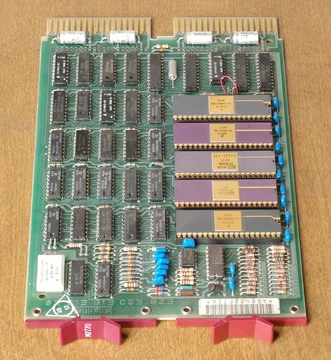
Engineering sample
Beta integrated circuits loaned for pre-launch testing under confidentiality.

Engineering samples are beta versions of integrated circuits loaned to ODMs, OEMs and ISVs for pre-launch testing. They are typically distributed under a non-disclosure agreement or other confidentiality agreement. Several kinds of preproduction samples exist, including mechanical samples (for testing physical fit), electrical/thermal samples (for cooling and power draw), engineering samples (for early design testing), and qualification samples (to determine if a design is ready for release). Intel does not officially acknowledge a distinction between engineering and qualification samples.
- Types of preproduction samples
- mechanical, electrical/thermal, engineering, qualification
- Common recipients
- ODMs, OEMs, ISVs
- Distribution restriction
- non-disclosure agreement or other confidentiality agreement
- Notable example
- Pentium 4 processors
- Year of change in availability
- 2008
Lore & Background
Engineering samples have been used in the development of processors such as the Pentium 4, which were rare and favored by overclockers for having unlocked base-clock multipliers. Since 2008, Core 2 engineering samples have become more common and popular. Some engineering samples with unlocked clock multipliers are valued by overclockers.
Reader's Guide
Engineering samples are significant because they allow ODMs, OEMs, and ISVs to test products before launch, ensuring compatibility and performance. However, they are generally not authorized for resale and can appear on secondhand markets like eBay. Their unfinished nature compared to retail versions can lead to unpredictable performance issues, compatibility issues, and lack of warranty support. Despite this, some engineering samples—particularly those with unlocked multipliers—are sought after by overclockers. Intel does not officially distinguish between engineering and qualification samples, adding ambiguity to their status. The shift since 2008 toward more common Core 2 engineering samples has increased their presence in enthusiast circles, but the risks of using them remain due to their preproduction state.
Frequently Asked Questions
What is an engineering sample in PC hardware?
An engineering sample is an early, unfinished version of a chip that manufacturers lend out before the product officially hits the market. Its main purpose is letting partners validate the design's functionality during the pre-release phase.
Who gets to use engineering samples?
These preproduction chips are typically handed to original design manufacturers, original equipment manufacturers, and independent software vendors so they can test compatibility and performance. Access is strictly limited to these industry partners.
How is an engineering sample different from a mechanical or qualification sample?
Mechanical samples focus on physical dimensions and fit, while electrical/thermal samples are used to measure power consumption and heat output. Engineering samples sit in the middle for early functional design validation, and qualification samples serve as the final gate before a design is cleared for mass production.
Why are engineering samples so hard to find on the open market?
They are distributed under non-disclosure or other confidentiality agreements, meaning recipients legally cannot share or resell them. This keeps the design details secret until the official launch.
What's a well-known example involving engineering samples?
Intel's Pentium 4 line is a frequently cited case where preproduction units circulated among partners before release. By 2008, the landscape around how these samples were made available had shifted noticeably.
More in PC Hardware 1-24
Spotted an error? Know more?
Reader corrections go straight into our review queue. Suggest an edit · How this site is sourced