
Pea Ridge National Military Park
Preserves the 1862 Battle of Pea Ridge site.
Last updated
Where it is
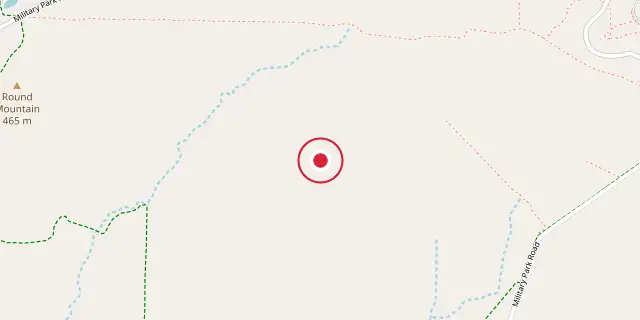
Coordinates: 36°27′00″N 94°02′06″W (36.4500, -94.0350) · Open in OpenStreetMap
Coordinates and connected clubs: the infobox of Wikipedia: Pea Ridge National Military Park (CC BY-SA 4.0). Map: drawn by Codexery from OpenStreetMap tiles.
In northwest Arkansas, close to the Missouri line, Pea Ridge National Military Park safeguards the ground where the Battle of Pea Ridge was fought on March 7 and 8, 1862. That Union triumph helped the North take command of Missouri, a vital border state.
Administrative history
Pea Ridge National Military Park spans 4,300 acres and was established by Congress in 1956 to protect the site of the 1862 Battle of Pea Ridge. The park officially opened during the American Civil War Centennial in 1963. The push for its creation came from Arkansas’s congressional delegation that year, marking a major step in preserving Civil War battlefields. At the time, the National Park Service’s rules would have preserved only a single acre with a monument, but on July 20, 1956, Congress passed a law accepting a 5,000-acre land donation from the state of Arkansas.
To assemble the park, the government bought or used eminent domain to acquire dozens of farms and homes, from small plots to the large Winton Springs estate. Many buildings were sold and relocated, some to the nearby town of Pea Ridge. All remaining structures were torn down, including the ornate Winton Springs mansion, except for the historic Elkhorn Tavern. Long before the park existed, Union and Confederate veterans gathered at the battlefield for reunions.
The first of these took place in 1887, twenty-five years after the fight. These events encouraged remembrance and healing between former enemies, and the veterans dedicated the first monuments to the Union and Confederate dead. Historian David W. Blight, in his book Race and Reunion, points out that this postwar reconciliation often ignored unresolved issues regarding the condition and future of freedmen and racial justice. Those early monuments still stand within the park today.
Did You Know?
- The park includes approximately 2.5 miles of the Trail of Tears as followed by some members of the Cherokee Nation.
- The park features a portion of the pre-war Old Telegraph/Wire Road.
- Elkhorn Tavern, the epicenter of much of the battle, was restored and is located within the park.
More in National Battlefields and Military Parks of the United States
Sources
Compiled from Wikipedia and the sources listed below. Text from Wikipedia is available under CC BY-SA 4.0; this entry is adapted from it.
- Wikipedia: Pea Ridge National Military Park (CC BY-SA 4.0).
Spotted an error? Know more?
Reader corrections go straight into our review queue. Suggest an edit · How this site is sourced