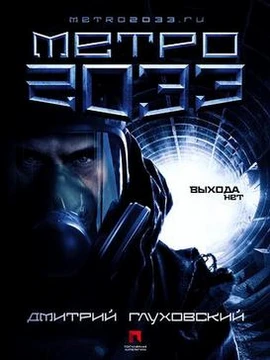
Dynamic lighting system
In the Metro, light is a fragile lie; darkness is the only truth.
The dynamic lighting system in Metro 2033 is the game's beating heart of terror and immersion. Crafted by 4A Games with their proprietary 4A Engine, this system doesn't just paint pretty shadows—it breathes life into every flickering bulb, every creeping patch of darkness, and every desperate scramble for cover. It's not a fancy visual gimmick; it's a living, breathing mechanic that dictates whether you slink past a patrol unseen or get torn apart in a hail of gunfire and claws. In the irradiated tunnels of the Moscow Metro, light is your fragile shield, and darkness is a predator waiting to pounce.
Quick Facts
- Role
- Core gameplay and visual mechanic
- Affiliation
- 4A Games (developer), 4A Engine (technology)
- First appears
- Metro 2033 (2010)
- Status
- Defining feature of the series
Lore & Background
In the world of Metro 2033, the surface is a dead, irradiated graveyard, and the tunnels are a claustrophobic patchwork of dim stations and monster-haunted passages. The dynamic lighting system doesn't just show you this world—it makes you feel it in your bones. A single flickering bulb or a distant campfire can mean the difference between a safe passage and a gruesome, messy end. Every light source matters: your battery-draining flashlight, the sickly glow of a chemical lamp, even the eerie phosphorescence of mutant eyes cutting through the black.
The system is welded to the stealth mechanics. Enemies—human and mutant alike—scan for movement and light, so shadows become your only true ally. And because the lighting is alive, shifting as you move, and because you can shoot out bulbs or smash lanterns, the tactical landscape changes with every step. This is no static diorama; the light breathes, and so do the horrors it hides.
Reader's Guide
Developed by 4A Games and first unleashed in Metro 2033 (2010), the dynamic lighting system was a technical beast for its era, especially on PC. It ran on the studio's in-house 4A Engine, which delivered real-time per-pixel lighting, dynamic shadows, and a surface day/night cycle that felt almost alive. Critics and players alike praised how it cranked the survival horror up to eleven, making every dark corner a potential death trap. The reception was electric—the lighting became the franchise's signature, setting it apart from every other first-person shooter. Its success directly shaped Metro: Last Light and Metro Exodus, where 4A Games pushed further with advanced global illumination and ray-traced lighting on PC, cementing this system as the soul of the series.
Did You Know?
- The dynamic lighting system in Metro 2033 was one of the first to fully integrate with stealth mechanics: enemy AI tracks your visibility in real-time, so a single stray beam can get you killed.
- The 4A Engine's lighting is fully destructible. You can shoot out bulbs, smash lanterns, or puncture chemical lamps—creating darkness is often the only way to survive.
- On PC, the lighting was so advanced for 2010 that it became a go-to benchmark for graphics hardware, pushing GPUs to their limits.
- The eerie glow of mutant eyes isn't just a cool effect—it's a deliberate design choice, using the dynamic system to reveal enemies only when they step into light, keeping you guessing in the dark.
More in Development & Legacy
Elsewhere in Metro 2033
Spotted an error? Know more?
Reader corrections go straight into our review queue. Suggest an edit · How this site is sourced