Douglas MacArthur
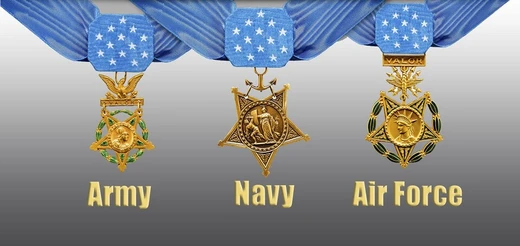
American general and Medal of Honor recipient who served in World War I, World War II, and the Korean War.

via Wikipedia: Douglas MacArthur · see source
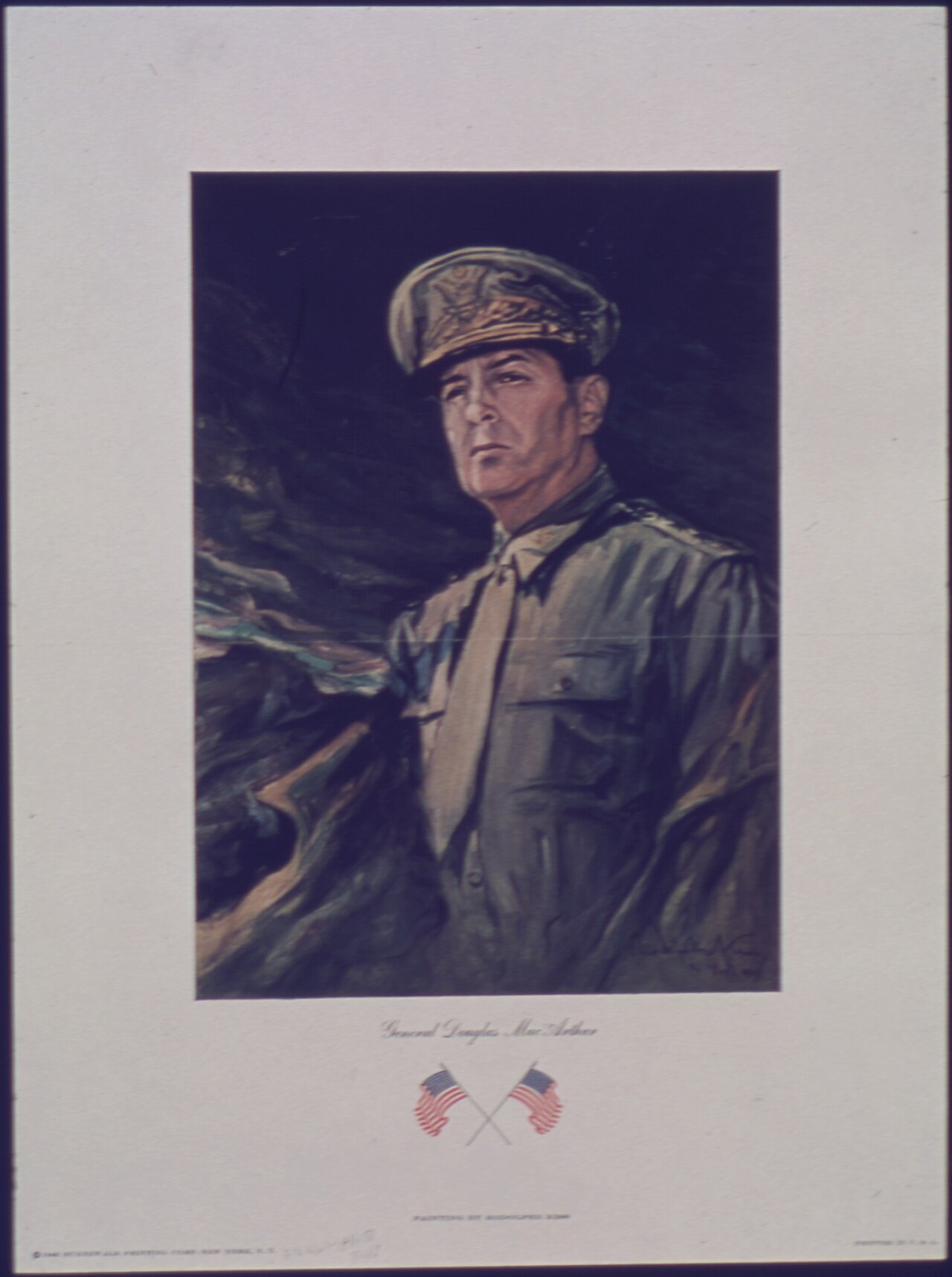
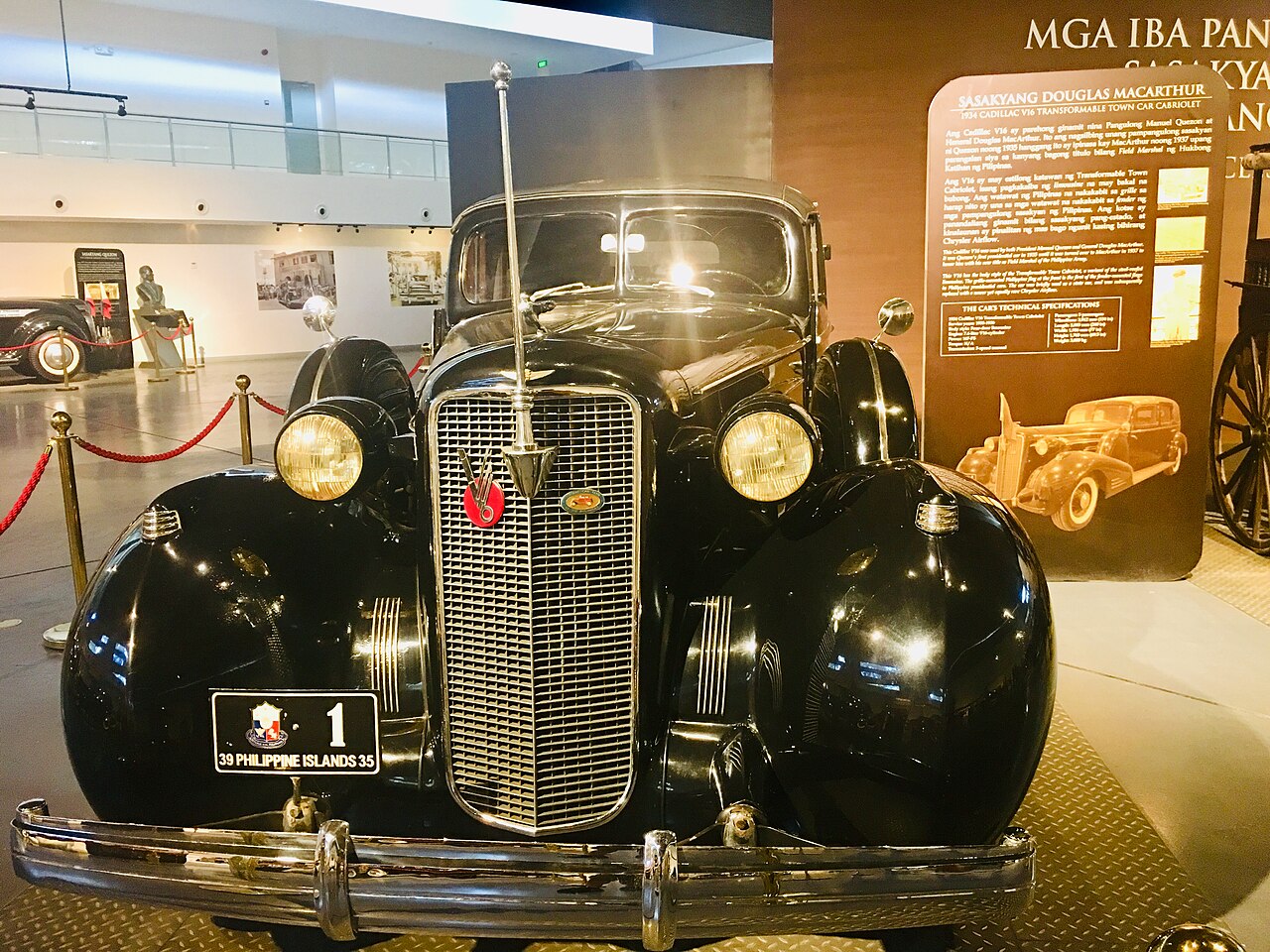
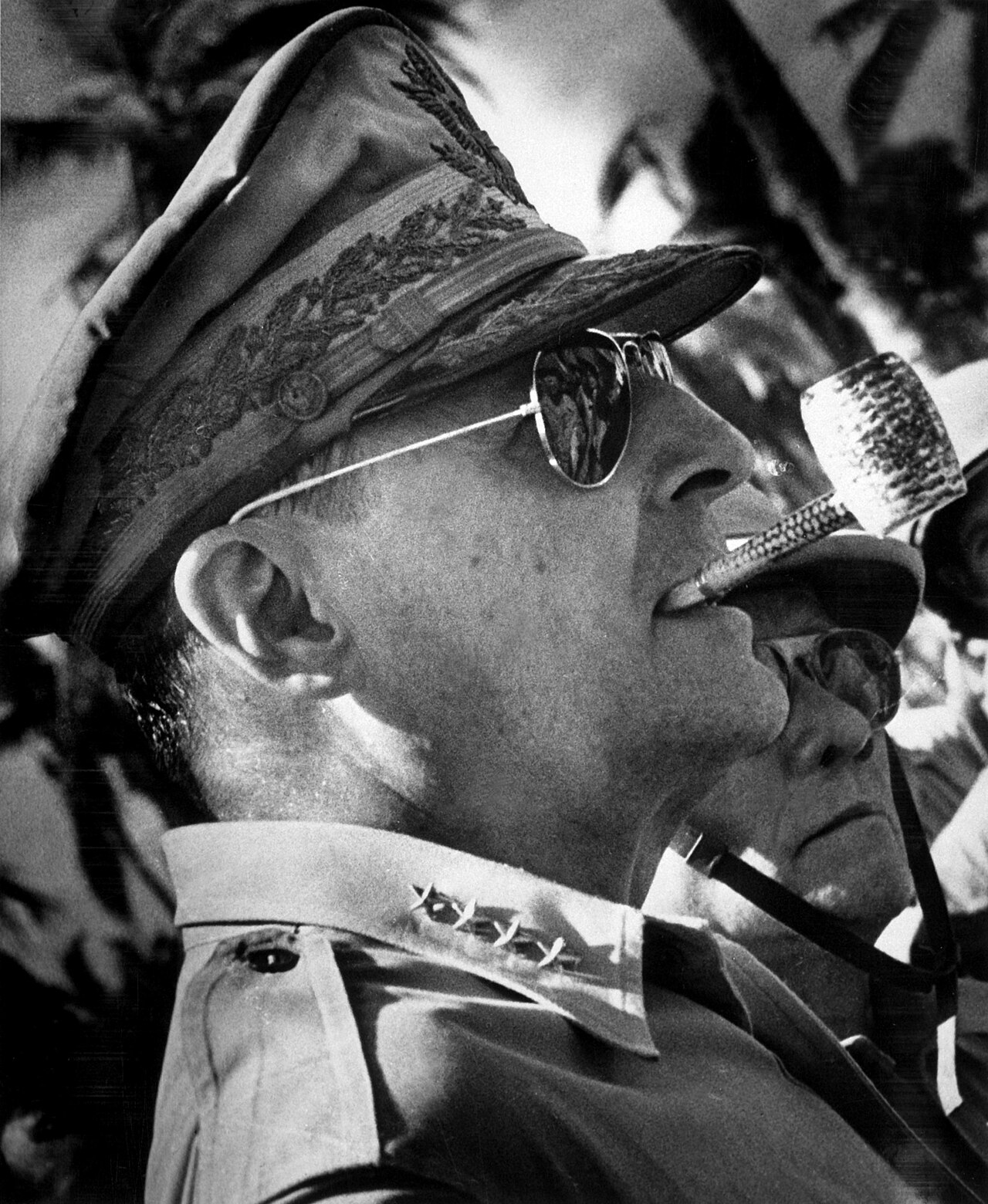
Douglas MacArthur (26 January 1880 – 5 April 1964) was an American general. He served with distinction in World War I; as chief of staff of the United States Army from 1930 to 1935; as Supreme Commander, Southwest Pacific Area, from 1942 to 1945; as Supreme Commander for the Allied Powers overseeing the occupation of Japan from 1945 to 1951; and as head of the United Nations Command in the Korean War from 1950 to 1951. He is one of several people to hold the rank of General of the Army, and the only person to hold the rank of Field Marshal in the Philippine Army.
Quick Facts
- Office
- Governor of the Ryukyu Islands
- Took office
- 15 December 1950
- Left office
- 11 April 1951
- Successor
- Matthew Ridgway
- Born
- 26 January 1880
- Birthplace
- Little Rock, Arkansas, U.S.
- Died
- 5 April 1964
- Place of death
- Washington, D.C., U.S.
Lore & Background
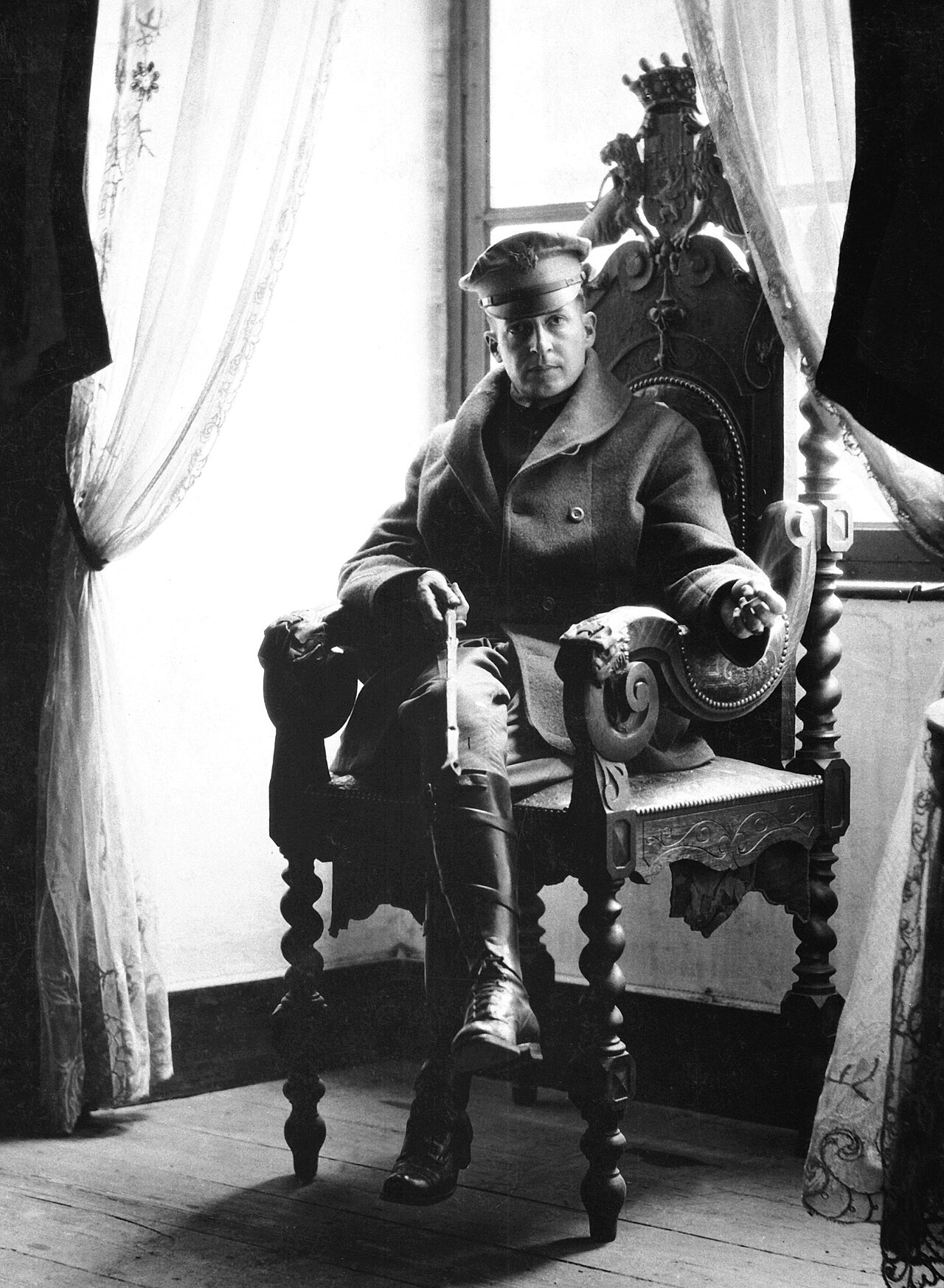
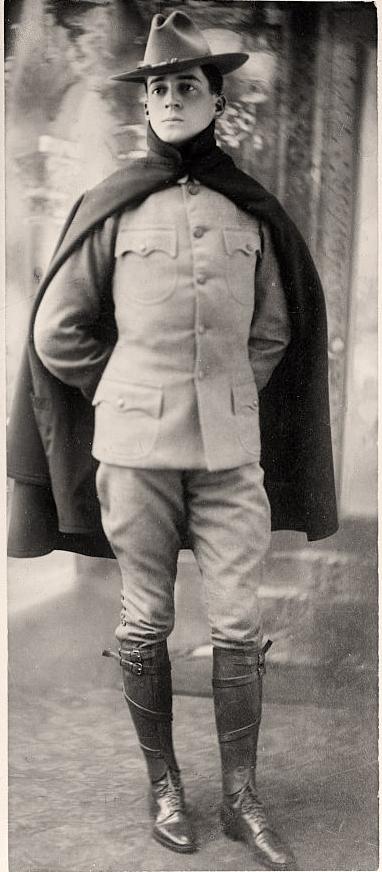
MacArthur, a son of Medal of Honor recipient Arthur MacArthur Jr., graduated first in his class from the U.S. Military Academy in 1903. During the 1914 U.S. occupation of Veracruz, he conducted a reconnaissance mission for which he was nominated for the Medal of Honor. On the Western Front during World War I, he rose to the rank of brigadier general, was again nominated for a Medal of Honor, and was awarded the Distinguished Service Cross twice and the Silver Star seven times. From 1919 to 1922, MacArthur served as Superintendent of the U.S. Military Academy. His next posting was in the Philippines, where he served until 1925. Contrary to some accounts, he was not involved in quelling the Philippine Scout Mutiny in 1924, as he was not in the Philippines at that time. In 1925, MacArthur became the Army's youngest major general at the age of 45, and in 1930 was appointed Chief of Staff of the U.S. Army. He was involved in the controversial expulsion of the Bonus Army protesters in Washington, D.C., in 1932, but contrary to some claims, he did not organize the Civilian Conservation Corps. In 1935, MacArthur was appointed Military Advisor to the Commonwealth of the Philippines. He retired from the Army in 1937, but continued as an advisor and as a Field Marshal in the Philippine Army from 1936. MacArthur was recalled to active duty in 1941 as commander of U.S. Army Forces in the Far East. A large portion of his air forces were destroyed in December 1941 in the Japanese attack on Clark Field, and an invasion of the Philippines followed. In March 1942, MacArthur escaped to Australia, where he was appointed Supreme Commander of the Southwest Pacific Area in April. He promised that he would return to the Philippines, and for his defense of the islands was awarded the Medal of Honor. From Australia, he commanded the New Guinea campaign, and in October 1944 led the campaign which liberated the Philippines. In December 1944, he was promoted to General of the Army. At the end of the war, MacArthur accepted the surrender of Japan. As the Supreme Commander for the Allied Powers and effective ruler of Japan, he oversaw the war crimes tribunals and the demilitarization and democratization of the country. During the Korean War, he led the United Nations Command with initial success, but suffered major defeats after China's entry into the war in October 1950.
Reader's Guide
MacArthur entered West Point on 13 June 1899. He graduated first in his class on 11 June 1903. He was commissioned as a second lieutenant in the United States Army Corps of Engineers. He served in the Philippines from October 1903, where he was promoted to first lieutenant in April 1904. His tour was cut short in October 1904 due to malaria and dhobi itch. He later served as aide-de-camp to his father in Tokyo from October 1905, traveling extensively in Asia and India. In September 1906 he reported to the Engineer School at Washington Barracks. He served as an aide at White House functions at the request of President Theodore Roosevelt. In August 1907 he was sent to Milwaukee, then to Fort Leavenworth in April 1908, where he commanded Company K, 3rd Engineer Battalion. He became battalion adjutant in 1909 and engineer officer at Fort Leavenworth in 1910.
The Boy Colonel: Civil War Heroism
During the American Civil War, Arthur MacArthur Jr. distinguished himself at a remarkably young age, earning national fame as 'The Boy Colonel.' At just eighteen years old during the Battle of Missionary Ridge in November 1863, he displayed extraordinary bravery amidst a chaotic frontal assault against entrenched Confederate forces. When regimental flag-bearers fell under heavy fire, MacArthur seized a fallen comrade's colors and planted them atop the hill while shouting 'On, Wisconsin,' rallying his troops at a critical juncture. This act of valor earned him the Medal of Honor, making him one of only two father-son pairs in history to receive this award alongside his son Douglas. Although severely wounded later at the Battle of Franklin by pistol shots from a rebel officer, he survived and continued his service. His rapid rise included brevet promotions to colonel before turning nineteen, cementing his legacy as a decorated hero who inspired his regiment through personal courage during some of the war's most intense engagements.
Frontier Service and Peacetime Stagnation
Following the Civil War, MacArthur briefly considered law but quickly returned to military life, rejoining the Regular Army in 1866. Despite his distinguished wartime record, which saw him promoted rapidly from second lieutenant to captain within months, his career growth stalled during the subsequent two decades of peace. It was not until 1889 that he finally advanced to major as Assistant Adjutant General, with a promotion to lieutenant colonel arriving in 1897, highlighting the slow pace of advancement in the small peacetime army compared to his earlier wartime exploits.
Command in the Spanish-American and Philippine Wars
Serving as adjutant general for the Third Army Corps in Georgia, he was brevetted to brigadier general in June 1898. He subsequently led the 1st Brigade of the Eighth Army Corps to victory at the Battle of Manila on August 12, 1898, earning a promotion to major general the very next day. In January 1900, President McKinley appointed him Military Governor of the Philippines and commander of the Eighth Corps. These achievements solidified his reputation as a capable strategic commander in overseas theaters.
Governorship and Political Friction
MacArthur's tenure as Military Governor of the Philippines ended abruptly due to significant political friction with civilian leadership. Appointed by President McKinley in May 1900, MacArthur firmly opposed the immediate transition from military to civil rule, believing the islands were not yet ready for such a shift. His stance clashed directly with William Howard Taft, who arrived in June 1900 as head of the Philippine Commission to oversee this transition. The two men engaged in separate correspondence regarding the timing and nature of civilian involvement, creating an untenable working relationship. Consequently, MacArthur's term concluded just one year after his appointment, ending a period where he had successfully managed military operations and negotiated the surrender of key insurgent leaders. This conflict marked a pivotal moment where military authority yielded to political administration, setting the stage for future civil governance in the occupied territory.
Gallery
Frequently Asked Questions
Who is Douglas MacArthur in the context of Medal of Honor history?
Douglas MacArthur was a five-star General of the Army who served as the Supreme Commander for Allied Forces in the Southwest Pacific Area during World War II. He is historically renowned for his leadership in the liberation of the Philippines and his famous promise to return after evacuating Bataan.
What specific role did Douglas MacArthur play in the war?
He directed all American military operations across the vast Pacific Theater, coordinating island-hopping campaigns to push back Japanese forces. His strategic command was pivotal in turning the tide of the war in the Pacific and overseeing the subsequent occupation of Japan.
What are Douglas MacArthur's most famous achievements?
His most celebrated achievement was leading the successful campaign to liberate the Philippines, fulfilling his vow to return after the Japanese conquest in 1942. Additionally, he served as the Supreme Commander for the Allied Powers, managing Japan's post-war reconstruction and demilitarization.
How does Douglas MacArthur's story conclude?
After being relieved of command during the Korean War due to conflicts with civilian leadership, he retired from active service in 1951. He passed away on April 5, 1964, leaving behind a legacy as one of America's most decorated and influential military commanders.
More in Characters & Units
Elsewhere in Medal of Honor
Spotted an error? Know more?
Reader corrections go straight into our review queue. Suggest an edit · How this site is sourced